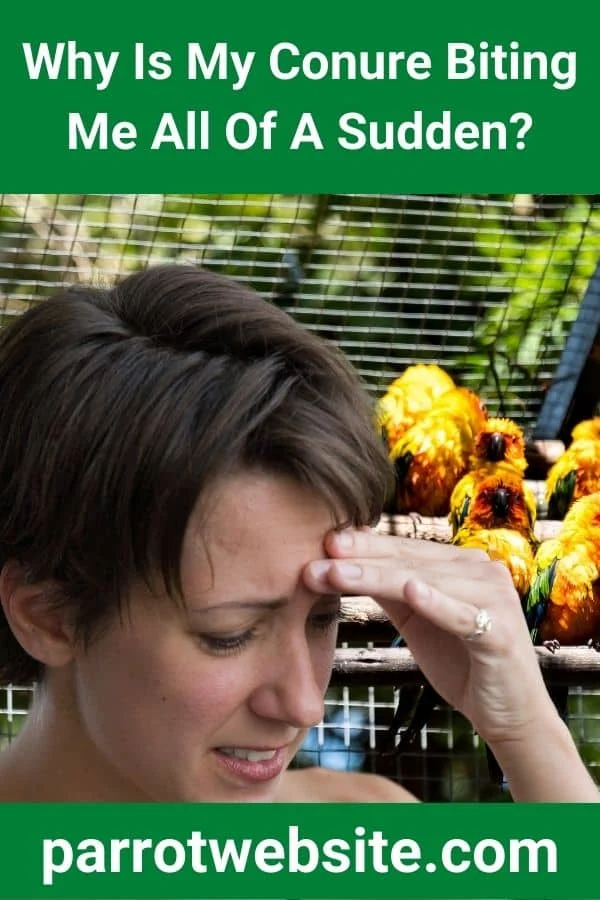
For many bird enthusiasts, the vibrant personality and affectionate nature of the conure make it an ideal companion. However, even the most devoted owners can find themselves caught off guard when their pet begins to exhibit sudden, aggressive biting behavior. Whether you are a first-time owner or an experienced avian keeper, navigating the complexities of a conure’s temperament requires patience, observation, and a scientific approach to behavioral modification.
Main Facts: The Anatomy of a Conure’s Bite
At its core, biting is not an act of malice; it is a primary form of communication. Because parrots lack hands to manipulate their environment or express complex emotions, the beak becomes their most versatile tool. When a conure bites, it is almost always a reaction to a specific internal or external stimulus.
Understanding why a bird bites is the first step toward resolution. Experts identify four primary triggers:
- Dominance and Territoriality: Conures are naturally assertive. If they feel their "flock territory"—often represented by their cage or a favorite perch—is being encroached upon, they may bite to defend their space.
- Playful Aggression: During high-energy play, a conure may become overstimulated. What starts as a gentle nip can escalate into a painful bite as the bird loses control of its excitement.
- Hormonal and Breeding Stages: As conures reach sexual maturity, hormonal fluctuations can trigger increased irritability, territorial aggression, and a desire to bite to establish status.
- Illness or Physical Discomfort: Parrots are prey animals that instinctively mask illness to avoid appearing vulnerable. If a bird is feeling unwell, it may use biting as a "keep away" signal to protect itself while it rests.
Chronology of Behavioral Development
The journey from a biting habit to a harmonious relationship is not an overnight process. It typically follows a structured trajectory of identification, intervention, and reinforcement.
Phase 1: The Onset (Weeks 1-2)
The owner notices an increase in biting without an obvious external trigger. During this phase, the owner must document the context: time of day, the presence of other people, or recent changes in the environment. This is the stage where the owner must resist the urge to react emotionally, as shouting or pulling away can unintentionally reinforce the behavior.
Phase 2: The Assessment (Weeks 3-4)
The owner shifts from reactive to observant. By studying the bird’s body language—such as pinned eyes, flared tail feathers, or a lowered head—the owner learns to predict a bite before it happens. This is the period where "acting fast" becomes critical. By interrupting the behavior before the contact is made, the owner begins to break the cycle.
Phase 3: The Implementation (Weeks 5-8)
Consistency is key. The owner applies specific disciplinary techniques, such as the "time-out" method (placing the bird in its cage and covering it) or reward-based training. During this phase, the goal is to show the bird that biting results in the loss of social interaction, while calm behavior results in rewards.
Phase 4: Long-Term Maintenance (Ongoing)
Once the biting has subsided, the owner continues to reinforce positive behavior through treats and social engagement. The goal is to move from a corrective state to a preventative one, ensuring the bird understands the boundaries of their relationship.
Supporting Data: The Science of Parrot Behavior
Avian psychologists suggest that positive reinforcement is significantly more effective than traditional punishment. A study on psittacine behavior highlights that parrots respond best to "operant conditioning." When a bird exhibits a desired behavior—such as stepping up without nipping—providing an immediate, high-value reward creates a neurological association between the action and the positive outcome.
Furthermore, statistics regarding captive bird welfare indicate that "behavioral abandonment" is a primary reason for rehoming parrots. Owners who do not understand the, at times, difficult nature of the conure often feel overwhelmed. However, data suggests that 85% of biting issues can be significantly mitigated within three months if a consistent, non-aggressive training plan is followed.
Official Perspectives and Expert Recommendations
Veterinarians and animal behaviorists emphasize that physical punishment is counterproductive. Shouting or hitting a bird does not teach it "right from wrong"; rather, it teaches the bird to fear the owner.
"When an owner reacts with pain or anger, the bird perceives this as a ‘win,’" notes avian consultant Dr. Elena Vance. "The bird has successfully elicited a high-energy reaction from the flock leader. To the bird, this is validation. The most effective tool is a neutral, calm response—removing the bird from the situation without drama."
Expert consensus dictates three primary "rules of engagement":
- Read the Signs: Never ignore body language. If the bird is puffed up and swaying, it is warning you. Respect that warning by walking away.
- The "Neutral Exit": If a bite occurs, place the bird in its cage without saying a word. Do not make eye contact. The goal is to show the bird that biting leads to isolation, which is the antithesis of what a social animal wants.
- Positive Reinforcement: Reward the "good" moments. If the bird sits quietly on your hand, offer a small piece of fruit. Make the reward immediate so the connection is clear.
Implications for Prospective Owners
Before bringing a conure into a home, potential owners must consider the long-term implications. These are not low-maintenance pets; they are highly intelligent, social animals with life spans ranging from 20 to 30 years.
The Reality of Commitment
Owning a conure is a multi-decade commitment. Prospective owners should ask themselves: Can I provide the mental stimulation and social interaction this bird requires for the next quarter-century?
The Noise Factor
Conures are notoriously vocal. Their natural instinct is to call out to their flock, which, in a domestic setting, translates to loud squawking. If you live in an apartment or have neighbors sensitive to noise, a conure may not be the appropriate choice.
The Training Burden
Because conures are prone to being "nippy," the owner must be prepared to be a trainer. This requires emotional intelligence, the ability to remain calm under stress, and the willingness to learn about avian body language. It is strongly recommended that those considering ownership spend time with conures at a rescue or a reputable breeder before committing. Observing the birds in a social setting can provide a realistic look at their energy levels and social requirements.
Conclusion: Cultivating a Healthy Bond
While the biting phase can be distressing, it is rarely a permanent character trait of the bird. In most cases, it is a symptom of a misunderstanding between species. By recognizing that the bird is not acting out of malice, but rather out of instinct, fear, or a desire for control, owners can pivot toward a strategy of empathy and structure.
Effective management of a conure is not about breaking the bird’s spirit, but rather about building a language of mutual respect. Through consistent, non-punitive disciplinary actions and a deep commitment to understanding the subtle cues of avian communication, owners can move past the biting phase and enjoy the rewarding, affectionate, and deeply intelligent companionship that a well-adjusted conure provides. The effort invested in the early stages of the relationship will pay dividends in the decades of friendship that follow.