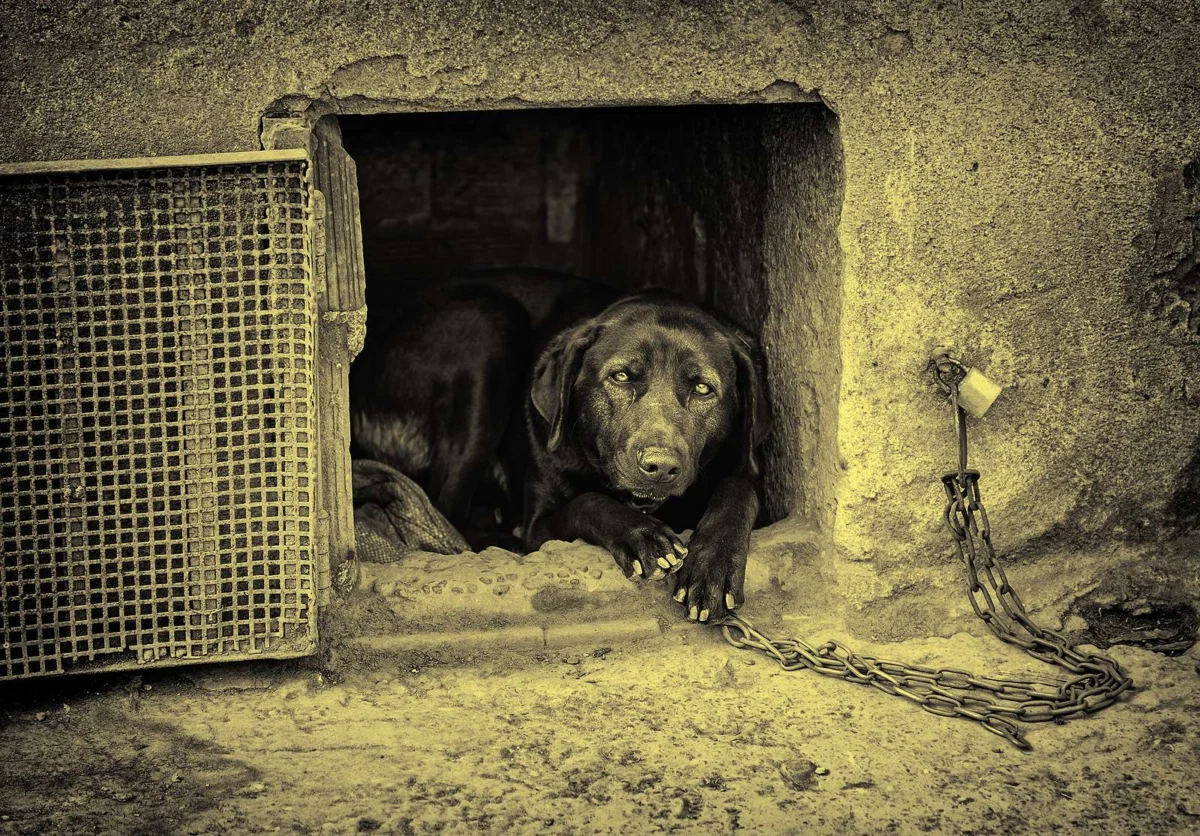
The recent liberation of 1,500 beagles from the Ridglan “Farms” facility has sent shockwaves through the animal welfare community, igniting a national conversation about the ethics of laboratory breeding and the remarkable resilience of the canine spirit. For decades, the facility operated under a cloud of allegations regarding substandard conditions and animal cruelty. Now, as these dogs begin their transition into homes, the focus has shifted from the trauma of their past to the complex, delicate work of their rehabilitation.
Can a dog raised in "canine hell" ever become a "normal" family pet? According to experts, the answer is a guarded, hopeful yes—but it requires a profound understanding of canine neurobiology, extreme patience, and a commitment to evidence-based rehabilitation.
The Chronology of a Crisis: From Allegations to Liberation
The closure of the Ridglan facility is the culmination of a ten-year campaign led by dedicated activists and former employees who bore witness to the conditions inside. The facility, which primarily bred beagles for laboratory research, became a flashpoint for animal rights advocates.

The turning point arrived when the facility faced 311 counts of animal cruelty. Prosecutors alleged that dogs were subjected to painful surgical procedures—such as eye surgeries—without anesthesia, veterinary supervision, or sterile equipment. To avoid prosecution, Ridglan reached a settlement, agreeing to relinquish its seller’s license by July 1, effectively ceasing operations as a commercial breeder.
The logistics of moving 1,500 traumatized animals were monumental. Instrumental in this effort was the organization Dane4Dogs, which played a pivotal role in lobbying for a special prosecutor to review the evidence. The coordination involved a massive network of shelters, including the Dane County Humane Society, the Beagle Freedom Project, and the Wisconsin Humane Society, all working in tandem to triage and rehome the survivors.
Understanding the Neurobiology of Trauma
To grasp the challenges faced by these beagles, one must first understand the "software" of the canine brain. During early development, a puppy’s brain is highly plastic. This is the period when neurons form connections that shape the amygdala—the brain structure responsible for processing fear and emotional responses.

When a dog is raised in a barren environment—such as a small, wire-bottomed cage in a commercial facility—they are deprived of the essential sensory inputs that build resilience. They lack exposure to varied sounds, textures, and social interactions. Consequently, their brains do not develop the capacity to navigate the unpredictable stimuli of the "outside world."
However, genetics provide a silver lining. Beagles were historically selected for laboratory use specifically for their docility and stable temperaments. This inherent "good nature" acts as a buffer, offering these dogs a better chance at rehabilitation than some more sensitive or high-drive breeds might possess.
Proven Strategies for Rehabilitation: What the Experts Say
The ASPCA’s Behavioral Rehabilitation Center in North Carolina has pioneered scientific approaches to helping dogs recover from extreme deprivation. Their findings, combined with the experiences of shelter behaviorists, provide a roadmap for adopters:

1. The Power of "Canine Role Models"
Perhaps the most significant finding in the rehabilitation of abused dogs is the necessity of another dog in the home. An abused dog often views humans with suspicion, but they look to other dogs to interpret the environment. A stable, confident "mentor" dog can demonstrate that a doorway is not a trap or that a walk is a positive experience.
2. The Necessity of Routine
For a dog that has lived in a state of constant, low-level dread, the world is a chaotic place. A strict, predictable routine provides a sense of agency and safety. When a dog knows exactly when they will be fed, walked, and allowed to rest, their cortisol levels drop, allowing for the slow process of de-escalation to begin.
3. A "Safe Space" Strategy
Adopters are encouraged to provide a "sanctuary"—often a crate or a quiet corner—that is off-limits to visitors and loud noises. It is vital that the dog initiates interaction. Forcing attention on a frightened dog often acts as punishment rather than comfort. Using "calming" touch—long, slow strokes rather than patting—and scattering food treats to encourage exploration can help build trust without overwhelming the animal.

Official Responses and the Ethics of Research
The outcry against the Ridglan facility has pushed the broader question of laboratory animal welfare into the public square. The consensus among many behavioral scientists is that the status quo of housing lab dogs in isolation or in cramped, wire-floored crates is not only inhumane but scientifically flawed. Stress, it is argued, introduces variables that can invalidate research findings.
The publication of Lab Dog: A Beagle and His Human Investigate the Surprising World of Animal Research by Melanie D.G. Kaplan has further fueled public scrutiny. The book highlights the long, often hidden history of using beagles in medical research, providing a well-researched account that has left many readers demanding legislative reform.
"When you know better, you do better," is the mantra of activists pushing for a post-Ridglan future. The goal is to move beyond the occasional "rescue" and toward a permanent shift in how the law regulates the treatment of animals in research facilities.

Implications for the Future: A Call to Action
The success of the Ridglan liberation project has demonstrated that large-scale rescue operations are possible when resources are pooled. However, the work is far from over. As the dogs are placed into homes, the long-term impact on the foster and adoption networks will be felt for months.
Adopters must be prepared for a long road. Some dogs may remain "shut down" for weeks or months, while others may show surprising bursts of recovery. Experts emphasize that early behavior is not a predictor of long-term success. Some of the most frightened, withdrawn dogs have gone on to become the most affectionate family companions.
For those interested in contributing, the focus should remain on supporting the organizations that provided the initial care. The Dane County Humane Society, Beagle Freedom Project, and the Wisconsin Humane Society continue to bear the costs of medical treatment and behavioral support for these 1,500 survivors.

Conclusion: Celebrating the Small Wins
In the midst of the intensive work to save these beagles, it is easy to become overwhelmed by the magnitude of the cruelty they endured. Yet, the story of the Ridglan beagles is fundamentally one of hope. It is a story of how an entire community can mobilize to correct a moral failure.
As we look toward the future, the lessons learned from these dogs will continue to inform how we treat those who cannot speak for themselves. While the "arc of the moral universe" may be long, the successful liberation of these 1,500 dogs proves that it is indeed bending toward justice. Every beagle that finally learns to sleep on a soft bed, chase a ball, or lean into the hand of a human friend is a testament to the fact that healing is not just a possibility—it is a promise we make to the animals we bring into our lives.
For those who have opened their homes to these survivors, the reward is perhaps the most profound of all: the chance to watch a life, once defined by darkness, bloom into the light of safety, comfort, and, finally, love.