Main Facts: A Story of Persistence and Connection
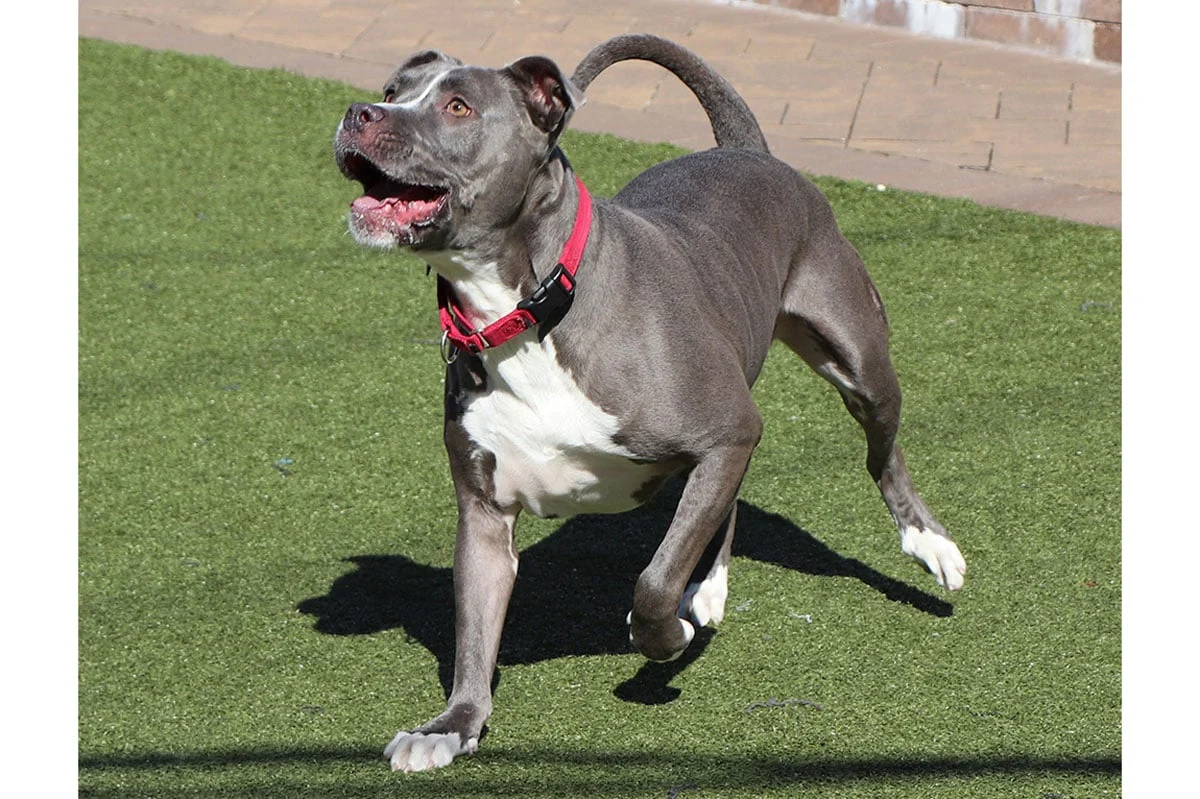
In an era where social media algorithms are often criticized for their influence on consumer behavior, they have occasionally served as a bridge for a far more noble purpose: the matching of rescue animals with their permanent "forever homes." This is the story of Bobby, a dog whose path to a loving family was paved by digital persistence and the profound emotional resonance of a photograph.
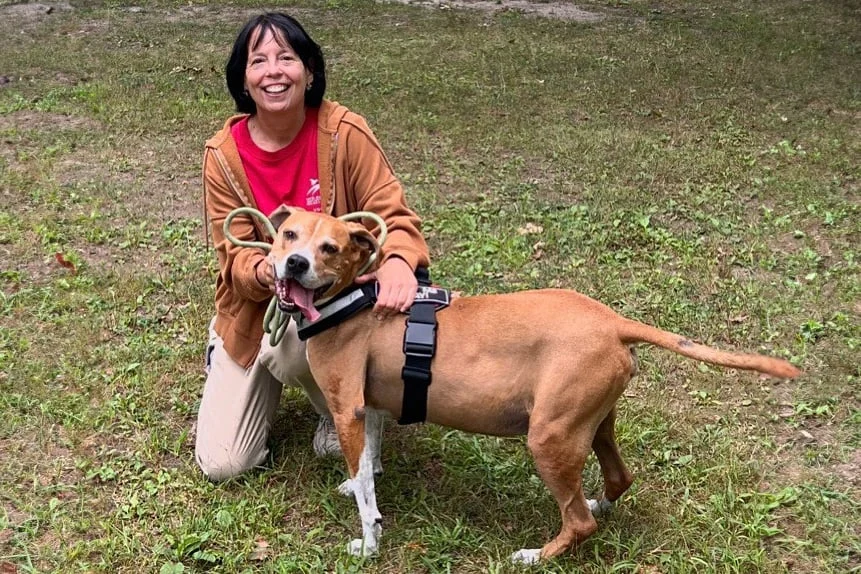
Bobby, whose early history was marked by the uncertainty typical of shelter life, became a fixture on local rescue social media channels. His face, characterized by an expression of both resilience and hope, became a familiar sight to followers of the organization. For Christine, a local resident and mother, these recurring posts were not merely digital content; they were a persistent pull on her heartstrings.
"Every time his picture popped up, I’d think, ‘Oh my god, he is so adorable,’" Christine recalled during an interview. What began as a casual interest soon evolved into a family mission. After sharing a post with her daughter, the reaction was immediate and visceral. Moved to tears, the young girl insisted that Bobby was the missing piece to their household. When the family finally met Bobby in person, the transition from screen to reality confirmed what they had already felt in their hearts: it was meant to be.
Chronology: From Digital Presence to Family Integration
The journey of Bobby from a shelter kennel to a living room sofa was not instantaneous, but rather a process defined by patience and intentionality.
Phase 1: The Digital Campaign
For months, the rescue organization utilized social media to highlight Bobby’s personality. While many animals cycle through rescue programs quickly, Bobby remained a long-term resident. His handlers ensured that his profile was consistently updated, capturing him during play, rest, and moments of engagement with staff. This constant visibility was crucial; it kept him at the forefront of the community’s consciousness.
Phase 2: The Moment of Recognition
The pivotal moment arrived when Christine, an active user of the rescue’s social media page, encountered Bobby’s profile for the umpteenth time. The algorithmic repetition, often viewed as a nuisance in modern life, acted here as a catalyst for advocacy. The decision to adopt was made as a family unit, underscoring the importance of collective buy-in when welcoming a rescue animal into a home.
Phase 3: The Introduction
The initial meeting between the family and Bobby was conducted under the supervision of shelter behavioral specialists. This phase is critical in any adoption process, ensuring that the animal’s temperament aligns with the family’s lifestyle. According to the rescue staff, the chemistry was immediate. Bobby, often cautious with strangers, demonstrated an unusual level of comfort with Christine and her daughter, suggesting a silent acknowledgment of their bond.
Phase 4: The Transition Period
Following the adoption, the family entered the "decompression" phase. This period, often overlooked by prospective owners, is where the true work of rescue begins. Christine’s approach was rooted in realism—a philosophy that would become the cornerstone of their success.
Supporting Data: The Psychology of "Forever"
The success of Bobby’s adoption is not an outlier; it mirrors broader trends in animal welfare and adoption psychology. According to data from the American Society for the Prevention of Cruelty to Animals (ASPCA), roughly 6.3 million companion animals enter U.S. animal shelters nationwide every year. The "shelter experience" is often a traumatic one, characterized by high noise levels, limited human interaction, and a lack of consistency.
The Role of Visual Storytelling
Recent studies in animal shelter marketing suggest that high-quality, frequent social media engagement significantly reduces the length of stay (LOS) for rescue dogs. Bobby’s case is a prime example of the "Mere Exposure Effect"—a psychological phenomenon by which people tend to develop a preference for things merely because they are familiar with them. By repeatedly seeing Bobby, Christine built a sense of familiarity that bypassed the typical hesitation one might feel when adopting an animal with an unknown or difficult history.
The Commitment Factor
The transition from a "temporary" rescue status to "permanent" family member is often the most fragile point in the adoption cycle. Statistics show that the highest risk of return occurs within the first 30 days, often due to behavioral misunderstandings. Christine’s philosophy—"You figure it out"—is supported by animal behaviorists who advocate for a "3-3-3" rule: three days to decompress, three weeks to learn the routine, and three months to feel at home.
Official Responses: Perspectives from the Frontlines
Staff members at the rescue organization who managed Bobby’s case speak of his transformation with a sense of professional pride. "We see hundreds of dogs, but some have a spirit that lingers," says a lead shelter coordinator. "Bobby was one of those dogs. He needed a family that understood that he wasn’t a product you could return if he had a bad day."
The shelter’s mission has increasingly shifted toward "transparency-based adoption." This involves providing potential adopters with the complete history of the animal, including behavioral quirks, dietary restrictions, and fears. "When Christine learned about Bobby’s past, she didn’t recoil," the coordinator noted. "She leaned in. That level of empathy is the gold standard for rescue."
Implications: Changing the Narrative on Rescue Animals
Bobby’s story carries significant implications for the future of animal welfare. It challenges the "perfect pet" narrative that often dominates the industry—the expectation that a dog must be perfectly house-trained, socialized, and docile from day one.
Redefining the "Imperfect" Pet
"Pets aren’t perfect. Neither are people," Christine stated, a sentiment that resonates deeply within the rescue community. This shift in perspective—viewing an animal as a family member rather than a commodity—is essential for reducing the return rate of rescue pets. When families enter an adoption with the mindset that they will "figure it out," they are better equipped to handle the inevitable challenges of transition, such as separation anxiety or destructive behavior.
The Responsibility of the Adopter
The implications of this story extend to the societal view of pet ownership. If society begins to treat pets with the same level of commitment as children—understanding that development is a process—the number of animals returned to shelters could decrease significantly. This cultural shift requires:
- Patience: Accepting that behavioral issues are symptoms of history, not inherent flaws.
- Education: Investing time in training and understanding canine psychology.
- Commitment: Refusing to view the animal as disposable when challenges arise.
Technology as a Tool for Good
Finally, Bobby’s story highlights the untapped potential of social media for social good. While technology is often blamed for increasing isolation, it is clearly capable of fostering deep, meaningful connections. Organizations that harness the power of consistent, authentic digital storytelling are effectively creating "digital advocates" for animals who might otherwise be overlooked.
Conclusion: A New Chapter
Bobby is now a permanent fixture in his new home, a testament to the idea that love and commitment can bridge the gap between a traumatic past and a secure future. His story is not just about a dog finding a home; it is about a family finding the courage to be patient, to be understanding, and to welcome an imperfect soul into their lives.
As Christine so aptly put it, "You’re not going to return your child because they misbehave." By applying this standard to our pets, we honor their loyalty and solidify the bond that makes the human-animal connection so profound. Bobby’s journey, facilitated by the digital age and solidified by human empathy, serves as a blueprint for a more compassionate approach to animal rescue—one where every dog, regardless of their history, is given the chance to be part of a family.