Positive reinforcement is often touted as the "gold standard" of modern dog training, but as renowned animal behaviorist and author Dr. Patricia McConnell notes, the practice is deceptively nuanced. While the concept—rewarding desired behavior to increase its frequency—seems straightforward, the reality is that human error often turns well-intentioned training moments into experiences that actually decrease a dog’s willingness to cooperate.
In a recent dispatch, Dr. McConnell highlights the prevalence of "poisoned cues," a phenomenon where a verbal command or action inadvertently becomes associated with discomfort or punishment, ultimately undermining the trust between a dog and their handler.
The Anatomy of a Poisoned Cue
The most common culprit behind a poisoned cue is a fundamental misunderstanding of canine body language. A prime example is the "head pat." Many owners, upon successfully recalling their dog, will enthusiastically pat the top of the dog’s head. While the human perceives this as a reward—a "good job" gesture—the dog often experiences it as an annoyance or a threat.

"Dogs aren’t as fond of receiving head pats as we are of giving them," Dr. McConnell explains, citing an excerpt from the upcoming updated edition of her seminal work, The Puppy Primer. "In every puppy class, you can watch owners pat-pat-patting the top of their recently recalled dogs’ heads, believing they are reinforcing their dogs for coming. However, if you watch closely, you can see the dogs ducking down and turning their heads away as if they didn’t like it."
When a handler inadvertently pairs a recall command with a gesture the dog dislikes, the dog begins to associate the act of "coming when called" with the impending unpleasantness of a head pat. Over time, the recall cue loses its positive association and becomes "poisoned."
Common Human Errors
- The "Grab": Frequently, handlers call a dog to them, only to immediately grab the collar or restrain the animal in a way that causes anxiety.
- The Misplaced Reward: Asking a dog to perform a "sit" or "down" and immediately following it with a slap to the head or an invasive grooming procedure without proper conditioning.
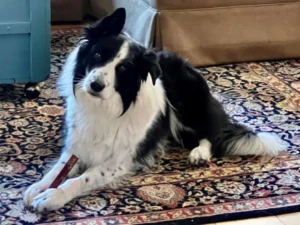
- The Name: As Dr. McConnell’s own dog, Skip, might remind us, a dog’s name is perhaps the most frequently poisoned cue. When a name is used exclusively for scolding or to call a dog away from something they enjoy, the name itself loses its positive reinforcement value.
Observational Mindfulness: A New Challenge for Owners
To combat the prevalence of poisoned cues, Dr. McConnell is challenging dog owners to sharpen their observational skills. The goal is to move beyond the assumption that we know what our dogs enjoy and instead let the dogs tell us through their behavior.

How to Gauge Your Dog’s Response
- The Positive Indicator: A truly reinforced dog will often remain with the handler, exhibiting a loose, wagging tail—specifically "from the shoulders back"—and maintaining soft, engaged eye contact.
- The Negative Indicator: A dog that turns its head away, closes its mouth, goes stiff, or attempts to leave the immediate vicinity is likely finding the interaction punishing rather than rewarding.
Dr. McConnell suggests that owners focus on one or two specific behaviors at a time. "You don’t need to write a novel, and you don’t need a pretty journal," she notes. "Just jot down some observations and see what comes out of it." By documenting these interactions, owners can gain a clearer understanding of how their daily behavior directly influences their dog’s motivation and emotional well-being.
Implications for Welfare and Training Ethics
The concept of the poisoned cue touches on the broader, more serious topic of welfare and ethics in the training industry. The human tendency to "fudge" positive reinforcement—treating it as a binary switch rather than a delicate, bidirectional communication—has significant implications.
When we fail to consider the dog’s perspective, we aren’t just being ineffective trainers; we are potentially creating a baseline of low-level stress for our pets. This is a topic Dr. McConnell plans to explore further during the upcoming CANIS Conference in October 2026. As a participant in a panel discussion on welfare and ethics, she aims to bring these subtle, everyday failures to the forefront of the conversation among professionals.

A Summer of Transition and Reflection
While the pedagogical work continues, life on the farm remains a source of inspiration and balance for Dr. McConnell. This summer has been one of reflection, marked by the ongoing update of The Puppy Primer and the writing of a new novel. Due to these intensive projects, Dr. McConnell has shifted to a three-week posting schedule to ensure quality and depth in her communications.
Recent Events and Community Engagement
Beyond the research and writing, community engagement remains a priority. Dr. McConnell is embarking on a series of public appearances throughout the remainder of 2026:
- July 25, 2026: Minocqua Public Library (WI) – A public discussion on canine behavior.
- September 15, 2026: Bark Fest – A joint session with Cat Warren, featuring Zazie Todd and Kristi Benson.
- September 17, 2026: Hildebrand Memorial Library (Boscobel, WI).
- September 24, 2026: Barnes & Noble (Madison, WI).
- October 7-10, 2026: CANIS Conference (Schaumburg, IL) – Including a "Story Circle" and a panel on canine welfare.
- October 15-18, 2026: Wisconsin Book Festival (Madison, WI) – 25th Anniversary Celebration.
- November 14, 2026: Janesville-Beloit Kennel Club (Janesville, WI) – A talk focused on her new novel and dog advocacy.
These events provide a vital forum for Dr. McConnell to connect with the public. As an self-described "introvert with an extrovert rising," she emphasizes that while she values her quiet time on the farm, the opportunity to discuss her work and her recent novel, Away To Me, is a deeply rewarding aspect of her professional life.

Life on the Farm: Behind the Scenes
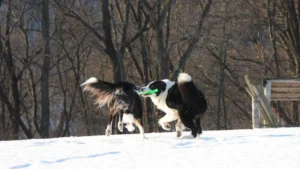
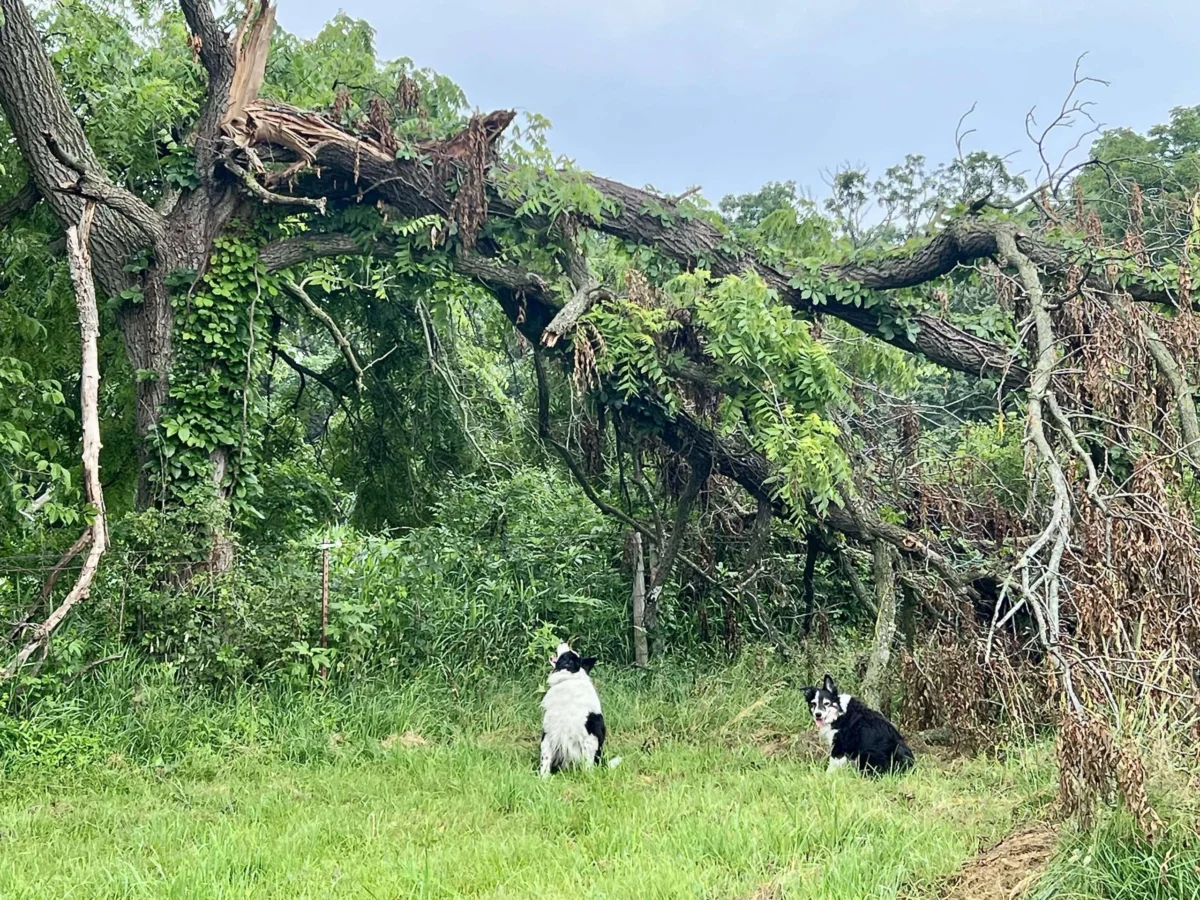
The realities of rural life have been punctuated by the changing seasons and the challenges of nature. A recent, violent windstorm caused significant damage to the property, necessitating professional tree service. In the midst of the chaos, the quiet moments—the blooming of the day lilies, the company of colleagues like detective and CSI agent Colleen Michelson, and the ever-present, sometimes grumpy, presence of her dogs—serve as a grounding force.
Even the simple act of trying to photograph the dogs has its hurdles, as Miss Maggie—the "Greta Garbo of dogs"—continues to provide a masterclass in abject misery whenever a camera is pointed in her direction. These small, humorous vignettes serve as a reminder that even for a professional, life with dogs is a process of negotiation, patience, and constant learning.
Final Thoughts: The Path Forward
The core takeaway from Dr. McConnell’s reflections is that training is not a static set of rules, but a living, breathing relationship. To effectively teach our dogs, we must first learn to listen to them.

"May you have a warm and loving couple of weeks," Dr. McConnell concludes, adding a characteristic touch of humor, "and may you always know where your dog pooped."
As we move through the rest of the summer, the challenge remains for all dog owners: to take a step back, observe the subtle cues our dogs provide, and ensure that our version of "positive reinforcement" is one that our dogs find truly reinforcing. By doing so, we not only improve our training outcomes but also deepen the bond of trust that defines the human-canine connection.