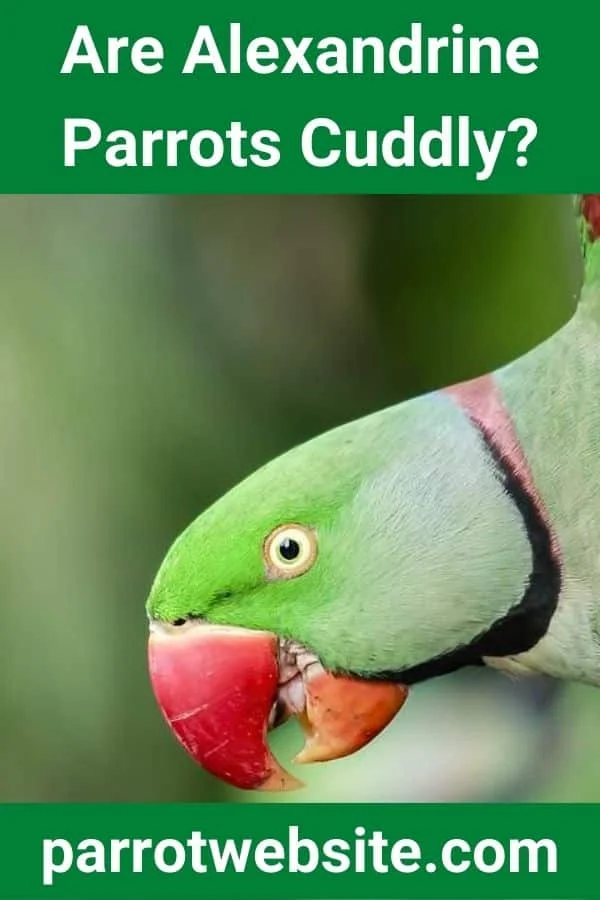
Losing a feathered companion is a profound experience that leaves a palpable void in the home. For many bird enthusiasts, the silence that follows is a call to research potential new companions, seeking to fill the space left by a beloved friend. Among the species often considered by prospective owners is the Alexandrine parakeet (Psittacula eupatria), a majestic, intelligent, and visually striking bird. However, as with any avian species, understanding their behavioral profile—specifically their capacity for physical affection—is paramount for a successful human-animal bond.
Main Facts: Understanding the Alexandrine Temperament
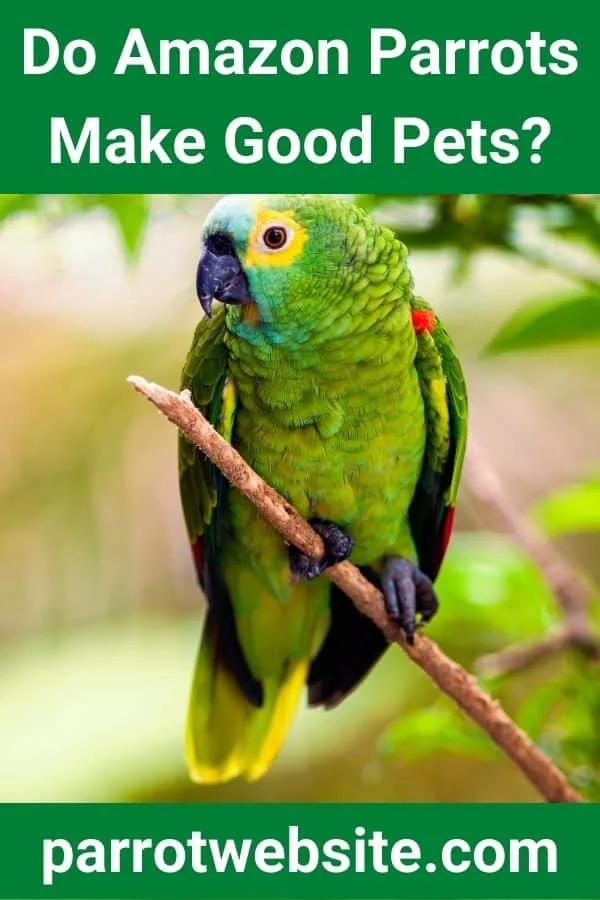
The Alexandrine parrot is a medium-to-large parakeet known for its regal appearance, characterized by a vibrant green plumage, a distinct red patch on the shoulders, and, in males, a prominent neck ring. Beyond their aesthetic appeal, they are highly social, intelligent, and communicative.
A central question for prospective owners is: Are they cuddly? The answer is nuanced. While Alexandrine parrots are deeply affectionate and bond intensely with their human "flock," they are not "cuddle-bugs" in the traditional mammalian sense. Unlike some species that thrive on constant tactile stimulation, Alexandrines often prefer to express their affection through proximity, vocalization, and shared activity rather than physical handling. They are frequently protective of their personal space and may react negatively to having their feathers ruffled or being forced into physical contact.
Chronology of the Bonding Process
Building a relationship with an Alexandrine is not an overnight occurrence; it is a long-term commitment that follows a distinct developmental path.
Phase 1: The Foundation of Trust (Initial Acquisition)
The moment an Alexandrine enters a new home is critical. The bird is likely overwhelmed by a new environment. During the first few weeks, the focus should not be on physical interaction but on "passive bonding." This involves spending time in the same room, speaking softly, and allowing the bird to observe the human as a non-threatening presence.
Phase 2: Engagement and Socialization (The First Year)
Once the bird is settled, the owner must initiate consistent daily interaction. This includes out-of-cage time, mental stimulation, and training exercises. Because Alexandrines are highly intelligent, they require cognitive challenges to prevent boredom. A bird that is bored or isolated is a bird that will develop behavioral issues, including aggression or self-mutilation.
Phase 3: Long-term Maintenance (Lifelong)
The bond with an Alexandrine is dynamic. As the bird matures, its personality will solidify. Throughout its life, the owner must respect the bird’s autonomy. If the bird displays signs of discomfort—such as pinning its eyes, fluffing its feathers aggressively, or shifting away—the owner must retreat. Respecting these boundaries actually reinforces the bond, as the bird learns it can trust the human to honor its preferences.
Supporting Data: Why Personality Varies
Avian psychology suggests that individual personality often supersedes breed-specific traits. Research into Psittacula species indicates that while they share a general temperament—often described as independent and bold—there is significant variance.
- Intelligence and Autonomy: Alexandrines are problem solvers. They view the world through a lens of exploration. Their desire for independence often conflicts with a human’s desire for physical cuddling.
- The "Flock" Mentality: In the wild, parrots maintain distance for safety while remaining in visual or vocal contact. For an Alexandrine, being in the same room as its owner is a profound sign of trust. Many owners misinterpret this lack of physical contact as a lack of affection, whereas, in the bird’s mind, the human has been fully integrated into the flock.
- Tactile Sensitivity: Unlike species such as cockatoos or budgies, which are often "needy" in their desire for tactile interaction, Alexandrines tend to have a higher threshold for personal space. They may allow brief head scratches, but they rarely seek out long-duration cuddling.
Official Perspectives and Expert Guidance
Veterinarians and avian behaviorists consistently emphasize that potential owners must move away from the "pet-as-toy" mindset. According to leading avian care guidelines, the most common cause of failure in parrot ownership is a mismatch between the owner’s expectations and the bird’s natural behavior.
Experts note that "cuddliness" is an anthropomorphic term. If a prospective owner defines affection as "sitting on the couch while the bird nuzzles my neck," they may find an Alexandrine frustrating. However, if they define affection as "a bird that follows me from room to room, whistles when I arrive, and engages in playful interaction," the Alexandrine is an exceptional choice.
Comparison: Alternative Species for Cuddle-Seekers
For those who prioritize tactile, cuddly behavior, avian professionals often suggest considering:
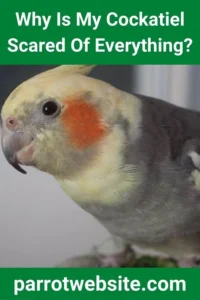
- Cockatiels: Renowned for their gentle nature and willingness to be held.
- Budgies: Highly social and often very comfortable with physical contact when properly socialized.
- Conures: Often described as the "clowns" of the parrot world, many conure species are famously affectionate and enjoy being handled.
- African Greys: While they require an expert-level of care, they are known for forming intense, often physically close bonds with their primary caretakers.
Implications for Prospective Owners
Choosing to bring an Alexandrine parrot into one’s home has significant implications for one’s lifestyle.
Time Commitment
An Alexandrine requires a minimum of 2–4 hours of direct, out-of-cage social interaction daily. This is not optional; it is a requirement for the bird’s mental health. Without this, the bird may develop "screaming" habits or destructive behaviors, such as feather plucking.
Financial and Space Considerations
Beyond the initial cost of the bird, potential owners must account for high-quality, specialized diets (fresh produce, high-quality pellets), regular avian veterinary checkups, and a large, durable cage. Alexandrines are active birds that need room to spread their wings and play.
The Shift in Perspective
Perhaps the most important implication is the need for the owner to adapt their own expectations. The joy of owning an Alexandrine lies in observing its intelligence and its complex, often humorous personality. When an owner stops trying to force the bird to be a "cuddler" and instead learns to communicate in the bird’s own language—through whistles, shared meals, and shared space—the bond becomes incredibly rewarding.
Conclusion
The Alexandrine parrot is a magnificent companion, but it is not a bird for the faint of heart or the casual owner. If your primary goal is to find a pet that will sit quietly in your lap for hours, you might find the Alexandrine’s independent spirit challenging. However, if you are looking for a highly intelligent, interactive, and fiercely loyal companion that will brighten your home with its beauty and personality, the Alexandrine is an excellent choice.
True affection in the avian world is not measured by the length of a hug, but by the strength of the trust built over years of consistent, respectful, and loving interaction. By understanding that these birds show love through their presence and their participation in your life, you can cultivate a deep and lasting friendship that transcends the need for physical touch. Research thoroughly, assess your lifestyle, and remember that when it comes to parrots, the most successful relationships are those based on mutual respect for the animal’s unique nature.