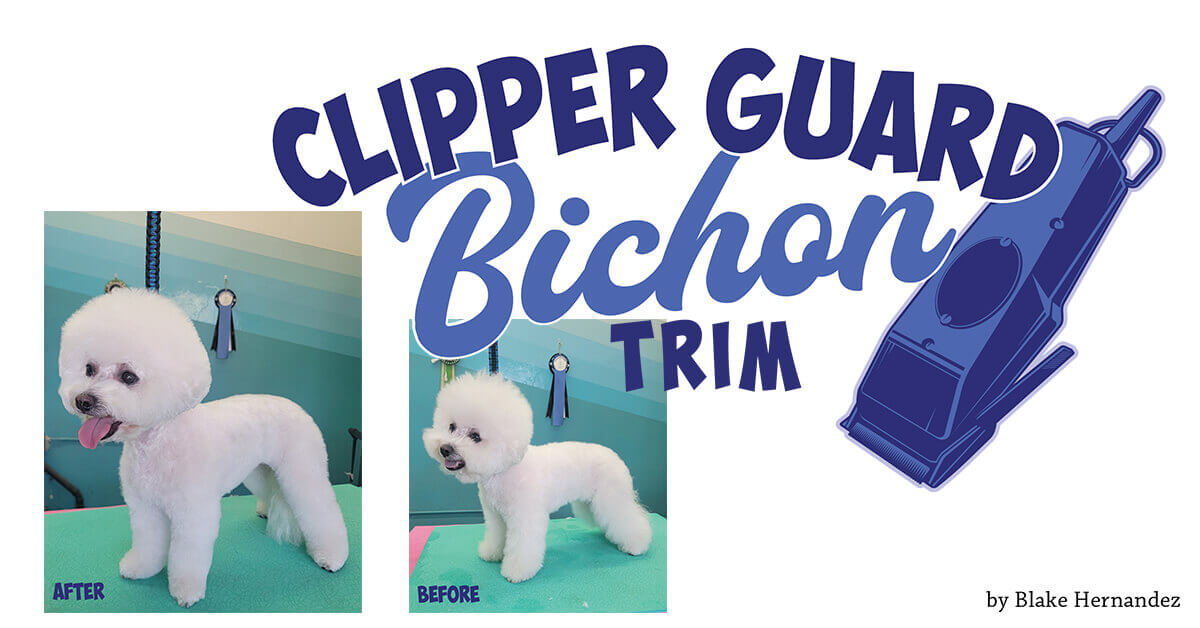
The Bichon Frisé is an icon of the grooming world, synonymous with the classic, cloud-like silhouette that has graced show rings and living rooms for decades. However, the modern pet owner is increasingly prioritizing utility and manageability without sacrificing that quintessential "cute factor." Enter the short and sassy Bichon modification—a grooming style that bridges the gap between high-maintenance show standards and the practical needs of the everyday pet.
Master groomer and industry influencer Blake Hernandez, known for his vibrant personality and appearances in the Netflix series DOGS, has pioneered a technique that simplifies the Bichon aesthetic. Whether you are working with a pedigree show dog or a curly-coated mixed breed, this approach yields a professional, polished finish that is both durable and adorable.
The Philosophy of the "Short and Sassy" Modification
For many Bichon fanciers, the breed’s signature look is a round, teddy-bear face coupled with a plush body. While traditional grooming standards often call for long, time-consuming coat maintenance, the modern approach focuses on efficiency.
"Whether it’s a purebred show dog or a mixed mutt in drag, a round, cute face with a manageable body is a win with most pet owners," says Hernandez. This modification is designed specifically for the client on a six-to-eight-week grooming cycle, ensuring that the dog stays comfortable, clean, and stylish between appointments. By utilizing specific guard combs and scissoring techniques, groomers can achieve a silhouette that retains the breed’s charm while significantly reducing daily brushing requirements for the owner.

Chronology of the Trim: A Step-by-Step Execution
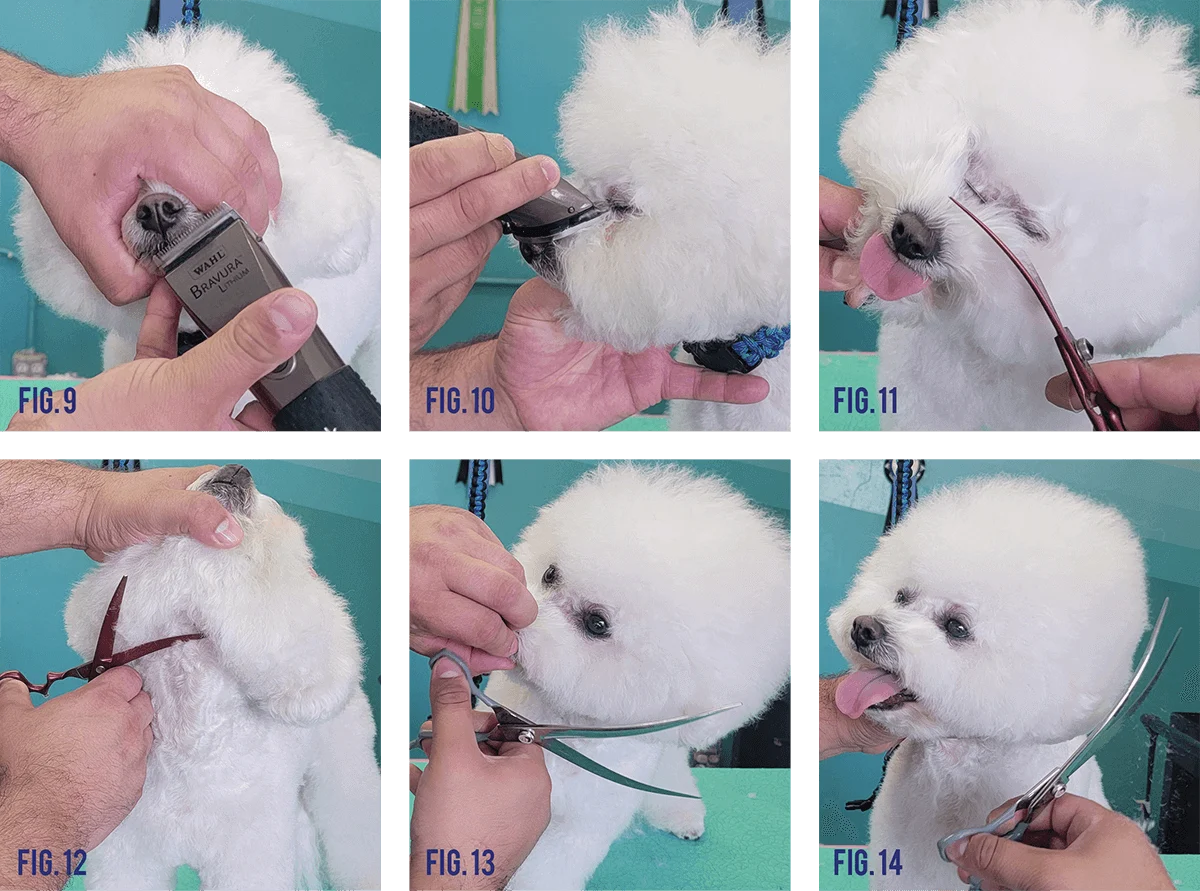
To achieve the desired results, precision is key. Hernandez breaks down the process into fourteen distinct steps, moving from the top line down to the final facial sculpting.
Phase I: The Body and Foundation
- The Top Line: Begin exactly where the shoulder blades meet. For a six-to-eight-week rotation, utilize a 1/2-inch guard comb over a #30 blade. This ensures a consistent, smooth finish that sits flat against the back.
- The Ribs and Brisket: Carry the length established on the top line down through the ribs and underneath the brisket. Maintaining a uniform length across the torso is vital for the "manageable body" look.
- The Throat Latch: Switch to a #5F blade and work in reverse. Start at the dog’s Adam’s apple and move upward toward the throat latch. This creates a clean, tight transition that prevents the "neck-less" look often associated with poorly executed Bichon grooms.
- Rear Angulation: To provide structure, use a 1/4-inch blade to clip from the pin bone down to behind the knee. By taking the hair shorter here than on the main body, you emphasize the dog’s natural angulation.
- Leg Balance: Contrast is essential. While the body is kept short, the legs should be left longer for a balanced look. Use a 1-inch guard comb all around the rear legs to create fullness.
- Front Leg Continuity: Repeat the process on the front legs using the same 1-inch guard to ensure the dog’s proportions remain symmetrical from front to back.
Phase II: Feet, Tail, and Facial Detailing
- Foot Sculpting: Bichon feet should be rounded and soft. Keep the foot flat on the table and scissor around the perimeter to create a tight, clean bevel.
- Tail Management: With the tail held in its natural position over the back, trim away any excess "flyaway" hair that draws the eye away from the dog’s center.
- Lip Precision: Shave the top lip and define one or two lines of hair just beneath the nose on the bottom lip. This detail is crucial for a clean, hygienic mouth area.
- The Stop: Use a #10 blade to clip the stop. This subtle removal of hair highlights the eyes, making them appear larger and more expressive—a hallmark of the Bichon expression.
- Eye Angles: Comb the hair toward the eyes and trim at a 45-degree angle. This keeps the dog comfortable while maintaining the round head shape.
- The Neck Transition: Using curved shears in a reverse position, bridge the gap between the head and the throat latch you previously clipped. This step is the "secret" to separating the head from the body.
- Lip and Cheek Sculpting: Starting at the base of the head, shape a tight lip line and round the hair outward toward the ears.
- The Final Rounding: Once you reach eye level, rotate your shears upward. This motion helps build a perfect, spherical head from every angle.
Supporting Data: Why This Style Works
The popularity of the "Short and Sassy" trim is backed by both aesthetic preference and owner compliance data. According to salon management trends in the pet grooming industry, clients are 40% more likely to keep to a strict six-week grooming schedule if the style they receive is easy to maintain at home.

Furthermore, this technique is highly versatile. Hernandez notes, "Before I had any nice Bichons to practice on, I had tons of curly mixed breeds. I would practice and practice on all sorts of mixes, as long as I could make them fluffy." Because the technique relies on guard combs rather than strictly hand-scissoring the entire body, it is a repeatable, time-efficient method that produces consistent results across various coat types, including Doodles, Poodles, and mixed-breed dogs with similar hair textures.
Official Perspective: The Expert Behind the Clippers
Blake Hernandez has become a household name in the industry, not just for his grooming skills, but for his commitment to education. As a 2020 Barkleigh Honors Seminar Speaker of the Year and co-creator of Groomsource, Hernandez emphasizes that the industry’s future lies in approachable, teachable techniques.

"Grooming should be a positive experience for both the dog and the stylist," Hernandez explains. His work represents a shift away from the "snooty" show-ring exclusivity and toward a more democratic, accessible grooming culture. By simplifying the Bichon groom, he empowers stylists of all skill levels to achieve high-end results without the intimidation factor.
His salon in San Diego, California, serves as the test lab for these styles. By focusing on the "Mr. Approachable" persona, Hernandez has successfully bridged the gap between professional expertise and the average pet owner’s needs.

Implications for the Industry
The adoption of the "Short and Sassy" style has significant implications for professional grooming salons:
- Increased Revenue: By providing a style that requires a recurring 6–8 week appointment, salons can better forecast their revenue and maintain higher client retention rates.
- Standardization: Using specific blade and guard-comb measurements allows salons to offer consistent quality, even when different stylists are working on the same dog.
- Animal Welfare: A shorter, well-maintained coat is less prone to matting. By educating owners on the benefits of this style, groomers reduce the likelihood of painful de-matting sessions, which are a leading cause of stress for both the animal and the groomer.
- Professional Development: For newer groomers, this step-by-step framework provides a roadmap for mastering round-head techniques—a skill that is transferable to many other breeds, including Poodles and Shih Tzus.
Final Thoughts
The modern Bichon groom is a testament to the fact that style does not have to be sacrificed for substance. By following the meticulous, blade-specific techniques outlined by Blake Hernandez, groomers can provide a look that is sophisticated enough for the show ring but practical enough for the suburban household. As the industry continues to evolve, the emphasis on efficiency, comfort, and, of course, the "sassy" factor will undoubtedly remain at the forefront of grooming excellence.