Introduction: The Unintended Road
In the journey of life, we often find ourselves detoured by the very "good intentions" we set for our personal and professional growth. For renowned animal behaviorist and author Patricia McConnell, a recent diagnosis of de Quervain’s Tenosynovitis—an agonizing inflammatory condition affecting the tendons of the thumb and wrist—has served as a stark reminder of the limitations of the human body. As she prepares for the upcoming launch of her latest novel, Away To Me, McConnell finds herself in a race against a body that demands rest, contrasting sharply with the relentless pace of a book tour and the daily demands of farm life.
This article explores the intersection of professional dedication and physical hardship, while revisiting the foundational lessons on canine behavioral health that have defined McConnell’s career.
The Anatomy of an Injury: De Quervain’s Tenosynovitis
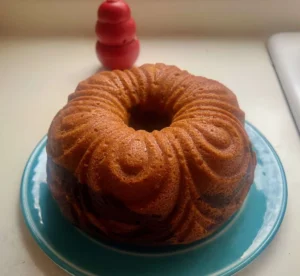
The medical reality facing McConnell is both frustrating and restrictive. De Quervain’s Tenosynovitis, often referred to as "texting thumb" or "mother’s wrist," involves the inflammation of the two tendons in the first extensor compartment of the wrist. For someone whose livelihood depends on typing manuscripts, managing farm operations, and interacting with the public, the treatment—which centers on strict immobilization of the hand—is particularly disruptive.
![The Evolution of Play [revisited]](https://www.patriciamcconnell.com/wp-content/uploads/2026/01/IMG_1061-1.jpeg)
The necessity of resting the wrist has forced a recalibration of daily activities. From the inability to perform simple tasks like operating door knobs or securing a watch, to the more complex challenge of manual writing, the injury serves as a cautionary tale for those prone to overexertion. With a treatment plan involving splinting and a forthcoming cortisone injection, the prognosis suggests a recovery period of two to six months. This timeline creates a logistical challenge for the author, who must now learn to navigate the physical act of signing hundreds of books with her non-dominant hand.
A Chronological Perspective: The Evolution of Play
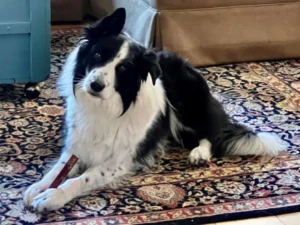
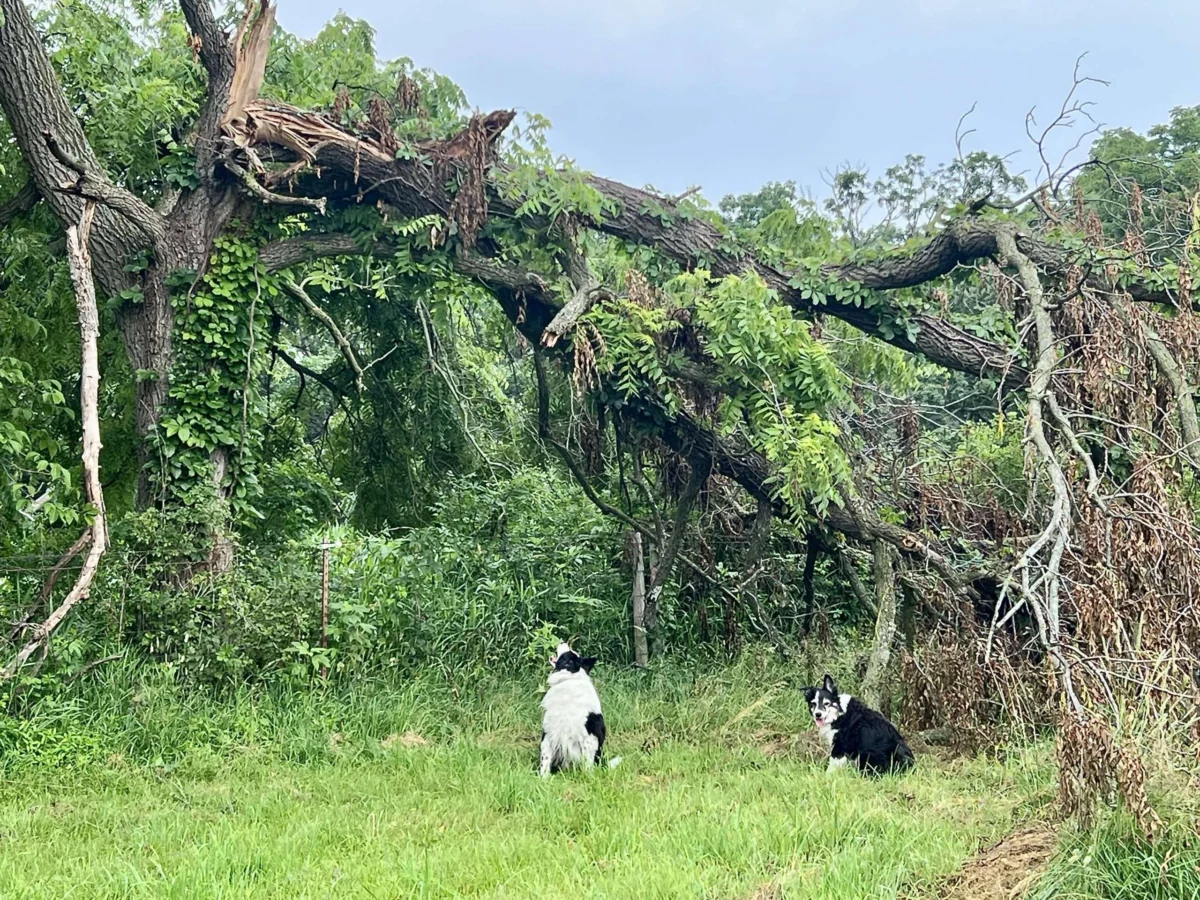
Amidst the current physical challenges, a reflection on the behavior of her own dogs, Skip and Maggie, offers a poignant look at how behavioral dynamics evolve over time. Five years ago, in February 2021, McConnell documented the turbulent integration of Skip, a high-energy dog with a penchant for rough, uninhibited play, into a household with the more refined and sensitive Maggie.
The Initial Friction
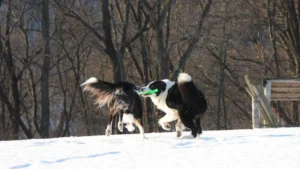
When Skip first arrived, his play style was described as "linebacker-like." He lacked the essential canine skill of "self-handicapping"—the ability of a stronger or more dominant individual to modulate their force during play to ensure the partner remains comfortable. Skip’s tendency to hip-slam Maggie into fences and charge with unchecked momentum quickly turned what was meant to be joyous play into a source of fear for Maggie.
![The Evolution of Play [revisited]](http://www.patriciamcconnell.com/wp-content/uploads/2026/01/IMG_1102.jpeg)
The Road to Harmony
The progression from discord to harmony was not instantaneous; it required a deliberate strategy of management, observation, and conditioning. McConnell’s approach was multi-faceted:
- Observation: Recognizing the subtle signs of canine nervousness and intervening before play escalated into something undesirable.
- Protection: Using recall commands to break up overly physical interactions and ensuring both dogs had the freedom to exit the social space.
- Redirection: Teaching Skip to engage with toys, specifically through games of tug-of-war, which allowed Maggie to utilize her superior agility and speed in a constructive manner.
- Time-Outs: Implementing periods of calm to allow adrenaline levels to subside before resuming social interaction.
This longitudinal success—where the dogs eventually learned to self-regulate—serves as a core case study in McConnell’s broader work, Play Together, Stay Together, co-authored with Karen London.
Supporting Data and Behavioral Insights
The importance of play, as emphasized by McConnell, transcends mere amusement. It is a critical component of physical fitness, social cohesion, and psychological well-being. However, the data suggests that all play is not created equal.
![The Evolution of Play [revisited]](https://www.patriciamcconnell.com/wp-content/uploads/2021/02/IMG_5898.jpeg)
When play ceases to be reciprocal, it can mirror a "bad playground experience," where one party is consistently overwhelmed. The behavioral shift observed in Maggie—who initially refused to walk on certain paths after witnessing Skip suffer an injury—highlights how trauma and emotional association can manifest in complex behavioral patterns. The recovery process, which involved weeks of positive reinforcement to re-associate the environment with safety, illustrates the depth of the canine-human bond and the necessity of patience in behavior modification.
Official Perspectives and Professional Resources
McConnell continues to serve as a bridge between scientific ethology and practical animal management. She advocates for a deeper understanding of play, citing resources such as Dr. Sophia Yin’s behavior site and Jean Donaldson’s Fight!, a definitive guide for managing canine conflict.
The professional consensus remains that owners must be active participants in monitoring play. By providing the "rules of engagement," owners ensure that play remains a tool for bonding rather than a source of anxiety. For those looking to deepen their knowledge, McConnell’s own instructional materials, including her Dog Play seminar, remain vital tools for pet owners navigating the complexities of multi-dog households.
![The Evolution of Play [revisited]](http://www.patriciamcconnell.com/wp-content/uploads/2026/01/IMG_1088-1.jpeg)
Implications: Balancing Work and Wellness
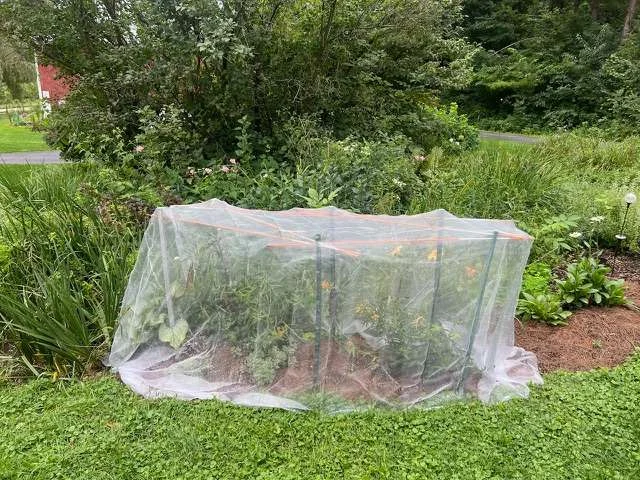
The current situation at the McConnell farm serves as a microcosm for the broader struggle of balancing professional ambition with the realities of aging and injury. The juxtaposition of a Wisconsin winter—with its sub-zero temperatures and the necessity of specialized gear—against the backdrop of a high-pressure book launch underscores the resilience required to maintain a professional career in animal science.
The Authorial Burden
The transition from the solitary, creative act of writing to the public-facing demands of a book tour is significant. As McConnell prepares for her upcoming appearances in Wisconsin and Texas, the pressure to engage with readers is high. The logistical hurdle of signing books with an injured hand has prompted a candid reflection on the nature of publishing. It is a world where the creator must suddenly become the salesperson, a role that requires both stamina and presence.
Lessons in Resilience
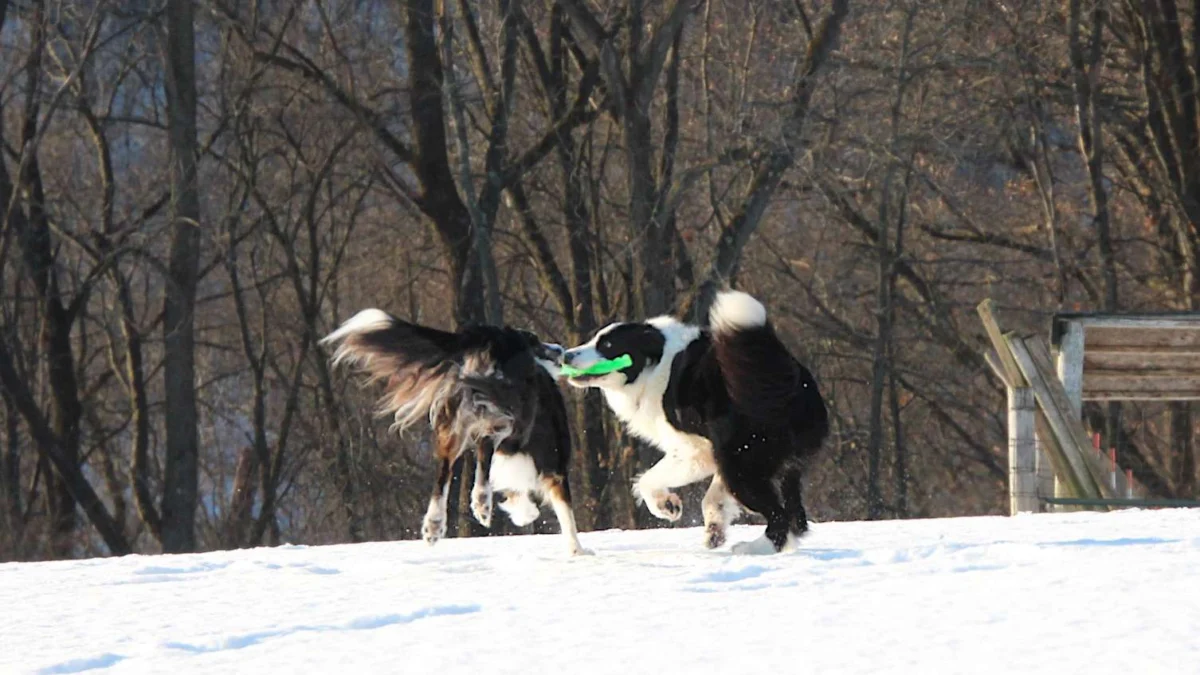
While the injury and the harsh winter present obstacles, the atmosphere at the farm remains one of measured optimism. The sight of Skip and Maggie playing harmoniously in the snow serves as a reminder of nature’s ability to heal and adapt. For the author, this serves as a personal mantra: if the dogs can navigate the complexities of social evolution and physical recovery, so too can she.
![The Evolution of Play [revisited]](http://www.patriciamcconnell.com/wp-content/uploads/2026/01/IMG_1091.jpeg)
Conclusion
Patricia McConnell’s narrative is one of empathy, scientific rigor, and enduring hope. As she navigates her personal health challenges and the promotion of Away To Me, her focus remains on the lessons learned from the animals she studies and loves. Her experience highlights a fundamental truth: whether it is a dog learning to moderate its energy or a human learning to manage physical pain, the path forward is paved with observation, patience, and a willingness to adapt to the unexpected. As she prepares to meet her readers in the coming months, she does so with a renewed appreciation for the simple, transformative power of play—a lesson that resonates far beyond the confines of the farm.