For travelers and locals alike, San Diego stands as a beacon of inclusivity, consistently ranking among the most pet-friendly destinations in the United States. While the city offers a plethora of parks and trails, few locations capture the essence of "canine freedom" quite like Fiesta Island. Nestled within the tranquil waters of Mission Bay, just north of downtown, this sprawling recreational area serves as a premier destination for those seeking an authentic, off-leash experience for their furry companions.
Main Facts: A Haven for Four-Legged Explorers
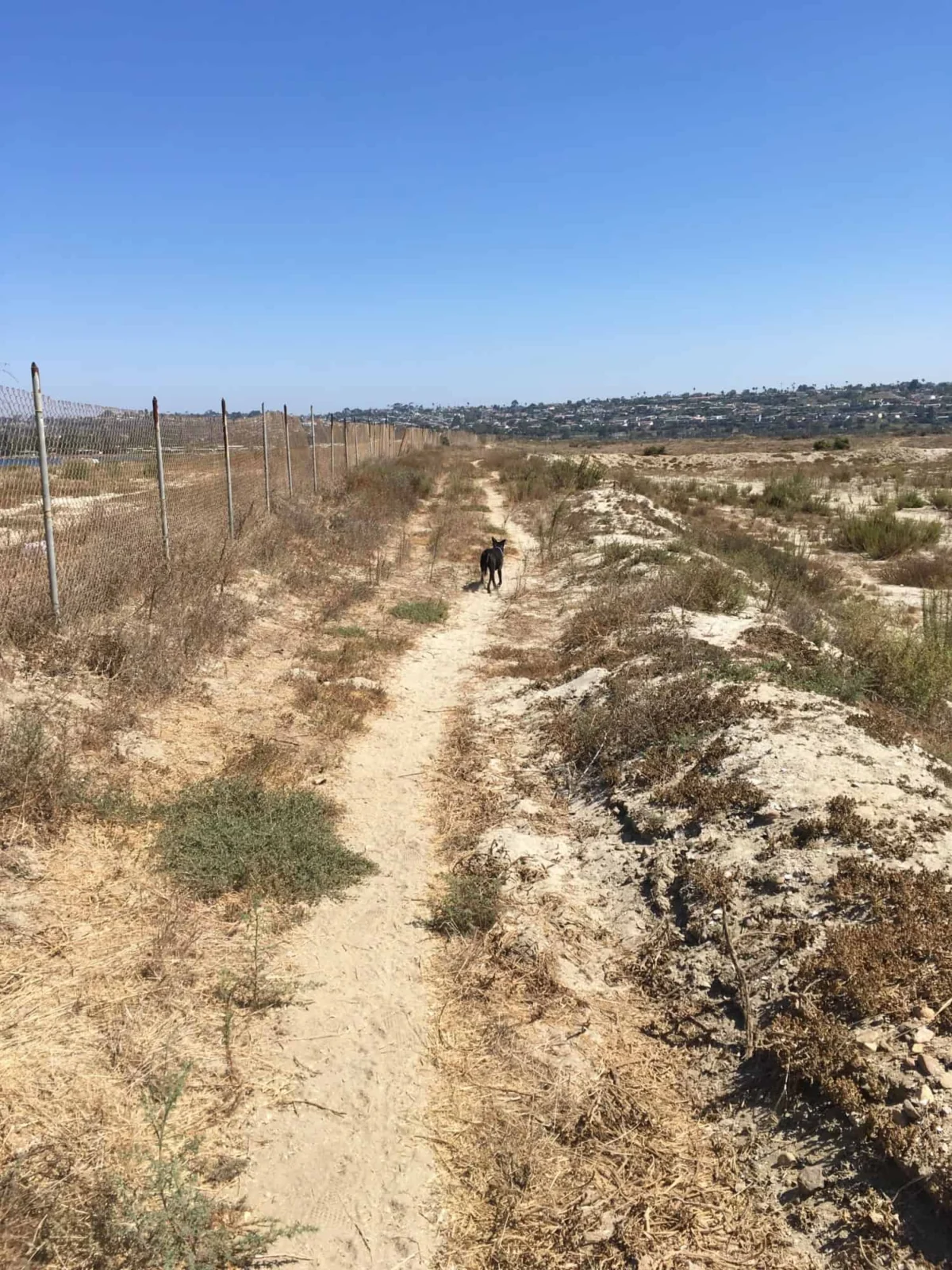
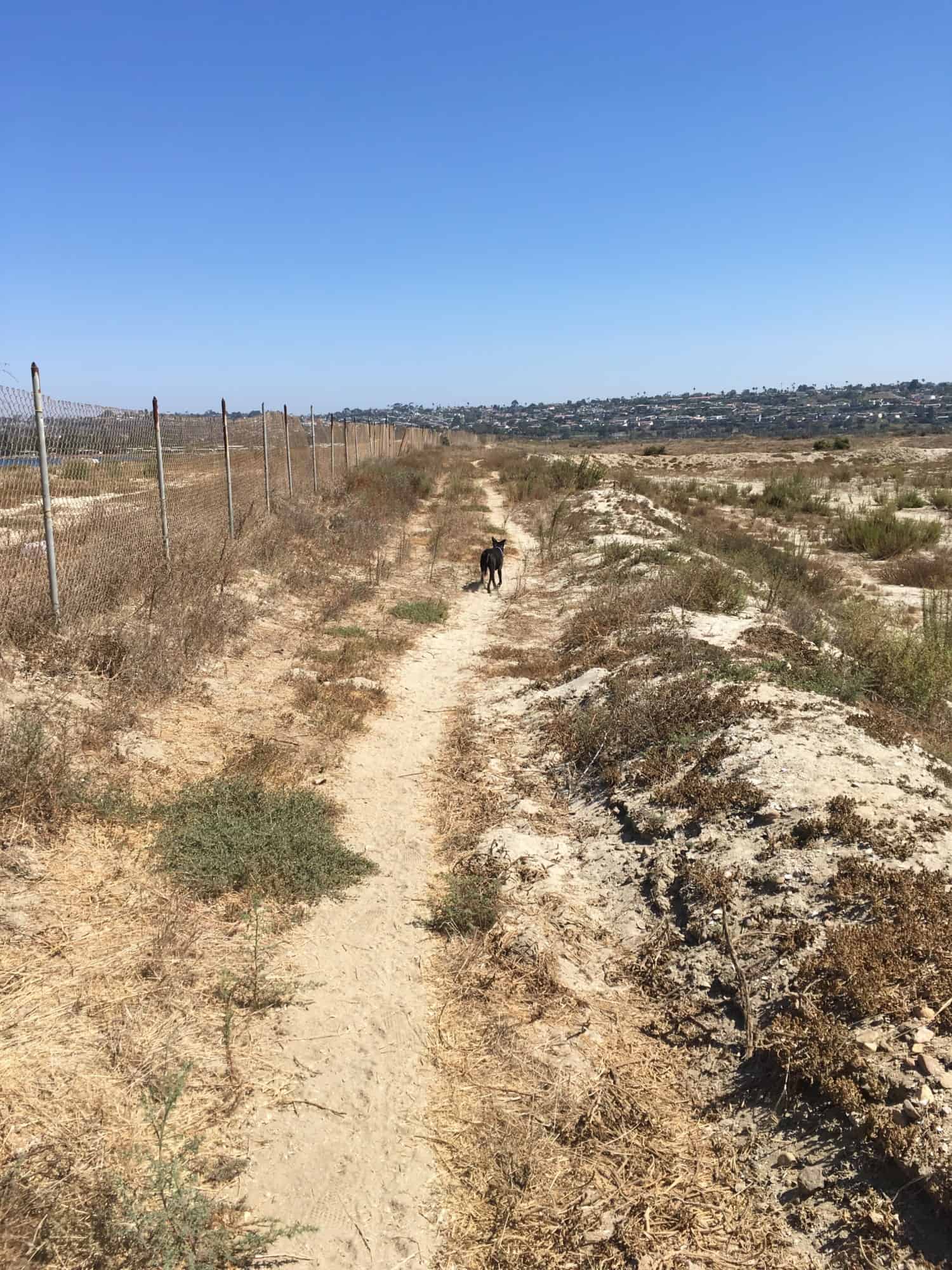
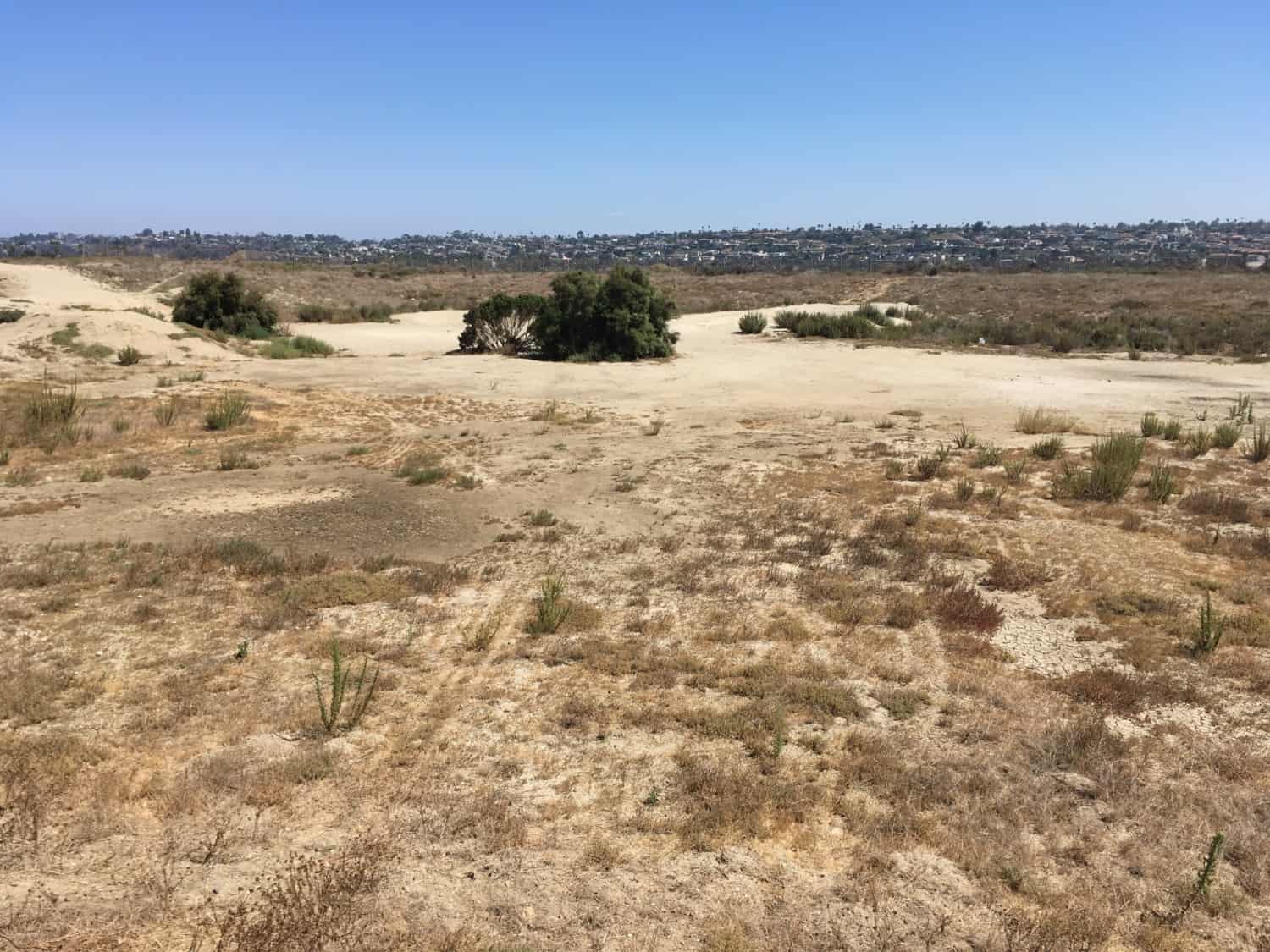
Fiesta Island is not your typical fenced-in neighborhood dog park; it is a massive, multifaceted recreational landscape that spans hundreds of acres. Unlike traditional urban parks, Fiesta Island provides a sprawling, open-environment experience that allows dogs to roam across sandy beaches, navigate gentle inland trails, and splash in the calm, protected waters of Mission Bay.
The island is uniquely accessible, featuring a central paved loop that allows for easy navigation, yet it retains a rugged, natural aesthetic that feels miles away from the urban hustle of downtown San Diego. Perhaps the most attractive feature for budget-conscious travelers is that access and parking on the island are completely free. This accessibility, combined with the sheer size of the space, makes it an indispensable stop for anyone traveling with a dog along the Southern California coast.
A Chronological Guide to Your Visit
To maximize your time on Fiesta Island, it is best to approach your visit with a structured plan, ensuring both you and your pet have a seamless experience.
Morning: The High-Ground Expedition
Begin your day by heading toward the center of the island. Most visitors immediately rush to the water’s edge, leaving the higher elevations of the island’s interior relatively quiet. A short trek to the top of the island’s central hill offers sweeping, panoramic views of the bay and the surrounding skyline. This is an ideal spot for an early morning game of fetch, as the space is vast, private, and allows for excellent visibility of your pet.
Midday: Shoreline Exploration
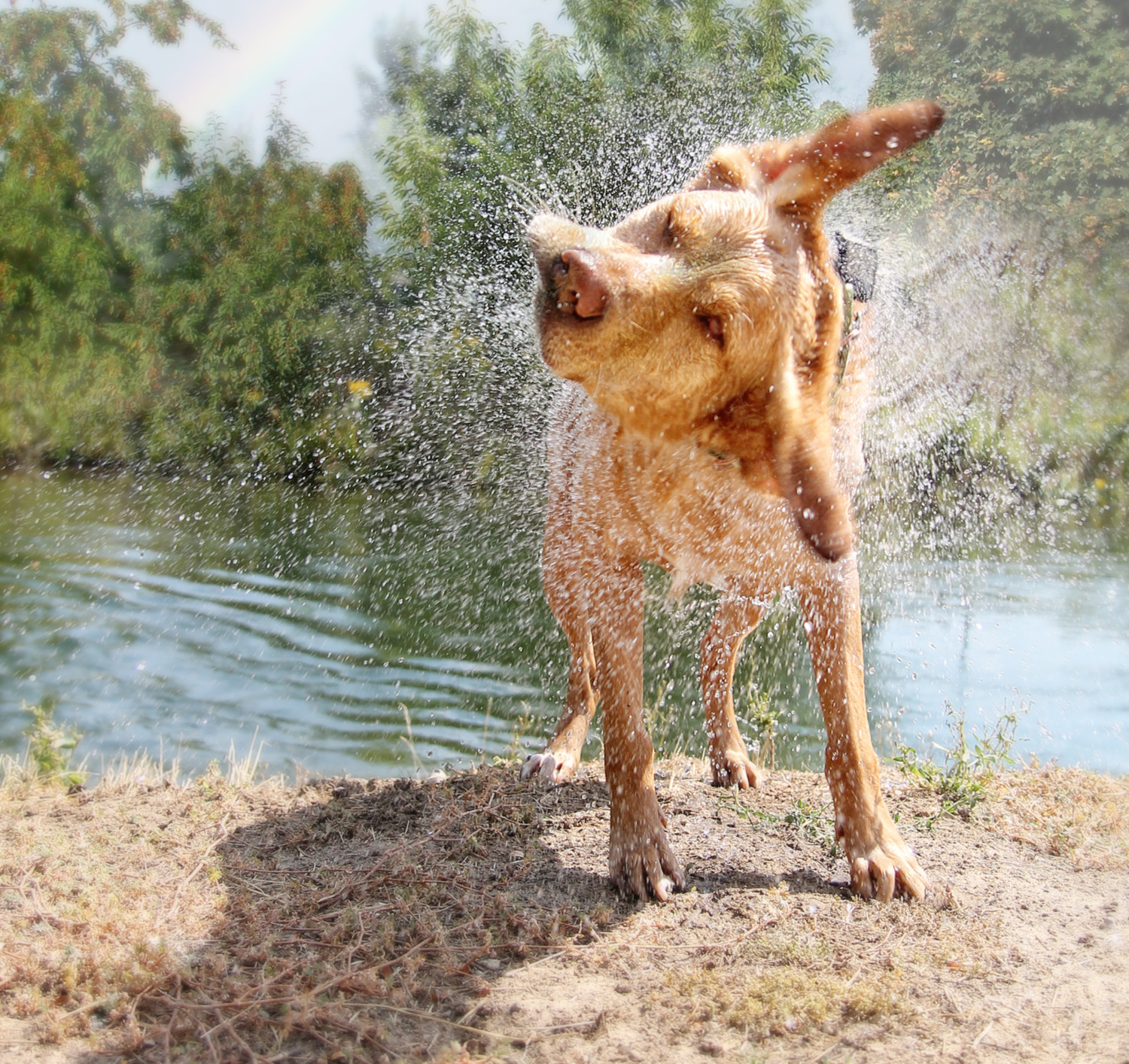
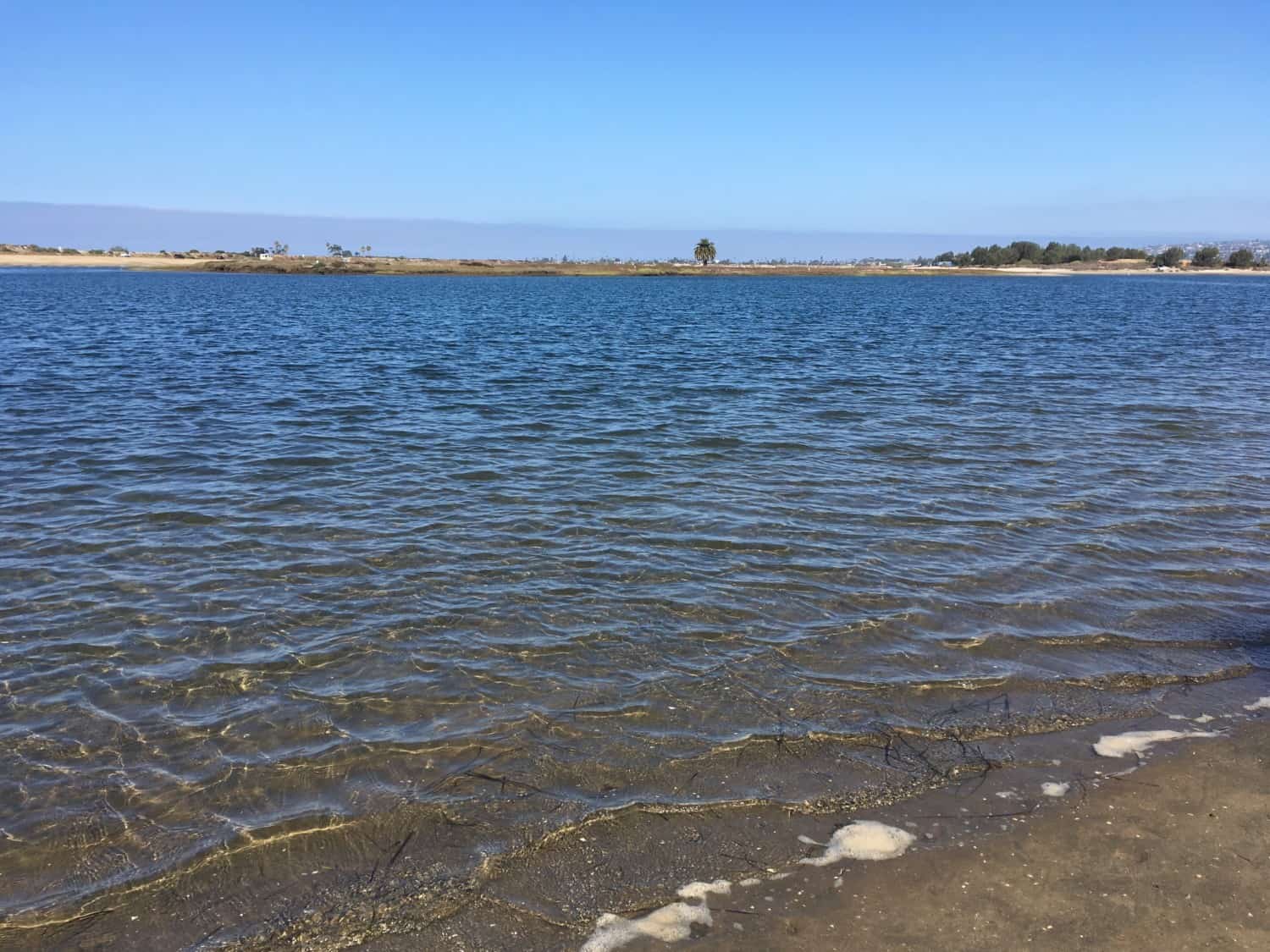
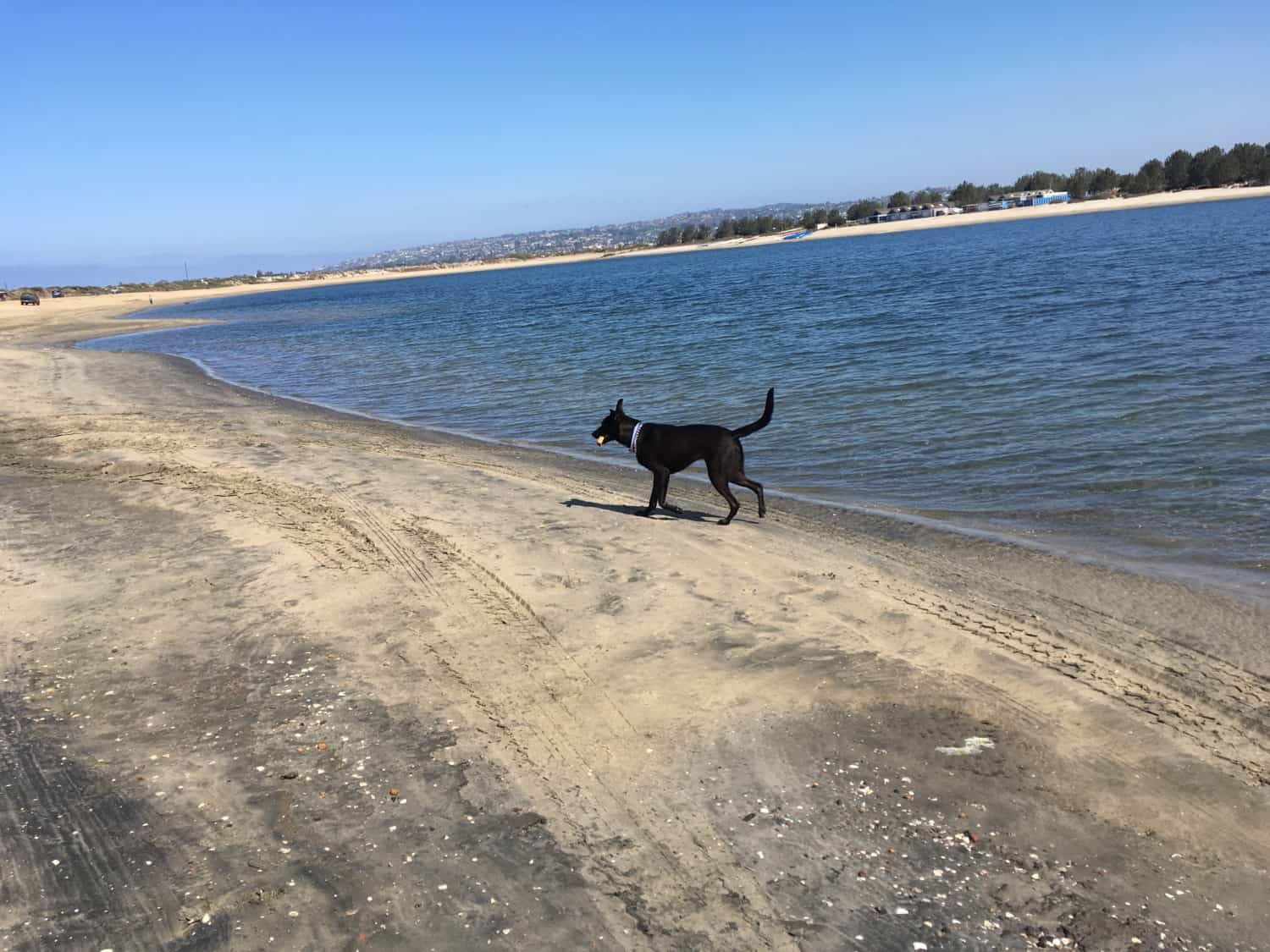
As the sun climbs and the day warms up, make your way down to the perimeter. The island is rimmed with sandy beaches that are perfect for a cool-down dip. Even if your pup is a hesitant swimmer, the gentle, shallow waters of the bay provide a safe environment for them to wade and acclimate to the surf. Remember that while the island is off-leash, the perimeter road is frequently used by cyclists and local commuters. Maintaining voice control over your pet is paramount for safety.
Afternoon: Historical Enrichment in Old Town
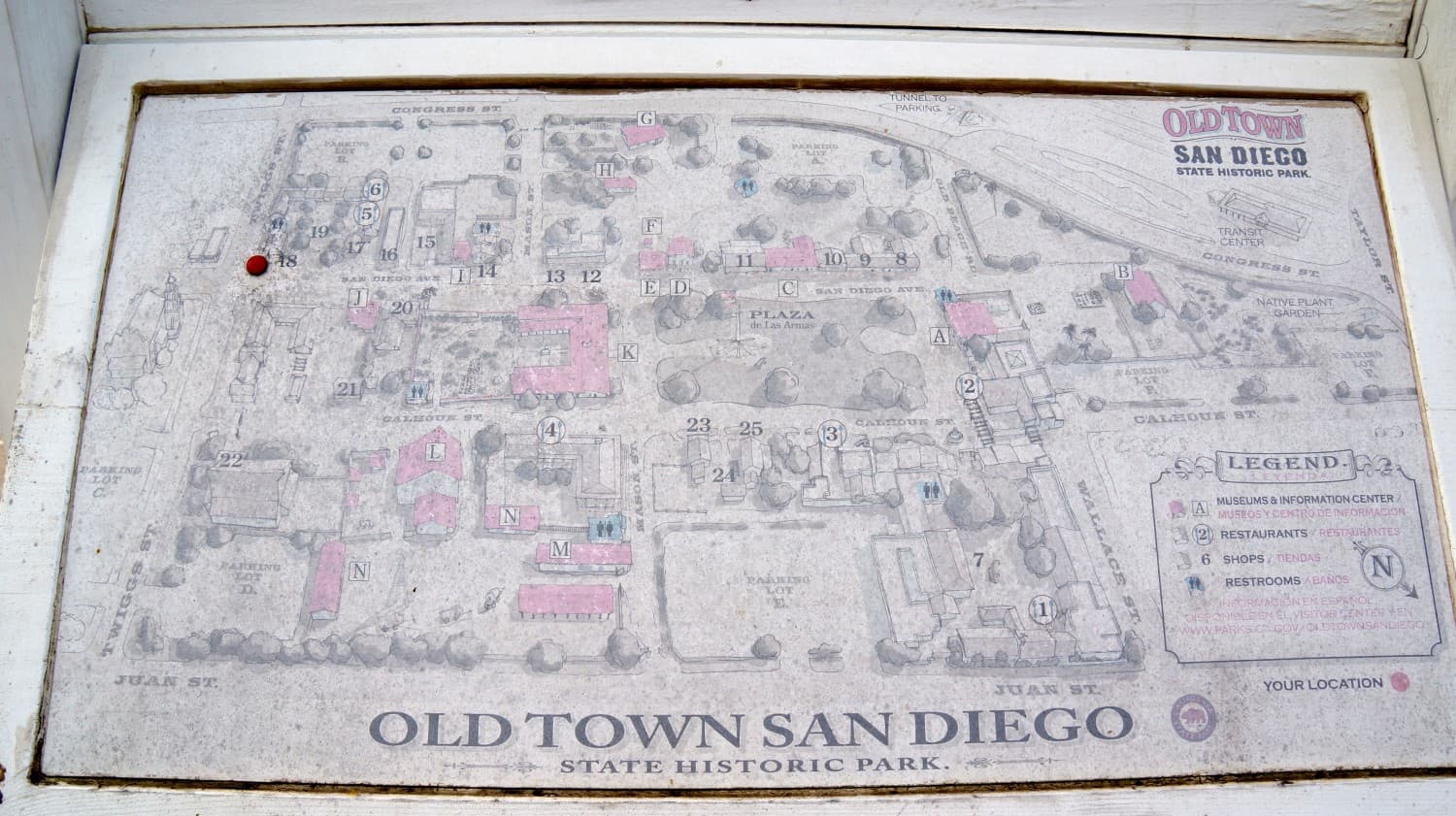
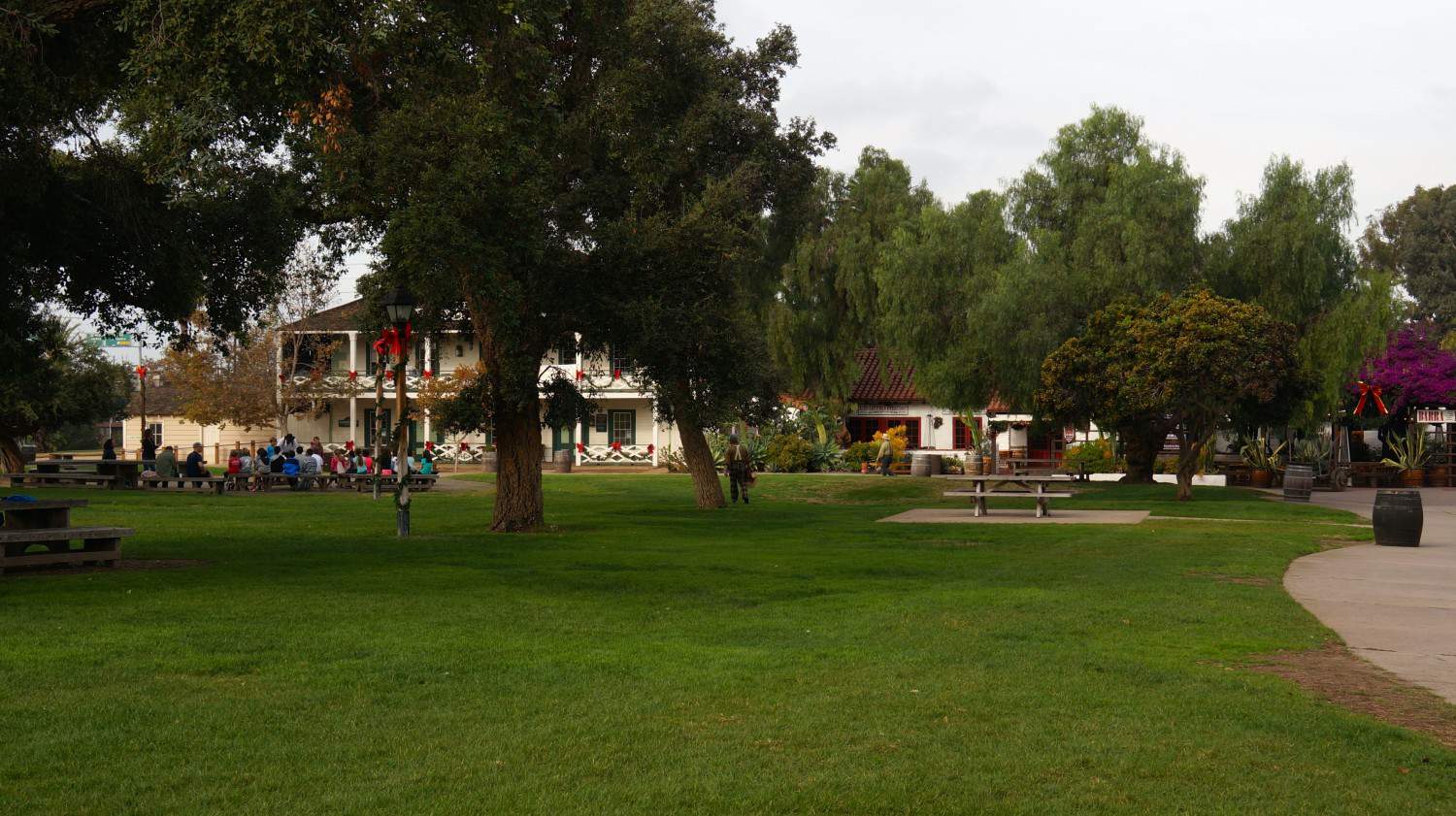
After spending three to four hours in the salt and sand, transition your day from natural beauty to cultural immersion by heading to Old Town San Diego State Historic Park. While the island provides the physical exercise, Old Town provides the historical context of the region. Though dogs are not permitted inside the historic structures, the outdoor plazas and walkways are exceptionally welcoming. You and your pet can stroll through the site of the first permanent Spanish settlement in California, observing living history demonstrations and enjoying the vibrant atmosphere of the historic plaza.
Supporting Data and Essential Logistics
A successful excursion requires careful preparation. Because Fiesta Island is a rustic, natural area, visitors must be aware of the "leave no trace" requirements.
- Amenities: It is critical to note that the island offers very limited facilities. Beyond basic portable restrooms, there is no running water or dedicated trash infrastructure for heavy waste disposal. Visitors should bring their own portable water bowls, hydration for both themselves and their pets, and a surplus of waste bags.
- Accessibility: The main loop around the island is approximately 6 miles. Whether you choose to walk the entire perimeter or park at one of the many designated pull-outs, the island is highly navigable for all fitness levels.
- Safety Protocols: While the speed limit on the island is strictly enforced, the presence of vehicles near the shoreline means that owners must be vigilant. If your dog has a high prey drive or is easily distracted, ensure they are proficient in "recall" commands before allowing them off-leash in areas adjacent to the roadway.
Official Perspectives: Managing Shared Spaces
The City of San Diego’s Park and Recreation Department manages Fiesta Island with a philosophy of "multi-use harmony." By design, the island serves as a home for jet skiers, kayakers, cyclists, equestrian enthusiasts, and dog owners.
City officials emphasize that the success of the island as a shared space relies heavily on the cooperation of the public. The "off-leash" status is a privilege contingent upon responsible ownership. This includes the immediate cleanup of pet waste, which is vital to maintaining the water quality of Mission Bay. Furthermore, local ordinances require that dogs remain under "voice control" at all times. This means that if a dog cannot be immediately recalled when another animal or human approaches, they should remain on a long-line lead to ensure the safety of all park users.
The Broader Implications for Pet Tourism
The existence of a facility like Fiesta Island signals a significant shift in urban planning and tourism. As pet ownership continues to rise, the economic and social implications of "pet-friendly" status become more pronounced for municipalities.
Economic Impact
Cities that invest in off-leash infrastructure, like San Diego, see a measurable increase in "pet-tourism." When travelers plan their vacations, they prioritize destinations where their pets are treated as family members rather than afterthoughts. By providing vast, free-access areas like Fiesta Island, San Diego captures a market of travelers who would otherwise bypass the region for more restrictive areas.
The Social Component
Beyond economics, these spaces foster community. At Fiesta Island, it is common to see locals and visitors intermingling, sharing tips on local pet care, and building a sense of camaraderie. For the dogs, the mental stimulation provided by open-space socialization is invaluable, leading to better-behaved pets and more relaxed owners.
Environmental Stewardship
The popularity of Fiesta Island also serves as a case study in environmental stewardship. Because the island is an open-use area, the impact of human and canine traffic is monitored closely. The ongoing challenge for the city is to balance the preservation of the bay’s natural beauty with the public’s desire for unencumbered access. For the visitor, this implies a duty: the more we respect these spaces—by packing out what we pack in—the more likely it is that such areas will remain open for future generations of pet travelers.
Conclusion: A Blueprint for Adventure
San Diego’s approach to pet-friendly recreation is, in many ways, the gold standard for other coastal cities. By integrating the rugged, untamed beauty of Fiesta Island with the historical and cultural significance of Old Town, the city offers a complete itinerary for the traveling dog owner.
Whether you are navigating the sandy perimeter of the island, watching your dog learn to wade in the gentle waters of the bay, or walking the historic streets of the Old Town plaza, the experience is defined by a sense of freedom and discovery. As you pack your bags and leash up your rescue pup, remember that the best adventures are those shared with our four-legged companions. With proper preparation, a keen eye on safety, and a spirit of respect for the land, your San Diego excursion is destined to be a highlight of your travel portfolio.
For those looking to extend their stay, San Diego offers an extensive list of top-tier dog beaches and parks that further cement its reputation as a must-visit for the adventurous pet parent. Plan your trip, prepare your gear, and prepare to see the coast through your dog’s eyes—there is truly no better way to explore Southern California.