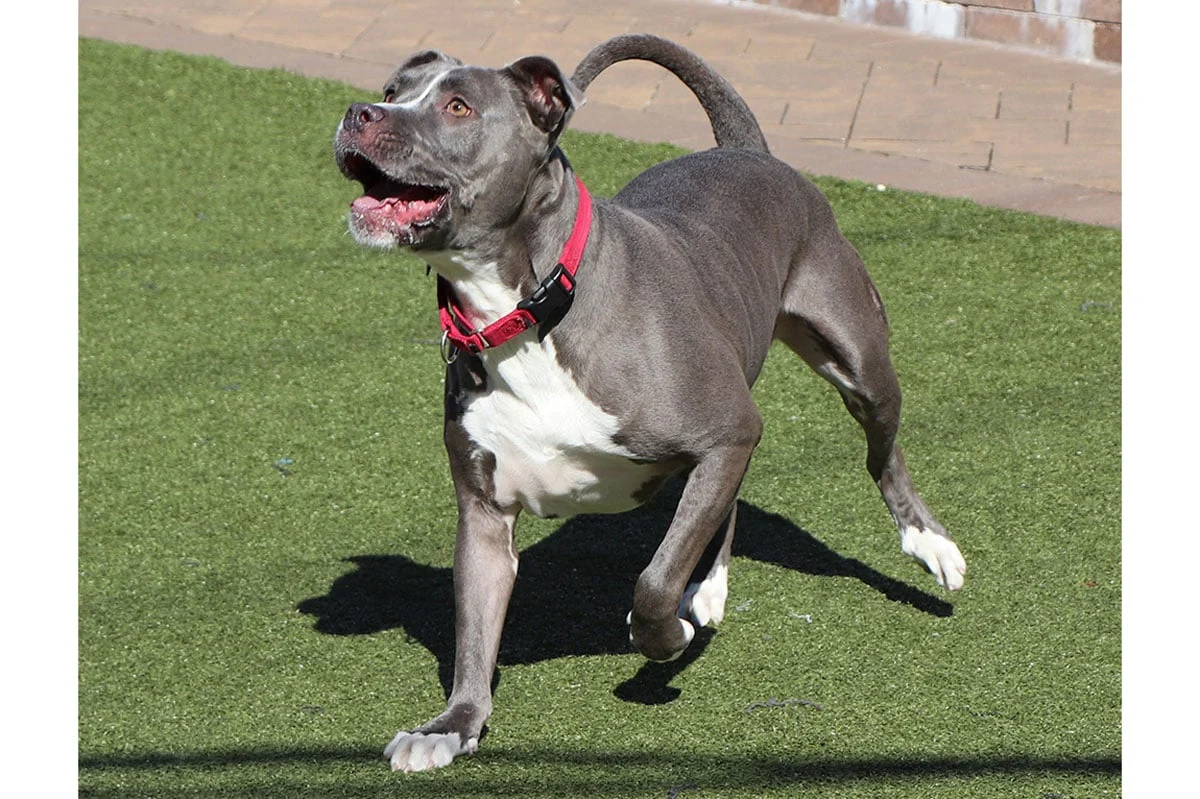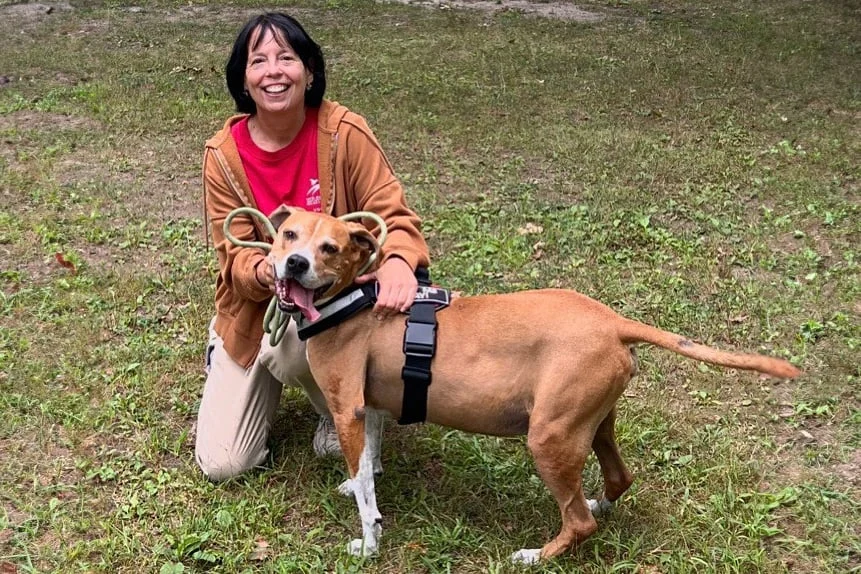
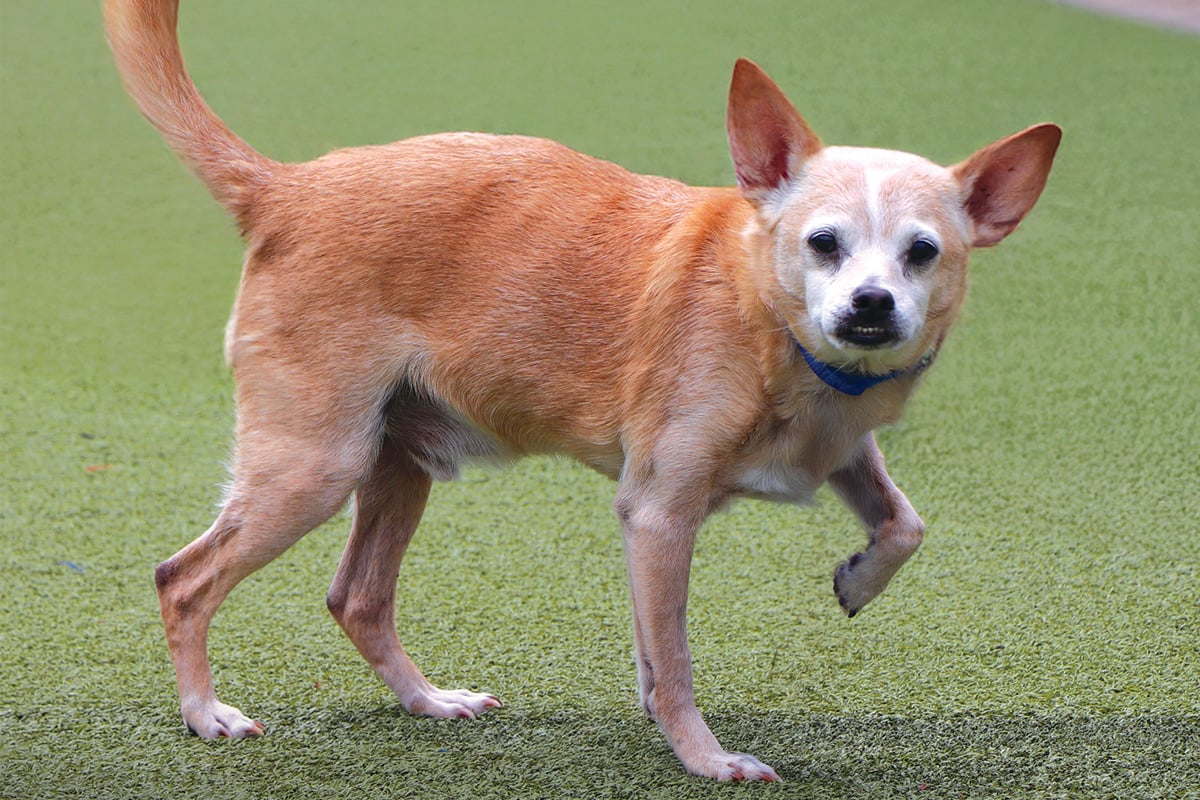
In the quiet corners of animal shelters, time often moves differently. For the animals awaiting their forever homes, days can blur into months, and months into years. For Bernie, a senior dog at North Shore Animal League America’s Port Washington campus, those years were beginning to stack up. After spending nearly two full years in the shelter’s care, the golden years of his life were being spent behind kennel doors rather than on a living room rug.
However, the trajectory of a life can change in an instant, often fueled by the selfless dedication of a single individual. For Bernie, that change agent was Janette, a volunteer whose commitment to the welfare of shelter animals transcended simple walks and playtime, culminating in an act of extraordinary philanthropy that cleared the path for Bernie’s eventual adoption.
The Catalyst for Change: A Volunteer’s Journey
Janette’s journey with Animal League America began in the wake of the global pandemic. Like many, she found herself seeking a sense of purpose and connection during a time of widespread isolation. A lifelong devotee of dogs, Janette had previously adopted a pet from the organization, but she felt a pull to contribute more actively to the mission.
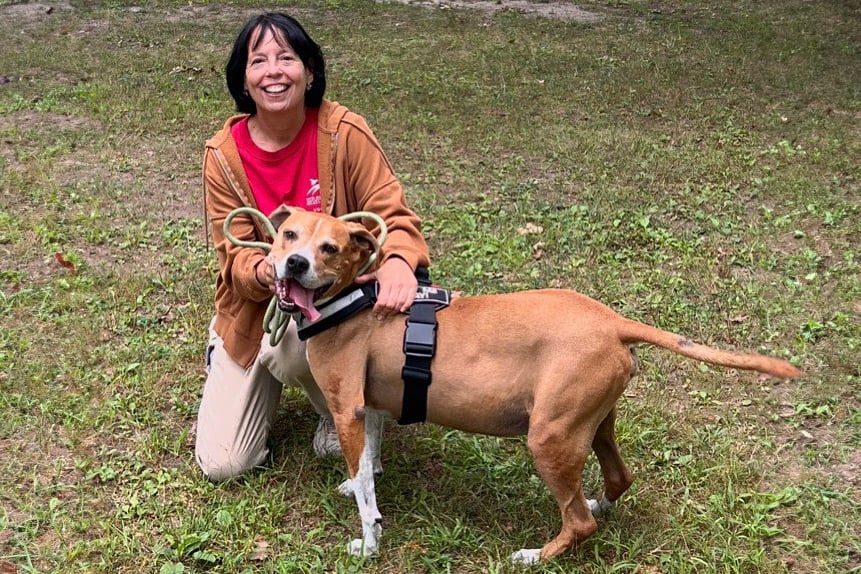
"There is an absolute joy in being there for these animals," Janette reflects. Upon arriving at the Port Washington campus, she wasn’t interested in merely checking boxes; she was determined to make each dog feel seen, valued, and loved. Her volunteerism quickly evolved from a casual hobby into a deeply personal mission. While she interacted with many dogs, her bond with Bernie—an older canine whose age often deterred potential adopters—became the cornerstone of her service.
Chronology of an Unbreakable Bond
The relationship between Janette and Bernie was built on the foundation of consistency. Over the course of their shared time, their interactions grew beyond the confines of the facility. They established a routine that provided Bernie with the psychological stimulation and comfort he so desperately lacked.
- Initial Engagement: Janette began as a standard volunteer, but she quickly gravitated toward the senior dogs, whose needs for quiet companionship resonated with her.
- The Development of Routine: Their walks evolved from exercise sessions into extended outings. They spent hours exploring the quiet neighborhoods surrounding the campus.
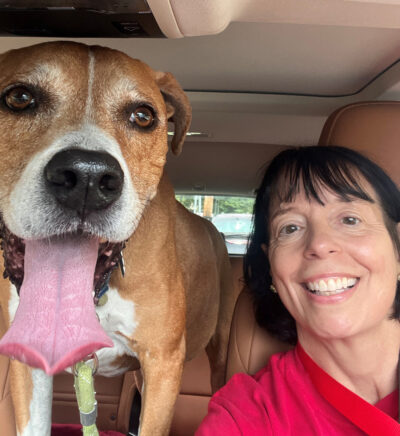
- Deepening Trust: As trust deepened, the pair began spending time in Janette’s car, where Bernie would relax, play with toys, and enjoy the simple, profound comfort of being near a human who cared for him.
- The Turning Point: Recognizing that Bernie’s age was a primary obstacle to his adoption, Janette began to contemplate a more significant, systemic intervention to ensure he would not spend the rest of his life in a shelter.
"I adored that animal," Janette says of their time together. "I wanted to do everything I could to make his life better while he waited for a home."
The Financial Barrier: Why Senior Dogs Struggle
The challenges faced by senior dogs in shelters are well-documented by veterinary and behavioral experts. Adoption rates for geriatric animals are significantly lower than those for puppies or younger adults. The primary barriers are rarely about temperament; they are almost exclusively rooted in the perception of potential financial liability.
Adopters often fear the "hidden costs" associated with older animals, such as chronic health conditions, the need for specialized diets, or expensive medication regimes. This hesitation often leaves senior dogs in a state of purgatory, where they are healthy enough to live happy lives but perceived as "too expensive" or "too high-risk" by the average visitor.
Janette, having worked closely with the shelter staff, understood this dynamic perfectly. She realized that while Bernie was an ideal companion, his medical file was a deterrent for families working within a budget. To bridge this gap, she made a monumental decision: she donated $10,000 specifically to cover Bernie’s adoption fees and his long-term medical care. By removing the financial question mark, she effectively cleared the path for his transition to a private home.
Supporting Data: The Impact of Philanthropy on Animal Welfare
The donation made by Janette is not merely a heartwarming anecdote; it is a clinical demonstration of how targeted financial support can slash "length-of-stay" statistics. According to industry standards in animal rescue:
- Barrier Reduction: When adoption fees are subsidized or medical costs are pre-funded, the conversion rate from "interested" to "adopted" increases by approximately 40% for senior animals.
- Psychological Well-being: The stress levels of shelter dogs decrease significantly when they move into home environments, leading to longer, healthier lives.
- The "Volunteer-to-Donor" Pipeline: Research into non-profit organizational behavior suggests that volunteers who transition into donors are the most effective advocates for long-term shelter stability. They provide both the "labor of love" and the "capital of care," creating a sustainable model for the organization.
Official Responses and Organizational Implications
The staff at Animal League America viewed the gesture as a transformative moment for the campus. While the organization provides world-class care, the sheer volume of animals means that individual attention is a finite resource.
"Janette’s gift didn’t just pay for medical bills; it signaled to potential adopters that Bernie was a dog worth investing in," says one shelter representative. "When a donor puts their own resources behind an animal, it serves as a powerful endorsement of that animal’s character and future."
The implications for the shelter are significant. This case has prompted discussions within the organization about creating "legacy funds" for senior dogs—a specialized pool of money dedicated to covering medical costs for animals who have been in the shelter for over a year. It reinforces the idea that the community is not just a source of passive support, but an active partner in the rescue process.
The "Sunshine Maker" Legacy
Today, Bernie is thriving. He is no longer defined by his shelter ID number or the length of his stay. He is, quite simply, a family dog. For Janette, the success of the endeavor has not resulted in her stepping back from her volunteer duties. If anything, her commitment has deepened.
She continues to return to the Port Washington campus, knowing full well that her work involves the inevitable heartbreak of seeing dogs she loves move on. Yet, she maintains a perspective that is essential for all volunteers: "You help them, but they help you, too."
The story of Janette and Bernie serves as a poignant reminder of the power of individual agency. In a world where institutional problems often feel too large to solve, the act of one person choosing to alleviate the suffering of one dog provides a blueprint for change. It proves that while we may not be able to save every animal, we have the power to change the world entirely for the ones we choose to help.
Conclusion: A Call to Continued Compassion
As Animal League America continues its mission, the legacy of this story lies in its repeatability. It highlights that the most effective solutions to animal homelessness are often personal. By combining time, dedication, and financial support, volunteers can dismantle the barriers that keep wonderful animals waiting in the shadows.
Bernie’s life was changed by a Sunshine Maker, but the ripple effects of that generosity continue to benefit the entire shelter population. It is a testament to the belief that with enough patience, love, and a bit of courage to break the status quo, every animal can eventually find the home they deserve.