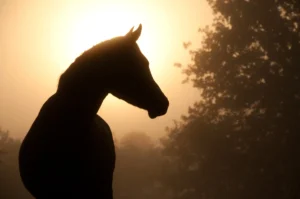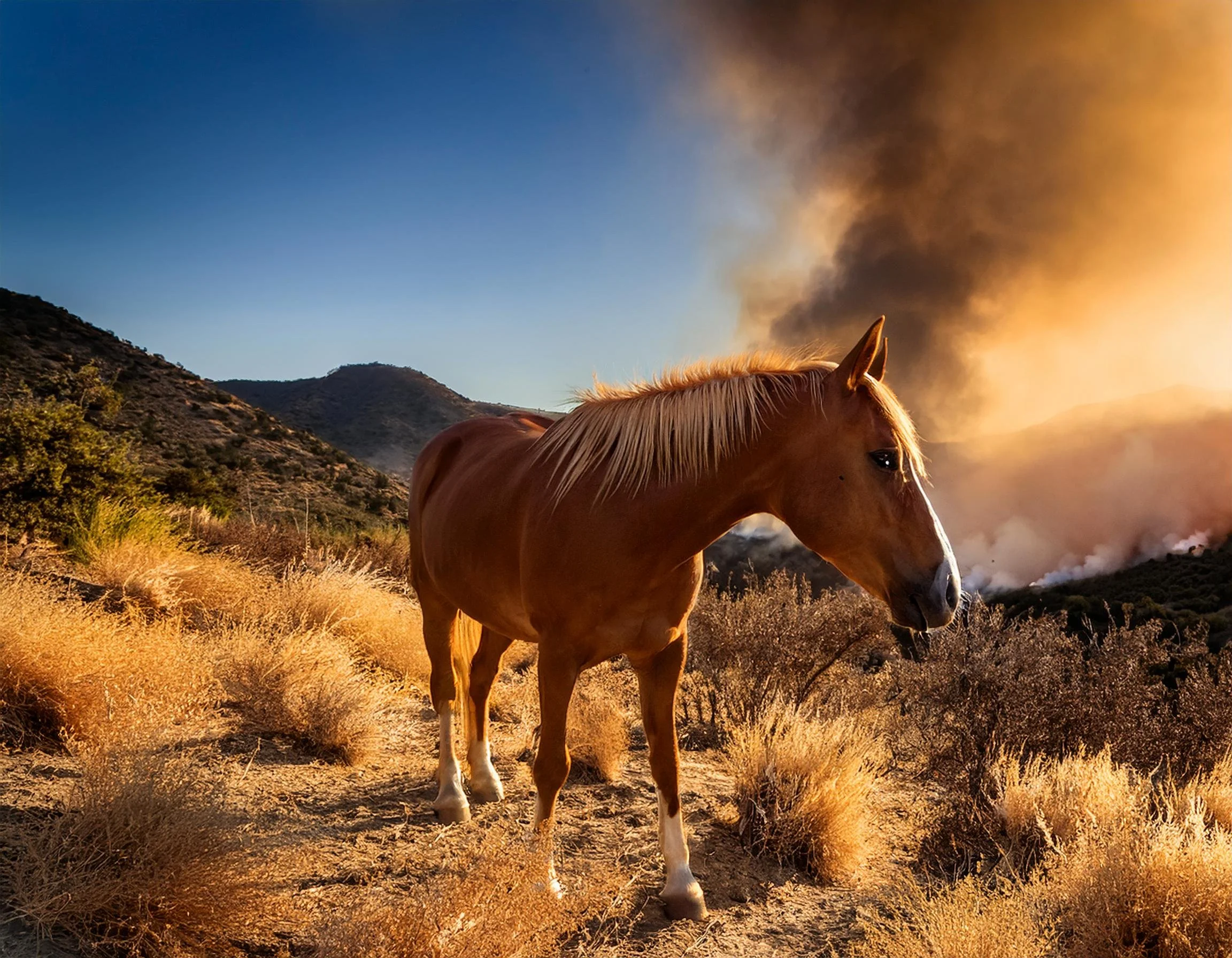
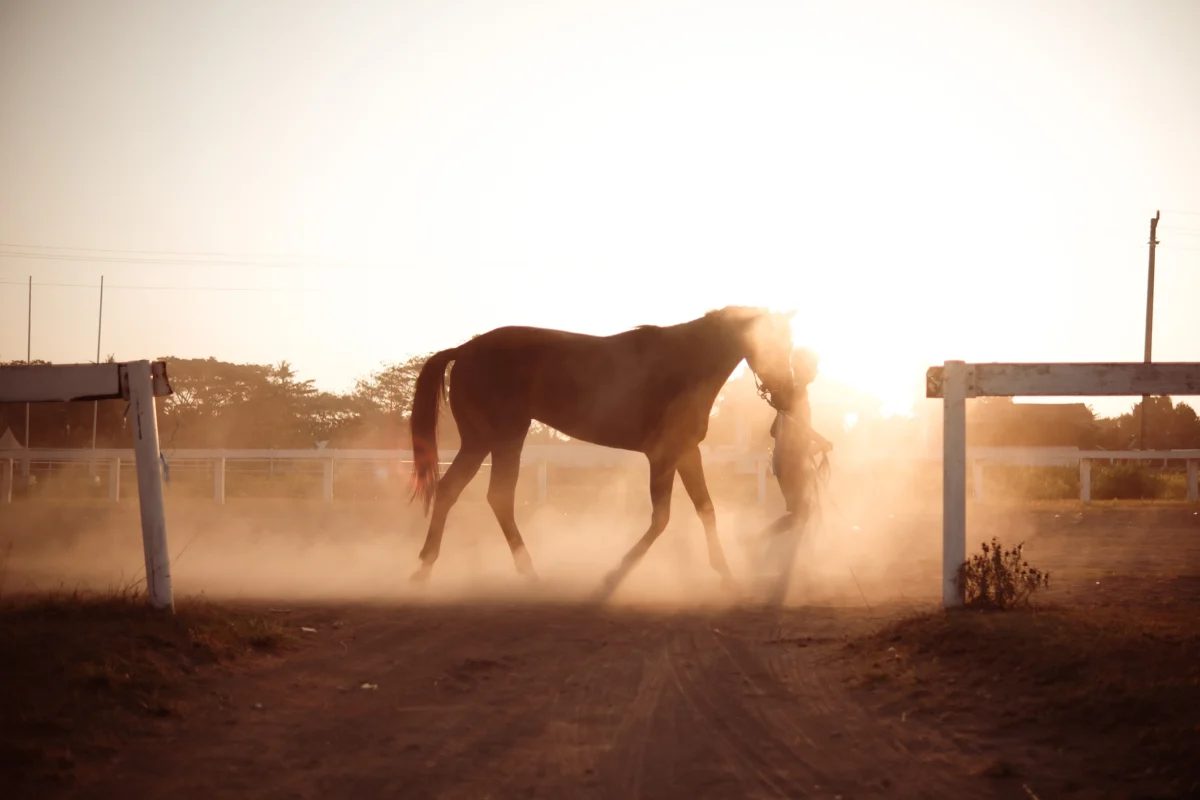
For those on the outside, the racetrack is often perceived as a glittering spectacle of high-stakes betting, thunderous finishes, and the refined elegance of the grandstand. However, behind the manicured lawns and the roaring crowds lies a hidden city: the backstretch. It is a world of sawdust and sweat, early morning mist and the rhythmic clatter of hooves, where the industry’s true heartbeat resides.
In a recent, deeply personal audio documentary episode, a woman who spent her formative years navigating this unique environment offers an evocative reflection on the realities of life in the shedrow. This narrative goes beyond the romanticized version of horse racing, pulling back the curtain on a fast-paced existence defined by grueling labor, emotional volatility, and an unbreakable, visceral bond between human caretakers and their equine charges.
Main Facts: The Anatomy of the Backstretch
The backstretch, or the "stable area," is the operational engine of any major racetrack. It is a self-contained community, often operating on a schedule that defies the traditional nine-to-five. The core facts of this existence are centered on the symbiotic relationship between the horse and the groom, the hotwalker, and the trainer.
- The Early Morning Start: The workday typically begins in the pre-dawn hours, often as early as 4:00 AM, to ensure the horses are exercised while the track surface is optimal and the temperature is cool.
- The Shedrow Culture: This refers to the long, linear corridors of stalls where horses are housed. It is a microcosm of society, filled with transient workers, seasoned professionals, and families who live on-site, effectively creating a "track town."
- The Emotional Toll: The documentary highlights that the backstretch is not just a workplace; it is a life cycle. Successes—a win in a maiden special weight race—are celebrated with fervor, while injuries or losses are met with a profound, often private, grief.
Chronology: A Life Shaped by the Shedrow
To understand the backstretch, one must view it through the lens of a developmental arc. For the narrator of this episode, the racetrack was not merely a backdrop for a hobby; it was the primary classroom of her youth.
The Childhood Imprint
The narrator recounts her earliest memories as being inextricably linked to the scent of alfalfa and the sound of heavy iron gates sliding open. Growing up on the backside, the concept of a weekend was nonexistent. School holidays were spent learning the nuances of horse behavior—reading ears, anticipating a spook, and understanding the specific, nuanced language of equine body language.
The Rite of Passage
As she transitioned into her teenage years, the reality of the labor-intensive nature of the industry set in. The backstretch is an egalitarian environment where status is determined by one’s ability to handle a thousand-pound animal with calm precision. The chronology of her maturation involved moving from observing chores to performing them: mucking stalls, applying poultices, and learning the delicate art of cooling out a horse after a vigorous gallop.
The Reflective Perspective
Now, looking back from a distance, the narrator synthesizes these experiences. She notes that the "magic" many outsiders perceive is actually the result of a rigorous, repetitive discipline. The narrative arc moves from the wide-eyed wonder of a child to the hardened, appreciative perspective of an adult who understands that the "magic" is actually the manifestation of human devotion.
Supporting Data: The Science of Equine Care
The infrastructure of the backstretch is supported by a sophisticated network of veterinary science and husbandry. The modern shedrow is increasingly focused on the intersection of performance and wellness.
The Physical Demands
Data suggests that the average Thoroughbred is one of the most monitored athletes in the world. From heart rate monitors during workouts to specialized dietary tracking, the horse in the shedrow is a data point in a broader quest for peak performance. However, the narrator emphasizes that data cannot replace intuition. The "feel" of a horse—the subtle change in gait or the slight drop in appetite—remains the most important diagnostic tool in a groom’s arsenal.
Veterinary Innovation
The demands of the racing environment—constant exposure to the elements, the rigors of training, and the sensitivities of a high-performance coat—require specialized care. This is where industry partners, such as the creators of the EquiShield® line from Creative Science, play a critical role. By developing veterinarian-grade solutions to manage skin and coat challenges, these entities ensure that the horses remain not only competitive but comfortable. Such products address the "common challenges" of the backstretch, providing a layer of protection that allows the horse to focus on training rather than irritation or discomfort.
Official Responses: The Industry Perspective
The racing industry has long grappled with how to represent the backstretch to the public. Official organizations, such as the National Thoroughbred Racing Association (NTRA) and various state racing commissions, have increasingly pushed for more transparency regarding the quality of life for both workers and horses.
"The backstretch is the heartbeat of our sport," says a representative from a leading racing foundation. "When we discuss the future of horse racing, we aren’t just talking about the tracks; we are talking about the people who live and breathe this work. Stories that highlight the human element are vital for bridging the gap between the public and the reality of our sport."
Critics, however, argue that the industry must do more to support the migrant and transient workforce that populates the backstretch. Organizations like the Backstretch Employee Service Team (BEST) and similar chaplaincy programs are now essential fixtures, providing medical, dental, and social services that ensure the humans of the backstretch receive the same care they provide to their horses.
Implications: The Future of the Shedrow
What does the future hold for the world of the backstretch? The implications of the narrator’s story are twofold: one, the need for continued humanization of the industry, and two, the importance of technological and veterinary integration.
Humanizing the Horse Industry
As the public becomes more concerned with animal welfare, the narrative of the backstretch must shift toward transparency. By sharing stories of deep, authentic connections between caretakers and horses, the industry can counter the narrative that racing is purely transactional. The emotional investment of the groom is the strongest argument for the high standard of care these animals receive.
Adapting to Modernity
The backstretch is currently at a crossroads. As technology continues to infiltrate every aspect of training, there is a risk that the "art" of the shedrow—the intuition and the personal touch—could be lost. The challenge for the next generation will be to balance the data-driven requirements of modern racing with the traditional, time-honored methods of horse husbandry.
A Lasting Legacy
The episode concludes on a poignant note: the backstretch is a place where you learn about yourself through the medium of the horse. The grind, the sweat, and the early mornings are not merely costs of doing business; they are the crucible in which character is forged.
For those who have lived it, the shedrow is more than a location—it is an identity. Whether it is managing a horse’s coat with the latest dermatological solutions or simply spending an extra ten minutes walking a horse to calm its nerves, the work is defined by a singular purpose: the welfare of the animal.
As the industry moves forward, the lessons from the backstretch remain clear: success is not measured solely in trophies or betting pools. It is measured in the quiet moments in the shedrow, the mutual respect between species, and the unwavering dedication of those who ensure that, no matter the season or the challenge, the horse always comes first.
The story of the backstretch is, ultimately, a story of love—a complex, gritty, and profoundly beautiful devotion that defines the soul of horse racing. Through the reflection of those who grew up in its shadow, we gain a renewed appreciation for the extraordinary efforts that take place long before the starting gate ever swings open.