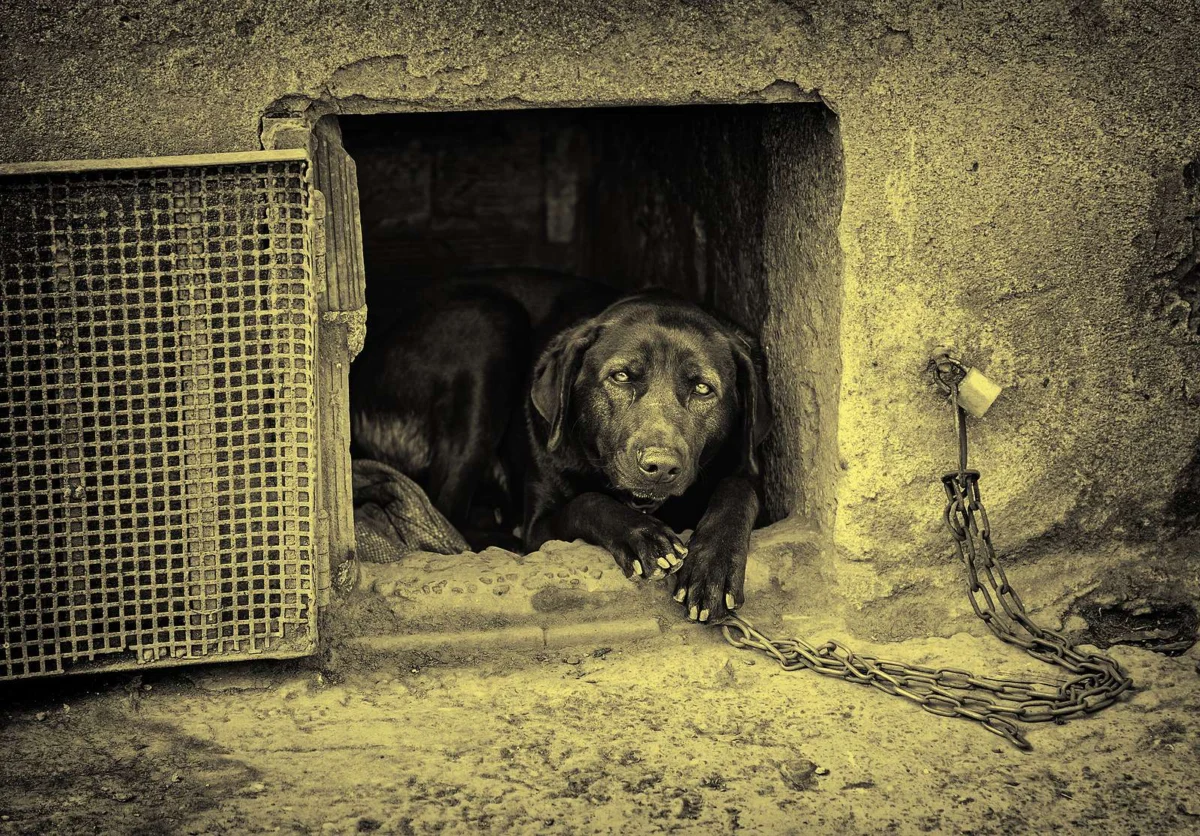
The recent liberation of 1,500 beagles from the Ridglan “Farms” facility has sent shockwaves through the animal welfare community, marking a watershed moment in the national debate over the use of animals in laboratory research. For over a decade, this facility—a massive, multi-million dollar operation—has faced allegations of substandard living conditions and systemic animal abuse. Now, as these dogs begin their transition from life in sterile, cramped wire cages to the warmth of domestic homes, experts are grappling with a critical question: Can a dog raised in such profound adversity truly heal and become a "normal" family pet?
The Anatomy of Trauma: Neurobiology and Resilience
To understand the challenges these beagles face, one must first look at the neurobiology of development. Canine brains, much like human brains, are highly plastic during their early stages. They are designed to be "customized" by their environment.

When a puppy is raised in a sensory-deprived environment—such as a small, wire-floored cage—their brain fails to form the necessary neural pathways for resilience. Structures like the amygdala, which is critical for processing fear and emotional regulation, do not develop the buffering capacity seen in dogs raised in enriched, diverse environments. Consequently, these dogs are not inherently adapted to the stimuli of the outside world.
However, there is hope. While their early environment may have been "canine hell," genetics play a significant role. Beagles were specifically selected for laboratory research due to their docile, stable temperaments. This inherent genetic baseline often acts as a protective factor, allowing many of these dogs to eventually adjust to the rhythms of family life, provided they are given the time, patience, and professional support they require.

A Chronology of Conflict and Liberation
The road to the liberation of the Ridglan beagles was paved with ten years of advocacy and legal battles. The facility, which functioned as a high-volume breeding center for global research laboratories, has long been the target of whistleblowers and former employees who described the living conditions as nightmarish.
- 2014–2023: A decade of persistent complaints regarding sanitation, lack of veterinary care, and psychological distress among the dogs goes largely unaddressed by regulatory bodies.
- Early 2024: Advocacy groups, led by Dane4Dogs and activist Rebekah Robinson, intensify pressure. Evidence is compiled, including video documentation showing dogs exhibiting stereotypical behaviors—spinning in circles and cowering in corners.
- Mid-2024: Following 311 counts of animal cruelty—including reports of surgeries performed without anesthesia—a special prosecutor is appointed.
- The Settlement: Ridglan reaches a deal with prosecutors, agreeing to relinquish its seller’s license by July 1, 2026, to avoid criminal prosecution.
- The Exit: A coordinated, multi-state effort involving the Dane County Humane Society, the Beagle Freedom Project, the Wisconsin Humane Society, and Big Dog Ranch Rescue facilitates the transport and placement of 1,500 beagles.
Clinical Insights: The Path to Rehabilitation
Organizations like the ASPCA, through their Behavioral Rehabilitation Center, have pioneered protocols for helping "shut-down" dogs. Their research underscores that recovery is not a sprint, but a marathon.

Key Pillars of Recovery:
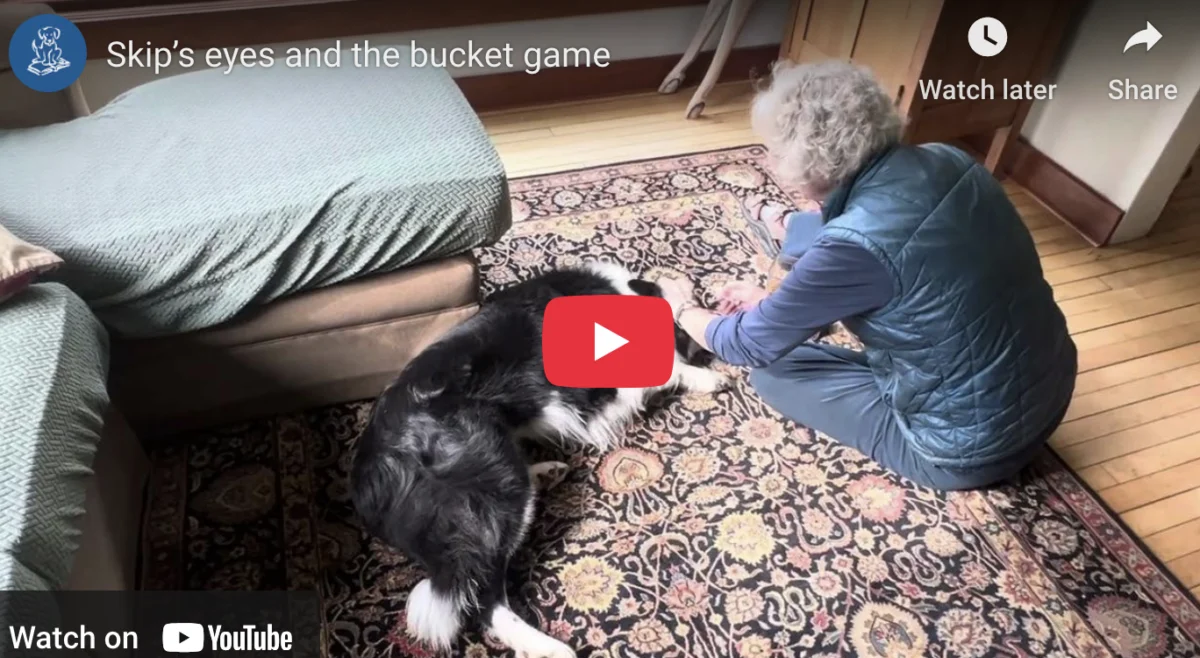
- The "Safe House" Concept: Recovering dogs require a sanctuary—often a crate draped with a blanket—where they can retreat. When they venture out, they should be met with quiet, calm energy rather than boisterous excitement, which can overwhelm a traumatized animal.
- The Power of the Social Model: Perhaps the most important factor in rehabilitation is the presence of a stable, confident dog. A resident dog serves as a guide for the rescued beagle, demonstrating that it is safe to walk through a doorway, approach a human, or explore a new room.
- Predictability and Routine: For a dog that has lived in a state of constant, unpredictable fear, a rigid daily routine acts as a therapeutic tool. It provides a sense of agency and control, allowing the dog to anticipate the day rather than fear the next moment.
- Positive Reinforcement: Conditioning programs must be individualized. Observational skills are paramount; adopters must learn to read the subtle body language of the dog. If a dog turns its head away, it is communicating a need for space. Respecting these boundaries builds the trust necessary for deeper bonding.
The Broader Implications: A Call for Legislative Change
The Ridglan case has sparked a long-overdue national conversation. While the liberation of 1,500 dogs is a cause for celebration, the fundamental question remains: Why does the law allow such conditions to persist for decades?
Current standards, often governed by the Animal Welfare Act, have been criticized as being woefully inadequate. The "status quo" of keeping sentient beings in tiny, wire-floored cages for their entire lives is increasingly viewed as both unethical and scientifically flawed. As public awareness grows, there is mounting pressure on lawmakers to overhaul the regulations governing research facilities and commercial breeding operations.

Experts like Dr. Patricia McConnell, a certified applied animal behaviorist, argue that "when you know better, you do better." The success of this rescue operation proves that society is reaching a tipping point where the public no longer accepts the "industrialization" of animals as a cost of doing business.
A Moment of Reflection: The Resilience of the Human-Animal Bond
While the news regarding the Ridglan facility is heavy, the reality of the post-rescue period is filled with glimmers of hope. In the field, the contrast between the life these dogs once knew and the life they are now finding is profound.

On a personal level, the work of animal advocacy is emotionally taxing, yet essential. As activists and shelter workers continue to place the final 300 dogs, the focus must remain on the long-term commitment required for these animals. They are not merely "lab dogs"; they are individuals with the capacity for joy, loyalty, and companionship.
The liberation of these beagles is a testament to the power of persistent, grassroots activism. From the investigators who documented the abuse to the fosters and adopters who are now opening their doors, this effort represents the very best of human compassion. As we celebrate the success of this liberation, we must also carry the momentum forward into a future where such facilities are a relic of the past, and every dog has the opportunity to experience the freedom of a soft bed, a kind hand, and the simple, profound joy of being a member of a family.

For those interested in the history and ethics of animal research, experts recommend "Lab Dog: A Beagle and His Human Investigate the Surprising World of Animal Research" by Melanie D.G. Kaplan. For those looking to support the ongoing recovery of the Ridglan beagles, resources are available through the Dane County Humane Society and the Beagle Freedom Project.