In the delicate world of canine socialization, human intervention is often the catalyst for success—or the primary cause of friction. For pet owners, the instinct to hover, stare, and monitor every micro-movement during a first meeting between dogs is powerful. Yet, as renowned animal behaviorist and author Patricia McConnell notes, this "primate" urge to stop and watch can create an atmosphere of high tension, signaling potential danger to our four-legged companions.
Whether you are introducing a new playmate to your resident dog or facilitating a pack integration, the strategy remains deceptively simple: keep walking.

The Science of the "Keep Walking" Protocol
When two unfamiliar dogs meet, their initial assessment is driven by visual signals—body posture, tail carriage, and ear position. When humans freeze in place, staring intently at the interaction, they inadvertently add "pressure" to the situation. For a dog, this stillness can feel like a standoff, transforming a casual greeting into a moment of heightened arousal or defensive posturing.
The "Keep Walking" technique serves a vital function: it provides an environmental distraction and creates a sense of forward momentum that discourages prolonged, confrontational staring. By maintaining a steady pace, the owners signal to the dogs that the environment is safe, the situation is routine, and there is no reason for defensive hyper-vigilance.

Chronology of a Successful Meet-and-Greet
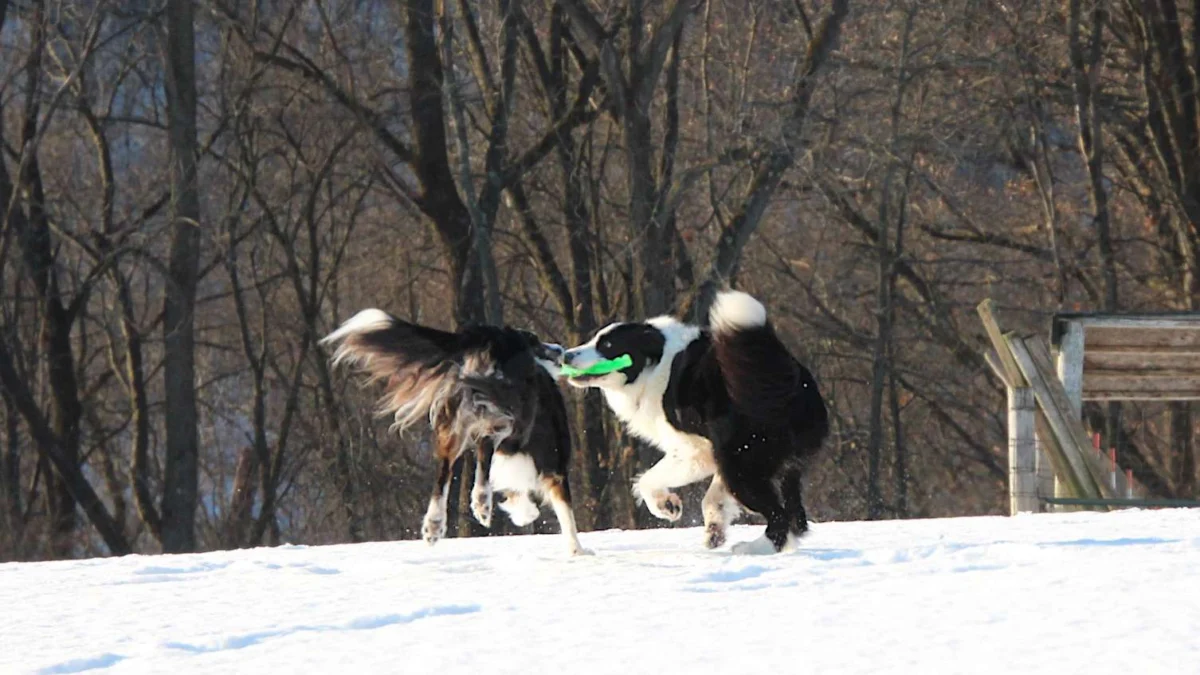
The efficacy of this approach was recently demonstrated in a controlled pasture environment. The interaction involved three dogs: Rocky, a terrier with a bold temperament; Skip, a calm and stable Border Collie; and Leo, a doodle.
- The Initial Encounter: Upon meeting, Rocky displayed typical terrier assertiveness. Skip, the Border Collie, initially extended his nose for a standard olfactory check.
- The Postural Correction: When Rocky attempted to establish dominance, Skip responded with a calm, measured reaction. Rather than escalating the conflict, Skip allowed the social hierarchy to be negotiated through subtle body language.
- The Inclusion Phase: Once the tension dissipated, Leo—the more cautious participant—gained the confidence to approach, positioning himself safely between the established pair.
- The Resolution: By allowing the dogs to navigate their social signals without human verbal interference or physical restraint, the meeting concluded harmoniously.
Lessons from the Field: The "Stink Together" Theory
This behavior isn’t entirely new to those who have followed the long-term development of dogs like Skip. In previous field observations, Skip demonstrated a clear preference for fellow Border Collies, showing initial signs of nervousness—tense muscles, closed mouths, and subtle lip curls—when approached by larger, more boisterous breeds like Golden Retrievers.

The turning point in these social interactions often involves the environment. In one documented instance, Skip was introduced to a Golden Retriever puppy named Ruby. The dogs were initially wary, but the interaction shifted when they discovered a shared, pungent interest: a pile of fox waste.
Following a mutual rolling session, the dogs’ behavioral affect shifted from guarded to relaxed. This anecdotal evidence suggests that shared sensory experiences—often termed the "dogs that stink together, stick together" phenomenon—act as a social bonding catalyst. By allowing the dogs the freedom to engage with their environment rather than forcing a direct, head-on interaction, owners can foster a genuine, long-term camaraderie between their pets.
Implications for Dog Owners: When to Intervene
While the "keep walking" method is highly effective, it is not a universal panacea. Experts emphasize that the safety of the dogs remains the primary constraint.
- The Safety Pre-requisite: This method is only appropriate in neutral, low-stress environments, such as a large, fenced-off pasture where there is ample room for dogs to retreat if they feel overwhelmed.
- Assessing Temperament: If a dog has a history of severe aggression or paralyzing fear, the "keep walking" method should be paired with professional behavioral training. Forcing an interaction in these cases can exacerbate trauma.
- The Human Factor: The hardest part of this protocol is controlling the human, not the dog. Humans must suppress the instinct to intervene, hold their breath, or vocalize anxiety.
Life on the Farm: Biodiversity and Environmental Observations
Beyond the behavioral studies of dogs, life on the farm provides a broader look at the natural world, reminding us of the interconnectedness of our environments. Recent weeks at the farm have been characterized by an influx of insect activity, serving as a reminder of the fragility of local ecosystems.

The Insect Report
From the painful, unexpected sting of a bumblebee to the observation of the white-marked tussock moth caterpillar—notorious for its allergenic hairs—the farm has become a hub for entomological study.
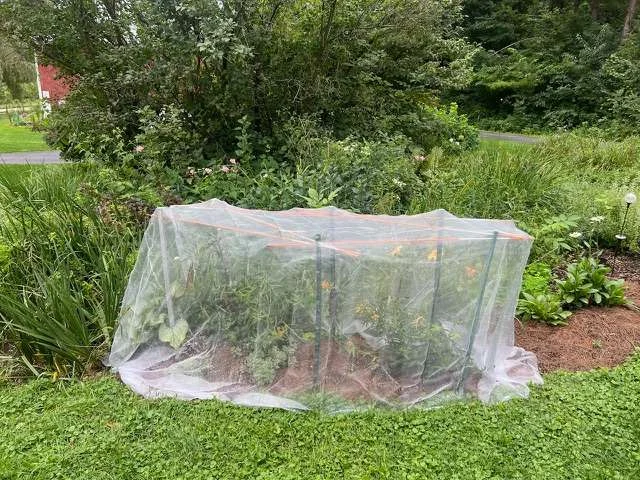
The conservation of the Monarch butterfly remains a focal point. Observations showed a dwindling number of caterpillars on local butterfly bushes, likely due to natural predation by wasps. The implementation of protective netting has allowed for a controlled environment, permitting sunlight and rain to reach the plants while creating a barrier against airborne predators. This small-scale conservation effort highlights the challenges of maintaining biodiversity in an age of shifting climates.

Environmental Shifts and Agricultural Impact
Wisconsin’s landscape is undergoing a transformation, with rainfall patterns becoming increasingly reminiscent of tropical climates. The recent heavy rains have resulted in lush, high-yield pastures that are almost impossible to keep up with, even for livestock.
While the sheep thrive on the abundance of grass, the human challenge lies in managing the land during periods of heavy precipitation. These environmental changes are not just meteorological observations; they are practical hurdles for those managing rural spaces, reflecting the broader impact of global climate change on local agricultural practices.

Conclusion: Cherishing the Small Joys
In a world that feels increasingly unstable, the lessons learned from our pets and our immediate surroundings offer a necessary grounding. Whether it is the quiet, unspoken communication between two dogs sorting out their social order or the quiet growth of a Monarch caterpillar under protective netting, these moments of "normalcy" are essential.
The advice to "keep moving"—both in the context of dog introductions and in the broader scope of our daily lives—remains a powerful metaphor. By choosing to move forward, to let go of the need to exert total control over every situation, and to observe with patience rather than anxiety, we create the space for natural, positive outcomes to unfold.

As we navigate the complexities of our current reality, the recommendation is clear: find your rhythm, keep moving, and cherish the small, silent victories that define the world around us.