

London, UK – [Date] – For many cat owners, playtime is an afterthought, a casual affair squeezed in between other responsibilities or a solitary activity for their feline companions. However, experts are increasingly highlighting a critical, yet often overlooked, aspect of feline well-being: consistent, interactive play. This engaging form of interaction is not merely about fun; it’s a fundamental pillar supporting a cat’s physical health, emotional stability, and the prevention of a host of behavioral issues.
The absence of adequate interactive play can manifest in a variety of undesirable behaviors, ranging from destructive tendencies and persistent boredom to unsettling depression, nighttime hyperactivity, and incessant attention-seeking. Understanding and implementing structured interactive play sessions is therefore paramount for any devoted cat parent seeking to foster a truly happy, healthy, and well-adjusted companion.
The Primal Instinct: Mimicking the Hunt
At the heart of effective interactive play lies the natural hunting sequence that is deeply ingrained in every cat’s DNA. This instinctual cycle, comprising the phases of stalk, chase, catch, eat, and rest, forms the blueprint for a fulfilling play session. While providing a live mouse for your cat to hunt is neither practical nor desirable, the essence of this cycle can be effectively replicated. The "catch" element can be satisfied with a favorite toy, and the "eat" component can be seamlessly integrated by offering a high-value treat upon successful capture or by strategically timing play sessions just before mealtime.
The crucial differentiator between a cat "playing" with its toys independently and true interactive play is the active participation of the human caregiver. It is the owner’s involvement, their ability to mimic prey movements and anticipate their cat’s reactions, that elevates a simple toy-chasing session into a deeply satisfying and instinct-fulfilling experience. This human element transforms passive amusement into an essential component of a cat’s daily enrichment.
Structuring for Success: The Art of the Interactive Play Session
To harness the full benefits of interactive play, a structured approach is recommended. Experts suggest aiming for at least two dedicated interactive play sessions per day. Each session should ideally last approximately 15 minutes, though this duration can and should be customized to align with your individual cat’s energy levels, breed predispositions, and specific interests. Observational skills are key; a cat that tires quickly requires shorter bursts of activity, while a more energetic feline might benefit from slightly longer engagements.
Toy Selection: Precision Over Quantity
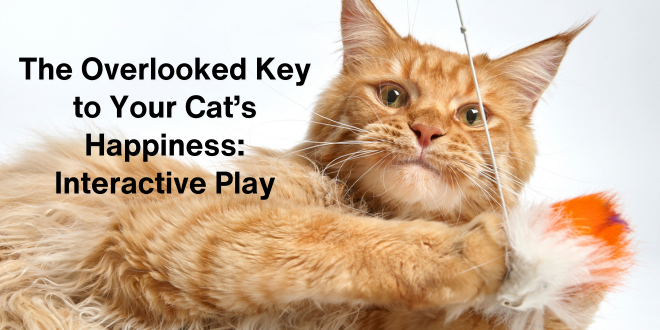
The choice of toy is as significant as the duration and frequency of play. While a plethora of toys might be available, certain types are particularly adept at mimicking natural prey movements and stimulating a cat’s hunting instincts. Interactive wand toys, often designed like a fishing pole, are highly effective. Their flexibility allows caregivers to control and direct the movement of the attached "prey," creating unpredictable patterns that mirror the erratic scurrying of small animals.
Conversely, the use of laser pointers, while seemingly engaging, is often discouraged by feline behavior specialists. The core issue with laser pointers is the inherent lack of a tangible "catch." Cats are driven by the satisfaction of capturing their prey. When a laser dot consistently eludes their grasp, it can lead to profound frustration and even anxiety. If a laser pointer is to be used, it should be introduced only briefly at the very beginning of a session, with the light quickly transitioning to an actual toy. This allows the cat to experience the successful capture of a physical object, fulfilling their innate need for a successful hunt.
Technique: The Subtle Art of Simulating Prey
The manner in which a toy is manipulated during interactive play is critical to its efficacy. Avoid consistently employing erratic, fast-paced movements. Instead, focus on movements that are relatively low to the ground, incorporating strategic pauses and moments where the toy is hidden behind furniture or around corners. These techniques allow your cat to engage their natural stealth and planning abilities. Observing how a cat would naturally stalk and ambush prey reveals that a significant portion of the hunt involves mental strategy, patience, and the quiet observation of their target before the final pounce.
Periodic pauses in the toy’s movement are crucial. They simulate the natural behavior of prey, which often freezes or darts unexpectedly. This encourages your cat to remain engaged, anticipate the next move, and truly tap into their predatory instincts. The ultimate goal is not to exhaust your cat physically, but to mentally stimulate them in a controlled and deeply satisfying manner. The successful "killing bite," the culmination of the hunt, provides an essential sense of accomplishment.
Completing the Cycle: The Importance of the Wind-Down
The conclusion of an interactive play session is as vital as its commencement. Abruptly stopping the game can leave a cat feeling frustrated, agitated, and still highly stimulated. To ensure a smooth transition to a relaxed state, the play session should be gradually wound down. Imagine the prey becoming tired or injured, slowing its movements. This allows your cat to mirror this deceleration, ultimately achieving that final, satisfying capture. This gradual wind-down ensures your cat feels a sense of completion and contentment, rather than lingering excitement.
Following a successful "hunt," a cat’s natural inclination is to eat and then rest. To facilitate this natural behavioral sequence, offering a small, tasty treat after the play session or scheduling play immediately before their regular mealtime can significantly enhance their sense of satisfaction and promote a state of calm relaxation.
The Multifaceted Benefits of Interactive Play
The consistent implementation of interactive play offers a profound array of benefits for feline well-being, acting as a powerful tool for both the prevention and resolution of common behavioral challenges.
Behavioral Health: A Proactive Approach
- Prevention of Aggression: Regular interactive play can significantly reduce the likelihood of aggression-related behaviors such as biting, scratching, or ambush attacks. By providing an appropriate outlet for their predatory drive, cats are less likely to redirect these instincts onto their human companions or other household pets.
- Alleviation of Boredom and Depression: In an indoor environment, boredom can easily set in, leading to listlessness, apathy, and even feline depression. Interactive play provides essential mental and physical stimulation, keeping a cat engaged and preventing the onset of these negative emotional states.
- Reduction of Anxiety and Stress: For cats prone to anxiety or stress, interactive play can be a valuable coping mechanism. The focus required during play diverts their attention from stressors, and the successful outcome of a hunt can boost their confidence and sense of control.
- Mitigation of Nighttime Hyperactivity: Many cat owners experience the frustrating phenomenon of their feline companions becoming hyperactive at night, disrupting sleep patterns. By expending energy and satisfying their hunting instincts during the day, interactive play can lead to a more restful and peaceful night for both cat and owner.
- Diminishing Attention-Seeking Behaviors: Cats that engage in persistent meowing, pawing, or other attention-seeking behaviors may be doing so out of a lack of sufficient stimulation. Interactive play provides a structured way to gain your attention and fulfill their needs, potentially reducing these disruptive behaviors.
Strengthening the Human-Animal Bond
Beyond behavioral modification, interactive play plays a crucial role in fostering a deeper connection between cats and their owners.
- Building Trust and Confidence: For shy or timid cats, consistent positive interactions through play can be instrumental in building trust and increasing their confidence. Each successful play session reinforces a positive association with their caregiver.
- Enhanced Communication: Through observing your cat’s play style and preferences, you gain a deeper understanding of their communication signals and individual personality. This mutual understanding strengthens your bond.
- Shared Enjoyment: At its core, interactive play is an enjoyable activity for both parties. The shared experience of play creates positive memories and strengthens the emotional connection, making it a mutually rewarding endeavor.
Physical Health and Well-being
- Essential Exercise and Movement: Interactive play provides vital physical exercise, promoting cardiovascular health, maintaining a healthy weight, and strengthening muscles and joints. This is particularly important for indoor cats who may not have access to the same level of physical activity as their outdoor counterparts.
- Mental Stimulation: The mental engagement required during play is just as important as the physical exertion. Problem-solving, anticipation, and strategic thinking involved in the hunt keep a cat’s mind sharp and prevent cognitive decline.
A Powerful Form of Enrichment and Training
It is important to view interactive playtime not as a chore or a daily obligation, but as a powerful and consistent form of enrichment and positive behavior training. When integrated into a cat’s routine with regularity and thoughtful execution, it becomes an indispensable tool for nurturing a well-rounded, happy, and behaviorally sound feline companion.
Seeking Further Guidance
For cat owners seeking to delve deeper into the nuances of interactive play and its application in addressing specific behavior issues, the works of renowned feline behaviorist Pam Johnson-Bennett offer invaluable insights. Her comprehensive books, available in bookstores and online, provide detailed guidance and practical strategies for understanding and improving feline behavior through effective play. For your convenience, a direct link to purchase her books can be found on our website.
The journey to a truly happy and contented cat is often paved with simple, yet profound, actions. Interactive play stands as a testament to this, proving that sometimes, the most overlooked keys to our feline friends’ well-being are the ones that require our most dedicated attention and loving participation.