In the quiet corners of our homes, dog owners have long observed behaviors that seem to transcend basic survival instincts or simple play. They trot with a stolen sock, head held high, waiting for a reaction; they feign a retreat during a game of "keep-away," only to loop back with a playful glint in their eye. While these moments are often dismissed as mere mischief, a growing chorus of canine behaviorists, trainers, and researchers are beginning to ask a radical question: Are these dogs actually telling jokes?
Main Facts: The "Felony Trot" and Canine Humor
The conversation around canine humor gained significant traction following a recent interview on Substack with New York-based dog trainer Jess Erace. Erace recounts a recurring performance by a client’s dog that she aptly labels the "Felony Trot."
In this scenario, a dog, seeking attention, would intentionally steal a household object—frequently a potholder—and parade through the dining room with an exaggerated, high-stepping gait. The goal was never to destroy the object, but to elicit a reaction from the humans present. When the family laughed, the dog’s behavior was reinforced, and the "joke" became a staple of the dog’s behavioral repertoire.

This behavior suggests a level of cognitive complexity previously underestimated in domestic animals. If we define a joke—as Merriam-Webster does—as "something said or done to provoke laughter," then the "Felony Trot" fits the criteria perfectly. The dog is not merely acting on instinct; it is consciously performing a sequence of actions designed to elicit a specific emotional response from its audience, and it is actively seeking the "reward" of that shared human-canine laughter.
Chronological Development: From Darwin to Modern Ethology
The inquiry into animal humor is far from a contemporary fad; it is a legacy of evolutionary biology. In 1872, Charles Darwin addressed this very concept in The Descent of Man. Darwin observed that dogs displayed a sense of humor distinct from simple play, noting that a dog might offer a stick to its master, wait for the human to reach for it, and then dash away in a display of triumph. Darwin concluded that the dog was not merely running; it was participating in a "practical joke," clearly enjoying the intellectual game of bait-and-switch.
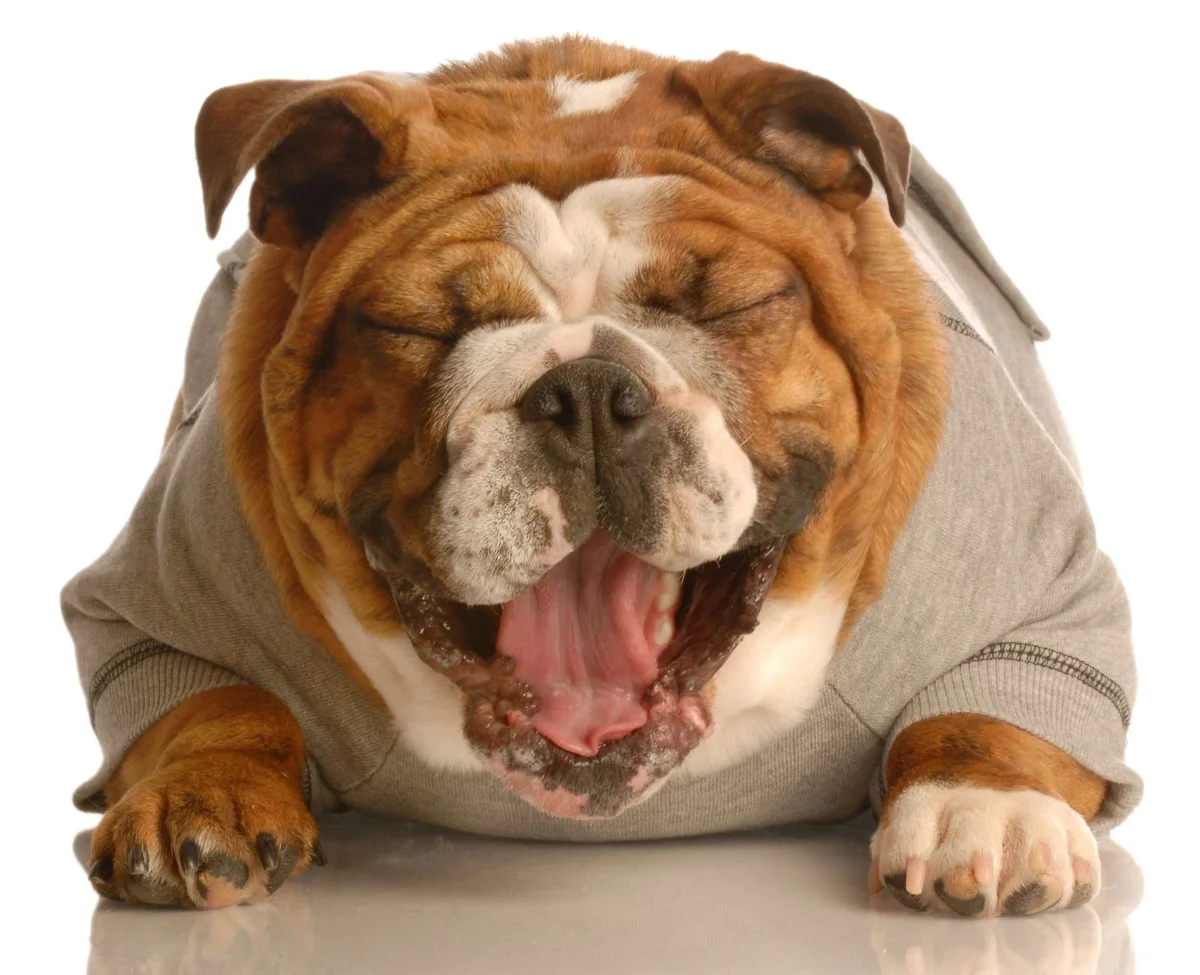
Following Darwin, the mid-20th century saw Nobel Prize-winning ethologist Konrad Lorenz weigh in on the matter. Lorenz argued that dogs possess a physical analog to human laughter. He noted that during high-arousal play, a dog’s mouth will often hang slightly open with the tongue visible, and the lips will retract toward the ears, creating a "smiling" expression. This, according to Lorenz, is the canine precursor to the human laugh.

In the early 2000s, researcher Patricia Simonet furthered this by analyzing the vocalizations of dogs during play. She identified a specific "breathy" exhalation—a sound distinct from a normal pant—that correlated with playful engagement. When played back to shelter dogs, these sounds induced positive behavioral changes, such as reduced stress and increased playfulness. These findings bridged the gap between speculative observation and empirical behavioral science.
Supporting Data: Understanding the Canine Smile
The science of canine amusement relies heavily on the interpretation of body language and vocal cues. Stanley Coren, a leading expert in canine psychology, has spent years attempting to bridge the communication gap. Coren’s methodology for "simulated laughter" involves making a breathy, non-vocalized "hhuh-hhah" sound with rounded lips.
When applied in a relaxed, low-stress environment, these sounds have been shown to trigger curiosity and play-readiness in dogs. However, as any seasoned ethologist will note, context is paramount. A dog’s body must be loose, the mouth slightly agape, and the gaze soft. The "side-eye"—a look often documented in canine behavioral literature—frequently serves as a barometer for whether a dog is "in" on the joke.

However, researchers remain cautious. Is the dog "amused," or is it simply "excited"? The challenge lies in distinguishing between high-arousal activity (like chasing a ball) and the nuanced, low-stakes performance of a joke. The consensus remains that while we cannot yet "prove" that a dog finds a situation "funny" in the human sense, the evidence of intentionality—the act of performing for an audience—is becoming increasingly difficult to ignore.
Official Perspectives and Expert Analysis
Ethologists and trainers currently suggest that the "joke" is not the action itself, but the interaction created by the action. For instance, when a dog engages in "keep-away," the game is only a joke if the human plays along by feigning disbelief or pursuit. The dog is essentially co-authoring a script with its owner.
When analyzing these behaviors, experts suggest observing three key markers:

- The Invitation: The dog initiates an unconventional action (e.g., holding a forbidden item) without immediate destructive intent.
- The Wait: The dog pauses to gauge the human reaction.
- The Reinforcement: The dog repeats the behavior specifically because it was met with positive, laughter-filled feedback.
These elements suggest a form of social intelligence that allows dogs to understand that human laughter is a social signal of connection. By tapping into this signal, the dog is not just reacting to its environment—it is influencing the social atmosphere of the household.
Implications for Human-Canine Bonds
The implications of these findings extend far beyond the dinner table. If we accept that our canine companions are capable of participating in humor, it shifts the fundamental dynamic of the human-dog relationship. We move from being "owners" or "trainers" to being "partners" in a shared social life.
This understanding also has therapeutic potential. Recognizing that a dog is attempting to communicate through humor can help owners better interpret their pet’s emotional state. A dog that is "joking" is a dog that feels secure, confident, and socially integrated. Conversely, a lack of such playfulness can sometimes serve as an early warning sign of underlying stress, physical discomfort, or medical issues.

Personal Observations from the Field
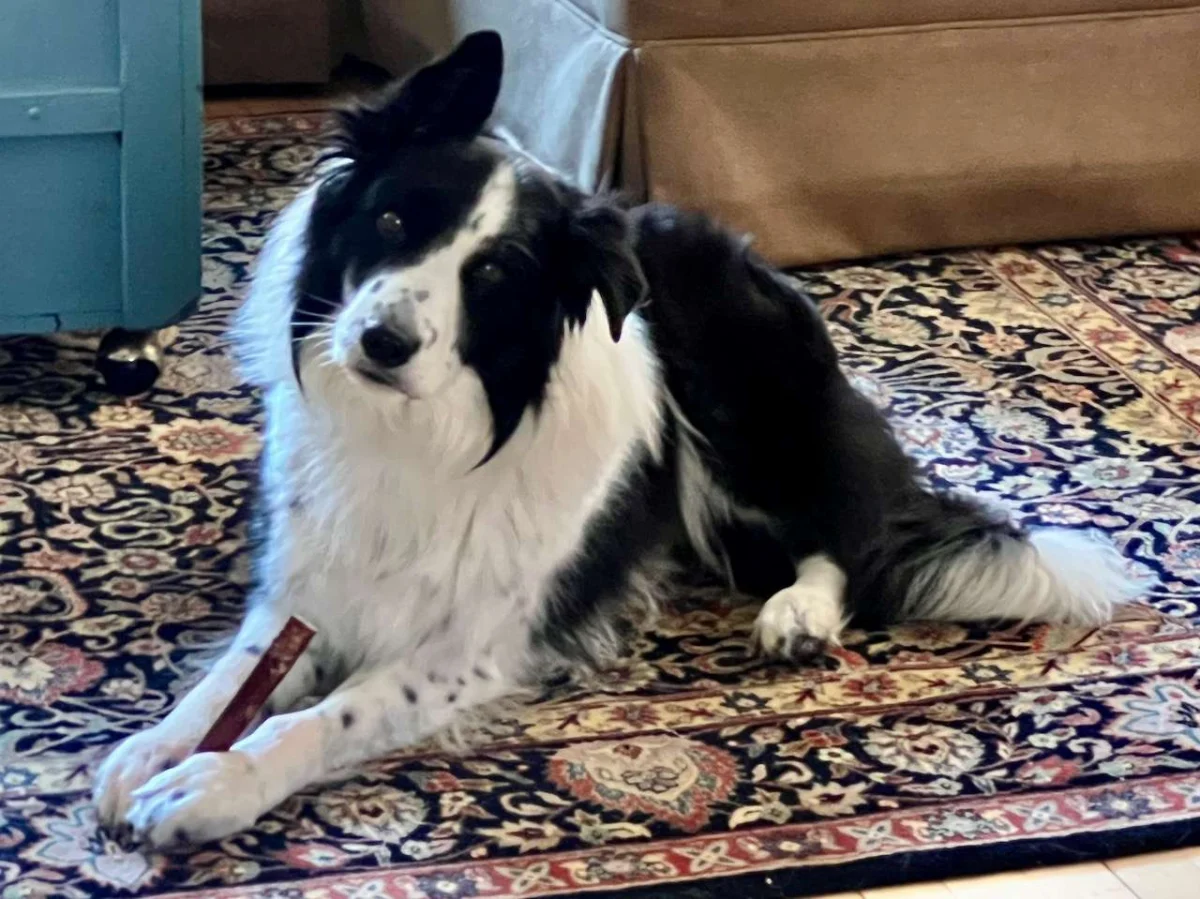
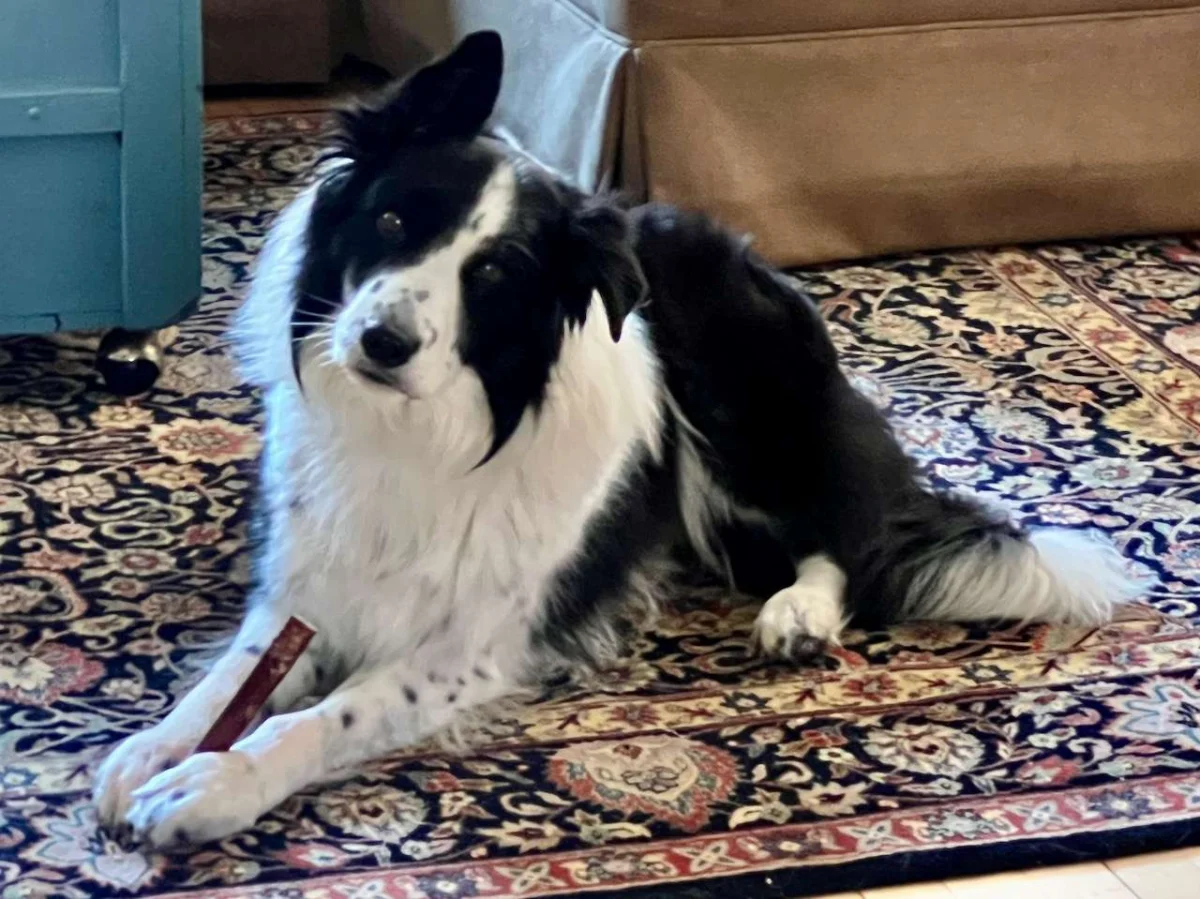
In the daily life of those who live with working dogs, such as the experiences shared by veteran animal behaviorists, these "jokes" are often the highlights of the day. Whether it is a sheepdog engaging in a game of "keep-away" with a leaf or a companion dog parading a prize sock, these moments provide a unique window into the canine mind.
However, it is crucial to remain grounded. As seen in the recent health struggles of an aging dog in a rural environment—where a routine checkup revealed liver concerns that contrasted sharply with previous bouts of vitality—the ability for a dog to engage in humor is a hallmark of its overall well-being. When the "jokes" stop, it is often the first indicator that something has shifted in the animal’s physical or mental health.
Conclusion: A Joyful Mystery
While we may never fully decode the internal monologue of a dog, the evidence suggests that they are not merely passive recipients of our affection. They are active, creative, and often humorous participants in our lives. Whether it is the "Felony Trot" or a game of "keep-away" that requires a human co-conspirator, our dogs seem to understand the social currency of joy.

As we continue to study the intersection of canine ethology and human social behavior, we must keep our minds open. Perhaps the most profound lesson is that the world is full of joy, and our dogs are more than happy to help us find it—one stolen sock at a time. As we navigate the complexities of life, both in the field and at home, the capacity for laughter remains a shared bridge between two species, proving that a sense of humor may indeed be the most universal language of all.