In the delicate dance of canine social interaction, human intervention often does more harm than good. When introducing unfamiliar dogs, the instinctual primate response—to stop, stare, and hold one’s breath—creates an atmosphere of heightened tension that can inadvertently trigger conflict. For renowned animal behaviorist and author Patricia McConnell, the simple act of "keeping moving" remains the single most effective strategy for ensuring safe, neutral, and successful dog-to-dog introductions.
The Science of the "Neutral Zone"
The fundamental challenge in introducing dogs lies in the nature of our gaze. When humans stand still and fixate on two dogs meeting, we signal to our companions that a potential threat is imminent. This "predatory stare" or intense monitoring forces dogs to perceive pressure where there should be none.

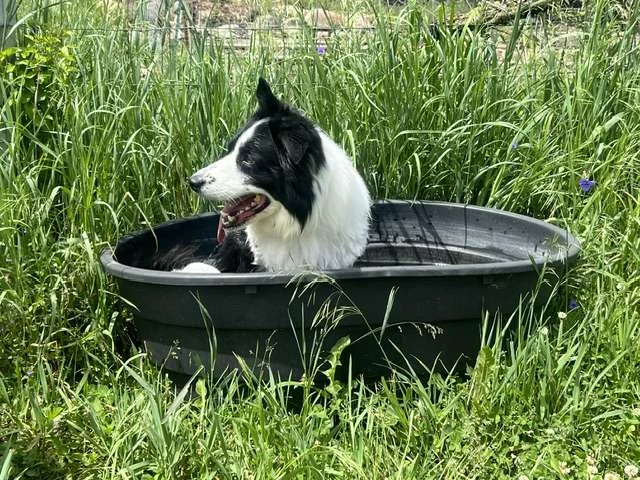
Recently, McConnell put this principle into practice at her farm, utilizing a small, neutral pasture as an ideal setting for a social introduction. The environment allowed the dogs—Skip, her Border Collie, and a visiting Doodle—to interact without the confinement of leashes or the anxiety of a high-traffic public space.
As the dogs met, the communication was instantaneous and clear. When the visiting dog, Rocky, asserted his presence, Skip responded with calm, measured signals. By refusing to intervene, the humans allowed the dogs to negotiate their hierarchy through body language alone, avoiding the "human-induced" stress that often escalates mild discomfort into aggression.

Chronology of an Introduction: From Tension to Play
The process of canine socialization is rarely linear, yet it follows predictable patterns when managed with patience.
- Initial Engagement: During a recent meeting at the farm, the visiting dog exhibited initial caution. The atmosphere remained calm because the humans resisted the urge to hover.
- Negotiation: As Skip leaned in to investigate, the visiting terrier, Rocky, stood his ground. This moment of posturing—where one dog asserts space and the other acknowledges it—is a standard part of canine social grammar.
- The "Moving" Protocol: Recognizing that stillness creates tension, the handlers continued walking through the pasture. This motion serves a dual purpose: it prevents the formation of "static pressure" and encourages the dogs to focus on the environment rather than on each other’s potential threats.
- Shared Sensory Experiences: A pivotal moment occurred later during a separate interaction with a Golden Retriever named Ruby. After an initial period of nervousness, the dogs discovered a pile of fox waste. While the human preference might be to prevent this "stinky" behavior, McConnell allowed the rolling to continue. The result was a shared, calming ritual that effectively bonded the two dogs.
The "Keep Walking" Philosophy: Supporting Data and Observations
The "Keep Walking" methodology is rooted in the observation that dogs, like many social mammals, require "decompression space" during first meetings. In her 2020 analysis, McConnell noted that dogs often struggle with "breed-specific biases." For example, a Border Collie raised among its own kind may initially find the exuberant, bouncy energy of a Golden Retriever or a hound confusing or threatening.

Table: Key Factors in Successful Introductions
| Factor | Impact on Interaction |
|---|---|
| Motion | Reduces pressure and signals safety to the animals. |
| Environment | Neutral, off-leash settings allow for natural flight/fight assessment. |
| Human Stare | Increases cortisol and triggers defensive behaviors. |
| Shared Scent | Acts as a bonding agent, reducing competitive tension. |
By maintaining a steady, relaxed gait, owners provide a "safety buffer." When the humans are moving, the dogs are less likely to feel that their handlers are "gearing up" for a fight, which in turn keeps the dogs’ adrenaline levels lower.
Implications for Owners and Trainers
The implications for pet owners are clear: the most dangerous thing you can do when two dogs meet is to freeze in place. This "statue" behavior is a red flag to the dogs that the situation is volatile.
Professional trainers emphasize that while off-leash introductions are ideal in a safe, fenced environment, they are not a universal panacea. For dogs with histories of reactivity or severe fear, the "keep moving" rule must be adapted to include long-leash work or parallel walking—where two handlers walk in the same direction at a distance, allowing the dogs to see one another without the pressure of a head-on encounter.
Beyond the Pack: Life on the Farm
While canine behavior remains the focus, the rhythms of farm life provide a backdrop of constant ecological observation. The recent challenges on the farm—ranging from the mundane to the biological—serve as a reminder of the complexity of the natural world.

The Insect Factor
In a recent series of observations, the farm became a hub of entomological activity. A bumblebee encounter served as a stark reminder of the risks of working outdoors, while the presence of white-marked tussock moth caterpillars provided a lesson in botanical health. These caterpillars, while visually striking, pose a risk to the farm’s Pagoda dogwoods and, through their urticating hairs, to the humans working nearby.
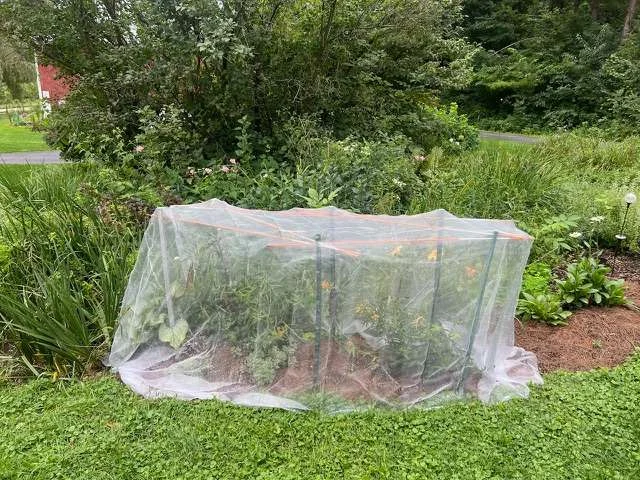
Simultaneously, the conservation of Monarch butterflies has become a priority. With the installation of specialized protective netting, the survival rate of the Monarch caterpillars has improved, shielding them from the aggressive predation of local wasps. This delicate management of the farm’s ecosystem mirrors the management of the dog pack: a requirement for careful observation, minimal interference where possible, and protective action only when necessary.

Climate and Environmental Shift
The farm is also contending with the broader implications of environmental change. Wisconsin, once characterized by distinct seasonal transitions, is witnessing a trend toward higher precipitation, resulting in lush, fast-growing pastures.
"Jim can’t even get the mower into the larger pasture," McConnell notes, highlighting the difficulty of keeping pace with the rapid vegetative growth. While the sheep are thriving on the abundant forage, the shift in weather patterns underscores the unpredictability of the modern agricultural environment.

Conclusion: Lessons for an Uncertain World
Whether it is the nuance of a tail-wag during a dog meeting or the survival of a Monarch caterpillar under protective netting, the overarching theme is one of stewardship. We live in an "insane world," as described by those navigating these daily complexities, yet the solution to managing our personal spheres remains consistent: observe with clarity, move with purpose, and create environments where the living things in our care can communicate and thrive.
For the dog owner, the message is simple: the next time your dog encounters a stranger, resist the urge to panic. Take a breath, keep your hands relaxed, and keep walking. In the silent, visual language of dogs, that simple, steady movement is the loudest signal of peace you can offer.