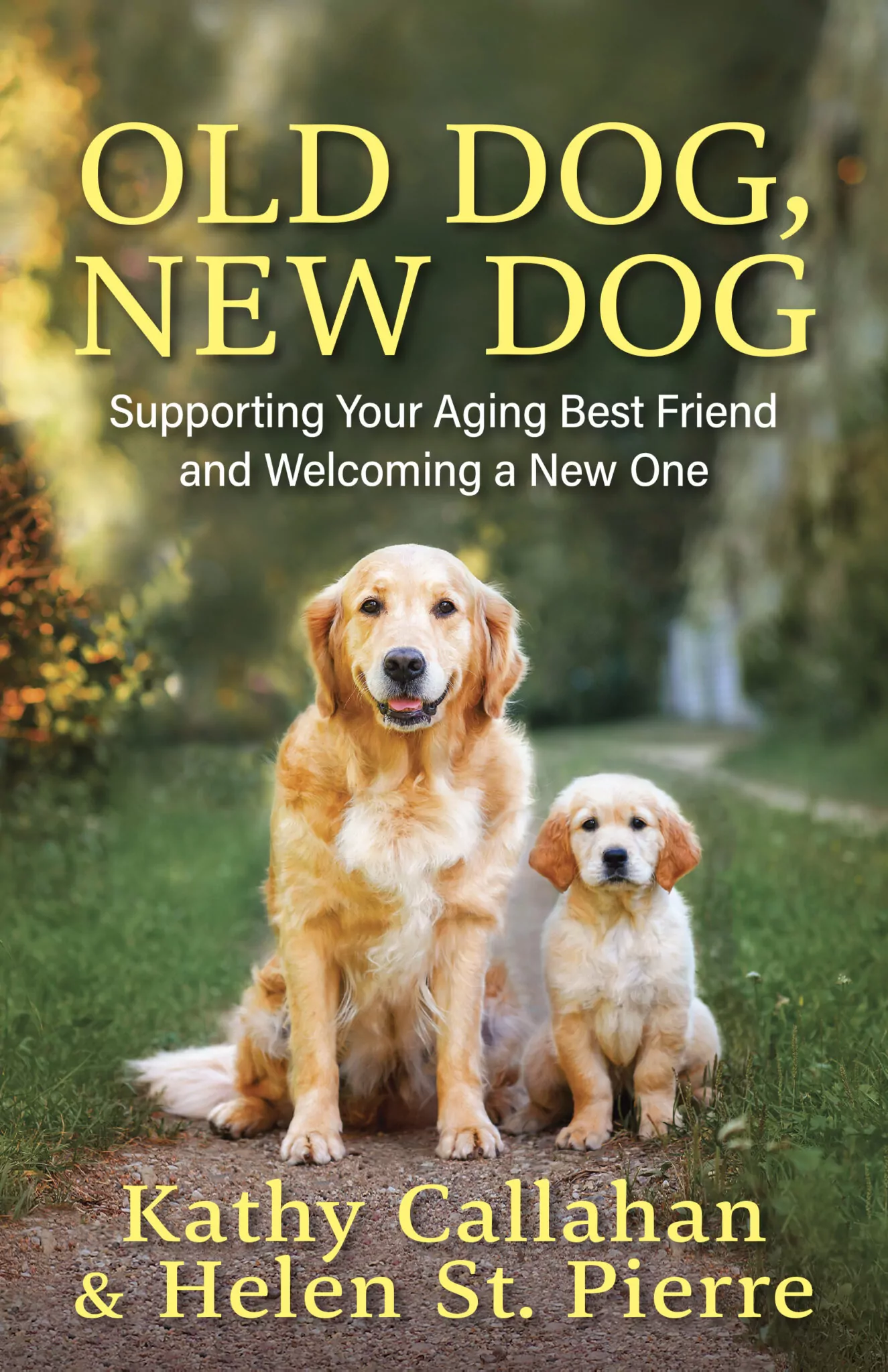
In the world of animal behavior and canine companionship, few decisions are as emotionally charged or logistically complex as introducing a new puppy into a household already anchored by a senior dog. It is a transition that promises both the vibrancy of new life and the poignant reality of aging. A new definitive resource, Old Dog, New Dog: Supporting Your Aging Best Friend and Welcoming a New One, offers a roadmap for this delicate balancing act. Written by two preeminent experts in the field—Kathy Callahan of PupStart and Helen St. Pierre of Old Dogs Go To Helen—the book serves as an essential manual for trainers, veterinarians, and devoted pet owners alike.
The Intersection of Two Worlds
The brilliance of Old Dog, New Dog lies in its dual perspective. Kathy Callahan is widely recognized for her expertise in the critical developmental phases of puppyhood, while Helen St. Pierre is a leading voice in geriatric canine care. Together, they bridge the gap between the chaotic, high-energy needs of a young dog and the nuanced, often fragile requirements of a dog in their twilight years.

For many owners, the instinct to bring home a new puppy is often a reaction to the fading vitality of an older companion. However, the authors argue that this decision requires a level of introspection rarely discussed in mainstream pet literature. The book effectively demystifies the "why" and "how" of this transition, proving to be an indispensable asset for anyone currently managing a multi-generational pack.
Chronology of Care: When Life Stages Collide
The narrative of the book follows the natural progression of the canine lifecycle. It begins with the heavy, often exhausting reality of puppy training and moves into the profound responsibility of end-of-life care.

The "Savoring the Sunset" Philosophy
One of the most praised segments of the book is the chapter titled "Savoring the Sunset." This section addresses the needs of aging dogs with a sensitivity that sets it apart from standard training manuals. It covers the physical and cognitive decline of seniors and provides guidance on the heart-wrenching, yet necessary, topic of end-of-life planning. The authors offer a compassionate look at the decision-making process between choosing euthanasia versus awaiting a "natural death," providing a framework that could prevent many senior dogs from enduring unnecessary suffering.
The Puppy Tsunami
Conversely, the chapter "Welcoming a Puppy" offers a realistic look at the "tsunami of joy and exhaustion" that defines the first months of a puppy’s life. The authors provide a cautionary, humorous reality check regarding the practicalities of exercise and training. A poignant example highlighted in the book involves the impossibility of walking a senior dog and a new puppy simultaneously—a situation that leads to frustration for the owner and stress for both animals. The consensus is clear: the needs of the two are fundamentally different and require separate, tailored attention.

Supporting Data and Expert Insights
To understand the efficacy of the authors’ advice, it is helpful to look at their "elevator pitch" responses to the most common questions they receive. When asked about the viability of adding a puppy, the authors pivot from prescriptive advice to diagnostic questioning.
The "Bandwidth" Metric
Kathy Callahan poses the question: "What is your bandwidth when it gets challenging?" This is a crucial metric for any prospective owner. The reality of pet ownership often includes unforeseen hurdles—the puppy develops a parasite like giardia just as the senior dog requires increased mobility support. The "crisis tank," as the authors describe it, is a finite resource. Prospective owners must evaluate their emotional and financial capacity to handle overlapping crises before finalizing the decision to add to their pack.

The Existential Question
Helen St. Pierre’s perspective is equally sobering. She often asks clients, "How do you feel about death?" This is not a morbid inquiry, but a practical one. Many owners seek out a puppy to buffer the impending grief of losing a senior pet. While a new puppy can bring light into a home, it is vital to discern whether the decision is made to benefit the current dog or simply to serve the owner’s emotional needs.
Implications for Multi-Dog Households
The implications of these insights are significant. The decision to introduce a puppy should not be taken lightly, as the success of the transition depends heavily on the individual temperaments of the dogs involved.

Strategic Introductions
While the book provides a robust foundation, practitioners in the field add additional layers of best practice. Expert consensus, reinforced by the authors, suggests:
- Neutral Territory: Whenever possible, facilitate the first meeting between a senior dog and a puppy on neutral, outdoor ground to minimize territorial defensive responses.
- The Power of Presence: If a senior dog passes away, allowing the surviving dog to spend time with the body—if the owner is comfortable and the environment is controlled—can sometimes assist the younger dog in the grieving and adaptation process.
- The "Older Dog" Alternative: The authors encourage readers to consider adopting another older dog instead of a puppy. While this is often perceived as a "safer" route, the book reminds us that even older dogs have individual personalities, and there is never a guarantee regarding how a new arrival will integrate into an established home.
Reflections from the Field: Personal Perspectives
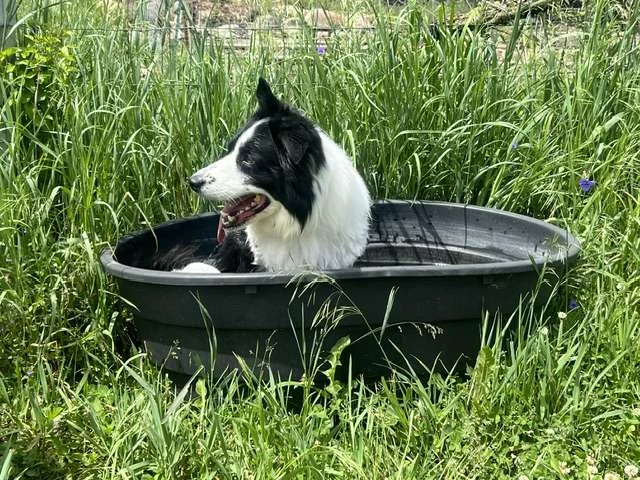
The enthusiasm for Old Dog, New Dog is shared by those who have lived the reality of the senior-puppy dynamic. Even experienced trainers note that they have learned from the authors’ balanced approach. The book serves as a mirror for owners to reflect on their current pack dynamics. For instance, while some senior dogs genuinely benefit from the presence of a playful puppy—a phenomenon observed by many—others, like the author’s own senior dog, Maggie, may clearly signal that they prefer the company of an established, calm pack.

Observations from the Farm: A Broader Ecology
Beyond the professional advice, the broader context of animal husbandry and nature provides a grounding for these discussions. Caring for dogs is intrinsically linked to a wider appreciation for the natural world. Whether one is working sheepdogs in a field or observing the complex social dynamics of a domestic pack, the themes of patience, observation, and respect for natural cycles remain constant.
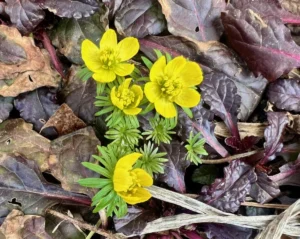
Recent observations on the farm underscore this point. From the symbiotic relationship between bees and the onion family flowers to the mystery of rabbit-damaged Blazing Star plants, the daily rhythm of life emphasizes that we are merely caretakers of a larger, living system. The frustration of losing plants to nocturnal visitors is a microcosm of the challenges we face with our pets—things do not always go as planned, and our role is to observe, adapt, and provide the best environment possible despite the unpredictability of nature.

Conclusion: A Call to Responsible Stewardship
Old Dog, New Dog is more than a how-to guide; it is a philosophy of stewardship. By asking the difficult questions about our bandwidth, our motives, and our readiness to handle the full spectrum of canine life—from the first playful bark to the final, quiet breath—we become better owners.
For those currently navigating the complexities of a multi-generational home, or those considering it, this book is an essential companion. It provides the clarity needed to make decisions that prioritize the health, happiness, and dignity of our dogs. As we continue to manage our packs and tend to our gardens, we are reminded that whether we are dealing with a wayward rabbit in the flower bed or a high-energy puppy in the living room, the key is to approach each situation with knowledge, empathy, and a healthy dose of "crisis tank" preparation.

Ultimately, the goal is to create a life where both the young and the old can thrive, and where our decisions are guided by what is best for the animals who share our homes and hearts. Through the expert guidance provided in this volume, the path forward becomes significantly clearer.