Main Facts: A Recent Case in Wisconsin
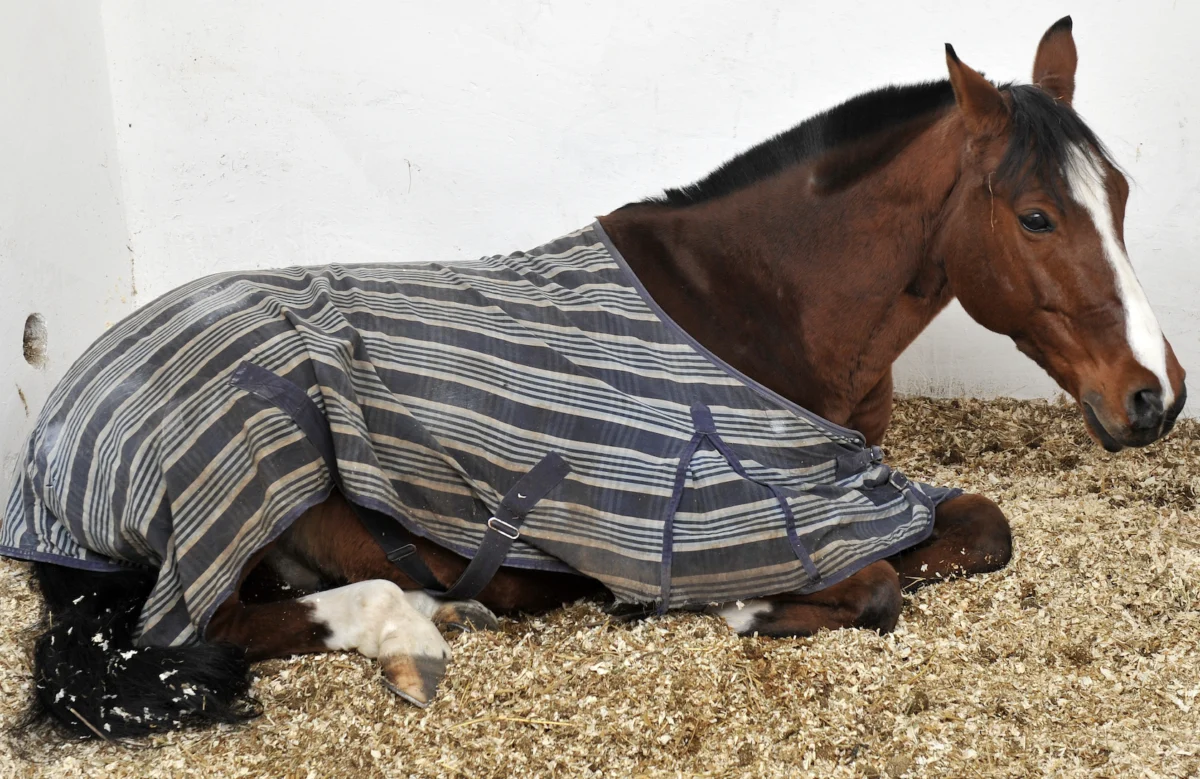
On July 7, animal health authorities confirmed a diagnosis of strangles in a five-year-old Quarter Horse mare residing in St. Croix County, Wisconsin. The equine patient presented with classic clinical manifestations of the disease, specifically lethargy and a febrile state. Upon confirmation of the diagnosis via laboratory testing, the animal was immediately placed under strict quarantine protocols to mitigate the risk of transmission to the surrounding horse population.
This incident serves as a stark reminder of the persistent threat posed by Streptococcus equi subspecies equi to the equine industry. While strangles is endemic in many parts of the world, its ability to disrupt boarding facilities, breeding operations, and competitive circuits makes it a disease of significant concern for horse owners and veterinary professionals alike.
Chronology of the Outbreak and Surveillance
The detection of this case highlights the importance of the Equine Disease Communication Center (EDCC), which monitors and disseminates verified reports regarding infectious diseases across North America.
- Initial Presentation: The five-year-old mare began exhibiting signs of systemic illness, characterized by a sudden onset of fever and an uncharacteristic lack of energy.
- Veterinary Assessment: Local practitioners conducted an examination, leading to the collection of diagnostic samples.
- Laboratory Confirmation: On July 7, diagnostic testing—utilizing polymerase chain reaction (PCR) technology—returned a positive result for Streptococcus equi.
- Containment Phase: Following the confirmation, the facility where the horse is boarded implemented immediate biosecurity measures, including the isolation of the affected mare and the restriction of movement for other equids on the property. These measures are currently ongoing to monitor for secondary cases.
Understanding the Pathogen: What is Strangles?
Strangles is a highly contagious respiratory infection caused by the bacterium Streptococcus equi. While it is often associated with young horses, it can affect equids of any age. The bacteria target the upper respiratory tract, often resulting in the inflammation and subsequent abscessation of the lymph nodes in the throat and neck region—a feature that gives the disease its colloquial name, as the swelling can be severe enough to cause difficulty breathing or "strangling."
Modes of Transmission
The transmission of S. equi occurs primarily through two routes:
- Direct Contact: Physical interaction between an infected horse and a susceptible one, often through "nose-to-nose" contact.
- Indirect Contact (Fomites): The bacteria can survive on surfaces such as water troughs, feed buckets, grooming tools, fencing, and the clothing or hands of human handlers.
A critical challenge in managing strangles is the "silent spreader." Horses that show no overt clinical signs may still harbor the bacteria in their guttural pouches, intermittently shedding the pathogen and infecting others without the owner’s knowledge. Furthermore, even after a horse has recovered, it may remain contagious for at least six weeks, and in some cases, can become a long-term asymptomatic carrier, creating a reservoir for future outbreaks.
Clinical Manifestations
While the St. Croix mare exhibited lethargy and fever, the spectrum of symptoms for strangles is broad:
- Fever: Often the first clinical sign, appearing before the onset of respiratory distress.
- Nasal Discharge: Initially clear, this discharge typically becomes thick, yellow, and purulent.
- Lymph Node Abscessation: The most characteristic sign, involving swelling and rupture of the submandibular or retropharyngeal lymph nodes.
- Dysphagia: Difficulty swallowing caused by internal swelling.
- Respiratory Distress: Labored breathing or "stridor" due to airway obstruction.
Supporting Data: Diagnosis and Clinical Management
The standard for diagnosing strangles is the PCR test, which detects the presence of bacterial DNA. Veterinarians may choose between a nasal swab, a nasal wash, or a direct sample taken from a ruptured abscess.
The Antibiotic Conundrum
The treatment of strangles remains a subject of nuanced veterinary debate. Because the disease often follows a natural progression, many clinicians prefer to manage symptoms with supportive care, such as warm compresses on abscesses to encourage drainage and anti-inflammatory medications to manage fever and pain.
Antibiotics are generally reserved for severe cases, such as those involving respiratory compromise or systemic complications (e.g., "bastard strangles," where abscesses form in internal organs). Overuse of antibiotics is cautioned against, as it may suppress the immune system’s ability to develop a robust, long-term immunity to the pathogen. If the infection is caught early, some veterinarians may opt for a short course of treatment to abort the clinical progression, though this is not always successful.
Prognosis
The vast majority of horses achieve a full clinical recovery within three to four weeks. However, the period of shedding—during which the horse remains a danger to its stablemates—can extend well beyond the disappearance of visible symptoms.
Official Responses and Biosecurity Implications
The EDCC, alongside regional agricultural departments, emphasizes that the burden of disease control lies heavily on facility managers and private owners. While vaccines exist, they are not universally effective and do not provide the same level of protection as seen with other equine diseases like influenza or EHV-1.
The Role of Biosecurity
The primary defense against an outbreak is the implementation of rigorous biosecurity protocols. Experts recommend the following "Gold Standard" practices:
- Quarantine: Any new horse entering a facility should be isolated for at least 21 to 28 days. During this period, the horse should be monitored daily for fever and nasal discharge.
- Hygiene Standards: Dedicated grooming kits, cleaning supplies, and water buckets should be used for new arrivals and those under observation to prevent cross-contamination.
- Facility Zoning: In the event of a confirmed case, the facility should be divided into "hot zones" (infected) and "clean zones" (uninfected), with separate equipment and personnel assigned to each.
- Disinfection: Surfaces should be cleaned with detergents to remove organic matter, followed by the application of EPA-registered disinfectants, as S. equi can persist in the environment for extended periods under favorable conditions.
Long-term Implications for the Equine Community
The St. Croix County case serves as a diagnostic reminder that the equine industry operates as a connected network. Horses are frequently transported for competition, breeding, and medical care, creating a web of potential transmission pathways. When a case is identified, the economic impact on a boarding facility can be profound, involving lost income, veterinary expenses, and the potential closure of the facility to outside traffic.
For owners, the takeaway is clear: surveillance is paramount. Daily temperature checks for horses at high-risk facilities—particularly those that frequently host new horses—can catch an infection before it reaches the stage of abscessation. By identifying the febrile horse on day one, owners can drastically shorten the window of exposure for the rest of the herd.
As we move through the summer months, a season characterized by high levels of equestrian activity and travel, the Wisconsin Department of Agriculture and the EDCC encourage all horse owners to remain vigilant. The persistence of Streptococcus equi is a biological reality, but through rapid reporting, strict quarantine, and proactive hygiene, the impact of such outbreaks can be contained and minimized.
Owners who suspect their horse may be exhibiting signs of strangles should contact their primary veterinarian immediately, keep the horse isolated, and refrain from moving the animal to other facilities until a definitive diagnosis and containment plan are in place. Information sharing remains the most powerful tool in the fight against equine infectious disease.