POLK COUNTY, WISCONSIN — Animal health officials in Wisconsin have confirmed a new case of equine influenza, underscoring the persistent threat that respiratory pathogens pose to the region’s equine population. On September 25, a 10-year-old Quarter Horse mare stabled in Polk County tested positive for the highly contagious virus.
While the affected mare is currently recovering under veterinary care, the incident has triggered localized biosecurity protocols as authorities monitor a handful of other equines identified as potential contacts. The case serves as an immediate, real-world reminder for horse owners, trainers, and facility managers across the Upper Midwest to review their vaccination schedules, refine their daily health-monitoring routines, and enforce rigorous biosecurity measures.
Main Facts
The confirmed case in Polk County involves a single, adult equine patient presenting with classic symptoms of the upper respiratory infection.
- Patient Profile: A 10-year-old Quarter Horse mare.
- Location: Polk County, Wisconsin.
- Diagnosis Date: September 25.
- Onset of Symptoms: September 22.
- Clinical Presentation: High fever, persistent cough, and bilateral mucopurulent (thick, pus-like and mucus-containing) nasal discharge.
- Current Status: The mare is stable and currently recovering from the infection.
- Exposure Risk: Four additional horses have been identified as having direct or indirect exposure to the index case and are being closely monitored for the development of clinical signs.
Equine influenza is one of the most common infectious respiratory diseases affecting equids globally. Despite its prevalence, outbreaks can disrupt breeding operations, training schedules, and equestrian competition circuits, causing significant economic and logistical challenges for owners.
Chronology of the Polk County Incident
Understanding the timeline of infection is critical for tracing potential exposure vectors and preventing further spread within the local equine community.
- September 22: The 10-year-old Quarter Horse mare begins showing initial clinical signs of illness. Handlers note a sudden onset of lethargy, a spike in body temperature, a dry cough, and the early stages of nasal discharge, which rapidly progresses to a bilateral mucopurulent discharge.
- September 22–24: As clinical signs persist and worsen, the attending veterinarian is called to examine the mare. Diagnostic samples, typically involving nasal swabs, are collected to test for common respiratory pathogens, including equine influenza and equine herpesvirus (EHV).
- September 25: Laboratory results return positive for equine influenza. Immediate isolation protocols are implemented for the affected mare on the Polk County property.
- Late September: Barn management and veterinary advisors identify four contact horses residing on the same premises. These animals are placed under strict quarantine and observation, with daily temperature checks and symptom monitoring instituted to catch any secondary infections in their earliest stages.
- Present: The index mare responds favorably to supportive care and treatment. Authorities continue to monitor the quarantined contacts for any signs of fever or respiratory distress.
Supporting Data: Understanding Equine Influenza
Equine influenza is caused by a rapidly mutating orthomyxovirus (primarily the H3N8 strain). It is distinct from human influenza, though it shares similar transmission dynamics and clinical impacts on its specific host species.
Transmission Pathways
The virus is extraordinarily efficient at spreading through horse populations. Primary transmission routes include:
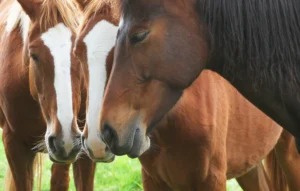
- Direct Horse-to-Horse Contact: Mutual grooming, smelling, or touching noses allows respiratory droplets to pass directly between animals.
- Aerosol Dispersal: When an infected horse coughs or sneezes, viral particles can aerosolize and travel significant distances—often up to several yards—suspending in the air to be inhaled by neighboring equines.
- Fomites (Inanimate Objects): The virus can survive for varying periods on surfaces. Humans can inadvertently transfer the pathogen via contaminated hands, shoes, clothing, and equipment. Shared water buckets, feed tubs, grooming tools, and tack are prime vectors for disease transmission.
Clinical Signs to Watch For
Equine influenza incubates rapidly, with clinical signs often appearing within 1 to 3 days of exposure. Common indicators include:
- Fever: A sudden and often dramatic spike in body temperature, sometimes reaching up to 106°F (41.1°C).
- Cough: Typically begins as a harsh, dry, hacking cough that can persist for weeks even after other symptoms resolve.
- Nasal Discharge: Initial serous (clear and watery) discharge that frequently transitions into a thick, mucopurulent (yellowish-green) exudate.
- Systemic Lethargy: Depression, generalized weakness, reluctance to move, and a marked decrease in appetite (anorexia).
- Lymphadenopathy: Submandibular lymph nodes (under the jaw) may become swollen, warm, and tender to the touch.
Monitoring and Detection Strategies
Veterinary epidemiologists strongly recommend proactive monitoring, particularly for horses that travel frequently. Implementing a daily temperature-taking routine at shows, clinics, and boarding facilities establishes a baseline. A sudden temperature elevation is often the very first sign of an impending viral infection, appearing hours or even days before a cough or nasal discharge manifests. Early detection allows owners to isolate the animal before it can shed large volumes of virus into the environment.
Official Responses and Industry Guidelines
In the wake of the Polk County case, animal health networks have amplified educational outreach to safeguard the broader equine community.
Data regarding the Polk County case was disseminated via the Equine Disease Communication Center (EDCC) Health Watch, an Equine Network marketing initiative that relies on verified reporting from the EDCC. The EDCC itself operates as an independent nonprofit organization supported by industry donations, providing open-access infectious disease information to veterinarians, owners, and event organizers nationwide.
Vaccination as a Core Defense
Public health officials and equine veterinarians universally agree that vaccination is the single most effective and cost-efficient defense against equine influenza.
Major equestrian governing bodies enforce strict vaccination mandates to mitigate outbreak risks at public gatherings. For instance, US Equestrian (USEF) requires verifiable proof that horses have received an equine influenza vaccination within the six months prior to entering the grounds of any organization-sanctioned competition or event.
Owners should consult their primary care veterinarians to design a tailored vaccination protocol. Factors such as a horse’s age, travel frequency, exposure to external populations, and regional disease risks dictate whether a biannual or annual booster schedule is most appropriate.
Biosecurity Protocols: Beyond the Needle
While vaccination greatly reduces the severity of illness and limits viral shedding, it does not provide 100% immunity. Therefore, strict biosecurity measures must run parallel to vaccination programs. Recommended practices include:
- Quarantine New Arrivals: Any horse entering a new facility should be strictly isolated from the resident population for a minimum of 14 to 21 days. During this window, monitor their temperature twice daily and watch for respiratory or neurological signs.
- Eliminate Nose-to-nose Contact: When traveling to shows, trail rides, or clinics, prevent horses from touching noses across stall guards, pasture fences, or tie-rails.
- Sanitize Equipment: Never share water buckets, feed troughs, or grooming tools between horses from different properties without thoroughly cleaning and disinfecting them first. Use a hospital-grade disinfectant proven effective against enveloped viruses.
- Practice Personal Hygiene: Hand hygiene matters. Caregivers should wash hands, change outer garments, and sanitize footwear when moving between different groups of horses, especially if working with young, old, or immunocompromised animals.
Implications for Horse Owners and the Industry
The Polk County influenza confirmation carries broad implications for regional horse owners, boarding stable managers, and the wider agricultural economy.
Economic and Operational Disruption
An outbreak of equine influenza at a boarding facility, training barn, or breeding farm can bring operations to an abrupt halt. Quarantines prevent horses from leaving or entering the property, disrupting training schedules, cancelling show plans, and halting sales. Furthermore, veterinary expenses for treating secondary bacterial infections (such as pneumonia, which can develop when the respiratory tract’s lining is damaged by the influenza virus) can accumulate rapidly.
Mental and Physical Toll on Equines
While uncomplicated equine influenza typically resolves within two to three weeks with proper rest and supportive care, the physiological toll should not be underestimated. Forcing a horse to exercise while recovering from influenza can lead to chronic respiratory damage, long-term performance deficits, and secondary lower-respiratory tract infections. Strict cage or paddock rest is mandatory during the acute febrile phase.
A Call for Community Vigilance
The Wisconsin incident serves as a timely reminder that infectious diseases do not respect county or state lines. As autumn brings cooler weather and changes in equestrian routines—often involving indoor sheltering, travel to final outdoor competitions, or sales—the opportunity for respiratory pathogens to circulate increases.
Facility managers and horse owners are urged to use this event as a prompt to audit their current biosecurity plans. By ensuring that vaccination records are up to date, maintaining transparent communication channels with barnmates, and adhering to strict hygiene standards, the equine community can collectively minimize the impact of equine influenza and protect the health and welfare of horses throughout Wisconsin and beyond.