PIERCE COUNTY, Wash. — Health officials have confirmed a single case of equine influenza in Pierce County, Washington. According to the Assistant State Veterinarian, the affected equine—a horse recently acquired through a public auction—has tested positive for the highly contagious respiratory pathogen and is currently receiving dedicated veterinary care.
The detection serves as an urgent reminder to horse owners, trainers, and facility managers across the Pacific Northwest regarding the persistent risks of infectious equine diseases, particularly among animals with recent histories of transit, co-mingling, and public sales.
The initial alert was distributed via the Equine Disease Communication Center (EDCC) Health Watch, an Equine Network marketing program that disseminates verified health reports utilizing data provided directly by the EDCC. The EDCC operates as an independent nonprofit organization sustained largely by industry donations, ensuring that critical, open-access infectious disease information remains available to the equestrian community free of charge.
Main Facts
Equine influenza is one of the most prevalent and economically significant viral respiratory diseases affecting members of the family Equidae. While horses and ponies are the most commonly diagnosed patients, the virus is also capable of infecting donkeys, mules, zebras, and other related equids.
The primary facts surrounding the Pierce County case and the nature of the virus include:
- Location and Patient: One confirmed case in Pierce County, Washington, involving a horse recently purchased at an auction.
- Current Status: The affected animal is isolated and undergoing veterinary treatment.
- Transmission Dynamics: The virus is primarily spread through respiratory secretions. Direct nose-to-nose contact between equids, aerosol transmission via coughing and sneezing, and indirect transmission through contaminated human hands, clothing, footwear, and equipment (such as buckets and tack) are the main vectors of spread.
- Clinical Presentation: Infected equids frequently exhibit a rapid onset of high fever (reaching up to 106°F), a characteristic dry and hacking cough, lethargy, generalized depression, weakness, loss of appetite (anorexia), watery (serous) nasal discharge, and submandibular lymphadenopathy (enlarged lymph nodes).
- Prevention and Mitigation: Vaccination remains a cornerstone of defense, heavily emphasized by regulatory bodies such as US Equestrian, alongside rigorous daily health monitoring and comprehensive biosecurity protocols.
Chronology of Events
While the exact timeline leading up to the diagnosis involves standard industry movements, the sequence of events highlights the typical exposure pathways seen in auction-derived outbreaks:
- Acquisition: The affected horse was purchased at an auction, a common high-risk environment where equines from disparate geographic locations, health backgrounds, and immune statuses converge in close quarters.
- Onset of Symptoms: Following transport to Pierce County, the animal likely began displaying early clinical signs associated with respiratory distress, prompting observation by the owner or caretaker.
- Veterinary Intervention and Testing: Upon noting symptoms indicative of an infectious respiratory illness, veterinary assistance was secured. Diagnostic testing was performed, confirming the presence of the equine influenza virus.
- Quarantine and Reporting: The horse was placed under veterinary care and isolation protocols. State veterinary officials were notified, leading to the formal dissemination of the alert through the EDCC network to warn regional horse owners and boarding facilities.
Supporting Data and Disease Characteristics
Understanding the biological mechanics of equine influenza is vital for mitigating its impact during localized outbreaks. The virus belongs to the Orthomyxoviridae family, with two primary subtypes historically recognized in horses: H7N7 (Equine-1) and H3N8 (Equine-2). Today, H3N8 is predominantly responsible for active field outbreaks globally, characterized by its rapid mutation rate and ability to cause explosive outbreaks in naive or under-vaccinated populations.
Transmission Mechanisms
The virus is remarkably efficient at spreading through air and fomites. When an infected horse coughs or sneezes, millions of viral particles are expelled into the environment in aerosolized droplets. These droplets can travel considerable distances in enclosed spaces, such as barns, wash racks, or poorly ventilated trailers.
Furthermore, inanimate objects act as silent transmitters. The virus can survive on leather tack, metal bits, plastic water buckets, and human apparel for varying periods. Caretakers moving between horses without changing outer garments, washing hands, or sanitizing equipment inadvertently facilitate the spread of the pathogen through a facility.
Diagnostic Insights and Monitoring
Veterinarians diagnose equine influenza through clinical evaluation combined with laboratory testing, such as Polymerase Chain Reaction (PCR) assays or viral isolation from nasal swabs. Because the early signs of equine influenza can easily mimic other common respiratory pathogens—such as Equine Herpesvirus (EHV), Equine Viral Arteritis (EVA), or strangles—laboratory confirmation is critical for accurate disease management.
Experts recommend proactive daily monitoring, especially when horses are traveling to shows, sales, or clinics. Taking a horse’s resting temperature twice daily provides an objective baseline. A sudden spike in temperature often precedes visible respiratory symptoms by 24 to 48 hours, allowing caretakers to isolate the animal before heavy shedding and widespread transmission occur.
Official Responses and Regulatory Standards
State animal health authorities, alongside national equestrian organizations, maintain strict guidelines designed to curb the transmission of equine influenza.
Vaccination Mandates
Vaccination is widely regarded by the veterinary community as an essential, cost-effective method for safeguarding individual horses and herd immunity. Regulatory bodies have codified these recommendations into competition standards. For instance, US Equestrian mandates that competing horses must provide verifiable proof of vaccination against equine influenza administered within the six-month window prior to arriving at any organization-sanctioned competition or event.
State veterinarians emphasize that while vaccination may not always completely prevent infection, it drastically reduces the severity of clinical signs, shortens the duration of viral shedding, and significantly lowers the risk of secondary bacterial infections (such as pneumonia) that can complicate recovery. Horse owners are strongly encouraged to consult their primary care veterinarians to design a tailored vaccination schedule suited to their animal’s lifestyle, travel frequency, and exposure risks.
Biosecurity Best Practices
Beyond vaccination, veterinary officials stress that biosecurity is the frontline defense against introducing and spreading infectious diseases in domestic populations. Key operational protocols recommended for boarding stables, training facilities, and private farms include:
- Quarantine Protocols: Any new equine arrival—particularly those originating from high-traffic venues like auction yards, racetracks, or rescue facilities—should be strictly isolated from the resident herd for a minimum of 14 to 21 days. During this period, caretakers should monitor temperatures daily and watch closely for any signs of respiratory illness, nasal discharge, or lethargy.
- Equipment Hygiene: Water buckets, feed tubs, grooming tools, and tack must not be shared between horses without thorough cleaning and disinfection. Facilities should use virucidal disinfectants proven effective against enveloped viruses.
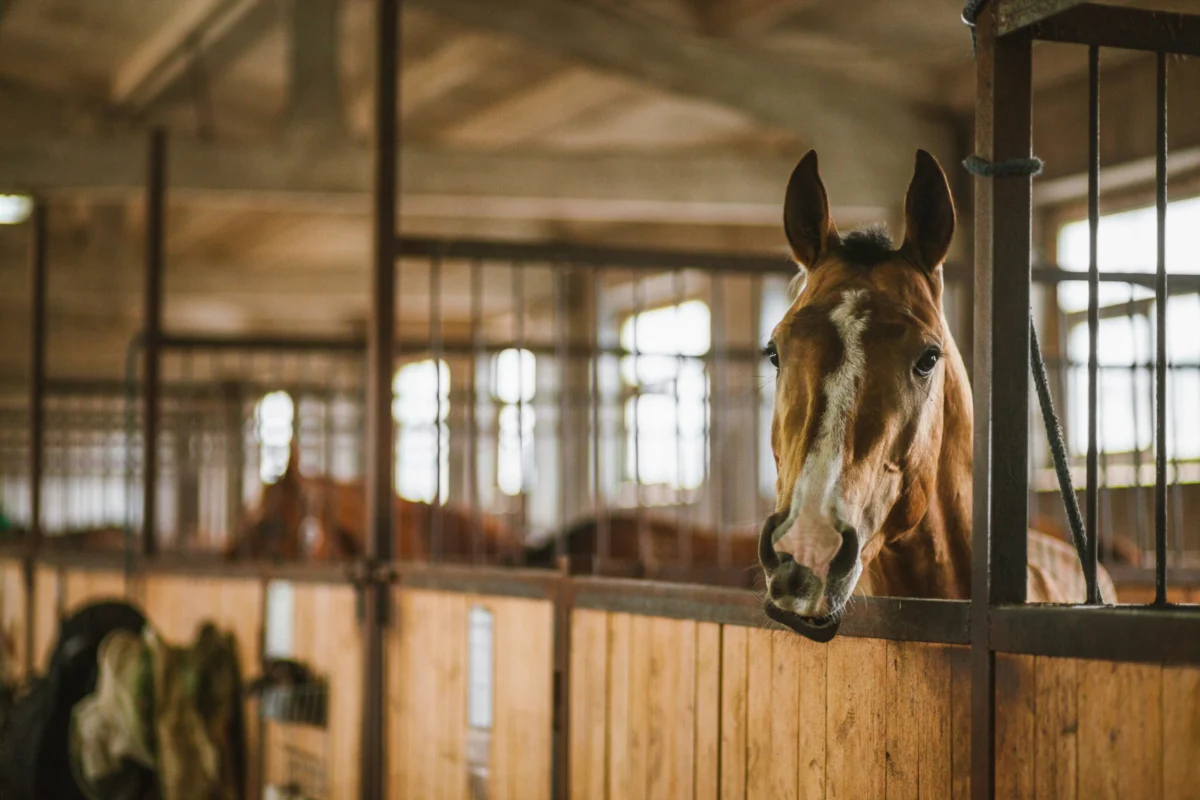
- Nose-to-Nose Contact Prevention: When traveling or attending public events, owners should avoid allowing their horses to touch noses with unfamiliar equines. Stall walls should ideally feature solid partitions to prevent direct contact between neighboring horses.
- Human Hygiene: Handwashing, changing clothes, and sanitizing footwear between handling different groups of horses—especially when caring for animals of unknown health status—prevent humans from acting as mechanical vectors for the virus.
Implications for the Equine Community
The confirmation of equine influenza in Pierce County carries significant implications for local horse owners, event organizers, and boarding facility operators throughout Washington State and the wider Pacific Northwest.
Economic and Operational Impact
Outbreaks of equine influenza can lead to sudden disruptions in the equine industry. When a case is confirmed, local boarding barns often implement voluntary or mandatory lockdowns, halting incoming and outgoing horse traffic to contain potential spread. This can disrupt training schedules, force the postponement of local equestrian shows, and result in unexpected veterinary expenses for diagnostics, supportive care, and facility disinfection.
For commercial operations, auction houses, and breeding farms, biosecurity lapses can lead to reputational damage and financial loss. The auction origin of the Pierce County case highlights the inherent vulnerabilities associated with open-market purchasing, where documentation of vaccination history or prior health status may be sparse or entirely absent. Consequently, buyers are reminded to treat all auction-acquired animals as high-risk, implementing immediate post-purchase isolation and veterinary screening upon arrival at their home facilities.
Collective Responsibility
Controlling equine influenza requires a community-wide commitment to transparency and adherence to health protocols. When disease is detected, prompt reporting allows neighboring facilities to heighten their surveillance and protect vulnerable populations, such as very young foals, geriatric horses, or animals with compromised immune systems.
Veterinary associations continue to urge all equine caretakers to review their current vaccination and biosecurity plans. By combining routine immunization with vigilant daily health checks and strict sanitary habits, the equestrian community can successfully mitigate the threats posed by equine influenza and maintain the health and welfare of the region’s equine population.