By Equine Health Investigative Desk
The Washington State Department of Agriculture (WSDA) and local veterinary authorities have confirmed the presence of Equine Infectious Anemia (EIA) at a private facility in Okanogan County, Washington. The discovery, which has sent ripples of concern through the Pacific Northwest’s equine community, underscores the persistent threat posed by this incurable viral disease. As state officials move to contain the spread, horse owners are being reminded of the critical importance of biosecurity and rigorous testing protocols.
Main Facts: The Okanogan Incident
The investigation began following an epidemiological trace-back linked to a separate, previously identified EIA-positive facility in Pierce County, Washington. Recognizing the potential for cross-contamination, veterinary officials mandated testing for all 18 equids residing at the Okanogan County property.
The testing protocols, which screened for both EIA and equine piroplasmosis, yielded two positive results for EIA. In accordance with state and federal disease control regulations—which prioritize the prevention of viral transmission to the broader equine population—the two infected horses were humanely euthanized. The remaining 16 horses at the facility have been placed under a strict state-mandated quarantine. These animals will remain in isolation until they complete a 60-day retesting period, a window necessary to ensure that the virus has not been transmitted to the surviving herd members.
Chronology of the Outbreak and Response
The timeline of this event highlights the complexities of modern disease tracking in the horse industry:
- Initial Detection: The chain of events was triggered by the identification of an EIA-positive case in Pierce County. Through meticulous contact tracing, the WSDA identified a group of equids in Okanogan County that shared an epidemiological link to the Pierce County site.
- The Diagnostic Phase: Upon notification of the potential risk, local veterinarians initiated a comprehensive testing regimen. Because EIA and piroplasmosis are both blood-borne pathogens that can be spread via similar vectors, the horses were screened for both diseases.
- Confirmation and Mitigation: Following the positive laboratory results, the owners of the Okanogan facility acted in accordance with state agricultural protocols. The infected horses were euthanized to prevent further transmission.
- Ongoing Quarantine: The surviving 16 horses are currently being monitored under a "quarantine in place" order. This order prevents any movement of the animals on or off the premises. The 60-day retest window is a critical milestone; it accounts for the potential incubation period of the virus, ensuring that any subclinical infections are identified before the quarantine is lifted.
Understanding Equine Infectious Anemia (EIA)
Equine Infectious Anemia is often referred to as "swamp fever." It is a viral disease that fundamentally compromises an animal’s immune system. Unlike many other common equine illnesses, EIA does not have a vaccine to prevent infection, nor does it have a viable treatment or cure.
Mechanisms of Transmission
The EIA virus is transmitted primarily through the exchange of blood and body fluids. This occurs through three primary pathways:
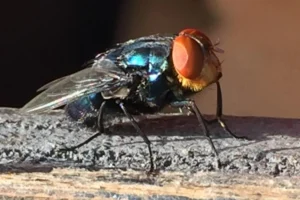
- Insect Vectors: Horseflies, stable flies, and deer flies serve as mechanical vectors. When these insects feed on an infected horse, their mouthparts can carry viral particles to the next host they bite, acting as a "dirty needle" in flight.
- Iatrogenic Spread: The use of contaminated medical equipment, including non-sterile needles, syringes, dental tools, or surgical instruments, remains a significant, human-facilitated risk factor.
- Vertical and Close Contact: While less common, the virus can be transmitted from a mare to her foal or through prolonged, high-density contact where biting and blood exchange occur.
Clinical Signs and Lifetime Implications
A hallmark of EIA is its unpredictability. Infected horses may exhibit acute, subacute, or chronic clinical signs, or they may appear completely asymptomatic while still serving as a reservoir for the virus. Common symptoms, when they appear, include:
- High, spiking fevers.
- Severe anemia (the destruction of red blood cells).
- Jaundice (icteric mucous membranes).
- Edema (swelling) of the limbs and ventral abdomen.
- Lethargy and profound weight loss.
Because an infected horse remains a carrier for life, the implications of a positive Coggins test are life-altering. Once diagnosed, the options are limited: permanent, strictly enforced quarantine (keeping the horse at least 200 yards away from all other equids) or euthanasia. Given the practical impossibility of maintaining such a strict, lifelong quarantine for most private owners, euthanasia is the most frequent outcome.
The Vital Role of the Coggins Test
The Coggins test—named after Dr. Leroy Coggins, who developed the agar gel immunodiffusion (AGID) test in the 1970s—is the industry standard for identifying antibodies to the EIA virus. It is the primary tool used by regulatory agencies to track and suppress the disease.
Most states in the U.S. require a negative Coggins test for horses traveling across state lines, attending horse shows, or entering boarding facilities. This screening process acts as a "firewall," preventing the movement of asymptomatic carriers into clean populations. The recent Okanogan incident serves as a sobering reminder of why these requirements exist: even in the absence of obvious symptoms, an infected horse is a silent threat to every other equid it encounters.
Official Responses and Industry Oversight
The Washington State Department of Agriculture (WSDA) works in tandem with the Equine Disease Communication Center (EDCC) to manage outbreaks. The EDCC serves as a central clearinghouse for verified disease reports, providing the data necessary for veterinarians and facility managers to make informed decisions.
"The integrity of our disease monitoring system relies on the compliance of individual owners," noted a regional veterinary officer during a briefing on the incident. "When a positive case is identified, the speed with which we can isolate the affected animals and trace their movements is the difference between a contained event and a widespread outbreak."
The WSDA has reinforced its guidance to owners, urging them to:
- Practice Strict Needle Hygiene: Never reuse needles or syringes between different horses.
- Vector Control: Manage fly populations through environmental maintenance, such as manure removal, and the use of protective fly sheets and sprays.
- Mandatory Testing: Ensure that all new arrivals to a facility have a current, negative Coggins test, regardless of where they originated.
- Biosecurity: Maintain closed or semi-closed herds when possible and avoid sharing tack or grooming equipment with horses from other properties.
Broader Implications for the Equine Industry
The Okanogan County incident is more than a local agricultural concern; it is a case study in the vulnerability of the modern horse industry. With the increasing mobility of horses for competitions, breeding, and sales, the risk of cross-country disease transmission is at an all-time high.
Economic and Emotional Impact
The loss of two horses is a tragedy for the owners, but the economic impact of an outbreak extends much further. Quarantines can force the cancellation of local events, disrupt the sales market, and necessitate expensive, long-term testing schedules for dozens of horses. For small-scale boarding facilities, the stigma and operational disruption of a disease outbreak can be devastating to their business.
The Challenge of Asymptomatic Spread
The most dangerous aspect of the current situation is the potential for asymptomatic horses to continue shedding the virus. Because the virus can remain dormant or present with such subtle symptoms that they are dismissed as minor lethargy, the "epidemiological link" identified by the WSDA is the only reason this cluster was caught before it could spread further. It highlights a critical need for universal testing compliance. There is no room for complacency in a system where one undetected case can lead to the loss of an entire herd.
Moving Forward
As the 16 horses in Okanogan County enter their 60-day isolation period, the industry remains on high alert. The Washington equine community is being encouraged to review their own biosecurity plans. The EDCC and the WSDA emphasize that the current situation is stable and contained, provided that the current quarantine protocols are strictly followed.
This event serves as a timely mandate for all horse owners: verify the Coggins status of every horse in your care, maintain impeccable sanitation protocols, and report any unexplained fevers or signs of lethargy to your veterinarian immediately. While EIA cannot be cured, it can be controlled—but only if the entire community remains vigilant and committed to the safety of the herd.
For more information on EIA and to track active disease reports across the United States, please visit the Equine Disease Communication Center.