Positive reinforcement is the cornerstone of modern canine training. It is touted as the gold standard for building trust, shaping behavior, and fostering a deep, cooperative bond between humans and their dogs. The premise appears deceptively simple: reward the behavior you want, and watch it flourish. Yet, as noted animal behaviorist and author Dr. Patricia McConnell highlights, the implementation of this philosophy is fraught with human error.
Even with the best of intentions, many owners inadvertently "poison the cue," transforming what they believe to be a reward into a subtle, yet effective, form of punishment.
The Paradox of the Head Pat: A Case Study in Miscommunication
In an excerpt from her seminal work, The Puppy Primer—currently undergoing a comprehensive revision ahead of an October release—Dr. McConnell addresses a common behavioral misconception: the ubiquitous head pat.

"A word to the wise: Dogs aren’t as fond of receiving head pats as we are of giving them," she writes. Despite the prevalence of this gesture in puppy classes, where owners frequently pat the heads of their dogs upon a successful recall, the practice often signals a misunderstanding of canine body language. While some breeds, such as the famously tolerant Golden Retriever, may endure or even enjoy the contact, many dogs demonstrate clear aversion.
Observation reveals a common pattern: the dog ducks, turns its head away, or stiffens upon the approach of a human hand. When an owner provides a "reward" that triggers an avoidance response, they are not reinforcing the recall; they are punishing it. In behavioral science terms, punishment is defined as any action that decreases the frequency of a behavior. By creating a negative association with the act of returning to their owner, the trainer is actively undermining the very command they seek to perfect.
The Mechanics of "Poisoning the Cue"
"Poisoning a cue" occurs when a verbal or physical signal that once elicited a desired response begins to predict something unpleasant. This phenomenon is pervasive and often goes unnoticed by even the most experienced professionals.

Common Pitfalls in Daily Training
The examples of accidental punishment are endless and often baked into the daily routine of pet ownership:
- The Recall/Collar Grab: A dog is called to return, only to have its collar grabbed in an uncomfortable or startling manner upon arrival.
- The "Sit/Slap" Cycle: An owner asks for a sit, and upon compliance, slaps the dog’s head, mistakenly interpreting the dog’s tolerance as joy.
- The Grooming Trap: A dog is asked to lie down, a behavior that should be rewarded, only to have the owner immediately initiate a stressful nail trim without a transitional reward or clear communication.
As Dr. McConnell aptly notes, if one were to replicate these actions on themselves—for instance, patting one’s own head repeatedly—it would likely be perceived as irritating rather than reinforcing.
Observing for Mastery: A Challenge to Pet Owners
To combat these habitual errors, Dr. McConnell issues a challenge to dog owners: prioritize observation over execution. The goal is to develop a "mind meld" with the canine partner by analyzing how they respond to specific reinforcers.

The Observational Checklist
Owners are encouraged to focus on a few specific behaviors rather than attempting to monitor every interaction. When a reward is offered, the dog’s reaction provides the data:
- Positive Indicators: A relaxed, flowing body; wagging from the shoulders back; a "gooey" or soft expression; sustained eye contact with the owner or the reward.
- Negative Indicators: Turning the head away; a closed mouth; stiffening of the body; an attempt to leave or create physical distance; a lack of focus.
By documenting these observations—even in brief, informal notes—owners can begin to see patterns in their communication styles. This process allows for the refinement of rewards, ensuring that what the human thinks is reinforcing is actually perceived as such by the dog.
Implications for Canine Welfare and Ethics
The implications of these findings extend far beyond individual training sessions. The way we interpret our dog’s reactions is a window into the broader ethics of animal welfare. When we ignore a dog’s signals—such as turning the head away or trying to move away—we are ignoring their agency.

In the professional training community, the push toward more ethical, welfare-focused methodologies is gaining momentum. Events such as the upcoming CANIS Conference (October 7-10, 2026, in Schaumburg, IL) are dedicating significant time to panel discussions on welfare and ethics. For trainers and enthusiasts, the ability to read canine communication is not merely a tool for better performance; it is a moral obligation to ensure the animal’s psychological comfort.
A Busy Summer: Balancing Advocacy and Academic Updates
The summer of 2026 has been a season of intense activity for Dr. McConnell, marked by significant writing projects and community engagement. As she balances the updating of The Puppy Primer with the development of a new novel, she has transitioned her communication schedule to a three-week interval.
Upcoming Events and Public Appearances
For those interested in exploring these topics in person, several opportunities are on the horizon:

- July 25, 2026: Minocqua Public Library, Wisconsin (1:00 PM – 3:00 PM). An author visit focused on canine behavior and literature.
- September 15, 2026: "Bark Fest" with Zazie Todd and Kristi Benson. An online discussion focusing on the latest in companion animal psychology.
- September 17, 2026: Hildebrand Memorial Library, Boscobel, WI (6:00 PM).
- September 24, 2026: Barnes & Noble, Madison, WI (7:00 PM).
- October 8, 2026: CANIS Conference. A Story Circle and panel discussion on ethics and welfare.
- October 15-18, 2026: Wisconsin Book Festival, Madison, WI.
- November 14, 2026: Janesville-Beloit Kennel Club, Janesville, WI. A deep dive into the intersection of novel writing and dog behavior.
Life on the Farm: The Reality Behind the Expert
The professional life of an animal behaviorist is often inextricably linked to their personal life. At the farm, life continues with its own rhythms. Recent interactions with colleagues like Detective Colleen Michelson—who provided critical insight into the law enforcement procedural elements of Dr. McConnell’s new novel, Away To Me—underscore the collaborative nature of her work.
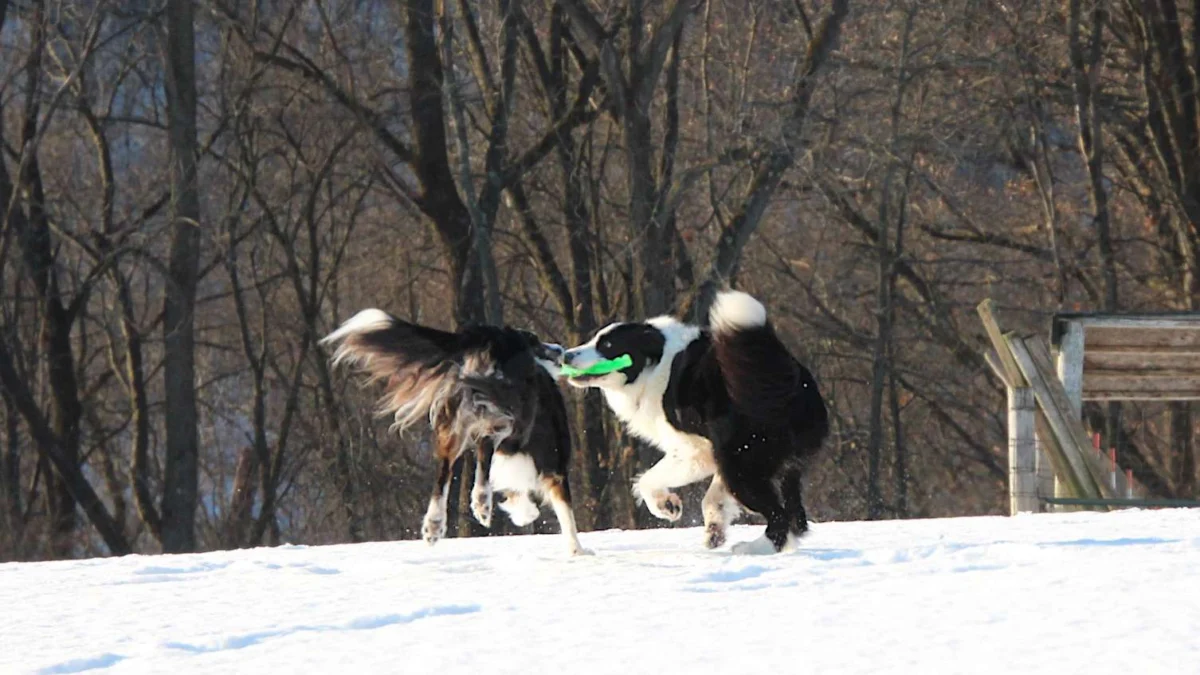
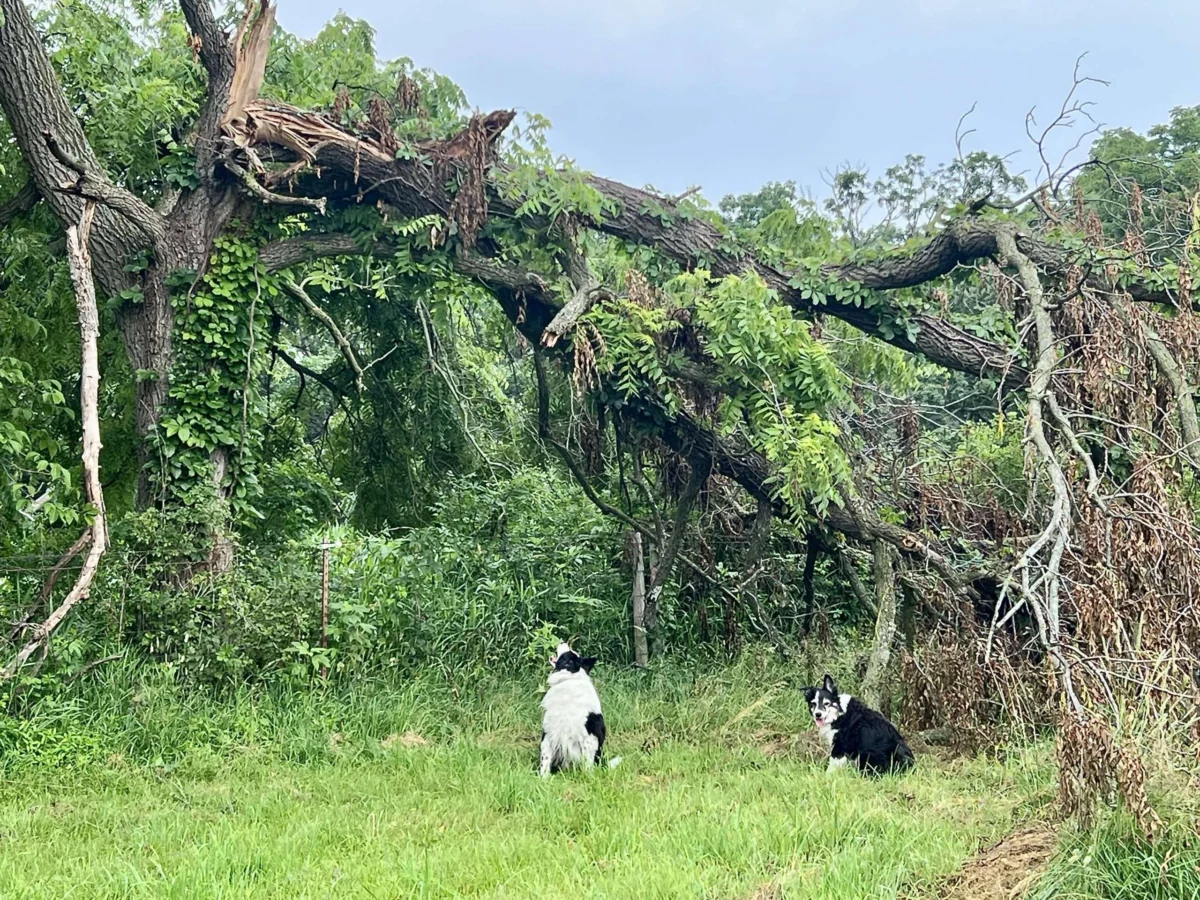
However, even the most skilled behaviorist faces the universal challenge of the "reluctant model." As is often the case with pets, their individual personalities remain unaffected by their owners’ expertise. Whether it is managing the aftermath of severe weather, dealing with the inevitable overgrowth of garden weeds, or navigating the comedic reality of attempting to photograph dogs, the experience remains grounded in the tangible reality of daily life.
Conclusion: The Path Forward
The path to a better relationship with our dogs is paved with observation, humility, and the willingness to adjust our own behaviors. Whether it is recognizing that a name is one of the most frequently poisoned cues or understanding that a head pat may be perceived as a reprimand, the journey toward effective, ethical training requires us to listen—really listen—to our dogs.

As we move through the summer and into the fall conference season, the message remains clear: our dogs are constantly communicating their comfort and their feedback. It is up to us to ensure that we are paying attention, and more importantly, that we are acting upon what they tell us. After all, as the adage goes, may we all have a warm and loving season, and may we all—at the very least—always know exactly where our dogs have been.