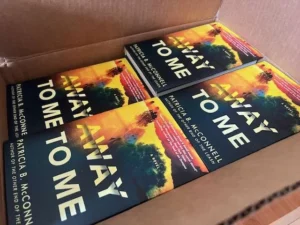
In the landscape of animal behavior and human experience, few things are as universally grounding as the relationship between a person and their pets. For renowned animal behaviorist Patricia McConnell, the recent weeks have served as a stark reminder of the complexities inherent in both managing animal social dynamics and navigating the unpredictability of one’s own physical health. As she prepares for the launch of her latest novel, Away To Me, McConnell finds herself balancing the demands of a high-profile book tour with the frustrating limitations of a chronic injury, all while maintaining the well-being of her beloved border collies, Maggie and Skip.
The Physical Challenge: Living with De Quervain’s Tenosynovitis
In a candid update regarding her current health status, McConnell has revealed that she is suffering from de Quervain’s Tenosynovitis. Medically defined as an inflammation of the tendons on the thumb side of the wrist, the condition creates a scenario where the tendons are essentially trapped in a constricted compartment, leading to significant pain and limited mobility.
For an author whose livelihood depends on dexterity—whether typing manuscripts, managing computer-based promotional work, or signing hundreds of books during an upcoming tour—the diagnosis is particularly taxing. The standard treatment protocols, which emphasize strict immobilization of the hand and wrist, have forced a temporary lifestyle shift. Simple daily tasks, such as operating door knobs, opening jars, or even putting on a watch, have become logistical challenges.
![The Evolution of Play [revisited]](https://www.patriciamcconnell.com/wp-content/uploads/2026/01/IMG_1061-1.jpeg)
McConnell notes that the recovery timeline is estimated between two to six months, with a cortisone injection scheduled for the near future. The irony of the situation is not lost on her: she is currently at the most critical juncture of her career as an author, tasked with promoting a new book while being physically restricted from the very manual labor required to prepare for her events.
Chronology of Canine Socialization: The Case of Maggie and Skip
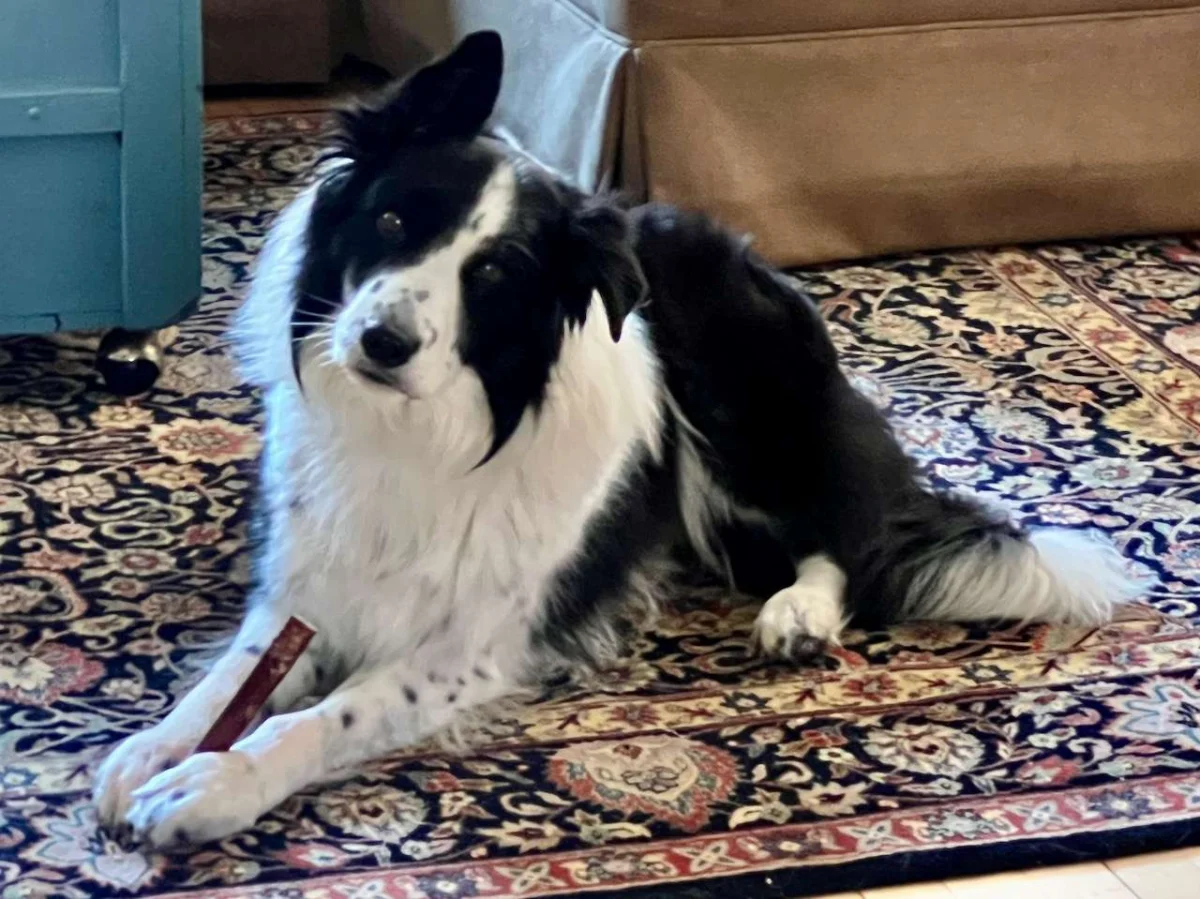
While McConnell manages her recovery, the focus remains on the domestic harmony of her farm. A central theme in her recent reflections is the evolution of the relationship between her two dogs, Maggie and Skip. Their journey serves as a case study in canine behavioral modification and the necessity of "self-handicapping" during play.
The Initial Friction (2020–2021)
When Skip first joined the household, the transition was far from seamless. Skip arrived with a high-intensity, "linebacker-style" play approach, characterized by reckless charging and hip-slamming. Maggie, by contrast, was a more agile, sensitive player who quickly became overwhelmed by Skip’s lack of social finesse.
![The Evolution of Play [revisited]](http://www.patriciamcconnell.com/wp-content/uploads/2026/01/IMG_1102.jpeg)
The initial months were defined by:
- The Power Imbalance: Skip lacked the innate ability to "self-handicap," a crucial skill where a stronger dog adjusts their physicality to match a smaller or more vulnerable partner.
- The Avoidance Phase: Rather than disciplining Skip, Maggie chose to withdraw, leading to a breakdown in their social bond.
- The Trauma Trigger: A significant setback occurred in April, when Skip suffered a back-leg injury. Following his recovery, Maggie’s hesitation to engage with him intensified, leading to a total cessation of their shared play sessions—even on their usual walking routes.
Behavioral Intervention and Success
McConnell implemented a multi-tiered management strategy that eventually restored the dogs’ relationship. Her approach included:
- Strategic Observation: Identifying the precise moments when Skip’s energy escalated into predatory or overly physical behavior.
- Recall Training: Using a high-value recall to "interrupt" Skip before he could reach Maggie during a charge.
- Redirecting Focus: Utilizing toys to facilitate "tug-of-war" games, which allowed Maggie to use her speed and intelligence to engage with Skip on more equal footing.
- Systematic Desensitization: Through months of patient conditioning, McConnell helped Maggie overcome her environmental associations with the trauma of Skip’s injury, eventually allowing them to return to their regular routines.
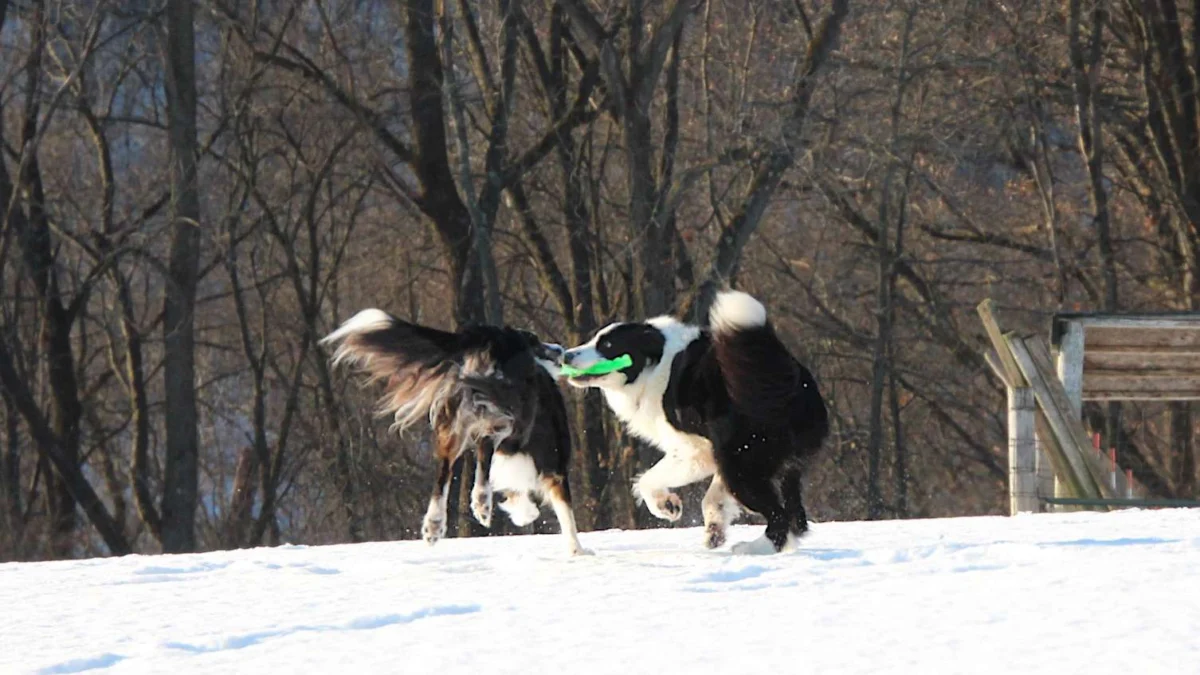
Today, the two dogs exhibit a healthy, balanced play dynamic. Skip has learned to regulate his intensity, and Maggie has regained the confidence to assert herself, resulting in a daily symbiotic relationship that McConnell cites as a vital component of her own mental health.
![The Evolution of Play [revisited]](https://www.patriciamcconnell.com/wp-content/uploads/2021/02/IMG_5898.jpeg)
Supporting Data: The Science of Play
McConnell emphasizes that play is not merely a "goofy or frivolous" activity but a critical pillar of canine mental health and physical fitness. Drawing from her co-authored work, Play Together, Stay Together, she posits that play functions as a social lubricant that reinforces the bond between dogs and their human companions.
When play goes wrong, it often mimics a "bad playground experience," where one participant is unable to read the social cues of the other. Experts in the field, including the late Dr. Sophia Yin and animal behaviorist Jean Donaldson (author of Fight!), reinforce the importance of understanding the difference between healthy, reciprocal play and predatory or bullying behavior. According to the data observed at the McConnell farm, the primary indicators of healthy play are:
- Reciprocity: Both dogs take turns being the "chaser" and the "chased."
- Self-Handicapping: The stronger or larger dog periodically allows the smaller dog to "win" or take the lead.
- Willing Engagement: Both participants demonstrate relaxed, "goofy" body language rather than stiff, tense, or fearful posturing.
Environmental Implications: Wintering at the Farm
Beyond the behavioral and medical updates, the current season has provided an additional layer of challenge for the household. Wisconsin winters, which have seen wind chills plummeting to -40°F, have necessitated rigorous management of animal care.
![The Evolution of Play [revisited]](http://www.patriciamcconnell.com/wp-content/uploads/2026/01/IMG_1088-1.jpeg)
McConnell highlights the extreme measures required to keep both the dogs and livestock safe during these cold snaps. For Skip, who struggled with the frigid ground, the solution involved the use of PawsZ rubber boots stuffed with wool to protect his pads. These environmental realities serve as a testament to the dedication required to maintain a working farm, where the welfare of the animals remains a priority despite the harsh external conditions.
The Path Forward: Promoting Away To Me
Despite the pain of her wrist injury, McConnell is pushing forward with the launch of her novel, Away To Me. The transition from the solitary act of writing to the public act of promotion is a major professional hurdle, exacerbated by her current inability to sign books comfortably.
Official Appearances and Engagement
McConnell has released a list of upcoming book tour dates in Wisconsin and Texas. Her appeal to her audience is clear: she invites readers to join her at these events, not only to discuss the novel but to bridge the gap between the author and her community. For those unable to attend in person, limited copies of signed books are available through specialized retailers.
![The Evolution of Play [revisited]](http://www.patriciamcconnell.com/wp-content/uploads/2026/01/IMG_1091.jpeg)
Implications for the Reader
The narrative provided by McConnell serves as a broader reflection on the nature of resilience. Whether it is the patience required to help two dogs find their rhythm or the determination to continue a career path while grappling with physical decline, the core message remains one of persistence.
In her own words, McConnell acknowledges that her personal struggles are "trivial compared to so many." By sharing her vulnerabilities—from the messy reality of writing with a non-dominant hand to the emotional toll of watching a beloved pet suffer—she creates a space for her readers to relate to their own life challenges. As the spring approaches, the hope is that both the author’s hand and her dogs’ playtime continue to thrive, proving that even after the hardest winters, recovery and growth are always possible.