In the complex landscape of the multi-billion-dollar pet food industry, a single bag of kibble can be the difference between a thriving companion and a medical emergency. While federal oversight exists to ensure the safety of these products, a critical gap remains between the occurrence of a foodborne illness and the official regulatory response. This gap is often filled not by government surveillance, but by the proactive voices of pet owners.
The following report examines the mechanics of pet food recalls, the systemic reliance on consumer data, and the pivotal role that individual reporting plays in preventing widespread veterinary crises.
Main Facts: The Information Gap in Pet Food Regulation
The U.S. Food and Drug Administration (FDA) is the primary body responsible for regulating pet food safety under the Federal Food, Drug, and Cosmetic Act. However, unlike human healthcare systems that often have automated reporting for certain infectious diseases, the pet food industry relies heavily on a "passive surveillance" model. This means that the FDA generally does not know a product is contaminated until someone—either the manufacturer, a veterinarian, or a pet owner—tells them.
The central challenge is that pet owners often mistake their individual tragedies for isolated incidents. When a dog becomes ill after consuming a specific brand of food, the owner’s natural inclination is to seek veterinary care and perhaps warn friends on social media. While these actions provide immediate support, they do not enter the official record. Without a formal report filed through the FDA’s Safety Reporting Portal, the "dots" of a potential outbreak remain unconnected.
As pet food consumer advocate Susan Thixton of TruthaboutPetFood.com emphasizes, the agency cannot investigate issues they are unaware of. The accountability of multi-national pet food corporations is, therefore, directly proportional to the volume and accuracy of data provided by the public.
Chronology of a Potential Outbreak: A Tale of Two Outcomes
To understand the impact of consumer reporting, we must analyze the progression of a pet food contamination event through two distinct lenses: the "Silent Scenario" and the "Actionable Scenario."
The Silent Scenario: An Invisible Epidemic
In a hypothetical but highly realistic situation, twenty pet owners in a single city purchase the same brand of dog food on the same day. These individuals are strangers to one another. Within forty-eight hours, every dog begins to exhibit symptoms of gastrointestinal distress, lethargy, or organ failure.
- Days 1-3: Pets fall ill. Owners rush to various emergency clinics. Several dogs succumb to the illness.
- Day 4: Grieving owners post warnings on Facebook and Instagram. They receive hundreds of "likes" and "shares." A few call the pet store to request a refund.
- Day 7: The same pattern repeats in nine other cities across the state. Now, 200 dogs are sick, and dozens have died.
- The Result: Because no one contacted the FDA, the agency’s database shows zero flags for "Brand X." The manufacturer continues production. More contaminated bags hit the shelves. The cycle of illness continues because the regulatory "alarm" was never pulled.
The Actionable Scenario: The Power of Data
In the alternative timeline, the same 200 owners take a different path.
- Days 1-3: As pets fall ill, owners immediately document the lot numbers and "Best Buy" dates from the packaging.
- Day 4: Each owner spends twenty minutes filing a report on the FDA Safety Reporting Portal. Crucially, they ask their veterinarians to submit professional medical statements linking the symptoms to the diet.
- Day 5: The FDA’s automated system flags a statistical anomaly: a sudden spike of 200 reports involving the same brand and manufacturing facility.
- Day 10: FDA investigators are dispatched to the facility. They discover a malfunctioning vitamin premix machine or a batch of moldy grain (aflatoxin).
- The Result: A nationwide recall is issued. Tens of thousands of other pets are saved from exposure. The manufacturer is forced to implement corrective actions.
Supporting Data: The Mechanics of an Investigation
The FDA does not initiate a recall based on a single complaint. Instead, they look for patterns. The strength of an investigation rests on three pillars of data:
1. Product Traceability
The "Lot Number" is the most critical piece of evidence. This alphanumeric code allows investigators to trace a specific bag back to a specific day, a specific production line, and even specific ingredient suppliers. Without a lot number, a complaint is often categorized as "anecdotal" and may not be used to trigger a facility inspection.
2. Veterinary Confirmation
While owner reports are vital, a report backed by a veterinarian carries significantly more weight. Clinical evidence—such as elevated liver enzymes in the case of aflatoxin poisoning or low taurine levels in DCM cases—provides the scientific "smoking gun" that the FDA needs to move from an inquiry to an enforcement action.
3. Statistical Density
The FDA monitors the frequency of reports. A sudden cluster of reports regarding a single product in a specific geographic region is a primary trigger for an "Assignment," which is the formal process of sending an inspector to a plant.

Historically, major recalls have only occurred after a threshold of consumer reports was met. For example, the 2007 melamine crisis, which resulted in the deaths of thousands of pets, eventually led to the Food Safety Modernization Act (FSMA). However, the implementation of these laws still relies on the "boots on the ground" reporting from pet owners.
Official Responses and the Regulatory Framework
When the FDA receives a high volume of reports, their response follows a structured protocol.
First, the Consumer Complaint Coordinator (CCC) in the relevant district reviews the reports for completeness. If the data is sufficient, it is forwarded to the Center for Veterinary Medicine (CVM).
The CVM evaluates the risk level. If the contamination poses an immediate threat to animal or human health (as some pet food pathogens like Salmonella can infect the humans handling the food), the FDA will contact the firm to "suggest" a voluntary recall. If the firm refuses and the evidence is strong, the FDA has the authority under the FSMA to order a mandatory recall—though this is a tool they prefer not to use unless necessary.
Industry stakeholders, represented by organizations like the Association for American Feed Control Officials (AAFCO), set the nutritional standards, but they do not have enforcement power. This creates a vacuum where the FDA is the only entity with the "teeth" to stop production, making the flow of information to them even more vital.
Implications: The Cost of Silence vs. The Value of 20 minutes
The implications of failing to report are both financial and emotional.

The Financial Burden
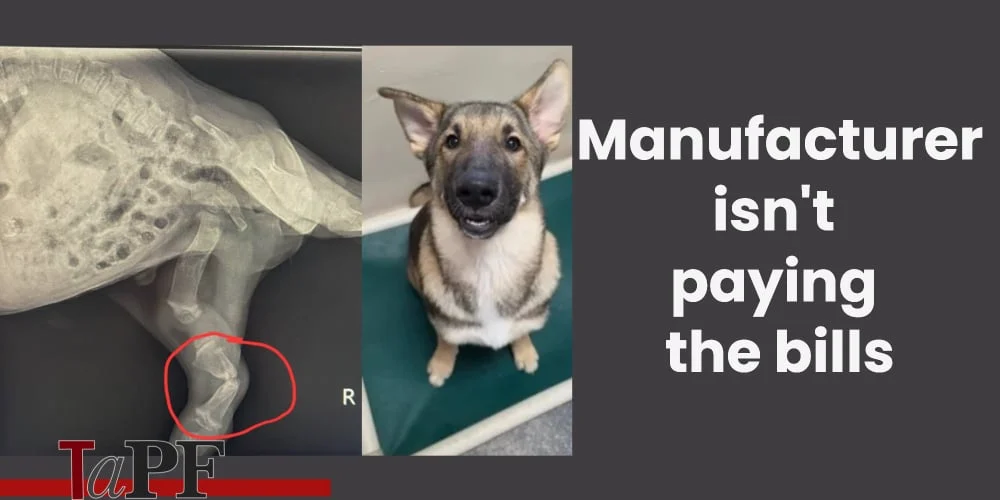
When a recall is not issued, pet owners are left to bear the full cost of veterinary care. These bills can range from $500 for a simple outpatient visit to upwards of $10,000 for intensive care or surgery. When a recall is issued, pet owners often have legal recourse for reimbursement from the manufacturer. By failing to report, owners are inadvertently protecting the manufacturer’s bottom line at the expense of their own.
The Moral Responsibility
Pet food safety is a matter of collective security. One owner’s decision to spend twenty minutes filing a report can prevent the heartbreak of thousands of others. In the age of social media, there is a dangerous "bystander effect" where individuals assume that because they have posted about a problem online, "someone" in authority must be aware of it. In reality, FDA investigators do not spend their days scouring Facebook groups for potential leads. They respond to the formal portal.
Actionable Steps for Pet Owners
To ensure accountability, pet owners must adopt a rigorous protocol when they suspect a food-related illness:
- Prioritize Medical Care: Ensure the pet is stable.
- Preserve the Evidence: Do not throw away the bag or the remaining food. Take clear photos of the lot number and "Best Buy" date.
- Document Symptoms: Keep a timeline of when the new food was started and when symptoms began.
- Engage the Veterinarian: Explicitly ask the vet to note the suspect food in the medical record and, if possible, have them file a professional report with the FDA.
- File the Official Report: Use the FDA Safety Reporting Portal.
Conclusion: Altering the Course of Safety
The pet food industry is only as safe as the transparency we demand from it. While it is easy to feel powerless against large corporations and slow-moving government agencies, the hypothetical 200-dog scenario proves that the power lies in the hands of the consumer.
As Susan Thixton notes, twenty minutes of administrative effort can "alter the course of pet food safety." It is the difference between a hidden tragedy and a public recall. By shifting our focus from social media venting to official reporting, pet owners can move from being victims of a flawed system to being the very guardians who ensure that "Brand X" never hurts another family. The responsibility is clear: save the data, report the illness, and hold the industry to the standard our pets deserve.