Introduction: The Hidden Ingredient in the Bowl
For the average American pet owner, the ingredient list on a bag of kibble or a can of pâté is a promise of nutrition and safety. Labels boasting "Real Beef," "Premium Chicken," or "Farm-Raised Pork" suggest a level of quality comparable to what might be found in a grocery store’s meat aisle. However, a deep dive into the regulatory framework governing the United States food supply reveals a startling discrepancy.
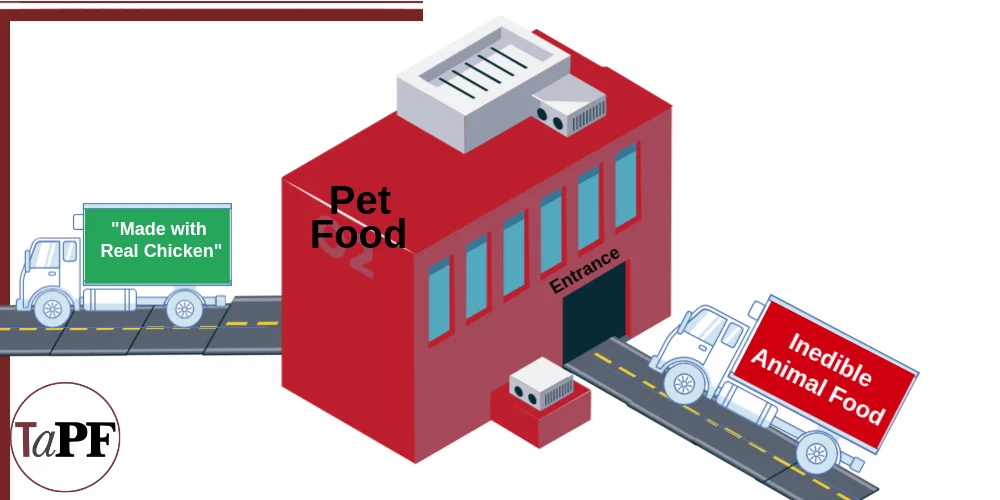
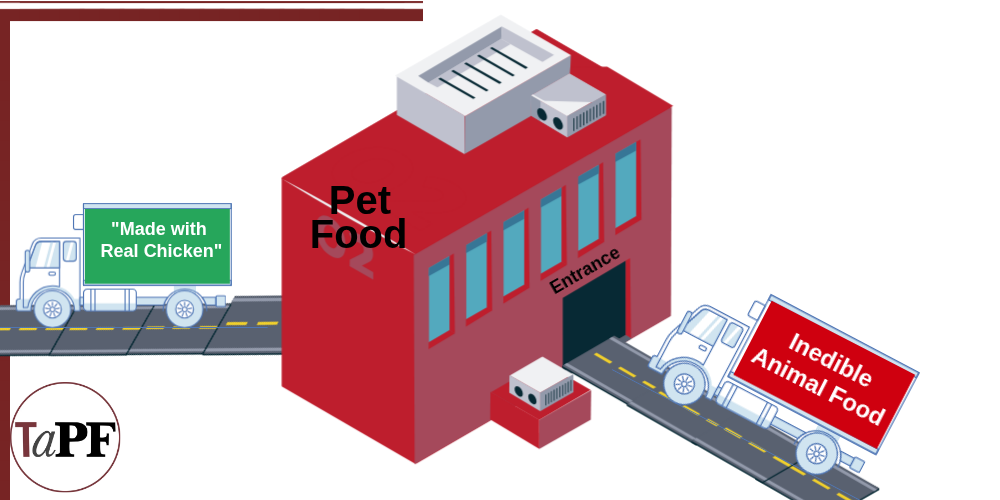
Under current federal guidelines, material that is legally classified as "condemned" or "inedible"—including meat from diseased animals or those that have died by means other than slaughter—is permitted to enter the pet food processing chain. Once inside the manufacturing plant, the legal requirement for this material to be labeled as "inedible" vanishes, allowing it to be rebranded under generic meat terms. This regulatory "vanishing act" has become the focal point of a heated legal and ethical battle between consumer advocates and the Food and Drug Administration (FDA).
Main Facts: The Definition of "Inedible" and the 4D Classification
To understand the gravity of the pet food transparency issue, one must first understand the classification of animal material within the slaughter industry. The United States Department of Agriculture (USDA) oversees the Food Safety Inspection Service (FSIS), which is responsible for ensuring that meat intended for human consumption is safe, wholesome, and correctly labeled.
The 4D Category
Central to this controversy is "4D" meat. In the agricultural and rendering industries, "4D" stands for animals that are Dead, Dying, Disabled, or Diseased. Under USDA regulations, these animals are strictly prohibited from entering the human food supply. They are "condemned" upon inspection or simply never make it to the inspection line because they expired in the field or during transport.
The Labeling Requirement at the Source
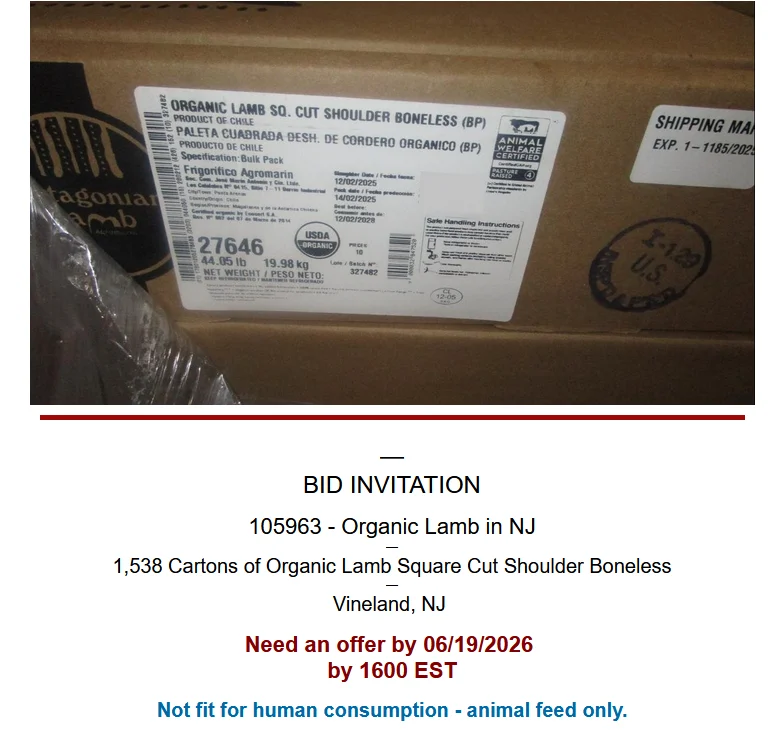
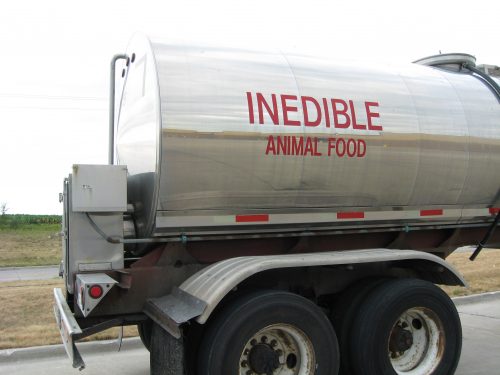
Federal law is explicit regarding the handling of this material. According to 9 CFR Part 325, any condemned or inedible material transported from an official establishment must be marked conspicuously. The law requires:
- Small Containers: Cartons, drums, and barrels must bear the words "Inedible—Not Intended for Human Food" in letters at least 2 inches high.
- Large Transport: Tank cars and trucks must display the same warning in letters at least 4 inches high.
The purpose of this labeling is to ensure a "closed-loop" system where diseased or hazardous material is never accidentally diverted into the human food chain. However, while the USDA ensures the material is labeled as it leaves the slaughterhouse, the agency has no jurisdiction over what happens to that material once it reaches a pet food manufacturing facility.
Chronology: A Multi-Year Battle for Disclosure
The effort to bring transparency to pet food labels has been a protracted administrative struggle led by the Association for Truth in Pet Food (ATPF). The timeline of this struggle highlights what advocates describe as "regulatory foot-dragging" by the FDA.
June 2022: The Initial Petition
In June 2022, the ATPF submitted a formal Citizen Petition to the FDA. The request was straightforward: the association asked that pet food manufacturers be required to disclose on the product label if the food contains "inedible" or "condemned" animal material. The goal was not to ban the ingredients—which are currently legal—but to provide consumers with the information necessary to make an informed choice.
The 120-Day Rule vs. Reality
By law, the FDA is required to respond to such petitions within 120 days. However, the agency’s response did not arrive in months, but in years. According to records cited by consumer advocate Susan Thixton, it took approximately 1,333 days for a final determination to be issued.
March 2026: The FDA’s Denial
In March 2026, the FDA’s Center for Veterinary Medicine (CVM) issued its final response, officially denying the request for label disclosure. The agency’s reasoning was centered on the concept of "consumer expectations" and "food integrity." The FDA stated that it did not believe disclosing the presence of condemned or diseased material was "necessary to maintain the integrity of the food, or ensure that the food meets consumer expectations."
April 2026: Petition for Reconsideration
Following the denial, the ATPF filed a Petition for Reconsideration. This filing argues that the FDA’s refusal contradicts the fundamental principles of the Federal Food, Drug, and Cosmetic Act (FFDCA), which prohibits the misbranding of food. As of mid-2026, the industry remains in a state of suspended animation as the FDA reviews this latest challenge.
Supporting Data: The High Cost of Pet Ownership
The lack of transparency is particularly striking when contrasted with the economic contribution of pet owners to the American economy. The pet industry is no longer a niche market; it is a massive economic engine.
According to data from the American Pet Products Association (APPA), the economic impact of pets is staggering:
- Tax Revenue: In 2024 alone, pet owners and the pet industry contributed $21.6 billion in federal, state, and local tax revenue.
- Market Scale: The pet food segment represents the largest share of the pet industry’s total spending, with billions of dollars spent annually on "premium" and "natural" formulations.
Advocates argue that a demographic contributing over $21 billion to the public coffers deserves basic consumer protection. The argument is one of equity: if a consumer pays a premium for a product labeled "Beef," they are operating under the reasonable assumption that the beef was sourced from healthy cattle fit for consumption, not from 4D animals that were legally marked as "inedible" just moments before entering the factory.
Official Responses and Regulatory Loopholes
The current state of the industry is maintained by a complex hand-off between two federal agencies: the USDA and the FDA.

The USDA’s Position
The USDA’s stance is that its job ends at the slaughterhouse gate. Their regulations (specifically 9 CFR 325.11) actually suggest that 4D animals be disposed of by delivering them to "establishments of animal food manufacturers" or renderers. To the USDA, pet food is a convenient and legal disposal method for material that would otherwise be a biohazardous waste burden.
The FDA’s Position
The FDA Center for Veterinary Medicine (CVM) has a long-standing policy of "exercise of enforcement discretion." Essentially, the FDA acknowledges that the law technically prohibits diseased animal parts in food (under Section 402(a)(5) of the FFDCA), but they choose not to enforce this rule for pet food. Their rationale is that the rendering process—which involves cooking animal tissues at high temperatures to kill pathogens—renders the "inedible" material safe for animal consumption.
However, the FDA’s March 2026 response suggests a deeper refusal to acknowledge the "ick factor" or the ethical concerns of the consumer. By stating that disclosure isn’t necessary for "consumer expectations," the agency is effectively deciding what consumers should and should not care about, rather than providing the data for consumers to decide for themselves.
Implications: The Erosion of Consumer Trust
The implications of this regulatory gap are twofold: they affect both the health of the pets and the integrity of the marketplace.
The Deception of Generic Terms
The primary concern for advocates is the "semantic camouflage" used on labels. When a truckload of meat marked "Inedible" enters a plant and emerges as a bag of kibble labeled "Chicken Meal," the consumer has no way of knowing the quality of the source material. This allows low-quality producers to compete on an uneven playing field with high-quality producers who use human-grade ingredients, as both are permitted to use the same terminology on their packaging.
Potential Health Risks
While the rendering process kills many bacteria, it does not necessarily eliminate all risks. Certain heat-resistant toxins, chemical residues (such as pentobarbital used to euthanize animals), or prions are not always neutralized by standard rendering temperatures. By allowing diseased and 4D animals into the supply chain without disclosure, the system introduces a variable level of risk that is hidden from the end-user.
The Future of Pet Food Advocacy
The ongoing battle between the Association for Truth in Pet Food and the FDA marks a turning point in pet food transparency. With a Petition for Reconsideration currently pending, the focus has shifted to whether the judiciary or Congress will eventually be forced to intervene.
For now, the burden of due diligence remains entirely on the pet owner. Advocacy groups like TruthAboutPetFood.com continue to publish "The List"—a compilation of manufacturers who provide full transparency regarding their ingredient sourcing—as a workaround for the lack of federal labeling requirements.
Conclusion
The $21.6 billion in tax revenue generated by pet owners underscores a significant social contract. Consumers contribute to the maintenance of the state and its regulatory bodies with the expectation that those bodies will protect them from fraud and health hazards. The current FDA stance—that it is "not necessary" to tell a consumer they are feeding their dog diseased meat—represents a significant breach of that contract. Until the "Inedible" label follows the ingredient from the slaughterhouse to the final package, the pet food industry will continue to operate in a shadow of regulatory opacity.