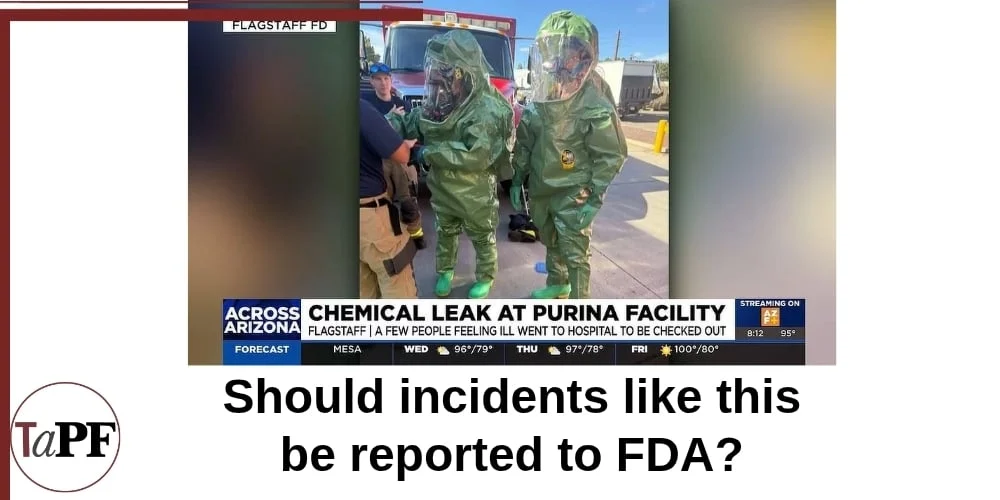
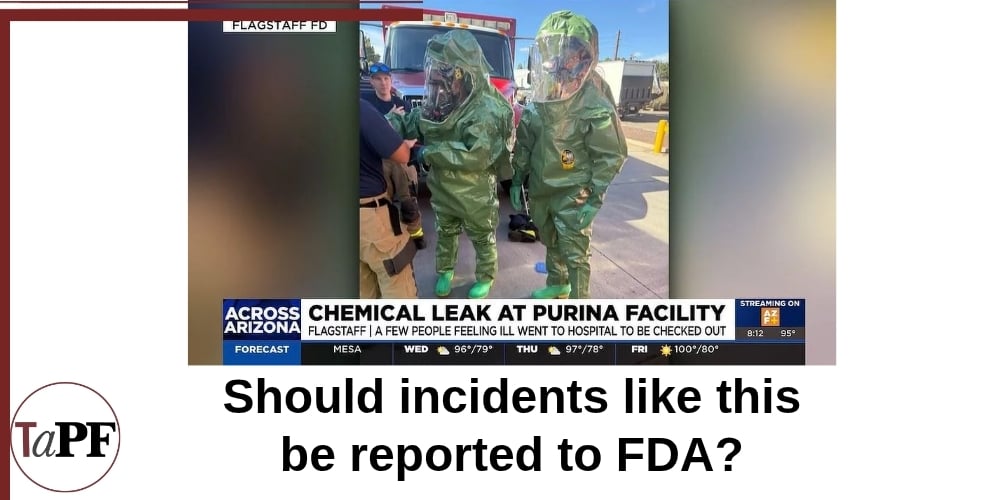
On September 22, 2026, a chemical incident at the Nestlé Purina pet food manufacturing facility in Flagstaff, Arizona, sparked a localized emergency and raised significant questions regarding the intersection of industrial safety and consumer protection. While the immediate situation was resolved without long-term injury to personnel, the event has reignited a debate among safety advocates about the lack of communication between labor regulators and food safety authorities during industrial accidents at pet food plants.
The Incident: Facts and Immediate Aftermath
The incident began when a malfunction in a chemical distribution system caused two incompatible substances to inadvertently mix. According to reports from the site, this chemical reaction triggered corrosion within a distribution line, leading to a 10-gallon chemical spill. The localized event necessitated an immediate evacuation of the plant’s boiler room.
The Flagstaff Fire Department and a specialized hazmat team were dispatched to the scene. Upon arrival, emergency responders conducted an atmospheric evaluation to detect any volatile or hazardous gases that may have been released during the chemical reaction. Following their assessment, authorities issued an "all-clear," determining that no dangerous gases were present in the facility.
Three employees were transported to a local hospital for evaluation following the incident. According to a Purina representative, all three individuals were cleared, none were admitted for inpatient care, and all resumed their professional duties later that same day. The company maintained that the boiler room—the site of the spill—is physically isolated from the zones where pet food production occurs.
Chronology of Events: September 22, 2026
- Early Morning: A chemical distribution system at the Purina Flagstaff plant experiences a malfunction.
- System Failure: Two chemicals, typically kept separate, mix within a distribution line, resulting in rapid corrosion and a 10-gallon spill.
- Emergency Response: Plant management initiates an immediate evacuation of the boiler room. Emergency services, including the Flagstaff Fire Department and hazmat teams, are alerted.
- Assessment: Hazmat teams inspect the facility for toxic gas releases.
- Clearance: After finding no evidence of airborne hazards, the Fire Department declares the facility safe for re-entry.
- Medical Follow-up: Three employees are taken to a medical facility as a precautionary measure. By the end of the business day, all three return to work.
- Corporate Statement: Purina officials issue a statement confirming the spill was contained, the area is separate from production, and that there is no ongoing risk to operations.
The Production Landscape of the Flagstaff Plant
The Purina Flagstaff facility is a significant hub in the company’s manufacturing network. It is responsible for the production of several high-volume pet food brands, including Dog Chow, Beneful, Nestlé Purina ONE, Alpo, and Pro Plan.
Because of the scale of production and the nature of kibble manufacturing, the facility utilizes complex industrial machinery, high-heat ovens, and various chemical additives for processing. The incident in September serves as a reminder that pet food plants are large-scale industrial environments. These facilities are inherently prone to the risks associated with combustible dust—a byproduct of grain and meal processing—and the high-pressure systems required to extrude kibble.
While the boiler room incident was contained, the broader concern among consumer advocates is the potential for such accidents to impact the "product stream"—the ingredients and finished goods that eventually end up in the bowls of millions of pets.
The Jurisdictional "Silo" Problem
A critical issue highlighted by this incident is the rigid, siloed nature of government oversight. When emergency services respond to a plant, their mandate is clear: protect human life and structural integrity. They assess the facility for fire, explosion risks, or chemical hazards that could harm workers or the public.
However, these agencies generally have no remit to evaluate the safety of the food products themselves. If a fire occurs, the fire marshal is concerned with suppression and prevention; they are not tasked with checking if smoke or extinguishing chemicals have contaminated thousands of pounds of open grain or pet food ingredients. Similarly, if OSHA (Occupational Safety and Health Administration) conducts an inspection, it is exclusively to ensure that the workplace environment meets federal safety standards for human labor.
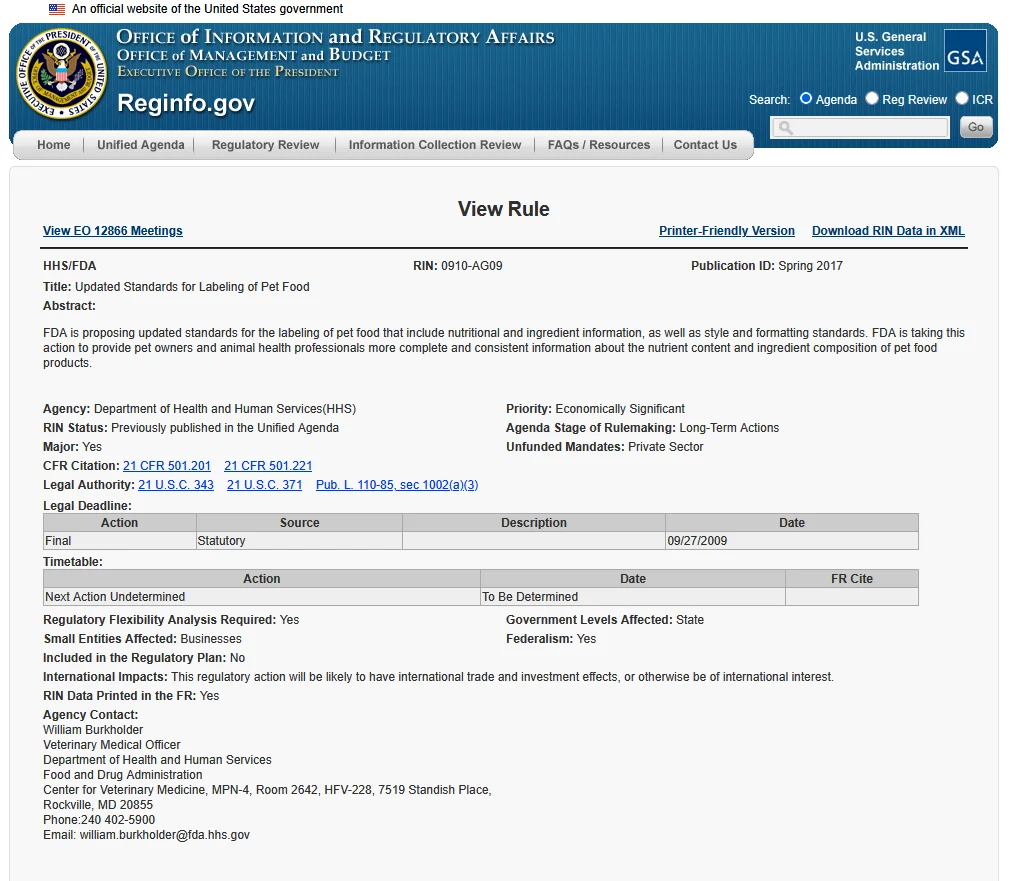
This creates a dangerous gap in the regulatory framework. There is currently no federal or state requirement mandating that pet food manufacturers report industrial accidents—such as fires, leaks, or spills—to the Food and Drug Administration (FDA) or state agricultural departments. Consequently, regulators tasked with ensuring pet food safety are often kept in the dark about potential contamination events that could jeopardize the supply chain.

Historical Precedents and the Aflatoxin Example
The lack of inter-agency cooperation is not a new phenomenon. In 2020, during a major recall involving Midwestern Pet Foods due to high levels of aflatoxins, the systemic failure to share information was laid bare.
Aflatoxins, which are toxic compounds produced by certain molds, are hazardous not only when ingested by pets but also when inhaled as dust by workers in grain-handling facilities. When the FDA identified the toxic levels in the pet food, they did not proactively notify OSHA. When questioned about this, the FDA responded that employee safety fell outside their jurisdiction. This "not my job" mentality means that workers may be exposed to hazardous materials while regulators responsible for their protection remain unaware of the threat, and conversely, the FDA remains unaware of industrial events that could compromise food safety.
Implications for the Future: Should Disclosure Be Mandatory?
The debate over whether manufacturers should be required to report every industrial incident to food safety authorities is gaining momentum. Advocates argue that transparency is a fundamental pillar of consumer trust.
Arguments for Mandatory Reporting:
- Supply Chain Integrity: If a spill or fire occurs, even in a "non-production" area, the potential for cross-contamination through ventilation, personnel movement, or shared storage is significant.
- Public Trust: Consumers deserve to know if the facility producing their pet’s food has suffered a catastrophic event that could compromise product quality.
- Proactive Risk Management: By centralizing incident reports, the FDA could identify patterns in manufacturing plants that might indicate systemic maintenance failures, allowing for targeted inspections before a recall becomes necessary.
- Cross-Agency Intelligence: Requiring an "early warning" system where a 30-second phone call or automated email notification is sent to both labor and food safety agencies could close the jurisdictional gap that currently leaves everyone at risk.
Challenges to Implementation:
Manufacturers often express concerns regarding the proprietary nature of their operations and the potential for reputational damage following minor incidents. However, as the industry moves toward higher standards of transparency, many argue that the "common courtesy" of notifying the appropriate authorities is not just a moral obligation, but a business necessity to maintain the integrity of the pet food industry.
Conclusion
The Purina Flagstaff chemical leak may have been a minor event in terms of its immediate physical impact, but it serves as a stark case study in the limitations of our current regulatory environment. As pet owners become increasingly invested in the health and safety of their animals, the disconnect between industrial safety protocols and consumer protection standards is becoming increasingly difficult to justify.
Whether through voluntary corporate transparency or a change in federal law, the goal must be a more cohesive approach to safety. When an industrial accident occurs, the primary concern should not just be the boiler room or the factory floor—it should be the comprehensive safety of the environment, the workers, and the end product. Until regulators across all agencies begin to look "outside the box" of their own jurisdictions, the risk of preventable contamination remains a shadow over the pet food manufacturing industry.
Moving forward, the industry must decide: Is it enough to rely on internal safety measures, or is it time to codify a system of mandatory disclosure that ensures every stakeholder—from the plant worker to the pet owner—is protected by a transparent and integrated oversight process? The current incident suggests that, at the very least, the conversation is long overdue.