In a landmark victory for animal welfare, approximately 1,500 beagles have been liberated from the notorious Ridglan "Farms" facility—a multi-million dollar enterprise that has supplied laboratory research animals for decades. While the release marks a monumental shift in the lives of these dogs, it also signals the beginning of a complex, long-term process of rehabilitation. As these animals transition from the sterile, restrictive environment of wire cages to the warmth of family homes, experts are grappling with a fundamental question: Can a dog raised in "canine hell" ever truly heal, and what does it take to guide them toward a normal life?
The Anatomy of the Scandal: A Decade of Allegations
For over ten years, Ridglan Farms—a commercial breeding facility—has faced intense scrutiny from former employees, animal rights activists, and behavioral scientists. The allegations were grave: systemic neglect, substandard living conditions, and egregious acts of cruelty. Reports surfaced of beagles undergoing surgical procedures without anesthesia, veterinary oversight, or sterile equipment.
The pressure reached a boiling point recently when the facility faced 311 counts of animal cruelty. To avoid criminal prosecution, Ridglan reached a settlement with a special prosecutor, agreeing to surrender its seller’s license by July 1st. This agreement serves as a hard-won victory for advocates like Rebekah Robinson of Dane4Dogs, who spent a decade documenting the suffering and navigating the legal system to secure the dogs’ release. The intervention of animal behaviorists, including Dr. Patricia McConnell, provided the scientific weight necessary to prove that the environmental deprivation at Ridglan was causing profound, quantifiable psychological damage to the animals.

Chronology of the Liberation
The rescue of the 1,500 beagles was not an overnight success; it was the result of a sustained campaign of advocacy and legal pressure.
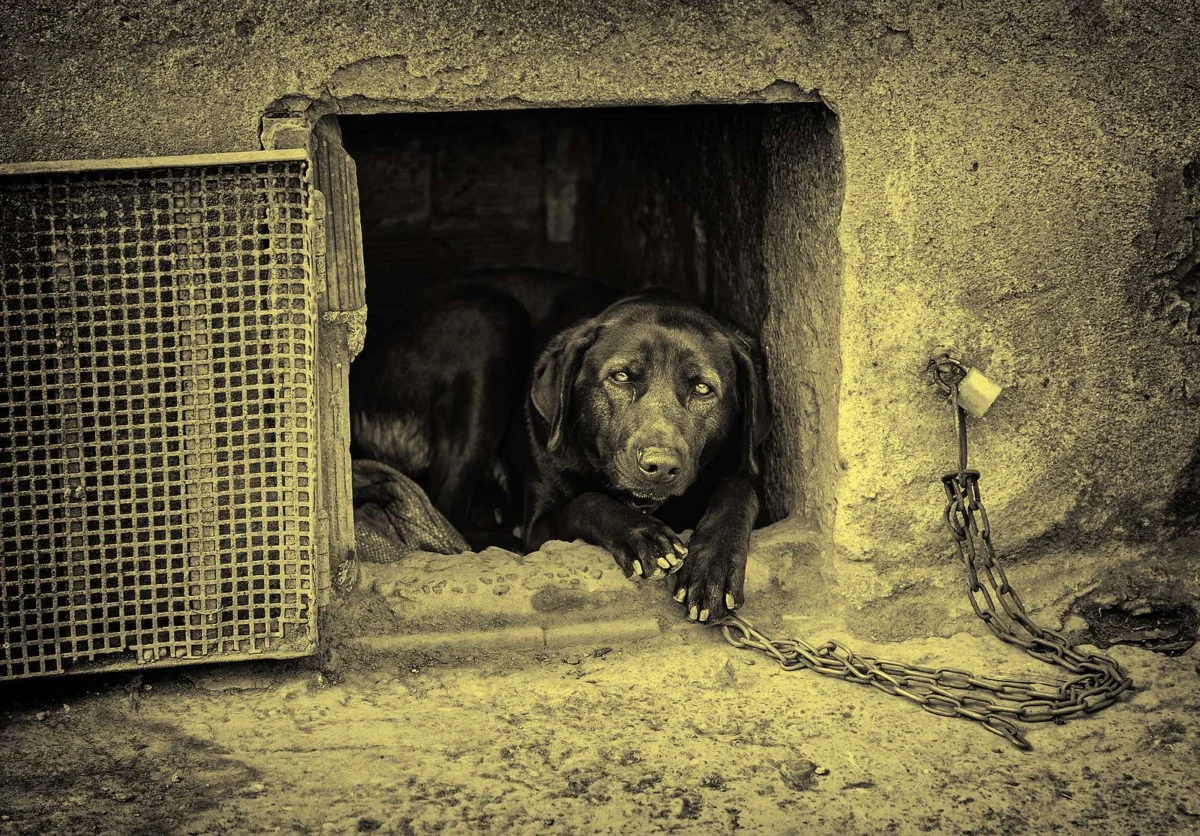
- The Advocacy Phase: For years, Dane4Dogs worked to bring public attention to the facility, collecting testimonies from former staff regarding the daily reality of the dogs: life in tiny, wire-floored cages with nothing but a water tube for stimulation.
- The Legal Tipping Point: As evidence mounted, a special prosecutor was appointed to review the cruelty claims. The subsequent threat of criminal charges forced the facility to negotiate the closure of its commercial breeding operations.
- The Logistics of Rescue: Following the settlement, a coordinated effort began to triage, vet, and relocate the dogs. Organizations such as the Dane County Humane Society (DCHS), the Beagle Freedom Project, the Wisconsin Humane Society, and Big Dog Ranch Rescue in Florida stepped in to manage the massive influx of animals.
- The Ongoing Process: While 1,500 dogs have been moved, negotiations continue for the remaining animals, though approximately 190 are reportedly tied to active research projects and remain on-site for the duration of those studies.
Neurobiology and the "Plastic" Brain
To understand the rehabilitation of these beagles, one must first understand the developmental impact of their early years. According to behavioral science, the brain is not a static organ; it is a dynamic, "plastic" structure that thrives on sensory input and positive reinforcement.
"Brains are like software programs designed to be customized once they’ve been taken home," notes Dr. Patricia McConnell. In healthy environments, early interactions—exposure to new sights, sounds, and social connections—build resilience in brain structures like the amygdala, which regulates fear and stress responses.

The Ridglan beagles, however, were raised in "impoverished conditions." In the absence of social stimulation and physical freedom, their brains did not develop the neural architecture necessary for resilience. When these dogs are first removed from their cages, they are often paralyzed by the sheer volume of sensory information in the outside world. Many "shut down," retreating into corners or showing extreme hesitation, a biological response to a world they were never taught to navigate.
The Role of Genetics: The "Docile" Paradox
One of the most poignant ironies of the Ridglan case is why beagles were selected for this life in the first place. They were the "dog of choice" for laboratories specifically because of their stable, docile temperaments. While this trait made them easier to handle in a lab, it is also their saving grace in the recovery process. Unlike more hyper-vigilant breeds that might react to trauma with aggression, the beagle’s inherent gentleness provides a foundation for rehabilitation. Experts suggest that if the facility had been filled with high-energy, sensitive working breeds like Border Collies, the psychological damage might have been even more difficult to reverse.
A Blueprint for Rehabilitation
Shelters and organizations like the ASPCA’s Behavioral Rehabilitation Center have spent years refining the techniques required to help "shut-down" dogs. Their findings offer a hopeful roadmap for the families currently adopting these beagles:

1. Patience and Sensory Regulation
The first three days are critical. Dogs arriving from restrictive environments need a "safe house"—a quiet, controlled space where they can adjust at their own pace. This often involves a crate, draped with a blanket, providing a sanctuary where the dog can retreat when the world becomes overwhelming.
2. The Power of Canine Mentors
Perhaps the most important factor in a dog’s recovery is the presence of a stable, socialized dog. Dogs are social learners. When a fearful beagle watches a confident, calm canine companion approach a human or navigate a doorway, they receive a silent, non-threatening lesson in safety. This "role model" approach is frequently cited as the single most effective tool in helping abused dogs reintegrate into a household.
3. Positive Reinforcement
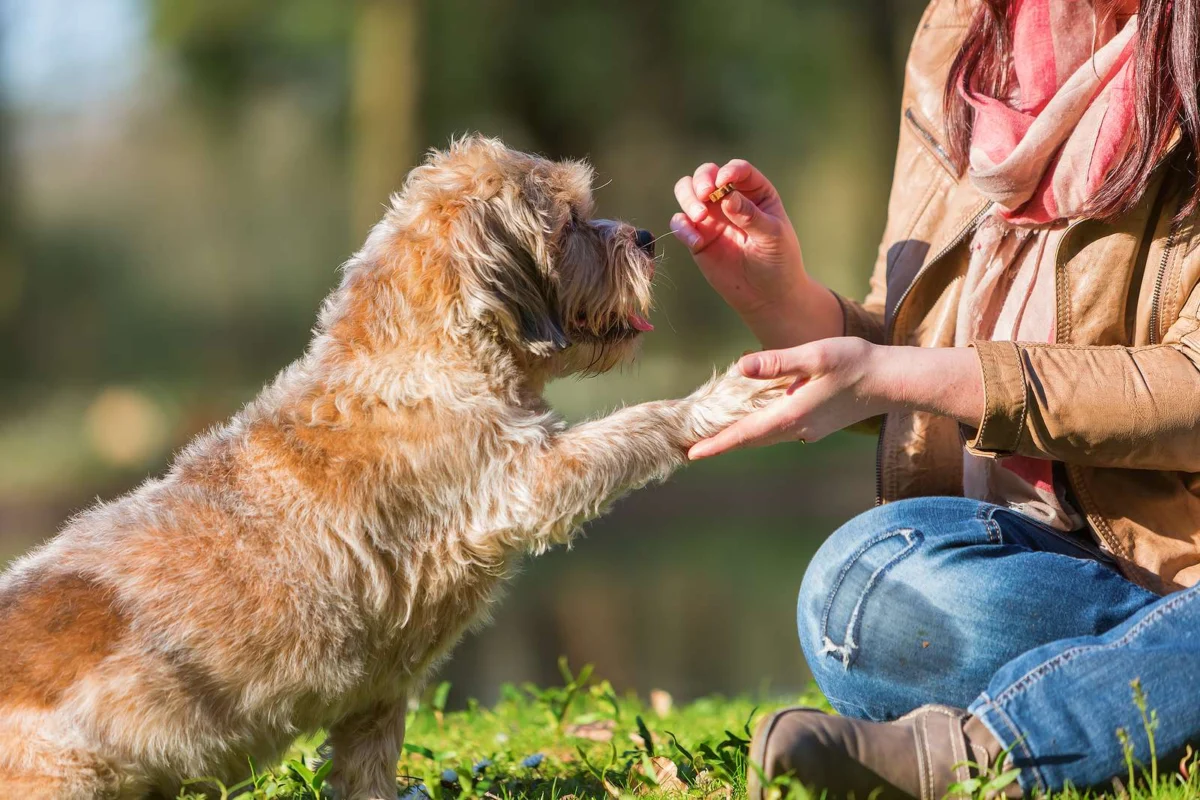
Traditional training methods, which rely on correction, are counterproductive for traumatized dogs. Rehabilitation must be built on positive reinforcement—rewarding small steps, such as taking a treat or following a human’s movement. It is a slow, methodical process of building trust, where the human must be a quiet, predictable presence.

4. The Stability of Routine
For a dog who has lived in a world where "doom can fall at any moment," a predictable schedule provides a much-needed sense of agency. Consistent meal times, potty breaks, and walk times allow the dog to predict the future, which, in turn, helps lower their chronic cortisol levels and reduces anxiety.
Implications for Future Legislation
The liberation of the Ridglan beagles is a victory, but it is also a call to action. The legal threshold for "animal welfare" in the United States remains distressingly low. The fact that the conditions at Ridglan—which included life in a wire cage with no bedding or environmental enrichment—were technically legal under the Animal Welfare Act for so long is a sobering indictment of current statutes.
Advocates argue that the "status quo" is no longer acceptable. The next frontier for animal welfare organizations is to push for federal and state laws that mandate higher standards of care for all dogs, regardless of whether they are destined for the family home or a laboratory. "When you know better, you do better," as the saying goes; having witnessed the horrific reality of the Ridglan facility, the public is now better informed than ever.

Conclusion: A Moral Universe
The story of the 1,500 beagles is one of tragedy turned toward hope. While many of these dogs may never fully shed the scars of their past, the vast majority are capable of becoming cherished family members. The success of their recovery, however, rests on the collective patience and education of the public.
As we celebrate the liberation of these dogs, we are reminded of the words of Dr. Martin Luther King Jr.: "The arc of the moral universe is long, but it bends toward justice." For the beagles of Ridglan, the arc has finally begun to bend. Their journey—from the darkness of a wire cage to the light of a backyard, a soft bed, and a kind hand—is a testament to the resilience of the canine spirit and the enduring power of human compassion. As these dogs find their forever homes, they carry with them the potential for a life they were never meant to have, but one they profoundly deserve.