
Introduction: A Moment of Serendipitous Alignment
In the world of animal behavior, timing is everything. It is a rare moment of serendipity when a seminal work meets a industry-wide shift in perspective. For renowned animal behaviorist and author Patricia McConnell, that moment has arrived. As the canine training community prepares to gather for the upcoming CANIS conference—an event dedicated to the profound transformation in how we understand our four-legged companions—McConnell has released a significantly revised edition of her classic guide, The Puppy Primer.
The original text, which served as a foundational manual for thousands of puppy owners since its 2008 publication, has been updated to reflect eighteen years of advancements in positive reinforcement training. This revision serves as both a retrospective on the evolution of dog training and a forward-looking roadmap for the next generation of pet owners.
The State of the Industry: A Profound Transformation
The animal care field is currently undergoing a structural shift. The organizers of the CANIS conference capture this sentiment perfectly: "The animal care field is in a profound state of transformation. Nowhere is this more evident than in the care and understanding of our canine companions."
This transformation is not merely anecdotal; it represents a move away from traditional, often coercive, training methodologies toward a science-based approach rooted in behavioral biology and psychology. The new edition of The Puppy Primer addresses this shift, focusing on the nuances of communication—specifically the clarity of cues, the precision of markers, and the efficacy of positive reinforcement.
The Pillars of Effective Communication
McConnell’s revised edition places a renewed emphasis on the mechanics of human-dog interaction. Despite the ubiquity of information, she notes that human error in communication remains the primary barrier to successful training.
The Misunderstood Cue
A "cue" is, theoretically, a simple concept: a signal that tells a dog what is expected. However, in practice, it is often a source of confusion. "If you’ve worked with the general public a lot, you know how badly most of us humans mess it up," McConnell writes.
Common pitfalls include:

- Inconsistency: Using "Come" one day and "Get over here" the next, leaving the dog unable to bridge the linguistic gap.
- The Anthropomorphic Trap: Believing that dogs possess a "mind-meld" ability that allows them to intuit human intent without verbal or visual signals.
- Visual Neglect: Failing to recognize that dogs are primarily visual learners, often focusing on human body language while the handler is preoccupied with speech.
The Power of the Marker
One of the most significant pedagogical shifts in the new edition is the formalization of "marker training." While the 2008 edition introduced the clicker, the new version expands on the concept of the marker—a distinct signal that tells the dog, "Yes! That is exactly what I wanted."
McConnell advocates for verbal markers like "Good!" or "Yes!" as a practical alternative to the clicker. She argues that while clickers remain an excellent tool, the ease of use associated with a verbal cue ensures that owners are more likely to implement the technique consistently in the heat of a training moment.
Positive Reinforcement (R+)
The revised text reinforces the definition of positive reinforcement, emphasizing that the label "positive" is defined entirely by the receiver. An owner may offer a "good boy!" as praise, but if the dog perceives it as mere background noise, the reinforcement is functionally zero. The goal of the new edition is to teach owners how to provide meaningful, high-value reinforcement that effectively shapes desired behaviors.
Chronology: Eighteen Years of Progress
To understand the necessity of this revision, one must look at the timeline of dog training evolution.
- 2008: The original Puppy Primer is published. It becomes a staple in training classes, selling over 185,000 copies and providing a vital, accessible resource for the average household.
- 2008–2026: The industry experiences a data explosion. New research into canine cognition, stress signals, and learning theory renders some older, popular techniques—such as the "yelping" method to stop puppy biting—obsolete.
- 2026: The revised Puppy Primer is released. It replaces the "yelp" with more effective, less ambiguous interrupters and incorporates the "mark and treat" philosophy as a standard practice for all foundational skills.
Supporting Data and Methodology
The revision was prompted not just by a desire to modernize the tone, but by a critical assessment of efficacy. McConnell collaborated with colleagues to debate the inclusion of the phrase "mark and treat." While it may sound like jargon to the novice, she concluded that embedding this terminology early helps owners internalize the relationship between marking a behavior and providing reinforcement.
The updated book includes:
- Revised "Four on the Floor" training: A modern approach to discouraging jumping, which focuses on positive reinforcement rather than punitive measures.
- Crate Training Updates: New, evidence-based strategies for managing vocalization and distress during confinement.
- Recommended Reading: A completely overhauled bibliography that directs readers to the latest, most scientifically sound literature in the field.
Official Perspectives: The Value of Accessibility
Little Creek Press, which published the new edition, has focused on maintaining the balance between academic rigor and accessibility. The book is intended for the "neighbors down the street"—people who may be overwhelmed by a puppy that is biting their forearms and just need a clear, actionable path forward. By keeping discussions on cues and markers short but consistent throughout the text, the book ensures that training becomes a habitual, rather than academic, exercise.

Implications for the Future of Training
The implications of this shift are significant. By prioritizing the "mark and treat" method, owners are encouraged to view training as a continuous dialogue rather than a series of commands. This creates a stronger bond between human and animal, reducing the frustration that often leads to the surrender of young dogs.
Furthermore, the shift away from techniques like "yelping" underscores a growing maturity in the pet-owning public. As McConnell notes, while yelping was once considered a "natural" way to mimic littermate interaction, it is far too prone to human error and misinterpretation. Moving toward walking away or redirecting behavior is a safer, more effective strategy that respects the dog’s emotional state.
Personal Reflections from the Field
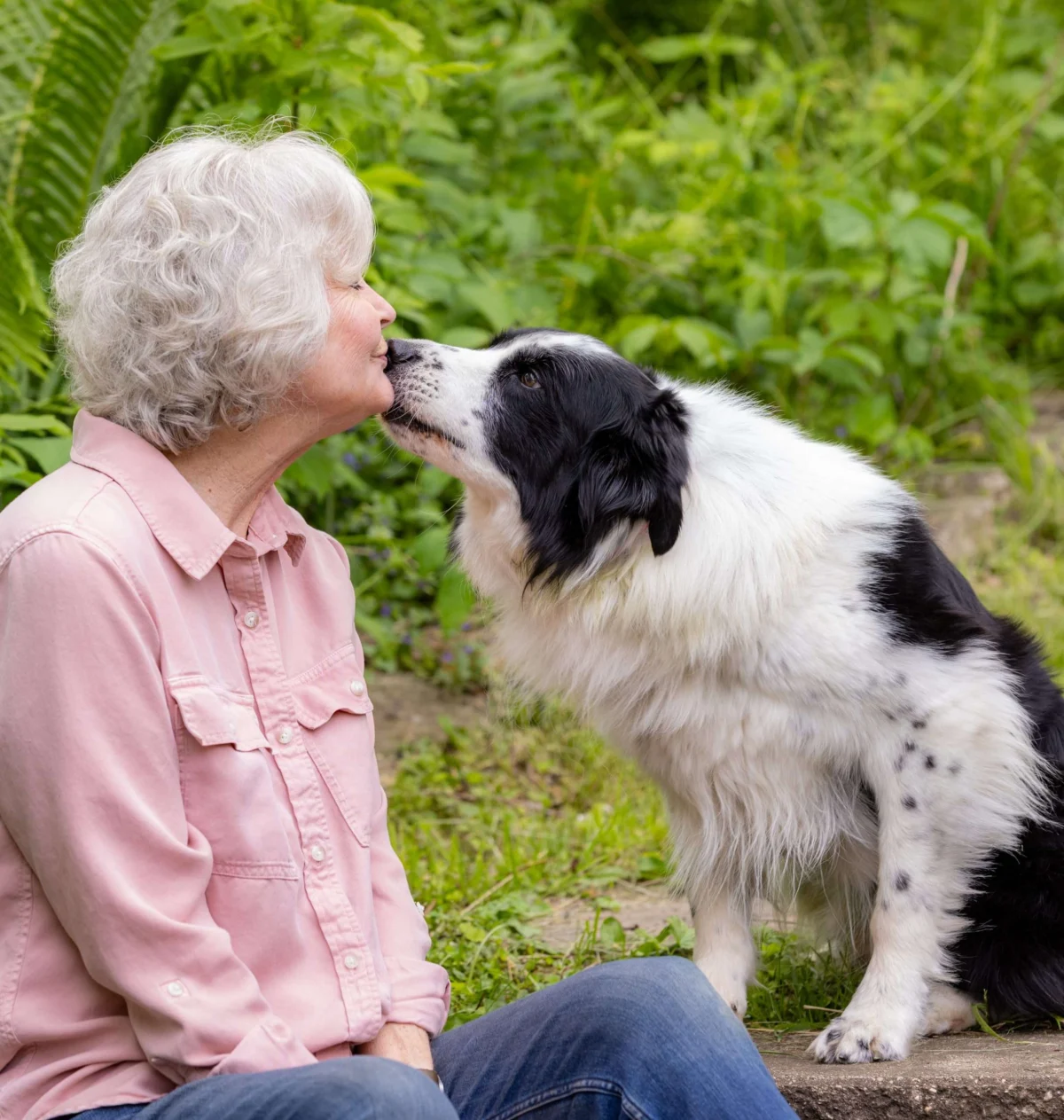
Beyond the professional sphere, the update serves as a reminder of the life cycles of our own companions. McConnell shares a poignant update regarding her own border collie, Maggie. At nearly 14 years old, Maggie’s hearing is fading, yet her drive remains. "She does nice outruns and then just starts driving in a direction of her choice," McConnell writes. "I just let her do what she wants for a while. It makes her so happy!"
This philosophy—that our relationship with our dogs should evolve as they age—mirrors the evolution of the book itself. Just as the Puppy Primer has been updated to reflect new understanding, our interactions with our aging dogs must be updated to reflect their changing needs.
Conclusion: An Invitation to Connect
The publication of this revised edition, occurring in tandem with the CANIS conference, represents a call to action for trainers and owners alike. Whether you are a professional instructor looking for better ways to communicate with your clients, or a new puppy owner trying to survive the teething phase, the core message is clear: clear communication is the key to a joyful life with a dog.
As the industry gathers in October for the CANIS conference and the accompanying "Saturday Night Fever" disco dance, the atmosphere is one of celebration. It is a celebration of the progress made in the last eighteen years and the ongoing effort to ensure that the "profound transformation" in animal care reaches every household.
For those interested in the latest techniques, the updated Puppy Primer serves as an essential companion. And for those attending the conference, McConnell offers a friendly invitation: "Come up and say hi. It’ll be hard to miss me."
Quick Reference: Key Training Concepts
- Cues: Signals that tell a dog what to do. Must be consistent, clear, and distinct from body language.
- Markers: A specific, consistent signal (verbal or mechanical) that marks the exact moment a desired behavior occurs.
- R+ (Positive Reinforcement): The addition of a pleasant stimulus following a behavior, which increases the likelihood of that behavior recurring.
- Mark and Treat: The foundational habit of marking a behavior and immediately following with a reward (treat), which speeds up the learning process significantly.