September 14, 2026 | Analysis
In the modern household, the dog occupies a position that is as secure as it is paradoxical. They are simultaneously our closest companions, our confidants, and, in the eyes of the law, our property. As our societal understanding of animal sentience deepens, the terminology we use to define our relationship with dogs has come under intense scrutiny. Are we owners, parents, or guardians? The answer to this question, explored by renowned animal behaviorist Dr. Patricia McConnell, strikes at the heart of how we conceive of our ethical obligations to the creatures who share our lives.

The Semantics of Sentience: A Linguistic Dilemma
For those who view their dogs as integral members of the family, the traditional lexicon feels increasingly insufficient. The term "owner" conveys a sense of dominion that clashes with the reality of a modern, emotional bond. To own an object—a car, a piece of furniture, a leash—is to possess something that lacks its own internal life or autonomy. Yet, dogs are sentient beings with complex internal worlds, specific needs, and individual integrity.
When humans cling to the label of "owner," they inadvertently uphold a hierarchical structure reminiscent of the Great Chain of Being, a centuries-old philosophy that places humans at the pinnacle of the natural world. In practice, this mindset can lead to a reductive view of the animal, turning a biological partner into a commodity.

Conversely, the rise of the term "pet parent" reflects a shift toward viewing dogs as dependents. Much like a human child, a dog relies on its human for sustenance, medical care, and guidance. However, this terminology carries its own set of risks. Critics—including many human parents—argue that equating a canine to a child minimizes the unique nature of human parenthood. Furthermore, it risks infantilizing the dog, ignoring the fact that they are, in their own right, adult members of a distinct species.
The Case for Guardianship
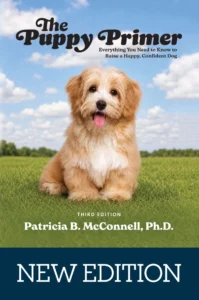
In her recent revision of the seminal work The Puppy Primer, Dr. McConnell navigates these linguistic tensions by settling on the term "guardian." A guardian is defined by a duty of care; they are charged with protecting the welfare and rights of an individual who cannot necessarily advocate for themselves. While it lacks the warmth of a familial title, "guardian" offers a legal and moral framework that respects the dog’s autonomy while acknowledging the profound responsibility the human bears for their safety and well-being. Yet, even this term leaves much to be desired, failing to fully capture the emotional intimacy that defines the modern human-canine experience.

Indigenous Perspectives and the "Biological Miracle"
Dr. McConnell posits that perhaps the solution lies not in finding a better English noun, but in shifting our philosophical framework entirely. Looking toward Indigenous traditions, which often categorize other animals as brothers, sisters, or elders, offers a potential path forward. This perspective removes the human from the position of "master" and replaces it with a role of stewardship.
This approach acknowledges the "biological miracle" of the dog—a species that has co-evolved with humans for millennia. Rather than exercising dominion, this model emphasizes a reciprocal responsibility: to honor, thank, and learn from the animals in our care. It is a paradigm shift that honors the dog’s "dogness" while celebrating the unique, cross-species connection that defines our lives.

Chronology of the 2026 Wisconsin Sheep and Wool Festival
The search for meaning in the canine-human relationship was highlighted by Dr. McConnell’s recent attendance at the Wisconsin Sheep and Wool Festival in Jefferson, Wisconsin. The event served as a microcosm of the very bond being debated: a space where working dogs and their handlers perform in a partnership defined by mutual respect and high-stakes cooperation.
- Arrival and Atmosphere: As summer transitioned into autumn, the festival grounds provided a backdrop of golden fields and changing foliage. The event, a staple for the agricultural community, focused heavily on the efficacy of working dogs in high-pressure environments.
- The Scribing Experience: Dr. McConnell took on the role of a scribe for judge Nancy Flynn during the Crook and Whistle Sheepdog Trial. The task involved meticulous documentation of the dogs’ performance, specifically the "outrun"—a 20-point maneuver where a dog circles sheep to gather them.
- Performance Metrics: The trial served as a harsh, honest test of canine skill. Young, inexperienced sheep often behaved unpredictably, providing a challenge that forced dogs to demonstrate not just physical speed, but patience and "stock sense." It was a reminder that dogs are not merely companions, but highly specialized, intelligent workers with their own distinct capabilities.
- Community Engagement: Throughout the festival, attendees engaged with the literary side of this bond, as Dr. McConnell discussed her novel, Away To Me, and showcased the upcoming, fully revised edition of The Puppy Primer, due for release on October 1st.
Supporting Data: The Complexity of the Working Relationship
Observations from the Wisconsin sheepdog trials offer a vital data point in the debate over terminology. In the arena, the dog is not a "pet" being pampered, nor is it merely "property" being used. It is a partner.

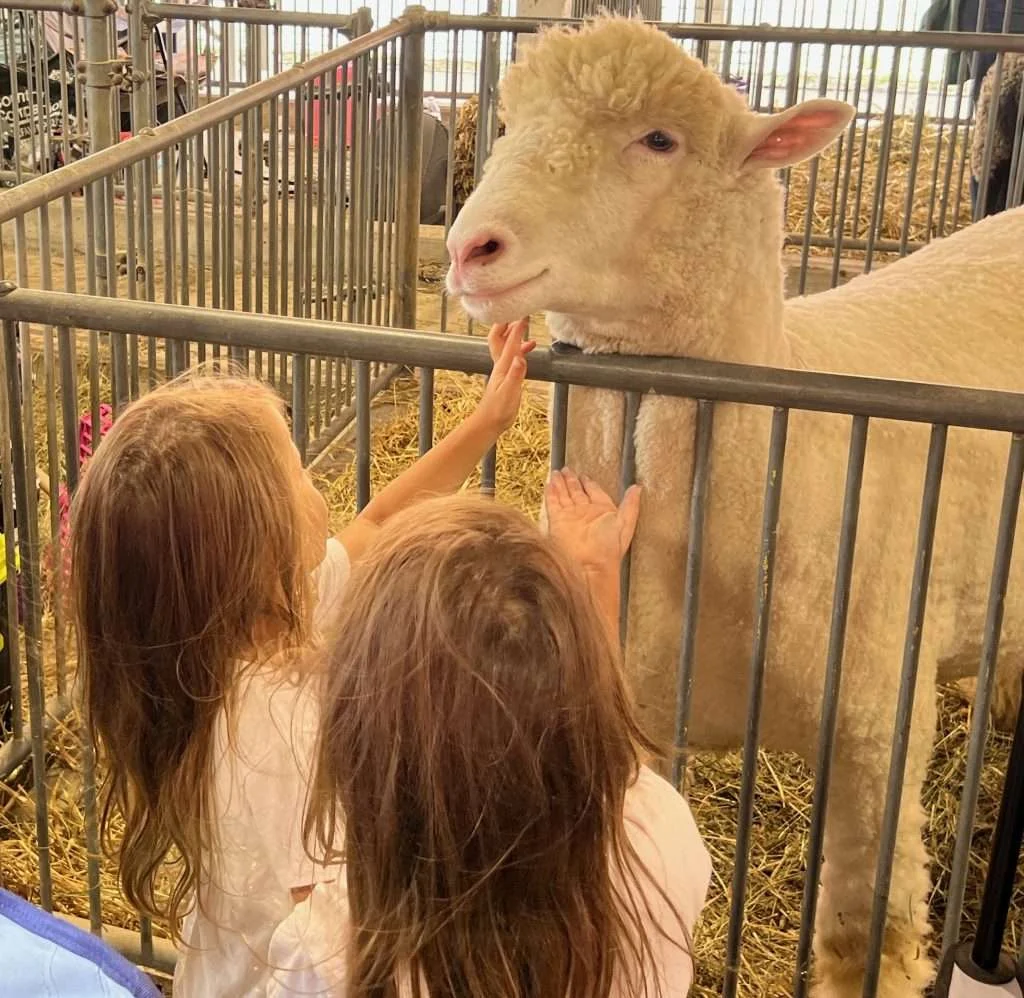
When a handler watches a dog navigate a flock of erratic lambs, the relationship is defined by communication and trust. The dog must make split-second decisions that the human cannot dictate from afar. This dynamic challenges the "owner" narrative—an owner controls their property, but a handler must negotiate with their partner. The success of these teams relies on the handler’s ability to recognize the dog as a sentient, thinking agent. The "joy" observed in the sheep barns—where children connected with livestock and wool-spinning craftswomen celebrated their trade—underscores that the human-animal bond is multifaceted, rooted in both utility and profound emotional resonance.
Official Responses and Future Implications
The upcoming launch of The Puppy Primer and the excitement surrounding the CANIS conference highlight a growing hunger for more nuanced guidance on how to raise and train dogs. By promoting "guardianship" as the superior, if imperfect, framework, industry leaders are signaling a move toward higher standards of welfare.

Implications for Future Training
- Reframing the Power Dynamic: By shifting from "owner" to "guardian," trainers and behaviorists can better emphasize the need for consent-based, positive reinforcement methods. If we view ourselves as guardians, the use of harsh, punitive measures (such as the physical correction witnessed in clinical settings) becomes ethically indefensible.
- Educational Outreach: The inclusion of literature like The Puppy Primer in conference swag bags and the active discussion of these terms at events suggest that the professional community is ready to bridge the gap between academic animal behavior and the average household.
- Societal Recognition: As more people adopt the "guardian" or "steward" mindset, it is likely that future legal and social standards will follow suit, further enshrining the rights of companion animals in our communities.
Conclusion: A Call to Reflect
As we look toward the final months of 2026, the question of what to call ourselves remains open-ended. Whether we eventually land on "guardian," "steward," or a yet-to-be-coined term that perfectly captures our connection, the dialogue itself is evidence of our evolving moral conscience.
Dr. McConnell’s journey—from the quiet reflection on her farm to the bustling energy of the sheepdog trials—reminds us that our dogs are not merely living in our houses; they are participants in our lives. As we continue to refine our language, we are, in essence, refining our own humanity. The "biological miracle" of the dog deserves nothing less than a name that reflects the depth of our responsibility and the magnitude of our gratitude.

For those interested in further exploring these themes, The Puppy Primer (Revised Edition) will be available from Little Creek Press on October 1, 2026. Further discussions on this topic will be held at the upcoming CANIS conference.