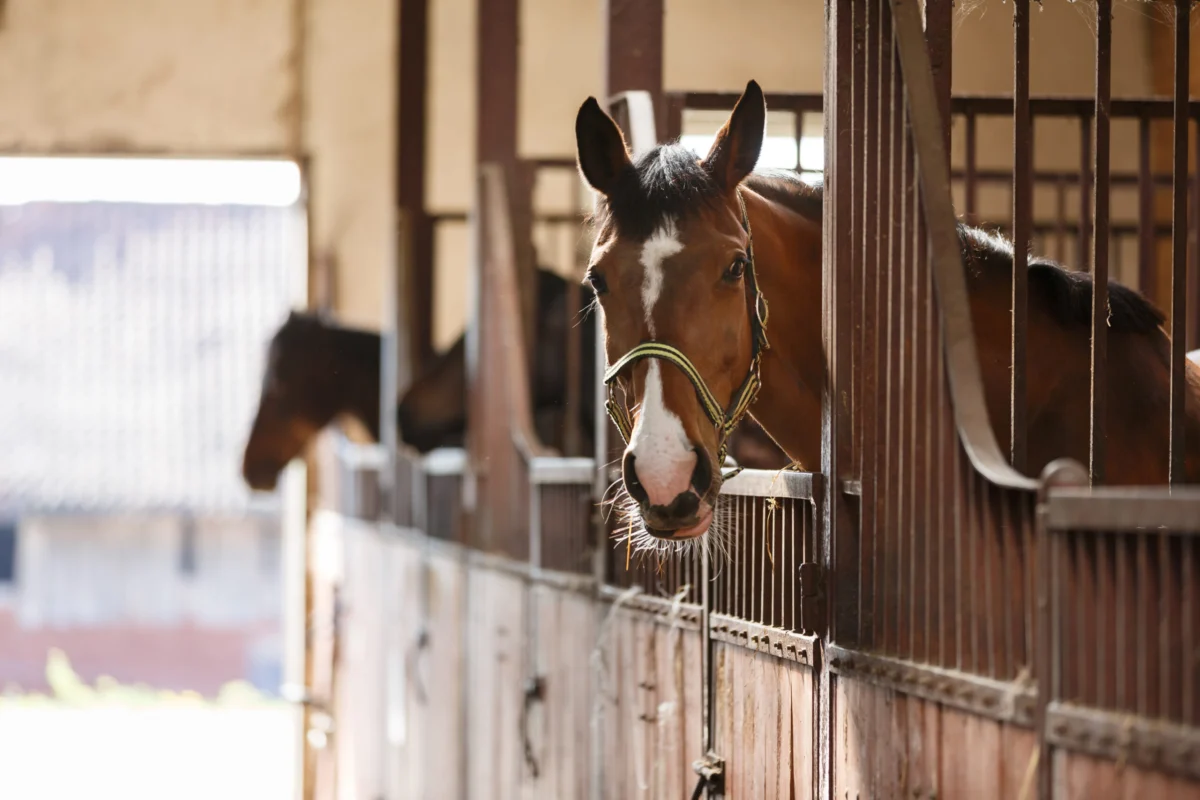
WASHINGTON COUNTY, Tenn. — State agriculture officials have confirmed a new case of West Nile virus (WNV) in a Tennessee equine resident. According to a recent advisory issued by the Tennessee Department of Agriculture and distributed through the Equine Disease Communication Center (EDCC) Health Watch network, a single horse in Washington County has tested positive for the potentially deadly neurological disease.
The confirmation serves as a stark reminder of the persistent threat posed by vector-borne diseases to the region’s equine population, prompting veterinarians and state animal health officials to reiterate calls for strict biosecurity measures, proactive mosquito control, and up-to-date vaccinations.
Main Facts: Understanding the Washington County Case
The core details surrounding the recent diagnosis highlight the ongoing vulnerability of unvaccinated or under-vaccinated horses during peak vector seasons.
- The Patient: One horse located within Washington County, Tennessee, has been officially diagnosed with West Nile virus, as confirmed by state agricultural authorities.
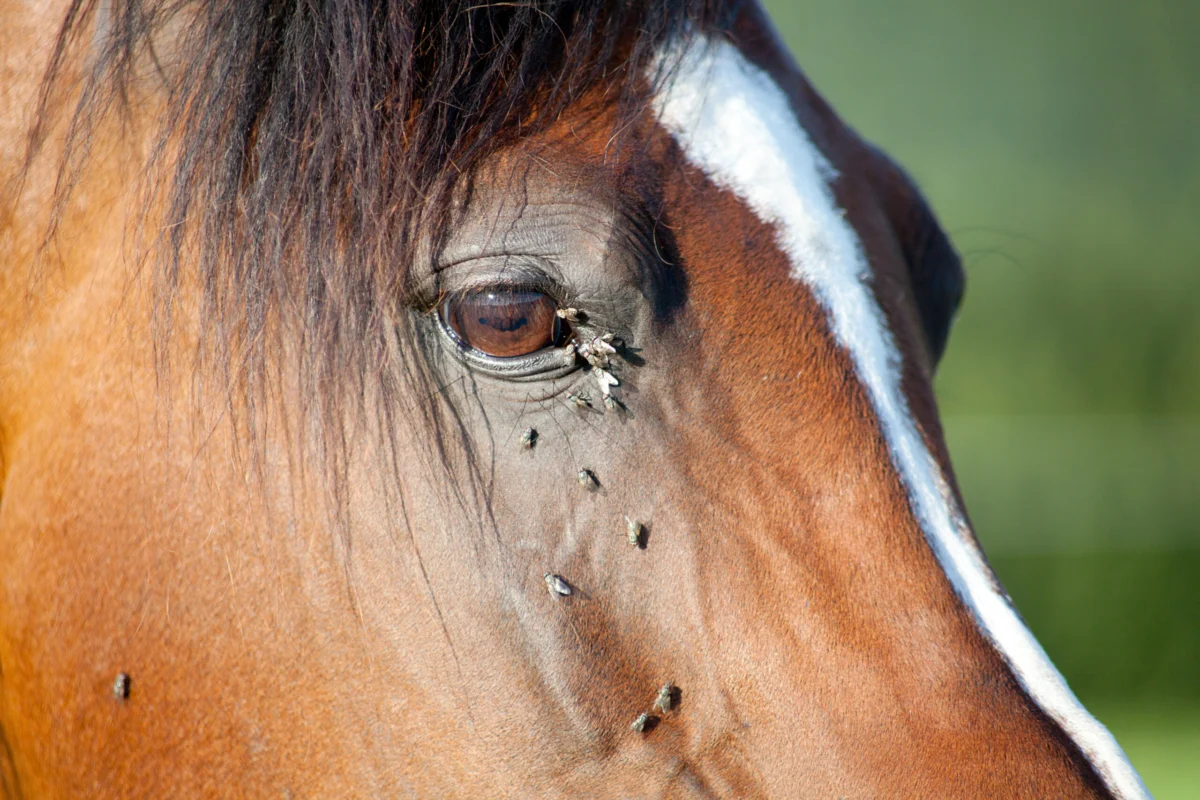
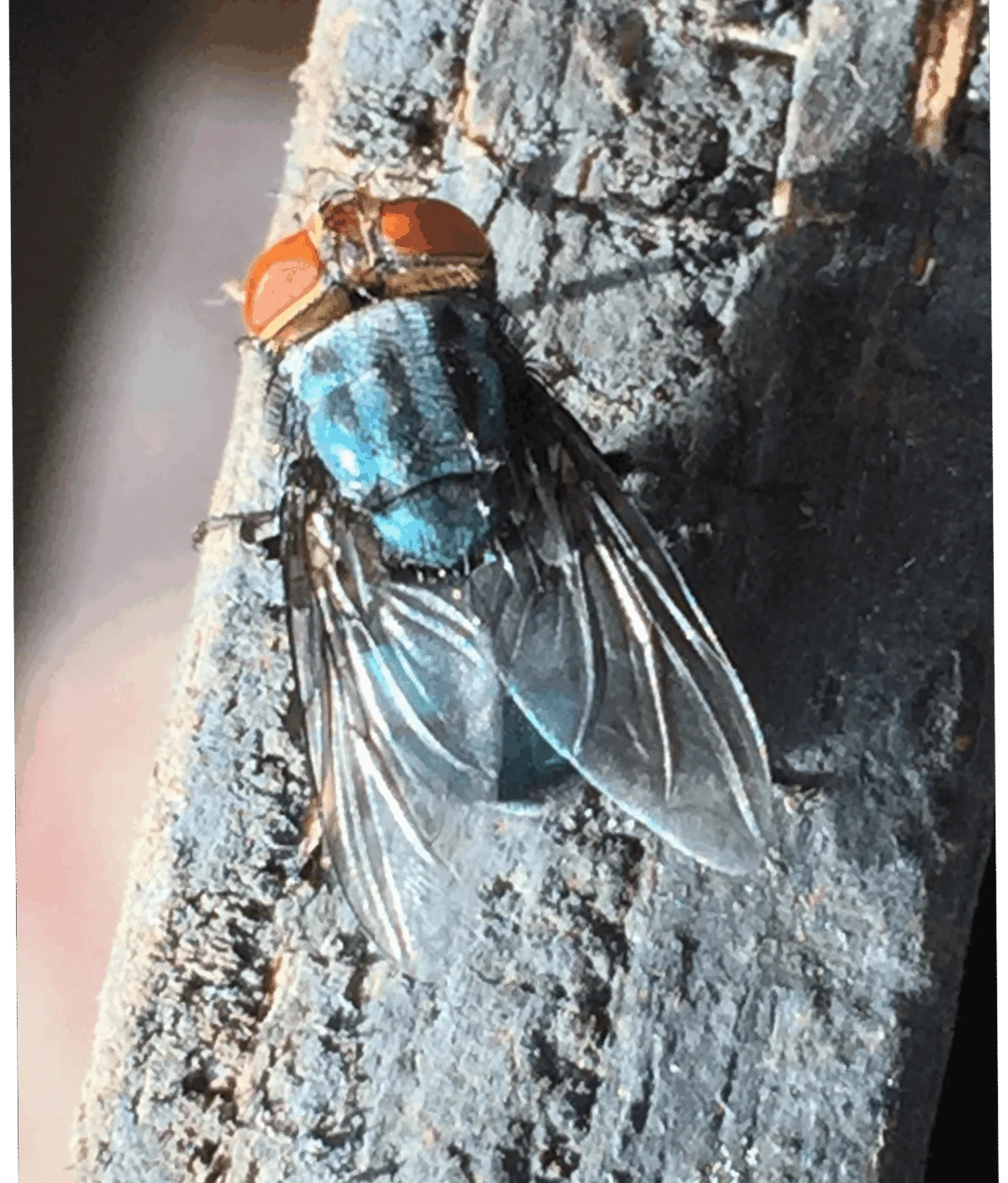
- The Vector: WNV is not contagious between horses; rather, it is transmitted exclusively through the bites of mosquitoes that have previously fed on infected birds—the primary reservoir for the virus.
- The Clinical Impact: While not every infected horse will display outward signs of illness, those that do typically suffer from neurological impairment. Symptoms can range from mild lethargy and muscle fasciculations (twitching) to severe incoordination (ataxia), impaired vision, hind-end weakness, aimless wandering, inability to stand, and, in tragic cases, death.
- The Prognosis: There is no known cure for West Nile virus. Treatment relies entirely on supportive veterinary care, anti-inflammatory medications, and nursing interventions. Mortality rates among horses that develop clinical neurological signs of WNV historically range from 30% to 40%, with many survivors experiencing lingering neurological deficits.
Chronology: The Lifecycle and Spread of West Nile Virus in Equine Populations
To understand how West Nile virus affects horses in Tennessee and across North America, it is necessary to examine the timeline of transmission, disease progression, and the window of intervention available to owners.
The Seasonal Threat Timeline
- Spring and Early Summer: As temperatures rise and standing water accumulates from seasonal rainfall, mosquito populations surge. This period marks the beginning of the high-risk transmission window for WNV. Vector activity typically peaks during the warm summer and early autumn months, extending deep into the fall in regions with temperate climates.
- Transmission and Incubation (Days 1–10): When an infected mosquito bites a horse, the virus enters the animal’s bloodstream and replicates. The typical incubation period—the time between the bite and the onset of clinical signs—ranges from 5 to 15 days.
- Onset of Clinical Signs: Infected horses may first appear slightly off-feed or depressed. Within 24 to 48 hours, neurological signs often manifest rapidly. Owners frequently notice stumbling, asymmetric weakness in the limbs, or a reluctance to move.
- The Recovery or Decline Window (Weeks 1–4): Horses receiving prompt veterinary intervention and intensive supportive care may begin to stabilize within the first week. However, full recovery can take months, and severe cases often reach a critical juncture where humane euthanasia must be considered if the animal becomes permanently recumbent or distressed.
Supporting Data: The Science of Prevention and Core Vaccination
Epidemiological studies consistently demonstrate that West Nile virus is largely preventable through systematic immunization and environmental management. Industry standards categorize the WNV vaccine as an essential "core" vaccine for all equines, regardless of their travel habits or lifestyle.
Vaccine Efficacy and Protocols
Veterinary medicine provides clear guidelines for shielding horses against the virus, though protocols vary depending on the animal’s prior vaccination history:
- Previously Vaccinated Horses: Horses that have received regular annual vaccinations require at least one booster shot per year. However, veterinarians frequently recommend a modified schedule in geographic areas with prolonged or intense mosquito seasons—administering one booster in the spring ahead of peak vector activity, and a second booster in the fall.
- Unvaccinated Horses: Equines with no prior vaccination history must undergo a strict two-dose primary series administered three to six weeks apart.
- Immunity Development Window: Owners must plan ahead. It takes several weeks following the administration of a complete series or booster shot for a horse’s immune system to build sufficient titers to protect against the virus. Administering a vaccine after a mosquito bite has already introduced the pathogen will not prevent the disease.
Vector Mitigation Strategies
Because mosquitoes are the sole vector for transmitting WNV to horses, reducing the insect population in the immediate vicinity of stables and pastures is critical. Equine caretakers are advised to implement the following environmental controls:
- Eliminate Standing Water: Routinely empty, scrub, or turn over any containers that collect rainwater, including buckets, old tires, wheelbarrows, stock tanks, and tarps.
- Maintain Water Troughs: Clean and refresh stock tank water weekly, or utilize biological controls such as mosquito dunks containing Bacillus thuringiensis israelensis (Bti), which are safe for livestock.
- Manage Pastures and Drainage: Fill in low-lying muddy areas and clear clogged drainage ditches where mosquitoes can breed undisturbed.
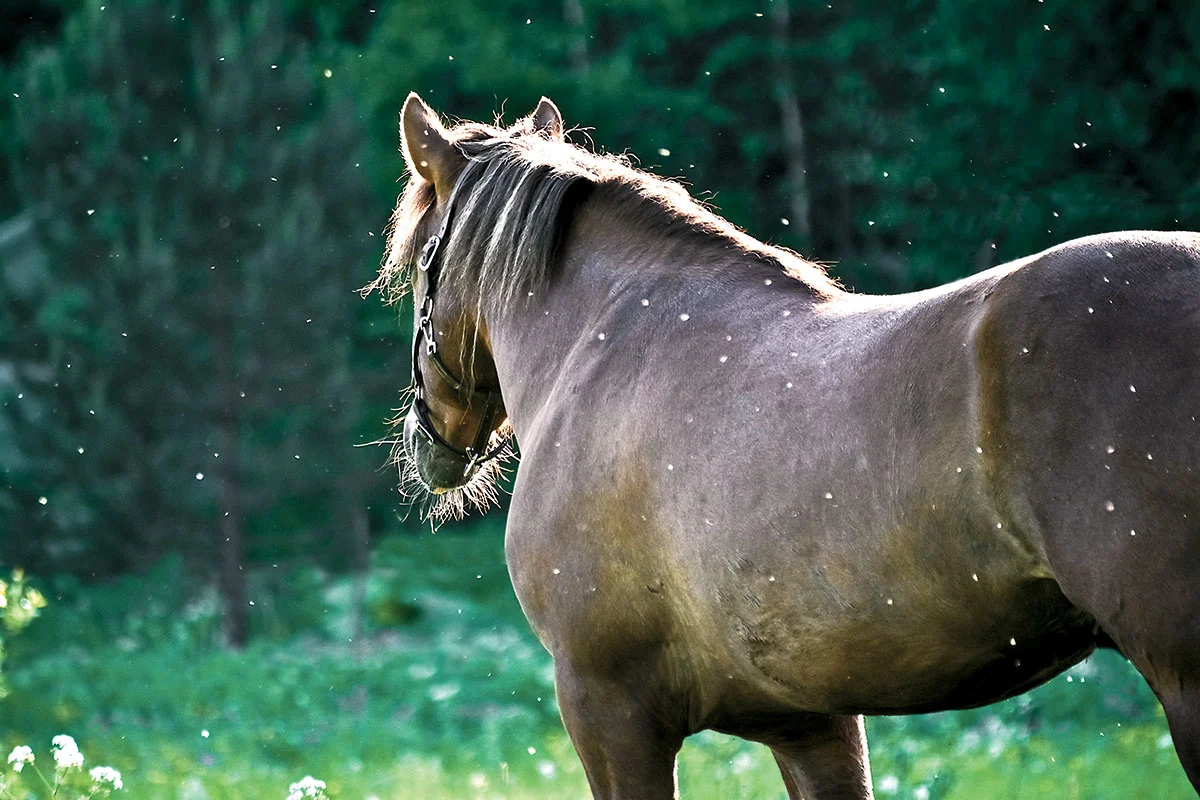
- Limit Exposure: Keep horses stabled during peak mosquito feeding times, which generally occur at dawn and dusk. Utilize fine-mesh fly sheets, equine-safe insect repellents, and overhead fans in barns to deter mosquitoes from landing on vulnerable animals.
Official Responses and Industry Communication
The reporting of this Washington County case was facilitated by the Equine Disease Communication Center (EDCC), an independent nonprofit organization supported by industry donations and dedicated to providing transparent, verified access to infectious disease information across North America.
State agricultural departments, working in tandem with the EDCC and programs like EDCC Health Watch (an Equine Network marketing initiative), utilize these real-time alerts to keep local livestock communities informed. By broadcasting verified disease occurrences, officials aim to spur immediate local action—prompting barn managers to review biosecurity protocols and verify vaccination records before additional vectors can spread the pathogen.
Veterinary boards across Tennessee have issued reminders emphasizing that while headline news often focuses on viral outbreaks like Equine Herpesvirus (EHM) or Equine Infectious Anemia (EIA), vector-borne threats like West Nile virus and Eastern Equine Encephalitis (EEE) remain deadly, perennial dangers that demand equal vigilance.
Implications for Horse Owners and the Broader Equine Industry
The confirmation of West Nile virus in Washington County carries significant implications for horse owners, boarding facilities, and the regional equine economy.
Health and Welfare Implications
The most immediate impact is borne by the individual animal and its caretakers. Managing a neurologically compromised horse requires significant emotional and financial investment. Intensive veterinary supportive care—including intravenous fluids, slings, anti-inflammatory therapies, and round-the-clock monitoring—can place a heavy burden on owners. Furthermore, the high mortality rate underscores the reality that complacency regarding core vaccinations can carry a fatal price.
Economic and Management Ramifications
Beyond individual health concerns, the presence of WNV in a county can impact local equine activities:
- Boarding and Training Facilities: Facility managers often tighten biosecurity protocols, restricting visitor traffic or altering turnout schedules to keep horses inside during peak feeding hours. This can disrupt daily training regimens and boarding routines.
- Events and Travel: While WNV is not contagious horse-to-horse (meaning movement restrictions are rarely imposed by the state for this specific virus), cautious owners may delay trailering their horses to local shows, clinics, or trail rides until seasonal mosquito activity begins to wane.
- Peace of Mind: For the broader community, transparent reporting allows farm owners to assess their local risk profile objectively. Knowing that the virus is actively circulating in Washington County removes any guesswork, transforming preventative vaccination from a theoretical recommendation into an urgent, actionable necessity.
Moving Forward
As state officials continue to monitor the situation in Washington County and across Tennessee, the overarching message to the equine community remains unequivocal. West Nile virus is an unpredictable and unforgiving pathogen, but it is also one against which humanity possesses powerful defenses. Through rigorous adherence to annual and biannual vaccination schedules, aggressive elimination of mosquito breeding grounds, and vigilant daily monitoring, horse owners can drastically reduce the risk to their animals and ensure a safer season for the entire regional equine population.
For more information on equine health alerts, vaccination guidelines, and disease tracking across the United States, visit the Equine Disease Communication Center (EDCC) website or subscribe to industry health updates through regional agricultural extension offices.