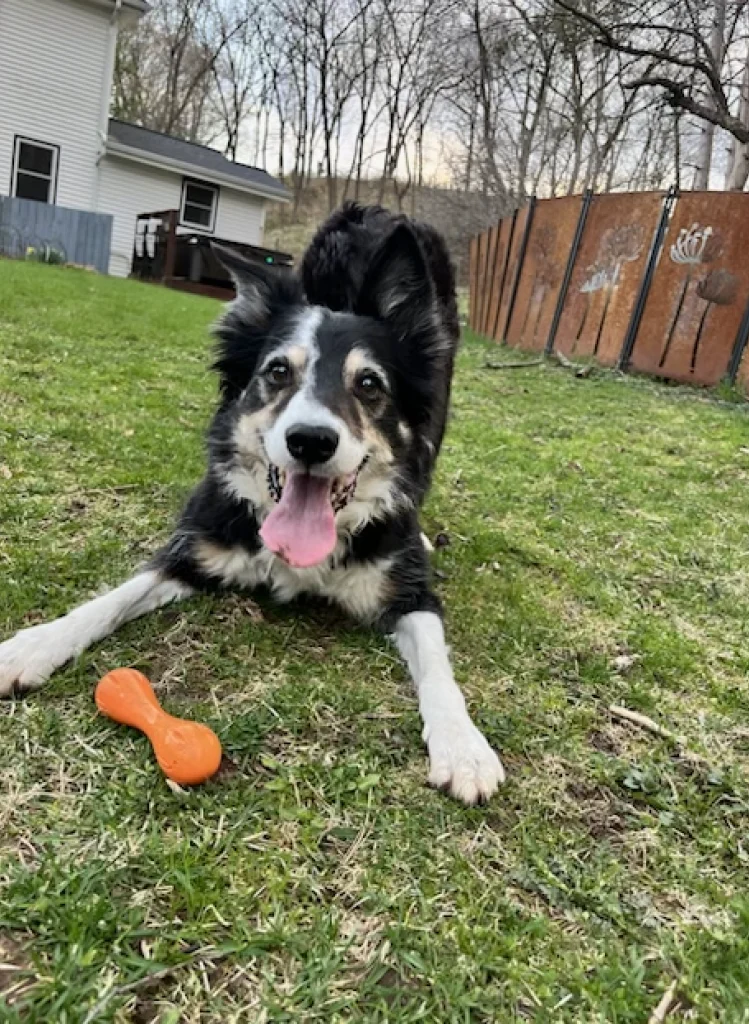
In the nuanced world of canine behavior, few gestures are as evocative, therapeutic, and universally understood as the "play bow." It is a posture that transcends language barriers, serving as a cornerstone of inter-canine communication. Recently, renowned animal behaviorist and author Patricia McConnell revisited her seminal 2019 insights on the play bow, sparking a wider conversation about the intersection of training, emotional regulation, and physical health in our canine companions.
Whether you are a professional trainer or a devoted pet parent, the question remains: if you could teach your dog only one "trick," what would it be? For many experts, the answer is not a flashy parlor maneuver, but the humble, functional, and life-changing play bow.

The Science of the Bow: A Psychological and Physiological Tool
The play bow—a posture where a dog lowers its front end to the ground while keeping its rear elevated—is widely recognized as a "play solicitation" gesture. However, to label it merely a "trick" is to ignore its profound physiological and psychological benefits.
Emotional Regulation for the Anxious Dog
The primary utility of the play bow lies in its capacity to serve as an incompatible behavior. For dogs struggling with reactivity or fear-based aggression, the play bow offers a neurological reset. It is, quite literally, difficult for a dog to maintain a state of high-level anxiety or predatory arousal while simultaneously engaging in a posture that signals play and relaxation.

When a dog is taught to "take a bow" on command, owners gain a powerful tool for de-escalation. By redirecting a dog’s focus from a stressor—such as a passing car or another dog—to a familiar, positive, and non-threatening action, the owner provides an emotional "off-ramp" for their pet. Over time, many dogs begin to offer this behavior spontaneously when they feel the onset of stress, effectively practicing self-soothing through physical movement.
Canine Physical Therapy and Injury Prevention
Beyond the psychological benefits, the play bow is an essential component of physical maintenance. Dr. Chris Zink, a preeminent expert in canine sports medicine, has long advocated for the inclusion of stretching exercises in a dog’s daily routine. The play bow serves as a dynamic stretch that engages the muscles in the back, shoulders, and chest.

In professional canine athletics, soft tissue injuries—often the result of chronic, repetitive overuse rather than a single traumatic event—are the most common cause of performance impairment. By incorporating a daily, controlled play bow, owners can help maintain their dog’s flexibility, improve joint mobility, and potentially stave off the long-term effects of structural wear and tear.
Case Study: From Survival to Thriving
The importance of such training techniques is perhaps best illustrated by the story of Monty. Found in the spring of 2018, Monty was a dog on the brink of death—starving, abandoned on a porch, and carrying the heavy psychological burden of extreme fear.

When he was first rescued, Monty’s reactivity to other dogs was intense. His journey toward rehabilitation was not just about obedience; it was about reclaiming his sense of safety. Through the diligent work of his owner, Debby G., and a support team of trainers, Monty was introduced to controlled, parallel walking alongside a stable, neutral "mentor" dog. Among the behavioral tools integrated into his treatment plan was the play bow. By rewarding Monty for initiating a play bow—or even for assuming the posture in the presence of a trigger—his owners were able to rewrite his physiological response to the world. Today, Monty serves as a testament to the power of patient, science-based training.
Rethinking "Tricks" vs. "Behaviors"
The discourse around the play bow necessitates a broader question regarding our nomenclature in dog training. Is there a substantive difference between a "trick" and a "behavior"?

In the eyes of a dog, there is no distinction. Whether it is "sit," "down," or "bow," the dog is simply responding to a cue to perform a movement that has been positively reinforced. While "sit" and "down" are essentially containment behaviors—designed to pause or control a dog’s forward momentum—the play bow is a release. It is an invitation to engage. It is a bridge between the dog’s internal state and the external environment.
Chronology of a Training Philosophy
- March 2019: Patricia McConnell publishes insights on working with fearful dogs, identifying the play bow as a critical tool for breaking the cycle of anxiety.
- September 2019: The "Take a Bow" article is published, detailing the case of Monty and highlighting the work of Dr. Chris Zink regarding canine physical health.
- October 2017/2022: Ongoing seminars and literature from the APDT (Association of Professional Dog Trainers) underscore the link between stretching and injury prevention in sport dogs.
- May 2025: A reflective update from the McConnell farm emphasizes the enduring nature of these lessons, even amidst personal health challenges, demonstrating that the bond between human and animal—and the practices that sustain it—remains a constant source of healing.
Implications for Modern Dog Ownership
The movement toward positive reinforcement and force-free training has shifted the focus from "dominance" to "partnership." In this framework, the play bow is a vital element of communication.

Implementation Strategies
For owners looking to incorporate the play bow into their training regimen, consistency is key. Whether using a lure-and-reward method to encourage the dog to lower its front end or shaping the behavior from a "down" position, the goal is to associate the gesture with a high-value reward.
- For the Reactive Dog: Use the cue as an alternative behavior when the dog sees a trigger. The goal is to build a "default" response that is incompatible with aggression.
- For the Athlete/Active Dog: Integrate the bow as part of a pre-exercise warm-up to ensure muscle groups are loose and prepared for activity.
- For the Household Pet: Use it as a fun, bonding exercise that reinforces the dog’s focus on the handler.
A Personal Note: Life on the Farm, 2025
The lessons learned from training extend far beyond the ring or the sidewalk. As we navigate the complexities of life—whether it be the challenges of recovering from illness, the persistence required to keep a garden growing despite the elements, or the simple joy of watching a dog thrive—we are reminded of the resilience required for growth.

Just as a single, unexpected columbine flower can thrive in a high-traffic area, trampled by hoses and footsteps yet blooming nonetheless, our dogs often show us how to navigate our own "high-traffic" lives. The play bow remains a symbol of this resilience: a moment of levity, a stretch of the muscles, and a profound, wordless invitation to move forward with joy.
Conclusion: The Call to Action
The challenge to all dog owners remains: if you haven’t already, make the play bow a staple in your training repertoire. It is a gesture that rewards both the human and the dog, fostering a deeper connection and a more physically and emotionally robust companion.

We invite our readers to join the conversation. What is the one "trick" or behavior you believe every dog should know? How has a specific training cue changed your relationship with your pet? Share your experiences, and let us continue to learn from the dogs who, in their own way, are always teaching us how to be a little more present, a little more flexible, and a lot more playful.