Happiness is often treated as a destination—a peak to be reached through achievement, acquisition, or circumstance. However, as behavioral experts and zoologists have long noted, happiness is more akin to a practice, a fluctuating state that requires intentionality. For those of us who share our lives with dogs, this pursuit of well-being is not a solitary endeavor; it is a shared experience, a dance of mutual emotional regulation between species. Yet, in our rigorous professional discourse regarding canine behavior and positive reinforcement, we have frequently overlooked a fundamental pillar of connection: kindness.
The Missing Ingredient in Behavioral Science
In the canon of canine behavioral literature, the focus has historically remained squarely on the mechanics of training. We analyze the efficacy of positive reinforcement, the deleterious effects of aversive corrections, and the nuances of non-verbal communication. In revisiting foundational texts—including my own For the Love of a Dog and The Other End of the Leash, as well as seminal works by colleagues like Jessica Pierce, Jennifer Holland, and Alexandra Horowitz—I was struck by a curious omission. Despite these books being replete with advice on how to be a better partner to our canine companions, the word "kindness" is conspicuously absent from their indexes.

This is not to suggest that these authors lack compassion. On the contrary, the entire ethos of modern, force-free dog training is built upon the rejection of cruelty. However, "kindness" as a distinct, actionable virtue appears to have been relegated to the realm of the "obvious." We are taught from childhood to be kind to animals, yet as a society, we often fail to codify that kindness into our daily interactions with the same rigor we apply to technical behavioral skills. In an era where the value of empathy and human-animal connection is increasingly tested, it is time to bring the science of kindness to the forefront.
The Science of Compassion: Quantifying Happiness
Kindness is not merely a moral sentiment; it is a physiological and psychological catalyst. A landmark study by Rowland and Curry, A range of kindness activities boost happiness, provides robust evidence for the transformative power of prosocial behavior. The study categorized acts of kindness across several domains: strong social ties (friends/family), weak social ties (strangers/acquaintances), self-kindness, and the simple act of observing altruism.

The results were unequivocal: engaging in acts of kindness for a period of just seven days resulted in a measurable increase in self-reported happiness. Most notably, the study found a positive correlation between the frequency of kind acts and the magnitude of the happiness boost. Whether the kindness was directed toward a stranger or the self, the neurobiological reward remained consistent. This suggests that the "helper’s high" is a universal mechanism, independent of the recipient’s relationship to the giver.
Chronology of a Connection: When Kindness Bounces Back
The practical application of this science is perhaps best illustrated through personal experience. Several months ago, navigating a period of profound personal discouragement, I found myself in a local Subway restaurant. Faced with a line of young men—a group of Latino friends—I decided to pay for their meals anonymously.

My intent was simple: I sought to brighten their day, knowing that the act of giving would, in turn, alleviate my own sense of malaise. The situation quickly transcended my quiet intent when the cashier announced the gift to the entire room. What followed was a profound lesson in the circular nature of empathy. One of the young men, sensing my somber mood, returned from a neighboring shop with a large, vibrant bouquet of flowers. It was a gesture of profound grace—an acknowledgment of my humanity that turned a mundane transaction into a moment of genuine human connection. The "bad day" was, in an instant, replaced by a sense of profound gratitude.
The Ecosystem of the Farm: A Conflict of Interests
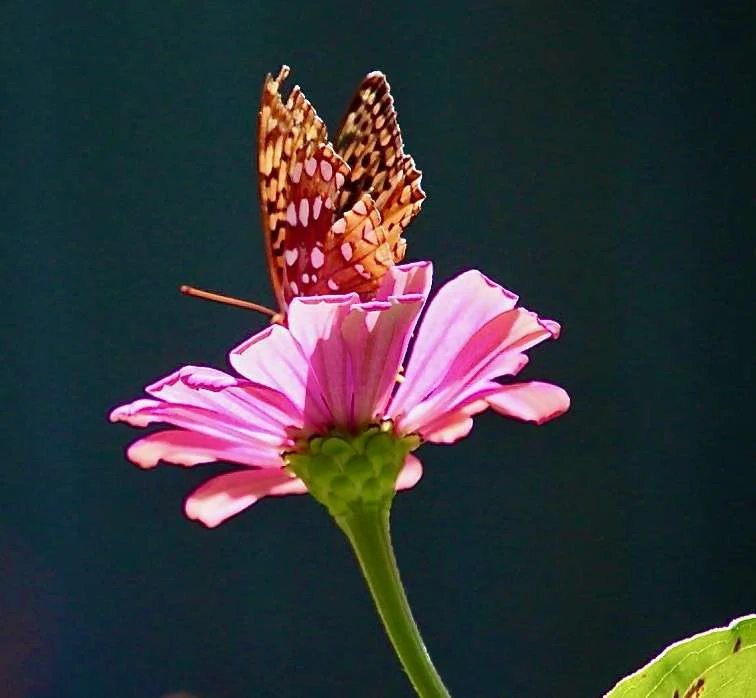
While the philosophy of kindness is easy to maintain in a controlled, human-centric environment, it is tested daily in the wilder spaces we occupy. On the farm, the environment often resembles a Disney film—a place where birds and butterflies seem to interact with human presence in a symbiotic harmony. However, as any zoologist knows, nature is rarely so orderly.

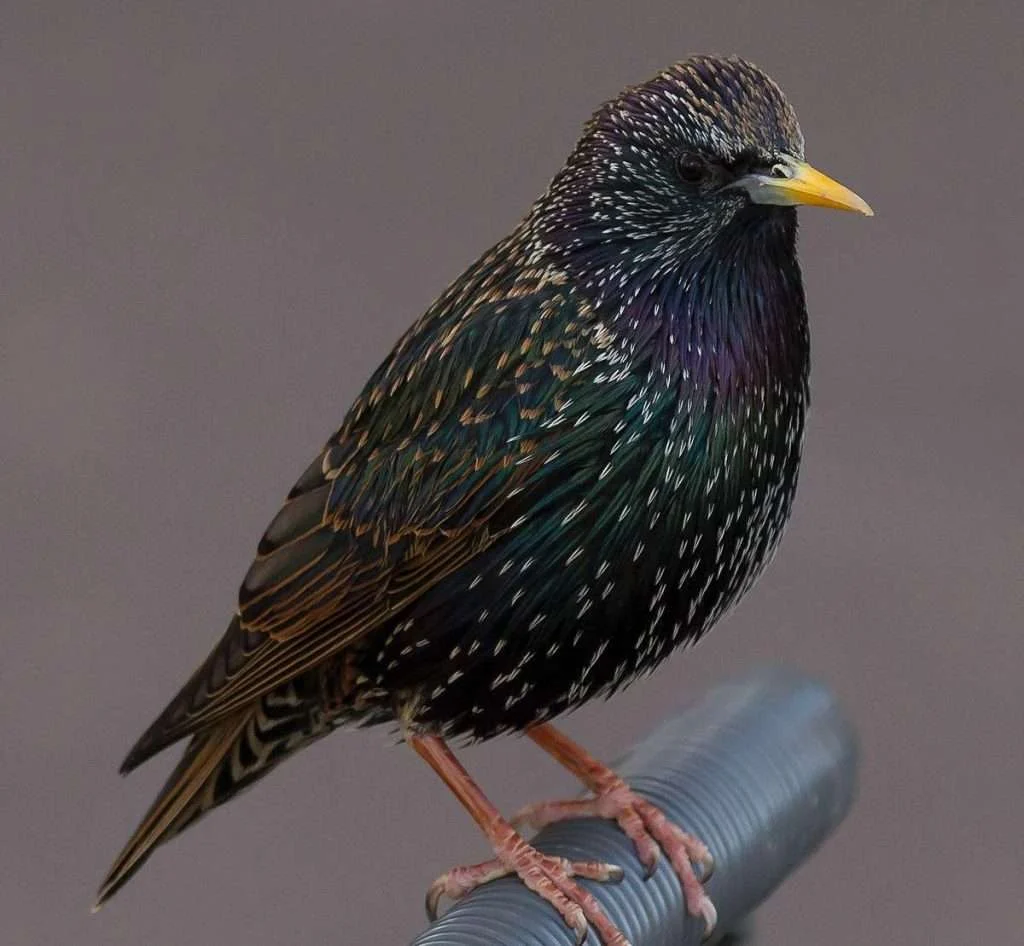
Recently, our feeders have become a theater of competition. Native species, such as the Rose-breasted Grosbeak and the Bluebird, are being displaced by invasive populations of Starlings, Grackles, and Red-wing Blackbirds. Starlings, in particular, display a level of aggressive thuggery that disrupts the local ecosystem, frequently usurping nesting sites and depleting resources.
This creates a cognitive dissonance: I am a proponent of kindness, yet I am also a steward of a habitat. Watching a Starling eject a Bluebird egg forces one to confront the reality that "kindness" to one species can often conflict with the survival of another. This is the reality of living in a neighborhood of many species, where interests are rarely aligned. My approach must remain rooted in humane management—protecting the interests of the local fauna without succumbing to the temptation of cruelty, even when the "thugs" of the bird world make it difficult to maintain a Zen-like composure.

Implications for the Future: A To-Do List for the Heart
The challenge of kindness lies in its consistent application, especially toward ourselves. We are often more forgiving of our dogs’ mistakes than our own. Moving forward, I have structured my daily routine to incorporate intentional acts of compassion:
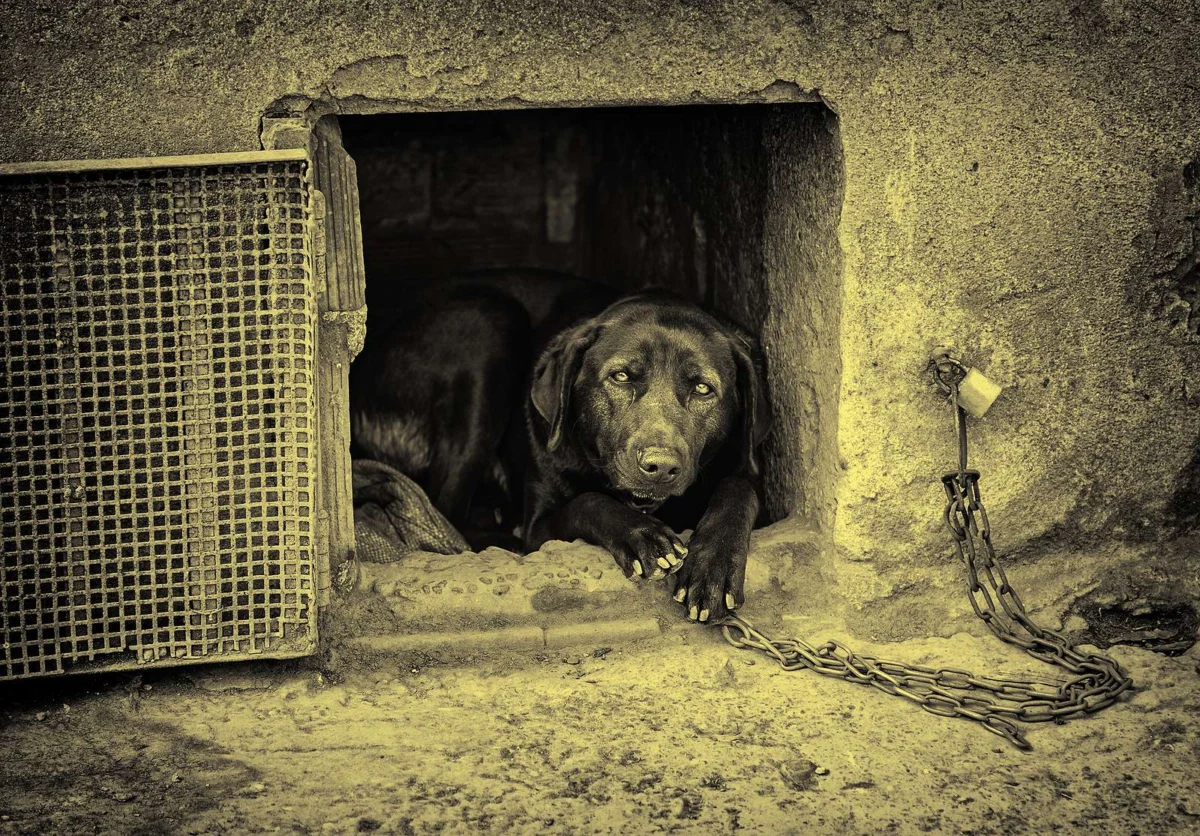
- For the Dogs: Maggie finds joy in simple, low-stakes play and the occasional indulgence of vanilla ice cream. Skip, whose joy is derived from herding, faces the challenge of summer heat and air quality issues (a reminder of the wider climate crisis). For him, kindness means teaching him to tolerate the discomfort of a belly-shave to ensure his safety.
- For the Human Circle: Caregiving is an active form of kindness. Whether it is supporting a partner through post-surgical recovery or offering space for loved ones to heal, these acts sustain the foundation of our personal lives.
- For the Stranger: In times of global crisis—such as the recent, devastating wildfires in Canada—kindness extends beyond the local neighborhood. It requires us to look outward and identify where our resources can provide relief to those in desperate need.
- For the Self: Perhaps the most difficult task. Self-kindness involves acknowledging our limits, laughing at our own hypocrisies (such as the zoologist who finds herself annoyed by the "invasive" nature of Starlings), and creating space to receive love from others.
Conclusion
As we look toward the future, it is clear that kindness is not merely a social lubricant; it is a survival strategy. It buffers us against the inevitable hardships of life, bridges the gaps between individuals, and reminds us of our shared capacity for joy.

Whether it is through the small, daily rituals of caring for our pets, the deliberate effort to help a stranger, or the practice of being gentle with our own shortcomings, kindness remains our most powerful tool for creating a meaningful life. I encourage you to consider: What acts of kindness will you contribute to the world today? And, perhaps more importantly, what kindness will you offer to yourself? The science is clear—the more we give, the more we grow.