

New England is a tapestry of rugged coastlines, rolling mountains, and centuries-old charm. Comprising six distinct states—Connecticut, Maine, Massachusetts, New Hampshire, Rhode Island, and Vermont—this region serves as a premier destination for travelers who refuse to leave their four-legged companions behind. Whether you are navigating the historic cobblestone streets of a colonial village or trekking through the pristine wilderness of the Appalachian Trail’s northern reaches, the Northeast offers a unique blend of accessibility and adventure for pet owners.

This guide explores the essential, pet-friendly landmarks of the region, providing a comprehensive look at why New England remains the gold standard for canine-inclusive tourism.

Main Facts: The Pet-Friendly Landscape of the Northeast
The allure of New England for pet owners lies in its balanced infrastructure. While many European regions or even parts of the American West can be restrictive, New England’s state park systems, coastal towns, and cultural landmarks have increasingly prioritized "leash-friendly" policies.

- Regional Diversity: The six states offer varied terrain, from the granite-rich shores of Massachusetts to the alpine peaks of New Hampshire.
- Accessibility: Most state-managed parks permit leashed dogs on trails, though internal building access remains restricted to service animals in most cases.
- Cultural Integration: The region’s architectural heritage—exemplified by covered bridges and lighthouses—is generally situated in outdoor settings, making these iconic spots perfectly accessible for a photo op with your pet.
Chronology of Exploration: A Traveler’s Path
A well-planned New England trip often follows the geography of the Atlantic coast before winding inland toward the mountains.

The Coastal Start: Cape Cod and Halibut Point
Beginning in Massachusetts, Cape Cod remains a cornerstone of the itinerary. Known for its laid-back summer vibes, the peninsula is at its best in the off-season. Locations like Town Neck Beach offer expansive boardwalks that are ideal for dogs who enjoy a brisk ocean breeze.

Moving north, Halibut Point State Park in Rockport presents a different perspective. This coastal park features a decommissioned granite quarry. The trails here provide a sophisticated mix of woodland paths and rocky shoreline. For the active dog, the uneven, granite-strewn terrain provides a natural "agility course," allowing pets to navigate tidal pools and explore the rugged edge of the Atlantic.

Heading North: Maine’s Natural Majesty
Maine’s outdoor scene is anchored by Wolfe’s Neck Woods State Park in Freeport. Located on a peninsula between Casco Bay and the Harraseeket River, the park offers a blend of forest and sea. It is a haven for birdwatchers, specifically those tracking the ospreys nesting on nearby Googins Island.

Further northeast, Acadia National Park stands as the crown jewel of Maine’s outdoor attractions. With over 47,000 acres, it is one of the few national parks in the country that maintains a high degree of pet friendliness. Whether walking around the serene Jordan Pond or gazing out from the summits of the mountains, the park offers an unparalleled experience of the wild Atlantic landscape.

The Mountain Retreat: New Hampshire’s Peaks
The White Mountains of New Hampshire cover nearly a quarter of the state. This is the heart of the "4,000-footer" club, with 48 peaks reaching impressive elevations. For a low-impact introduction to the region, the Kancamagus Highway offers scenic pull-offs at Rocky Gorge and Sabbaday Falls. For those seeking more vigorous activity, trails like the Basin-Cascade or the trek to Lonesome Lake offer rewarding views that are largely accessible to leashed hikers.

Supporting Data: Why New England Leads in Canine Tourism
Recent tourism reports suggest a 15% year-over-year increase in "pet-inclusive" travel bookings in the Northeast. This growth is supported by several factors:

- State Park Policies: 90% of New England’s state parks allow dogs on trails, a significantly higher percentage than the national average.
- Infrastructure: The prevalence of "dog-friendly" signage and waste disposal stations in coastal towns like Bar Harbor and Provincetown has improved visitor satisfaction.
- Economic Impact: Local businesses in areas like St. Johnsbury, Vermont, have reported that allowing pets inside retail establishments, such as the gallery at Dog Mountain, increases dwell time and customer spending.
Official Responses and Preservation Efforts
State agencies and preservation groups, such as the Trustees of Reservations, have issued statements highlighting the importance of balancing pet access with wildlife conservation.

"Our goal is to ensure that the beauty of our state parks remains intact for future generations, including those who explore with their dogs," says a representative from a regional state park board. "Responsible pet ownership—specifically leashing and waste removal—is the cornerstone of our ability to keep these trails open to all."

These organizations emphasize that the "pet-friendly" status of these lands is conditional. In fragile environments like the dunes of Cape Cod or the alpine zones of the White Mountains, off-leash activity is strictly prohibited to prevent the disruption of local bird nesting sites and rare plant life.

Implications: The Future of Pet-Inclusive Travel
The integration of dogs into the travel experience has profound implications for the hospitality industry in New England.

Cultural Significance: Dog Mountain
Perhaps no location captures the spirit of this movement better than Dog Mountain in St. Johnsbury, Vermont. Founded by the late artist Stephen Huneck, the property serves as a sanctuary for those who have lost pets. The Dog Chapel, filled with photos and notes of departed companions, is a testament to the role pets play in our emotional lives. By hosting events, concerts, and offering an open-gallery policy where dogs are treated as patrons, Dog Mountain has set a standard for what pet-inclusive tourism can look like.

Managing the Human-Pet Footprint
As popularity grows, the implications for trail maintenance and habitat protection become more pressing. The "Leave No Trace" philosophy has become the unofficial creed for the New England pet-travel community. Travelers are increasingly expected to:

- Adhere to seasonal restrictions: Some beaches restrict pets during peak summer months to protect nesting plovers.
- Understand elevation and terrain: Mountain trails in New Hampshire can be treacherous for small breeds or those not conditioned for steep, rocky inclines.
- Respect the "Private Property" buffer: While many areas are public, they often abut private land; adhering to marked boundaries is critical to maintaining access rights for future pet owners.
Conclusion: A Legacy of Adventure
New England offers more than just a destination; it offers a culture that welcomes the companionship of dogs. From the historical, architectural grandeur of the covered bridges and lighthouses to the untamed, dramatic coastlines of Acadia, the region invites travelers to share their most cherished experiences with their pets.
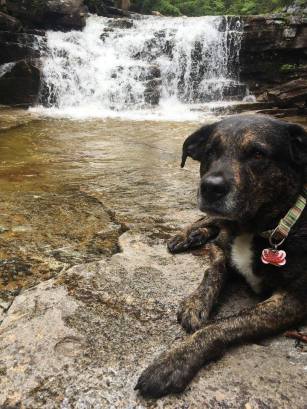
As you plan your journey, remember that the "pet-friendly" nature of these sites is a privilege. By respecting the land and the local regulations, you ensure that these trails, beaches, and parks remain open for the next generation of explorers and their best friends. Whether you are chasing the sunrise over the Atlantic or hiking the quiet, pine-scented paths of the interior, New England is a place where the journey is made significantly better when shared with a loyal companion by your side.