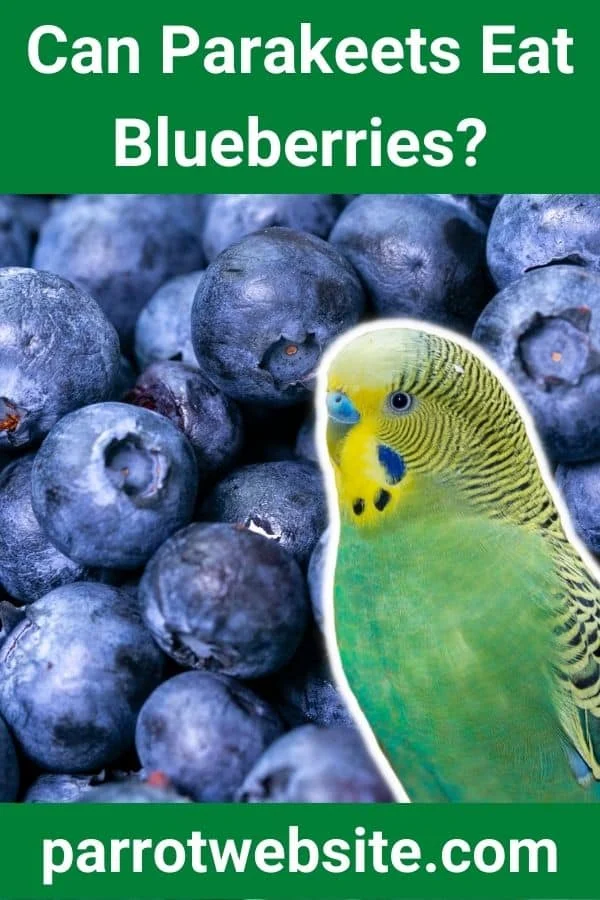
It is a common scenario for avian enthusiasts: a trip to the local farmers’ market results in an abundance of fresh, seasonal produce. Recently, one such excursion led to the purchase of a generous bag of plump, locally grown blueberries. Upon returning home, the question inevitably arose: Can these antioxidant-rich berries be safely shared with a parakeet?
While many pet owners are tempted to share their human-grade snacks with their avian companions, the unique digestive physiology of a budgerigar (parakeet) requires careful consideration. This article examines the safety, nutritional value, and necessary precautions for incorporating blueberries into a parakeet’s diet.
Main Facts: The Avian Perspective on Blueberries
The definitive answer is yes: parakeets can safely consume blueberries. When served in appropriate quantities, these berries are not only non-toxic but also provide a welcome nutritional boost. However, they must be categorized strictly as an occasional treat rather than a dietary staple.
A parakeet’s natural diet in the wild consists primarily of seeds, grasses, and occasional vegetation. In captivity, this should be mimicked through a high-quality seed mix, fortified pellets, and a rotation of fresh produce. Blueberries offer a sensory variety—a change in texture and flavor that can provide mental stimulation—but they should never replace the core nutritional components required for a bird’s long-term health.
Chronology of Dietary Integration
For new parakeet owners, the transition to introducing "human foods" should be handled with a measured approach.
- Initial Introduction: When introducing a new food, start with a very small portion—a single berry cut into quarters is sufficient. Monitor the bird for any signs of digestive distress, such as loose stools, for 24 hours.
- Frequency Establishment: Once the bird has accepted the fruit and shown no adverse reactions, blueberries should be relegated to a "treat" status. Feeding them once or twice a week is the recommended frequency.
- Rotation and Variety: To prevent the bird from becoming a "picky eater," rotate blueberries with other bird-safe fruits and vegetables. This ensures a broad spectrum of vitamins and prevents the bird from developing a preference for the high-sugar content found in berries.
- Long-term Maintenance: Continue to prioritize seeds and pellets as the primary caloric intake while using berries as a tool for enrichment or training rewards.
Supporting Data: The Nutritional Breakdown
The health benefits of blueberries for avian species are significant, provided they are managed correctly. Their nutritional profile is dense, offering several key compounds that support a parakeet’s physiology:
Dietary Fiber
Blueberries are an excellent source of dietary fiber, which is essential for maintaining a healthy gastrointestinal tract. In captive birds, who may be less active than their wild counterparts, fiber helps regulate digestion and ensures the gut biome remains balanced.
Antioxidant Potency
The deep blue pigment of the berry comes from anthocyanins, powerful antioxidants. These compounds are vital in neutralizing free radicals—unstable molecules that can cause cellular damage over time. By incorporating these into a diet, owners may assist in long-term cellular health and potentially mitigate the effects of environmental stressors.
Vitamin C and K
Vitamin C serves as an immune system booster, while Vitamin K is critical for proper blood clotting and bone metabolism. Parakeets require these micronutrients to maintain their plumage, energy levels, and structural integrity.
Essential Minerals
Blueberries contain manganese, a trace mineral that plays a role in enzyme production, metabolic health, and the maintenance of bone density. These minerals contribute to the overall robustness of the immune system.
Official Guidelines and Veterinary Considerations
While there are no "official" governmental regulations regarding the consumption of blueberries by pet birds, avian veterinarians emphasize the importance of balance. The primary concern is the sugar content. Blueberries, while healthy, are high in natural sugars (fructose). If fed in excess, this can lead to obesity, fatty liver disease, and potential yeast infections in the crop or gut.
The Moderation Mandate
The consensus among avian nutritionists is that fruit should comprise no more than 10% of a parakeet’s total daily caloric intake. Because parakeets are small, one or two berries are equivalent to a human eating a large bowl of fruit. Owners must be mindful of the "portion-to-body-weight" ratio.
Sourcing and Safety
The source of the fruit is a critical variable. Conventional farming often involves the use of pesticides, fungicides, and herbicides. Parakeets have extremely efficient respiratory and digestive systems, making them highly sensitive to chemical residues.
- Organic Sourcing: Whenever possible, choose organic blueberries to avoid synthetic chemical exposure.
- Thorough Cleaning: If organic is not an option, wash the berries thoroughly in lukewarm water to remove surface contaminants.
- Local Growers: Buying from local farmers often allows for direct communication regarding growing practices. If you can verify that the berries are grown without harmful pesticides, they are a safer choice.
Implications of Various Blueberry Varieties
There are several varieties of blueberries, and owners often ask if the type of berry affects the bird’s safety. Generally, the species of the berry matters less than the growing conditions.
Highbush Blueberries
These are the most common supermarket variety. They are bred for size and flavor and are perfectly safe for avian consumption. Their large size makes them easy to clean and slice, facilitating portion control.
Lowbush Blueberries
Often smaller and more tart, these "wild" berries are also entirely safe. Because they grow closer to the ground, they are more susceptible to soil-borne bacteria; therefore, they require particularly vigorous washing before being offered to your parakeet.
Half-High Varieties
A hybrid of highbush and lowbush, these are less common but share the same nutritional profile. They offer no specific toxicity risks and are perfectly acceptable as a treat.
Addressing Common Myths
Myth: The color of the berry stains the bird’s feathers, causing harm.
Fact: While the juice of the blueberry will certainly stain a parakeet’s beak and cere (the waxy area above the beak) a temporary shade of blue, this is harmless. It is a natural result of the berry’s pigmentation and will wash off during the bird’s normal grooming process.
Myth: Parakeets need fruit daily for hydration.
Fact: While fruit contains water, it is not a substitute for fresh, clean drinking water. Parakeets should have access to high-quality filtered water 24/7. Relying on fruit for hydration can lead to unpredictable sugar intake and inconsistent stool quality.
Conclusion: A Balanced Approach to Treats
The inclusion of blueberries in a parakeet’s diet is a wonderful way to provide enrichment and nutritional variety. The berries are packed with antioxidants, vitamins, and minerals that contribute to a healthy life. However, they should never be viewed as a primary food source.
By adhering to a strict regimen of "occasional treats," sourcing organic or thoroughly washed produce, and keeping the bulk of the diet focused on high-quality seeds and pellets, owners can ensure their parakeets enjoy the sweet rewards of the harvest without the risks associated with over-indulgence. As with all aspects of avian care, moderation, observation, and a commitment to quality are the pillars of a happy, healthy companion bird.
When you find yourself at the farmers’ market next, feel free to pick up a carton of blueberries—just remember that the vast majority of that bag is intended for you, while a tiny, quartered segment is the perfect, healthy indulgence for your feathered friend.