In a world that often feels fractured by the weight of systemic challenges, the necessity of finding solace in the small, vibrant details of life has never been more pressing. For those operating on the front lines of animal welfare, the emotional toll of witnessing trauma can be staggering. Yet, even in the darkest of chapters, there exists a profound parallel between the healing journeys of human beings and the animals we vow to protect.
This week, we take a necessary pause to examine the intersection of natural beauty and the resilience of the spirit, while addressing the ongoing transition of 500 beagles liberated from the notorious Ridglan facility—a story of profound transformation that continues to unfold.
The Landscape of Healing: Finding Beauty in the Mundane
Amidst the intensity of advocacy work, grounding oneself in the immediate, tangible world is a vital act of self-preservation. Whether it is the delicate architecture of a native Columbine "dancing in the sky" or the soft, ethereal appearance of prairie smoke as it transitions to seed, the natural world offers a masterclass in cycles of renewal.

Renowned animal behaviorist and author Patricia McConnell, whose memoir The Education of Will explores the deeply personal intersection of human trauma and canine rehabilitation, recently highlighted the importance of this perspective. Collaborating with award-winning cinematographer Andria Chamberlin, McConnell has been documenting the recovery of laboratory-bred beagles. Their project underscores a fundamental truth: healing is not a linear path, but rather a slow, deliberate process of reclaiming one’s own agency. Chamberlin, who has dedicated her lens to capturing the reality of life within laboratory wire cages, provides a visual narrative that mirrors the quiet, unfolding bloom of a spring flower.
The Ridglan Crisis: A Chronology of Liberation
The recent events surrounding Ridglan "Farms"—a facility that faced mounting public and legal pressure regarding its practices—serve as a stark reminder of the realities faced by research animals.
The Regulatory Breakdown
For years, the facility operated under the scrutiny of animal welfare organizations. The turning point arrived when the entity opted to relinquish its license to supply dogs to laboratories. This strategic withdrawal, while preventing potential convictions for animal abuse, did little to address the systemic trauma inflicted upon the 500 beagles housed within their facility.

The Triage Operation
Following the closure, the Dane County Humane Society (DCHS) undertook the massive, logistical challenge of triaging these 500 animals. The operation was not merely a physical relocation; it was a psychological rescue mission. These dogs, many of whom had never experienced the sensation of grass beneath their feet, were suddenly thrust into a world of sensory overload.
The First Steps
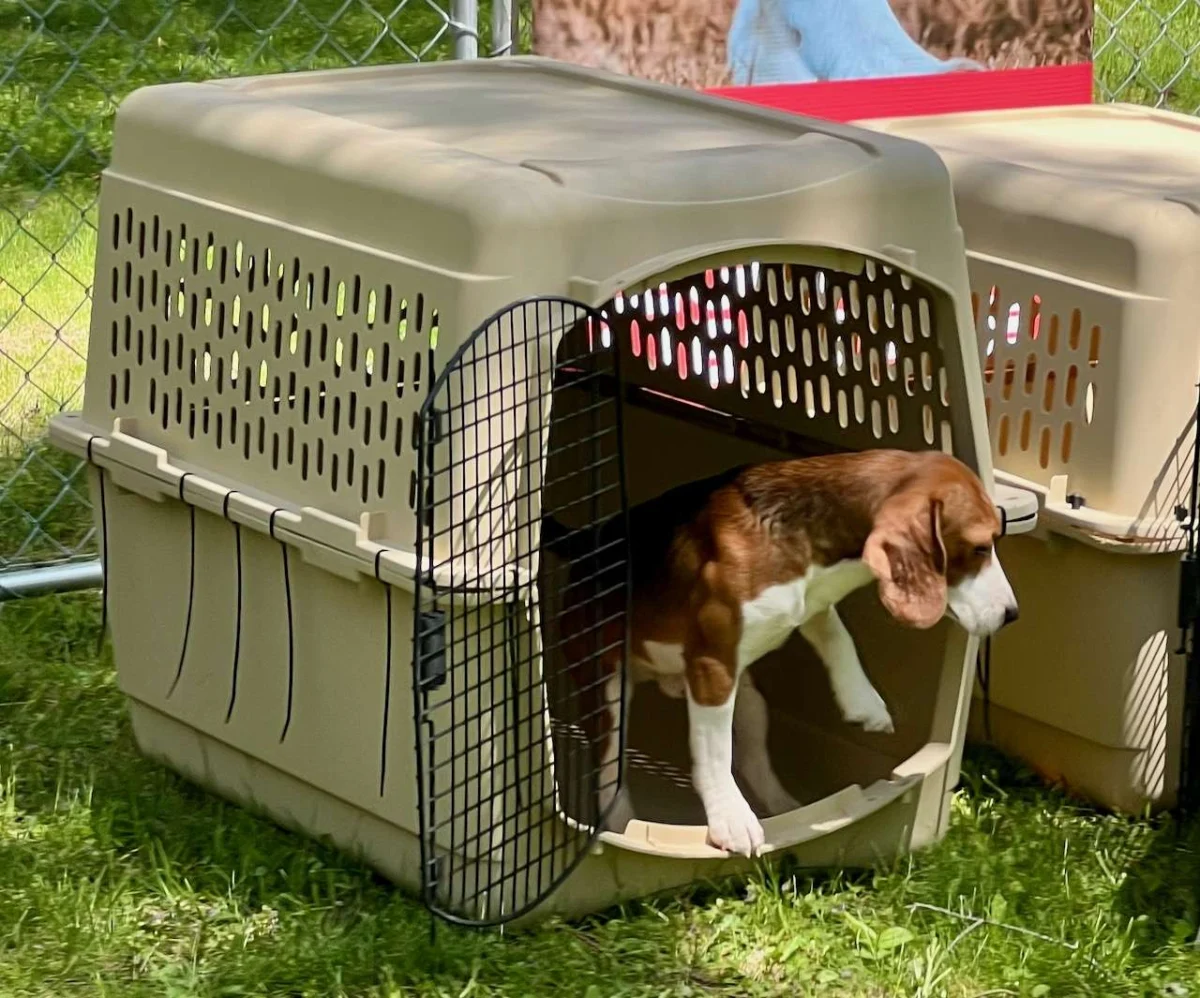
Observations from the intake process revealed the depth of the dogs’ conditioning. In one documented instance, a dog took nearly 45 minutes to muster the courage to place a single paw on the grass. The repetitive, halting motion of withdrawing the paw and trying again—a "rinse and repeat" cycle of anxiety—demonstrated the profound disorientation that occurs when an animal is transitioned from a life of confinement to one of freedom.
Supporting Data: The Science of Recovery
The rehabilitation of laboratory beagles is a subject of significant interest in behavioral science. When an animal is raised in a constrained, stimulus-deprived environment, the brain’s neuroplasticity is inhibited. The "stunned confusion" observed in the rescue dogs at the Dane County facility is a documented physiological response to the sudden introduction of complex environments.

The Role of Oxytocin
Experts note that the human response to these animals—the immediate surge of empathy and the "surge of oxytocin" reported by onlookers—is a biological mechanism designed to foster attachment. This chemical bond is essential for the dogs’ recovery. By interacting with a human caregiver who provides consistent, gentle, and non-threatening stimuli, the dogs begin to re-map their understanding of the world.
Behavioral Milestones
The process of recovery is marked by small, measurable victories:
- Sensory Acclimation: Learning to process the scent and texture of outdoor environments.
- Motor Coordination: Re-learning how to navigate terrain after a lifetime of living on wire grating.
- Social Trust: Establishing a secure attachment with humans, which serves as a foundation for future behavioral development.
Official Responses and Industry Implications
The closure of the Ridglan facility has sparked a broader conversation regarding the use of beagles in research. Organizations like the American Veterinary Medical Association (AVMA) have monitored the situation closely, noting that the shift away from large-scale breeding facilities is part of a larger trend in pharmaceutical and academic research to reduce, refine, and replace (the "3Rs") the use of live animals.

However, the ethical implications remain a subject of heated debate. Critics argue that the transition from a laboratory to a home is a traumatic event in its own right, requiring massive public investment and the dedication of shelters to provide long-term behavioral therapy. The implication is clear: the responsibility for these animals does not end with their release; it begins there.
A Shift in Perspective: The Wizard of Oz Effect
As the world outside begins to bloom, the contrast between the struggle of the rescue dogs and the vibrant life in the garden serves as a powerful metaphor. The arrival of migratory birds, such as the Baltimore and Orchard Orioles, is described by observers as a transition from "black and white to color."
This seasonal shift is not just an aesthetic observation; it is a psychological buoy. The sheer effort required to maintain bird feeders and support local wildlife provides a necessary counter-balance to the, at times, overwhelming nature of animal advocacy. When one spends the day observing the hesitation of a dog learning to walk on grass, seeing a bird take flight provides a necessary reminder of the capacity for freedom and grace.

Future Outlook: The Path Ahead
As we look toward the coming weeks, the narrative surrounding the Ridglan beagles will continue to evolve. Future reporting will include:
- Behavioral Deep Dives: An examination of "ADHD in dogs," exploring how behavioral disorders manifest in animals with traumatic histories.
- Advocacy and Education: A continued focus on the importance of literature and resources, such as the ongoing sales of educational materials designed to help owners manage the behavior of rescued animals.
- Video Documentation: A forthcoming look at the progress of the dogs in their new environments, highlighting the "before and after" of their physical and emotional development.
A Call to Action
The work of healing is never done, whether in the garden or in the shelter. As we navigate our own challenges, it is incumbent upon us to remain connected to the living world. Whether you are caring for a pet, advocating for policy change, or simply observing the beauty of a honeysuckle flower designed for a hummingbird’s tongue, every act of mindfulness is a victory.
In the words of those on the front lines, take a moment to be present. Pet your dog, offer a gesture of kindness, and acknowledge the progress—however small—being made in the lives of those who cannot speak for themselves. The road to recovery is long, but as the spring season demonstrates, it is always possible to bloom again.

For further information on the rehabilitation of laboratory animals or to support the ongoing efforts of the Dane County Humane Society, please visit their official website. For those interested in behavioral resources, additional literature on canine recovery is available through established animal welfare platforms.