
Introduction: The Modern Dilemma of Flying with Animals
For millions of pet owners, the prospect of relocating, taking an extended vacation, or embarking on a cross-country trip immediately brings a familiar anxiety: How do we get our four-legged family members there safely? While driving remains a viable alternative for domestic trips, time constraints, long distances, and international borders frequently leave air travel as the only practical option.
Every year, millions of cats and dogs take to the skies in the United States alone. Although media coverage tends to amplify rare tragedies and tarmac mishaps, the vast majority of animals transported by commercial airlines arrive at their destinations safely and unharmed. However, a successful journey does not happen by accident. Ensuring your pet’s physical safety and psychological well-being requires meticulous planning, a thorough understanding of airline regulations, and proactive preparation.
Drawing from the insights of experienced travelers, veterinarians, and pet owners who have successfully navigated the complexities of commercial aviation, this guide outlines nine essential strategies to transform a potentially daunting ordeal into a smooth, manageable journey for both you and your companion.
Chronology of Preparation: A Timeline for Pet Air Travel
Preparing an animal for commercial flight cannot be done overnight. Successfully navigating veterinary clearances, airline reservations, and behavioral acclimation requires a structured timeline spanning several weeks or even months.
Months Before Departure: Research and Reservations
- Check Destination Requirements: If you are traveling internationally or to specific domestic locations (such as Hawaii), entry requirements can take months to fulfill, including specialized blood titers, microchipping, and prolonged quarantines or documentation periods.
- Book Early: Airlines strictly limit the number of animals allowed in the cabin and cargo hold per flight. Securing your pet’s reservation at the time of your own booking is critical to ensure a spot on the aircraft.
3 to 4 Weeks Before Departure: Crate Training and Vet Checks
- Purchase the Carrier: Acquire an airline-approved carrier or kennel well in advance to begin the positive reinforcement and acclimation process.
- Initial Veterinary Visit: Schedule a comprehensive health check to verify that your pet is fit for travel and up to date on all necessary vaccinations.
10 Days Before Departure: Final Documentation
- Obtain Health Certificates: Many airlines and destination state veterinarians require a certified health examination issued within 10 days of the actual flight date.
Day of Travel: Execution
- Arrival and Relief: Arrive at the airport early to allow time for check-in, security screening, and utilizing designated airport pet relief stations before boarding.
The 9 Essential Tips for Flying with a Pet
1. Consult Your Veterinarian Early and Often
The foundational step of any pet travel plan begins in the examination room. Schedule an initial appointment to confirm your pet’s health status, heart condition, and ability to handle the stress of travel. If your vet gives the green light, plan a secondary appointment close to your departure date to secure required documentation.
Airlines and state agricultural departments frequently mandate a formal health certificate issued by an accredited veterinarian within a strict window—often no more than 10 days prior to the flight. Failing to meet this exact timeline can result in denied boarding at the gate.
2. Verify Breed Restrictions and Weather Policies
Not all pets are viewed equally under commercial airline policies. Many carriers enforce strict breed restrictions, particularly regarding Brachycephalic (short-nosed) dogs and cats such as French bulldogs, pugs, Boston terriers, and Persian cats.
These anatomical limitations restrict airflow and make short-nosed breeds acutely vulnerable to respiratory distress caused by high altitudes, stress, and temperature fluctuations. Consequently, many airlines prohibit these breeds from flying in cargo during peak summer and winter months.
However, some airlines permit short-nosed pets to fly in the cabin under the seat in front of you, provided they fit within specific weight and dimension limits. Always verify these rules with the carrier before purchasing non-refundable tickets.
3. Secure Reservations Well in Advance
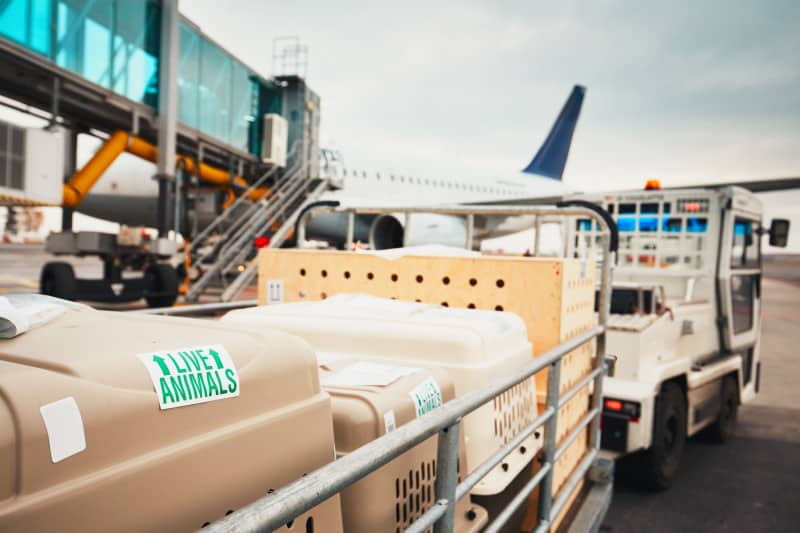
Spontaneity is the enemy of pet travel. Commercial aircraft feature tightly controlled caps on the number of animals permitted in the passenger cabin and the cargo hold. Securing a ticket for yourself does not automatically guarantee a spot for your pet.
If your pet is traveling via cargo—or if you are embarking on an international itinerary—reservations should be made weeks or months ahead. Waiting until the last minute risks finding every pet slot filled, forcing costly itinerary changes.
4. Acclimate Your Pet to the Kennel
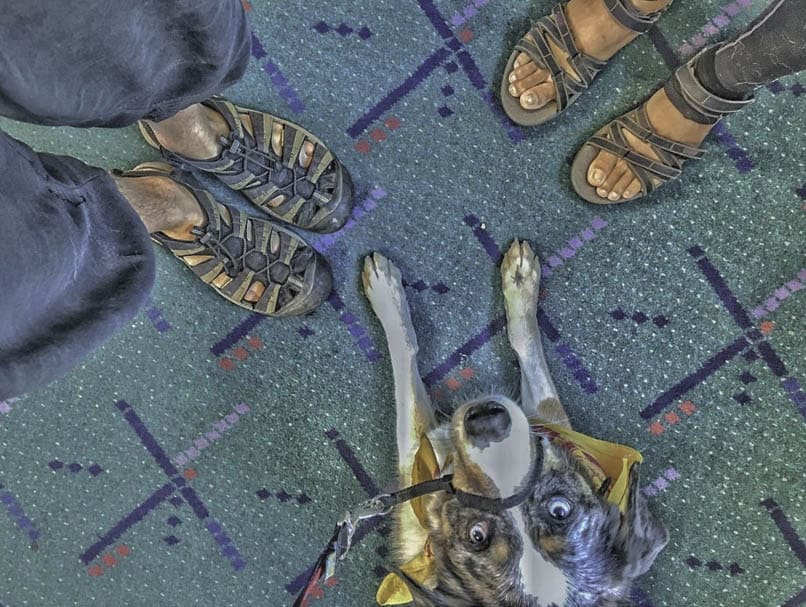
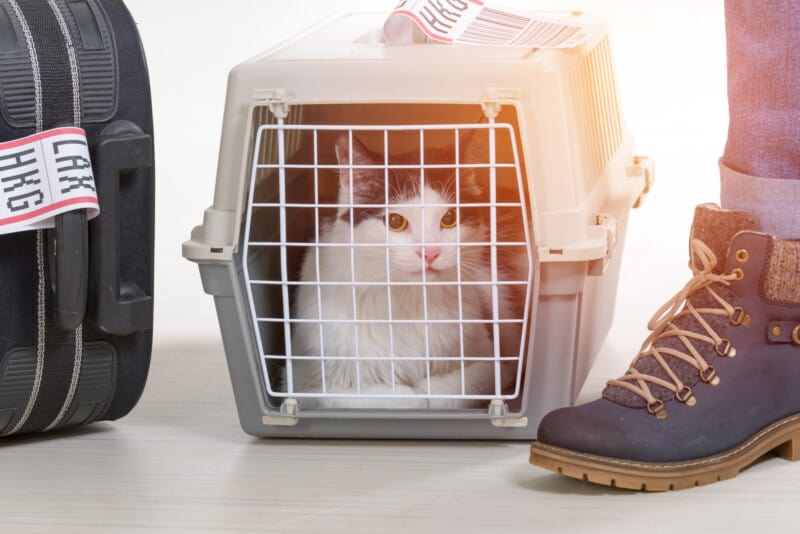
For an animal, a strange box in a noisy, crowded airport can be terrifying. To mitigate this, purchase your travel carrier weeks in advance and transform it into a positive, secure environment, or "den."
- Positive Association: Feed your pet inside the open kennel, and place familiar items like a favorite blanket or toy inside.
- Gradual Confinement: Once your pet enters voluntarily, gently close the door for a minute or two, gradually increasing the duration over several days. If signs of anxiety or panic appear, step back in the training process.
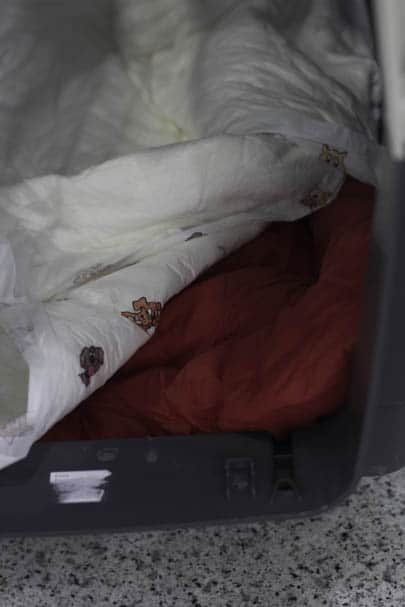
- Comfort Line: Line the interior travel bed with puppy training pads underneath a soft blanket to absorb any unexpected accidents during transit.
5. Avoid Sedatives Unless Prescribed
A common misconception among travelers is that heavily sedating an animal will make the flight easier. In reality, major veterinary associations—including the American Veterinary Medical Association (AVMA)—strongly advise against tranquilizing pets for flights unless specifically prescribed for a medical condition.
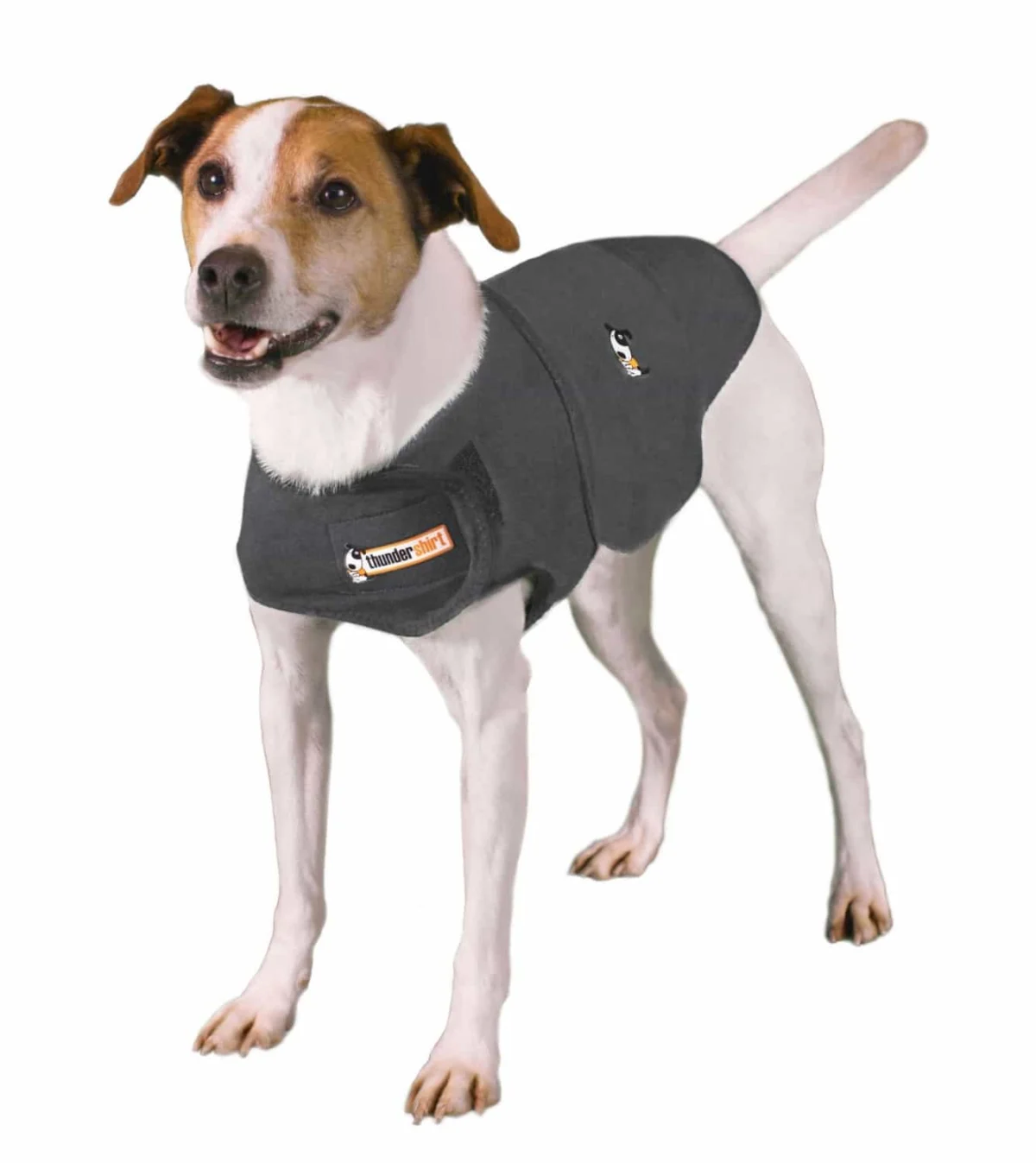
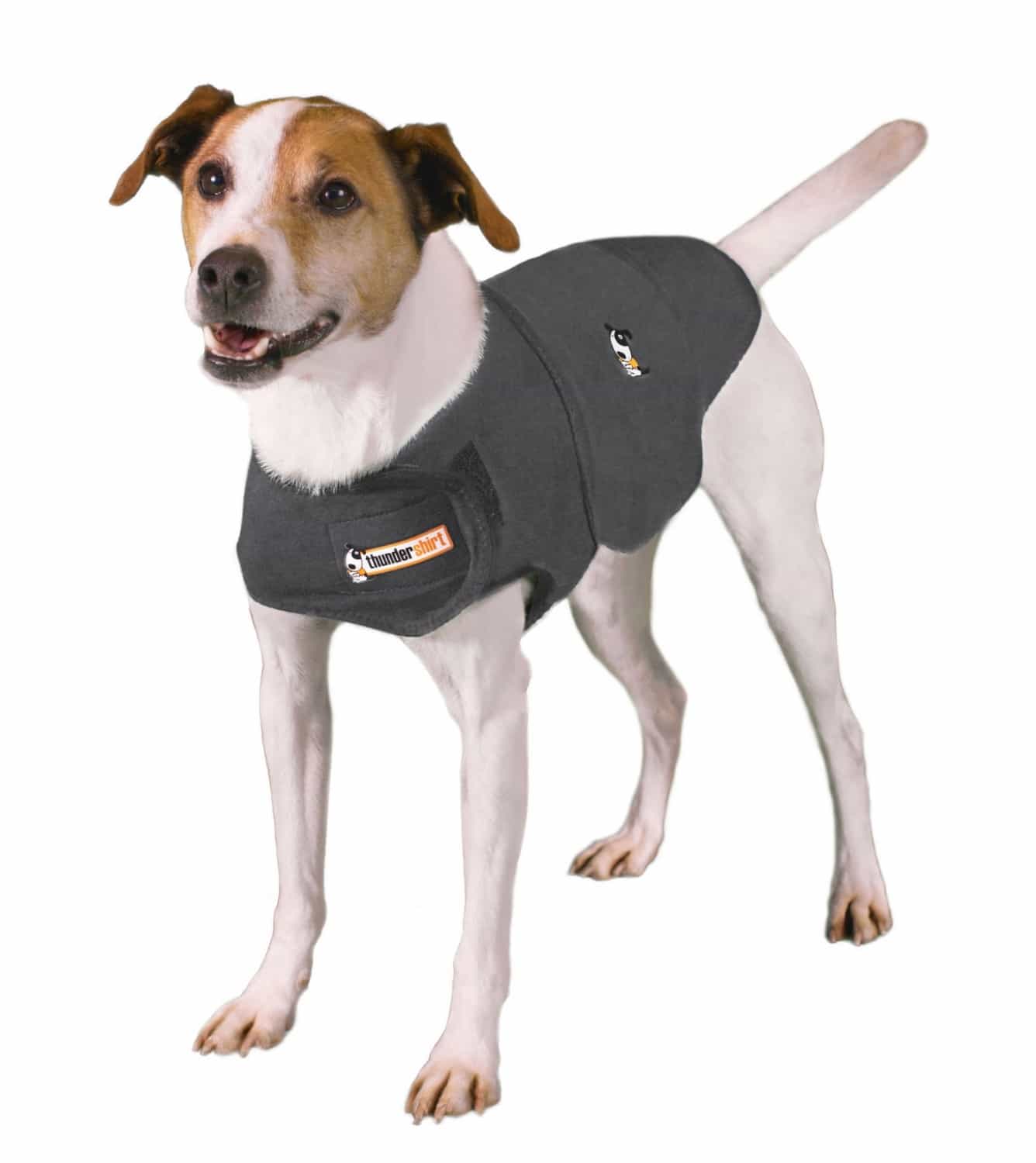
Sedatives can dangerously interfere with an animal’s natural ability to regulate its body temperature at high altitudes. Furthermore, changes in cabin pressure can cardiovascularly impact sedated animals. Instead of chemical tranquilizers, explore safer alternatives such as calming pheromone drops, anxiety-reducing compression vests (like a Thundershirt), or vet-approved calming supplements—always checking airline rules regarding any ingested products.
6. Request Priority Boarding
Getting settled on an aircraft with a carry-on bag is challenging enough; doing so while managing a pet carrier, health documents, and your own nerves requires patience.
When you arrive at the check-in counter or speak with the gate agent, politely ask if you are eligible for early boarding. The extra few minutes can make a profound difference, allowing you to secure your pet comfortably under the seat, stow your carry-on luggage, and help your animal settle into the ambient hum of the boarding aircraft before the main passenger rush begins.
7. Keep Health Documents and Paperwork Organized
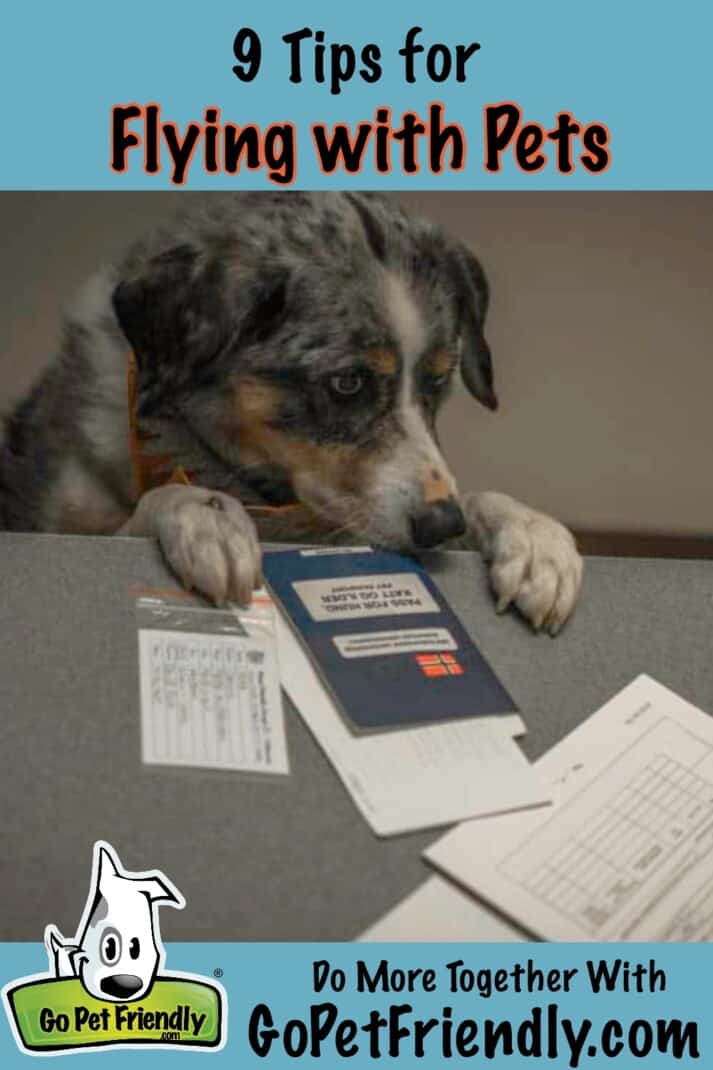
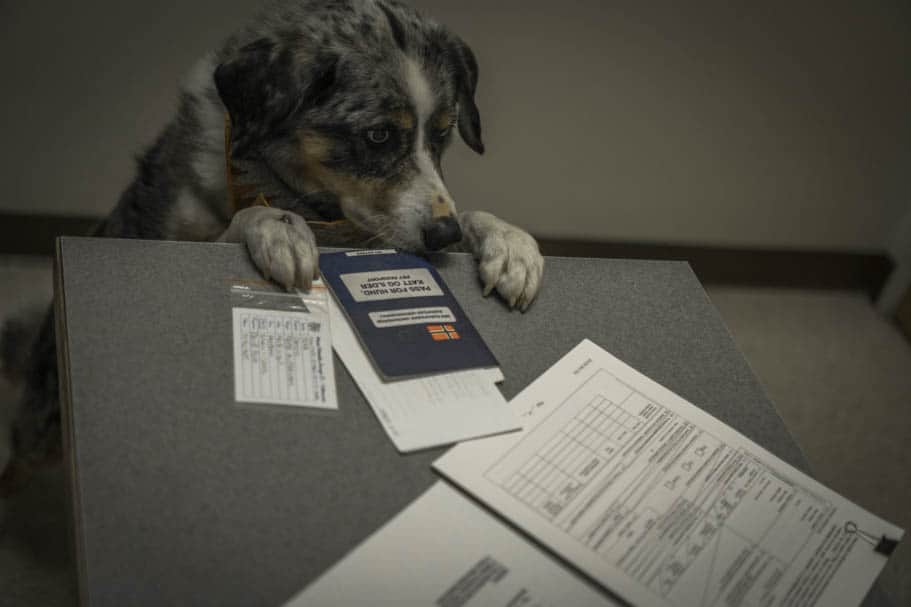
Navigating airport security and airline check-in requires a mountain of paperwork. Depending on your route, staff from ticketing counters, security checkpoints, and boarding gates may request to see your pet’s health certificates, vaccination records, and airline reservation approvals.
Instead of burying these documents in your checked luggage or deep within a backpack, store them in a dedicated, easily accessible folder or pouch. Quick accessibility prevents bottlenecks and reduces friction during interactions with airport personnel.
8. Locate Airport Pet Relief Areas in Advance
Modern airports have made significant strides in accommodating traveling animals by installing designated indoor and outdoor pet relief areas. Before your flight, review terminal maps to locate these facilities, particularly if you have a layover.
Recognize, however, that your pet may experience "stage fright" or find indoor artificial turf unappealing. Packing a few extra puppy pads in your carry-on is a wise precaution, allowing you to create an impromptu, hygienic relief spot in a quiet terminal corner if an accident happens outside the designated zone.
9. Bring a Chew Toy for Takeoff and Landing
Just like human passengers, animals experience painful ear pressure changes caused by shifting cabin altitude during takeoff and landing. You may notice your pet repeatedly shaking its head or pawing at its ears.
To help equalize this pressure naturally, pack a durable chew toy or long-lasting dental treat. The physical action of chewing stimulates saliva production and jaw movement, naturally clearing the Eustachian tubes and minimizing discomfort.
Supporting Data and Industry Context
Understanding the broader scope of pet air travel helps contextualize the risks and realities involved:
- Volume: Millions of pets travel commercially each year in the United States alone.
- Safety Record: While high-profile media reports of animal injuries or losses generate significant public concern, federal transportation statistics indicate that these incidents represent a fraction of one percent of all animal journeys.
- Regulatory Oversight: The U.S. Department of Transportation (DOT) tracks air travel animal incidents across major U.S. carriers, holding airlines accountable for the safety of animals entrusted to their care in cargo holds.
Official Responses and Industry Standards
Airlines and regulatory bodies continually refine their policies to balance passenger convenience with animal welfare. Major commercial carriers have established specialized animal transport desks, and airport authorities continue to expand terminal infrastructure to include modern, accessible pet relief stations.
Veterinary organizations emphasize that owner preparedness remains the single greatest variable in flight safety. By adhering strictly to airline kennel size limits, health documentation timelines, and avoiding the hazards of unauthorized sedation, owners take direct control of their pet’s in-flight safety profile.
Implications for Future Pet Travelers
As commercial aviation evolves, the standards governing pet travel are becoming more formalized. Travelers can expect stricter verification of emotional support versus trained service animals, alongside more rigid enforcement of carrier dimensions and health certifications.
For everyday pet owners, these changes underscore the importance of early planning. By treating pet travel preparation with the same diligence applied to human travel logistics, owners can ensure a seamless, humane, and stress-free journey, proving that flying with a pet does not have to be a leap into the unknown.