Sixteen years ago, the concept of traveling with a pet was a logistical nightmare. For the vast majority of travelers, bringing a dog or cat along on vacation was considered an eccentric, expensive, or overly complicated burden. It was in this landscape of resistance that GoPetFriendly was born—a digital pioneer designed to bridge the gap between pet owners and the businesses that didn’t yet realize they were missing out on a massive, loyal customer base.
Today, after nearly two decades of advocacy and community building, the platform is announcing a significant transformation. As the travel industry reaches a tipping point of widespread pet inclusivity, GoPetFriendly is retiring its signature directory of pet-friendly businesses to embrace a new chapter, transitioning from a travel resource to a documentation of personal evolution and architectural endeavor.
A Legacy of Normalization: The Evolution of Pet Travel
When the founders launched GoPetFriendly, the primary obstacle wasn’t a lack of desire among pet owners; it was the lack of infrastructure. Hotels often enforced strict "no-pets" policies, and finding a restaurant that welcomed a furry companion felt like finding a needle in a haystack.
"Back then, taking your pets with you on vacation was treated as an exception," the founders reflect. "Most people viewed it as an extravagant, weird, or just too difficult endeavor."
Through years of sustained effort, the site acted as a catalyst for a cultural shift. By aggregating data and highlighting the demand for pet-friendly accommodations, the platform provided the necessary evidence for the hospitality industry to pivot. The result was a domino effect: hotels, restaurants, and entire tourism boards began to recognize the economic power of the pet-loving demographic.
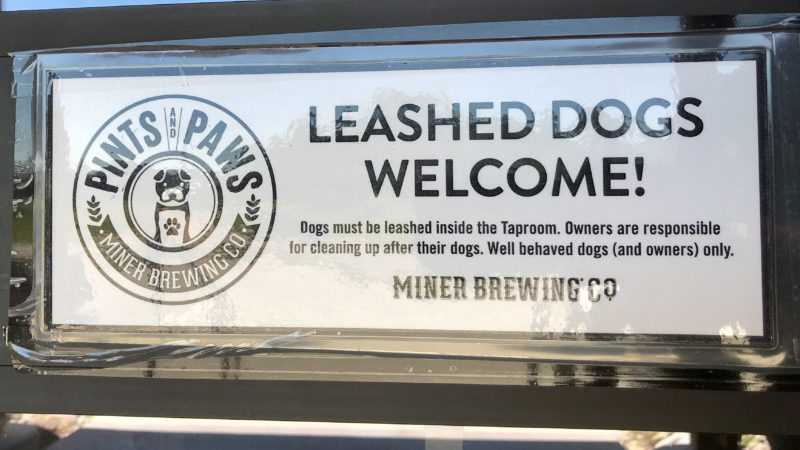
Today, the landscape is unrecognizable compared to 2009. Pet-friendly designations are no longer hidden secrets; they are marketing hallmarks. Businesses now proudly display pet-friendly signage on windows and feature dedicated pet policies prominently on their websites. What was once an uphill battle for inclusion has become an industry standard.
The Technological Disruption: Why the Directory Must Retire
While the success of the mission is the primary reason for the change, the platform’s closure of its directory is also a reflection of the rapid advancement of generative AI.
In the early days, GoPetFriendly was a necessary human-curated tool. Today, the ubiquity of Artificial Intelligence has fundamentally changed the user journey. Where travelers once spent hours filtering through directories, they now leverage Large Language Models (LLMs) to generate instant, tailored itineraries.

"The number of human beings landing on GoPetFriendly has dropped significantly during the past year," the team notes. "Why spend your time hunting for options when typing a simple request into an AI interface will get you the answer instantly?"
The efficiency of modern search, while convenient, has rendered the traditional directory model obsolete. This shift represents a broader trend in the digital economy: as tools become more intelligent, static databases lose their utility. The founders acknowledge that while AI requires verification, the same was true for their directory. Ultimately, the "easier way" to plan has arrived, and with it, the necessity for a pivot.
Chronology of a Shift: From RV Life to Architecture
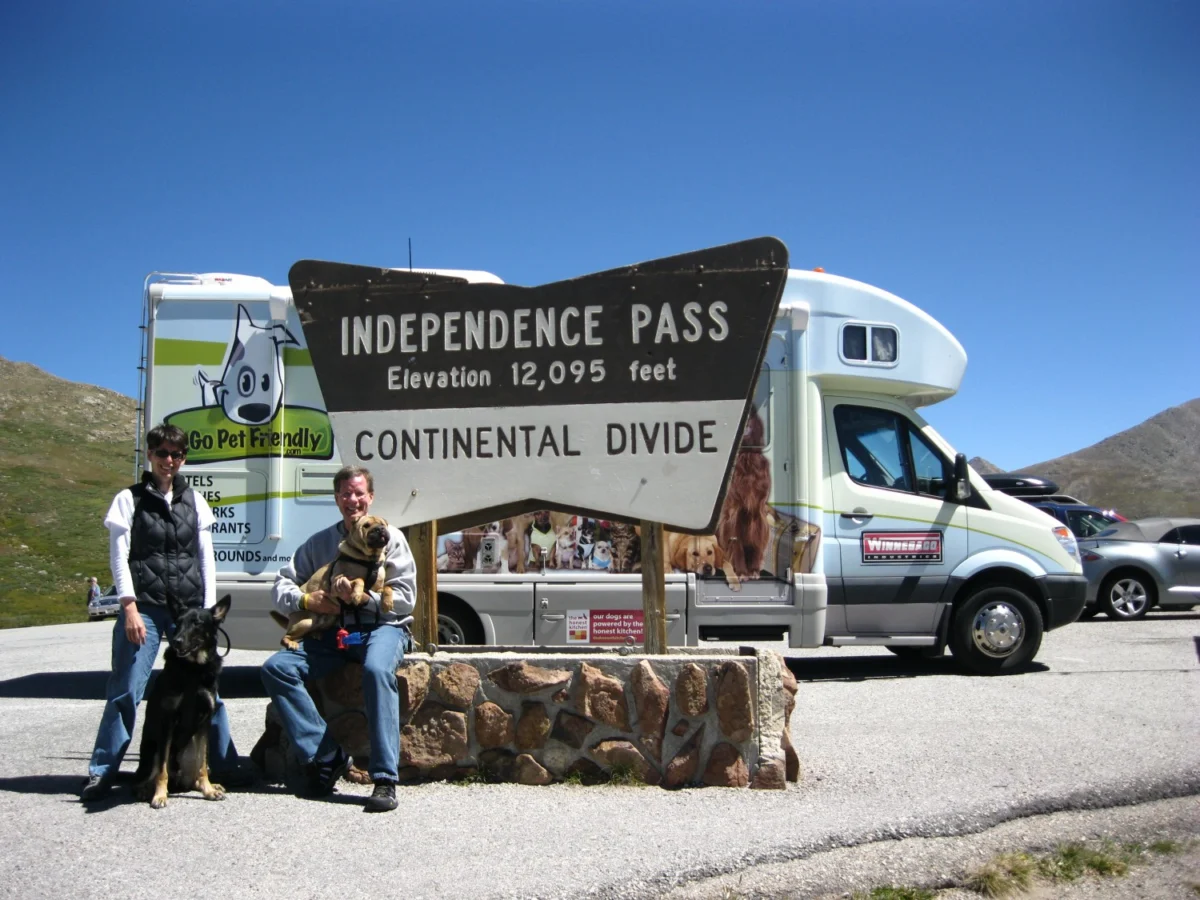
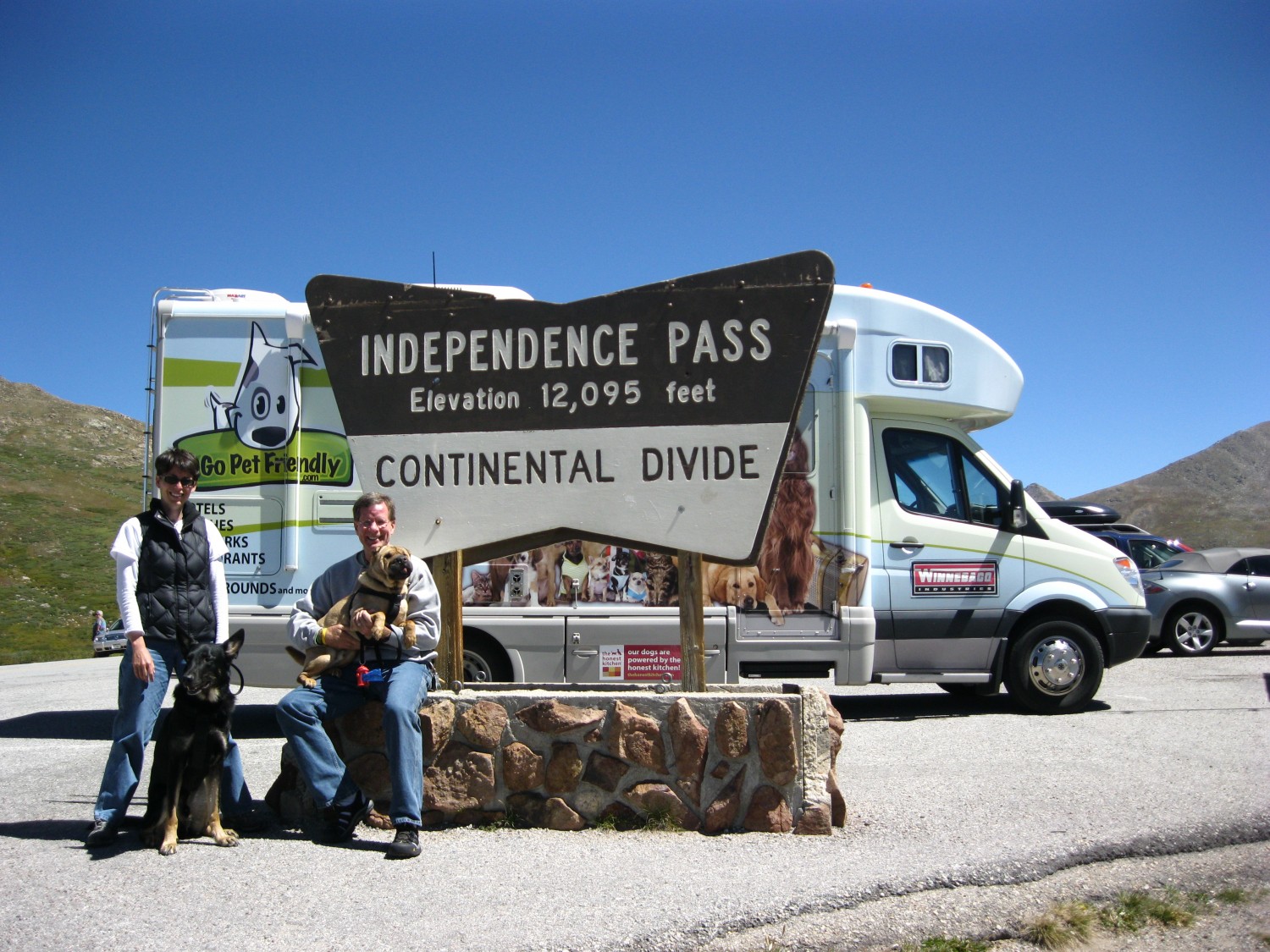
The decision to close the directory is not merely a reaction to technology but a reflection of the founders’ personal journey. After twelve years of living in a motorhome—a lifestyle that deeply informed their understanding of pet travel—the team has settled in the uniquely pet-friendly town of Bisbee, Arizona.
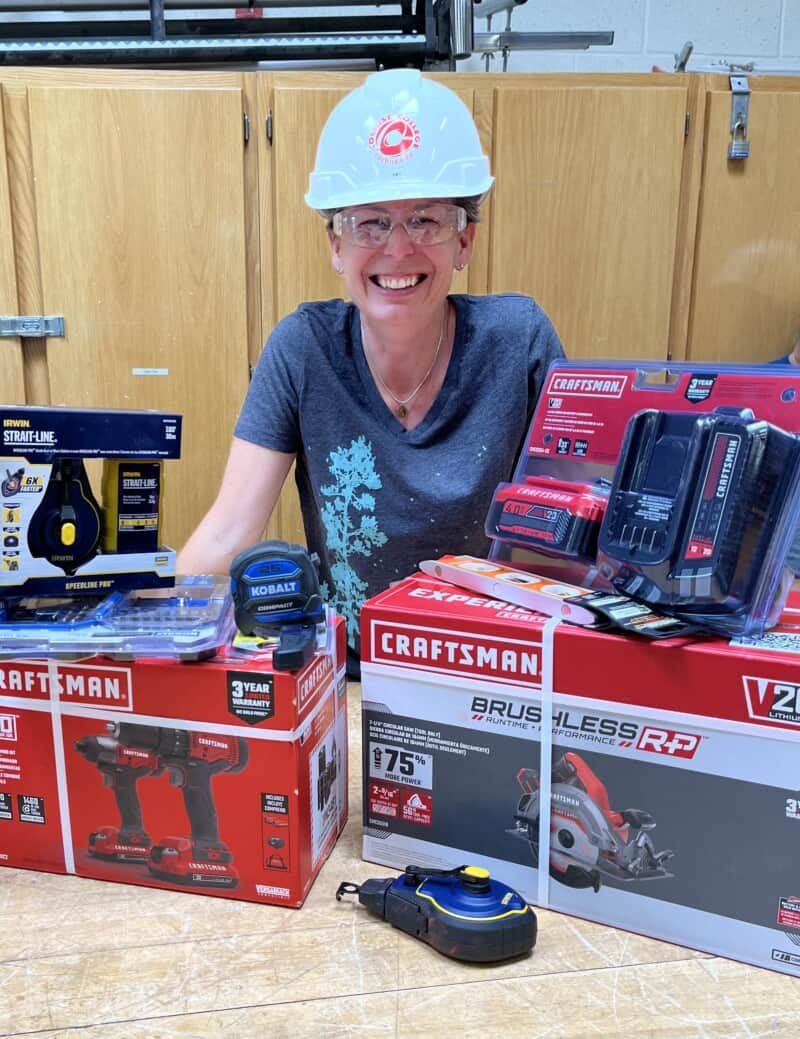
The transition from a nomadic lifestyle to a stationary one sparked a period of intellectual curiosity. Finding themselves with more free time, the founders engaged in a rigorous educational pivot. Two months ago, the team completed a certificate program in AutoCAD, paired with intensive coursework in residential construction.
This pivot was not originally part of a grand business plan. It was, as the founders describe, a pursuit of long-held fascinations. However, these academic pursuits soon collided with a dormant dream: the construction of a home on a three-acre lot the couple purchased years ago in the rugged mountains of southern Colorado.
The Colorado Project: Building in a Challenging Landscape
The focus of the new chapter is the development of a high-altitude, sustainable home in the Colorado wilderness. This project is a testament to the skills acquired during the transition.
"Suddenly, everything I was learning in my classes became useful," the team states. "Months of research went into finding the best way to build on a slope, in a remote location, where summer only lasts for a few months and winter can be brutal."
The construction timeline is ambitious. The team plans to break ground this May, contingent on the volatile mountain weather. The home itself will be a panelized, prefab structure delivered in June. Once the exterior is secured by professional crews, the founders intend to adopt a hands-on approach, managing the interior build and hiring specialized sub-contractors for complex tasks.
Sustaining the Community: The Future of the Blog
Despite the closure of the directory, the GoPetFriendly blog will remain active. This decision is driven by both sentimentality and the belief that human-centered content has a unique, irreplaceable value.
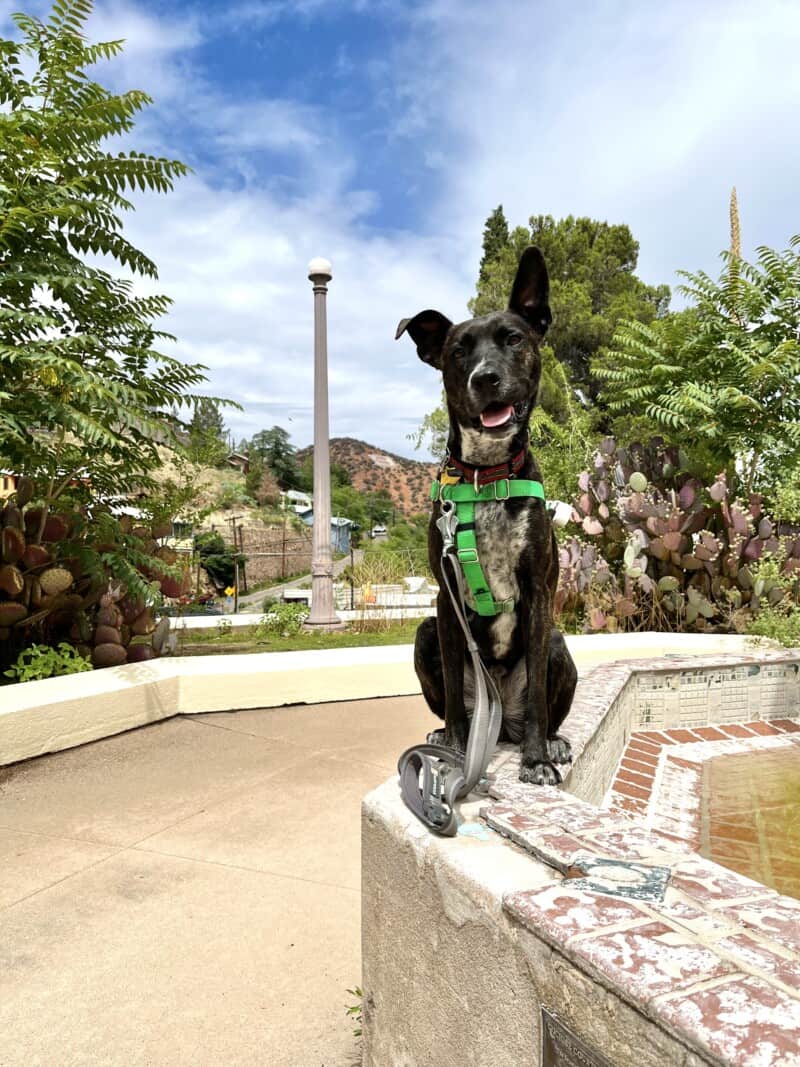
"We’re keeping the blog in place, partially because it’s home to the millions of memories we made with Ty and Buster," the founders explain. "But also because it’s not something AI can do better. Our paws-on-the-ground research, though a bit dated, still has value."
The blog will serve as an archive of the past sixteen years and a potential space for sporadic updates. By keeping the domain alive, the team ensures that the community they fostered remains intact, even as the platform’s primary function evolves.
Implications for the Industry and the Audience
The closure of the GoPetFriendly directory marks the end of an era for pet travel planning. It signifies that the market for pet-friendly travel has matured to a point where specialized, third-party navigation tools are no longer the gatekeepers they once were.
For the hospitality industry, this is a signal that pet-friendliness is now a baseline expectation rather than a luxury amenity. For the loyal readers of GoPetFriendly, the transition represents a departure from the transactional nature of travel planning toward a more relational, storytelling-focused future.
The launch of a new YouTube channel dedicated to the Colorado home-building process offers a bridge for this transition. By inviting their audience to follow the construction, the founders are shifting their community engagement from "where to go" to "how to build."
Looking Ahead: A Call to Adventure
The founders are acutely aware that moving from travel blogging to construction vlogging is a significant leap. They have been transparent about the learning curve, admitting that their initial videos—like their earliest blog posts—are a work in progress.
"The video is not good!" they admit with characteristic humility. "But you long-timers will remember that the first blog posts I wrote weren’t good either. Everything improves with practice."

As the directory closes at the end of this month, the legacy of GoPetFriendly remains etched in the travel industry. They moved the needle from "weird" to "welcomed," ensuring that millions of pets have been able to join their families on adventures across the continent.
For those who have followed the journey from the early days of RV travel to the upcoming construction of a Colorado mountain home, the next chapter promises to be just as engaging. The tools, the location, and the subject matter have changed, but the spirit of curiosity and the commitment to community remain at the foundation of everything they build.