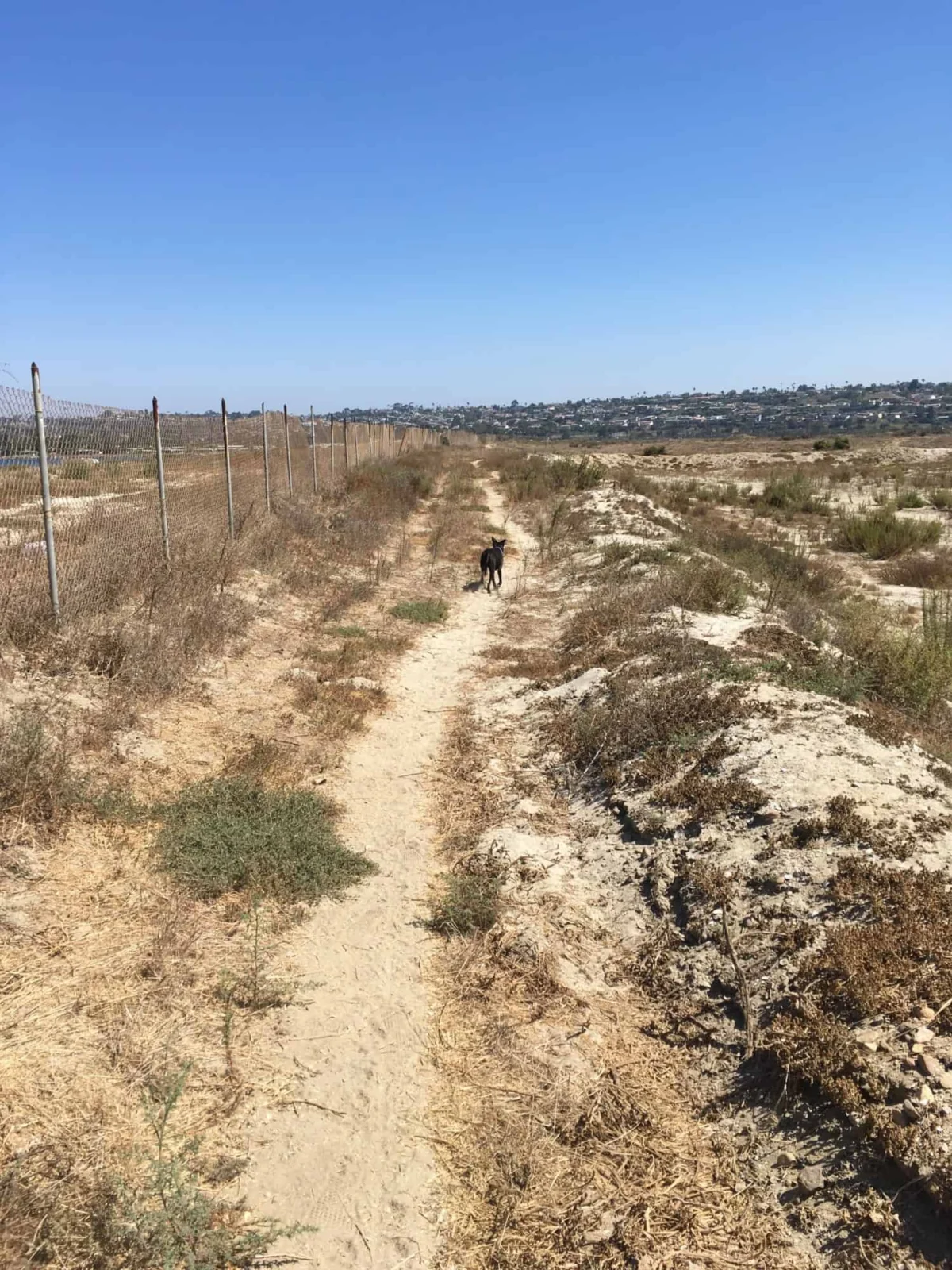
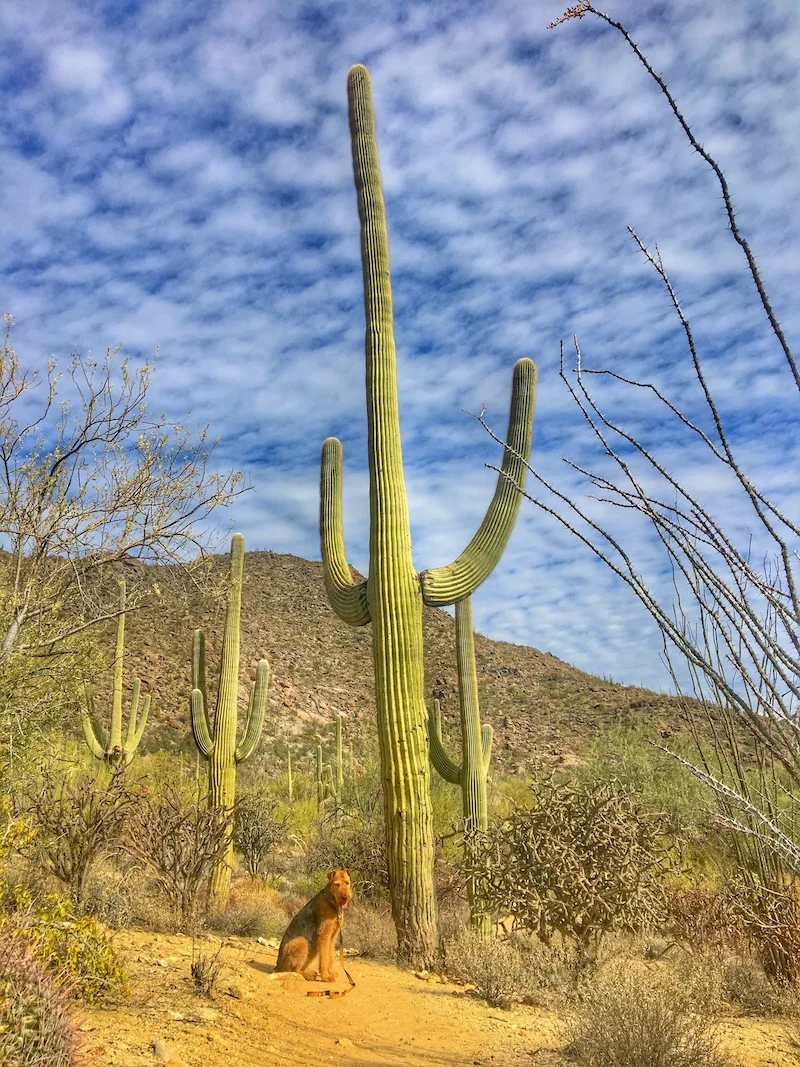
The allure of the American desert is undeniable. From the towering, iconic Saguaros of Arizona to the shifting, surreal sands of Colorado, the vast, sun-drenched landscapes offer a profound sense of solitude and natural beauty. For dog owners, the opportunity to share these expansive horizons with a canine companion is a bucket-list experience. However, the desert is a landscape of extremes—one that demands respect, meticulous planning, and an acute awareness of the unique hazards that accompany high-temperature, low-humidity environments.
While the serene vistas provide a meditative backdrop for adventure, they also harbor risks that can prove fatal to unprepared hikers and their pets. Navigating this terrain requires more than just a sense of direction; it requires a specialized approach to safety, equipment, and biological management.
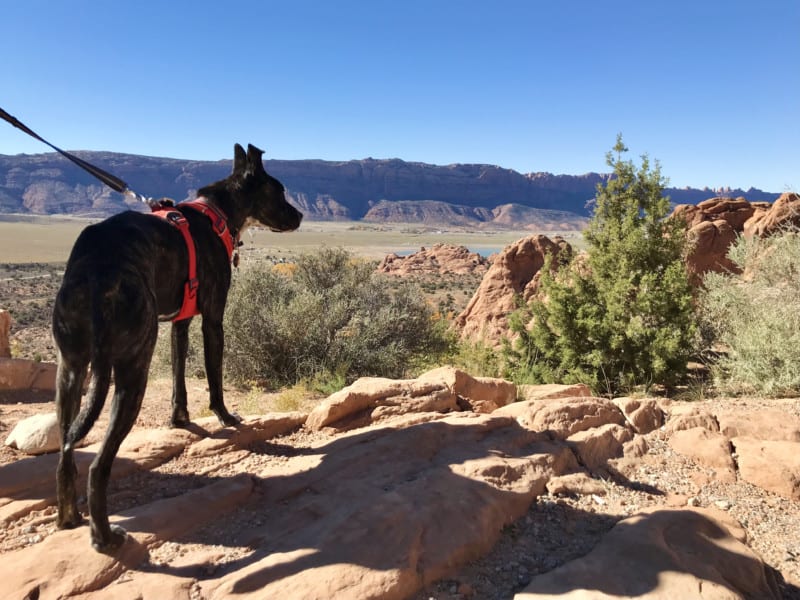
The Reality of the Desert: Environmental Hazards
Desert ecosystems operate on a razor-thin margin of survival. The same environmental factors that make these landscapes breathtaking—extreme solar radiation, arid soil, and sparse vegetation—create a volatile environment for domestic animals. Unlike temperate forests or coastal trails, the desert lacks consistent shade and reliable water sources.
Furthermore, the desert floor is a gauntlet of biological and geological threats. From the hidden, razor-sharp spines of cacti to the heat-conducting properties of sand and stone, the terrain can cause acute injury in a matter of seconds. Understanding the physiological toll of heat stress and dehydration is the first step in ensuring that a hike remains a memory of joy rather than a cautionary tale.
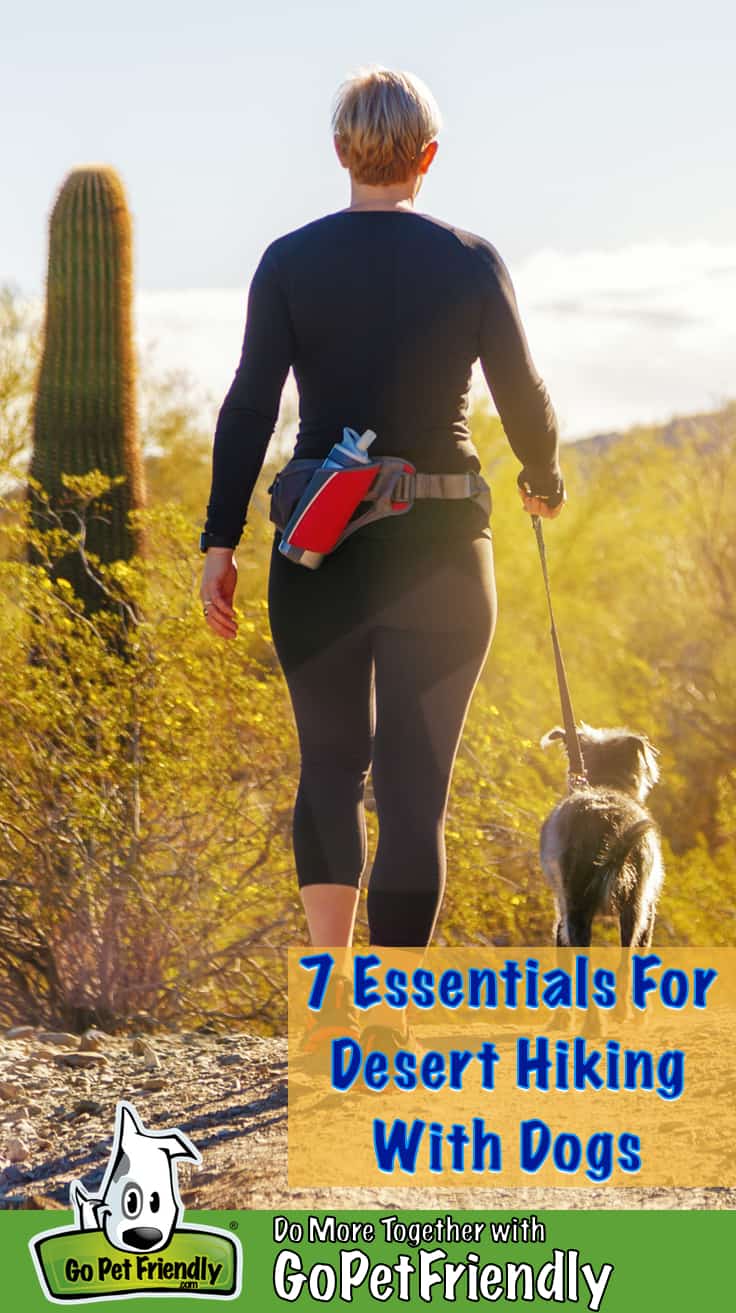
Chronology of a Desert Trek: From Preparation to Recovery
A successful desert excursion is not measured by the summit reached, but by the safety of the return journey. The chronology of a desert hike should be strictly managed:
- Pre-Trip Assessment: Conduct a thorough veterinary check-up. Ensure vaccinations—including those for rattlesnake venom, if applicable—are current. Analyze the weather forecast; in the desert, temperatures can swing by 40 degrees between sunrise and noon.
- The Ascent: Start at dawn. The "Golden Hour" of hiking is the only safe window during summer months.
- The Mid-Day Peak: By 11:00 AM, the desert floor is often too hot for paw pads. This is the time for a "siesta"—finding a shaded, elevated spot to wait out the solar peak.
- The Descent: Monitor your dog’s behavior closely for signs of heat exhaustion (excessive panting, lethargy, or bright red gums) during the return leg.
- Post-Hike Inspection: Conduct a full-body scan for thorns, burs, or insect stings before entering your vehicle or accommodation.
Essential Gear: The Desert Survival Toolkit
While a standard hiking kit suffices for most environments, the desert requires specific augmentations to your packing list.

1. Water: The Lifeblood of the Trail
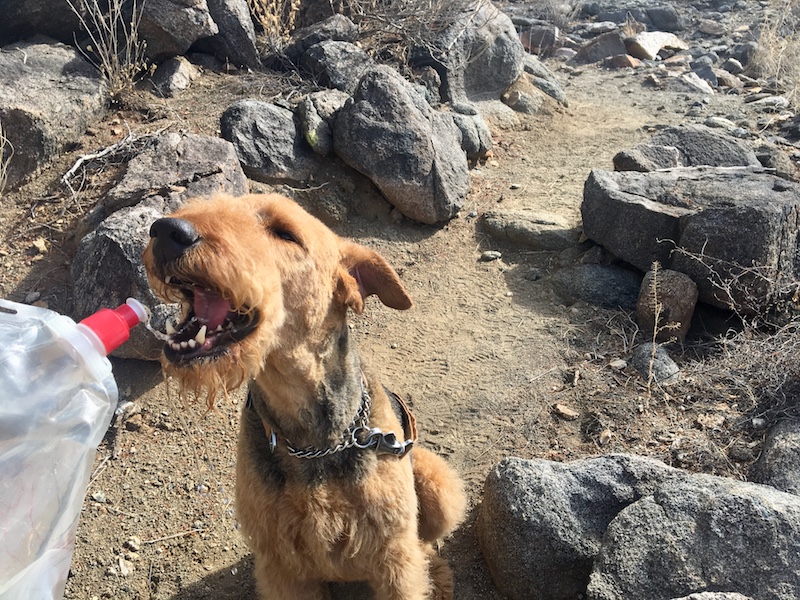
In the desert, water is not merely a hydration source; it is a thermal regulation tool. Never assume that streams or puddles indicated on maps are active. Hikers must carry enough water for both themselves and their dogs for the duration of the hike, plus a 25% buffer.
Pro Tip: Teach your dog to accept water from a squeeze bottle or a "pop-top" container. This "drinking fountain" method prevents waste, which is common when dogs drink from traditional bowls or puddles. If your dog is of a size and temperament to handle it, a dog-specific hydration pack can distribute the weight, though ensure the pack is properly fitted to prevent chafing.
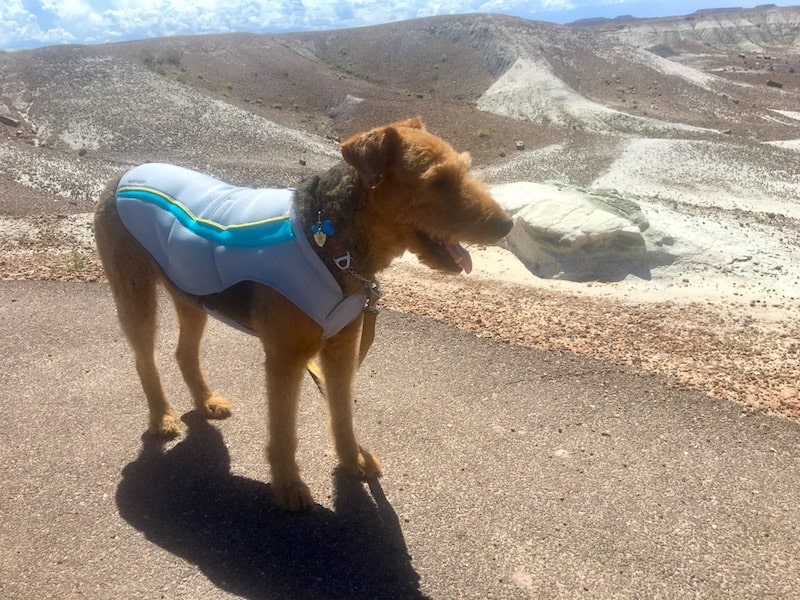
2. Paw Protection: The Boots Debate
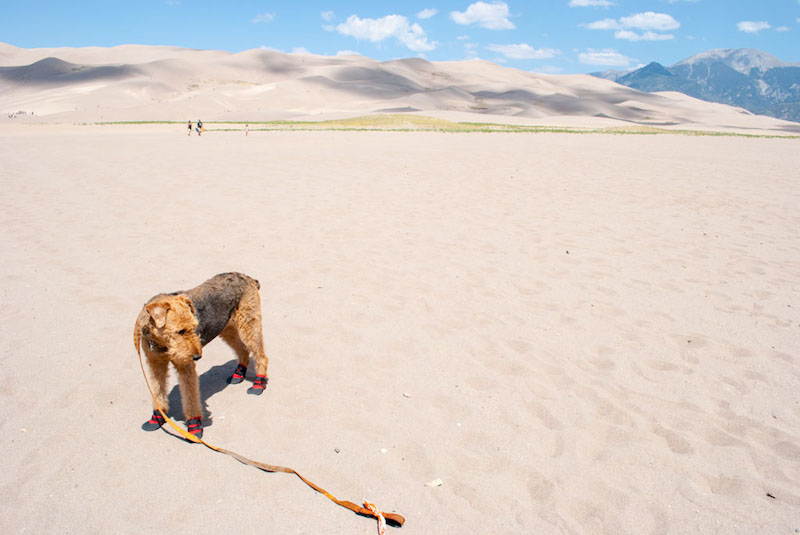
In Chicago or New York, dog boots are often a fashion statement or a winter necessity. In the desert, they are survival equipment. Hot sand and sun-baked rock can cause thermal burns on paw pads within minutes.
However, moderation is key. Dogs dissipate heat through their pads; keeping them covered for extended periods can impede their ability to thermoregulate. Use boots only when the ground temperature exceeds safe levels or when navigating jagged, volcanic, or sharp-rock terrain. Always check for debris inside the boots periodically to prevent friction sores.
3. The "Comfort" Factor: Sit Pads
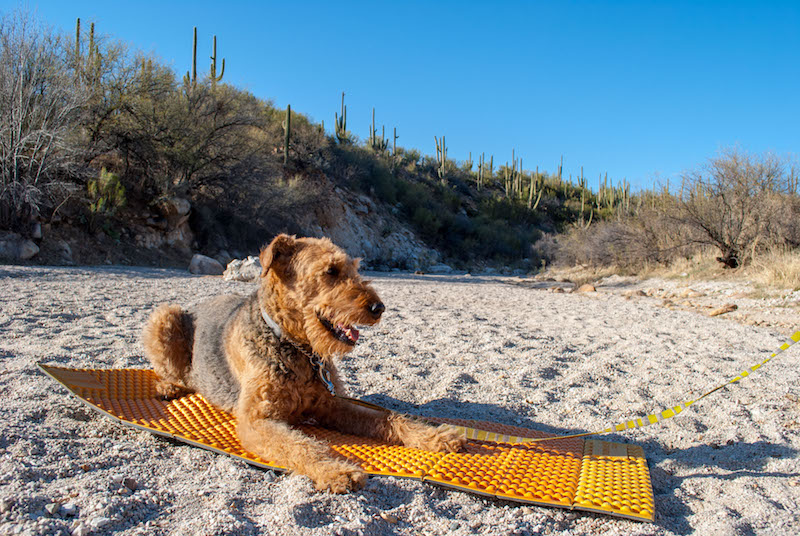
The desert is a landscape of thorns, cacti, and abrasive surfaces. When you stop for a rest, your dog needs a place to lie down that is protected from the ground. A lightweight, collapsible sit-pad is an invaluable addition. It provides an insulating barrier and protects against the omnipresent threat of cactus needles and sharp rock shards.
4. Advanced First Aid: The Fine-Tooth Comb and Tweezers
Standard first aid kits often overlook the specific needs of the desert. A fine-tooth comb is the most effective tool for clearing sand burs, goathead thorns, and cactus spines from thick fur. Without it, these items often migrate deeper into the skin, causing infection.
Tweezers are a critical secondary tool for removing individual, deep-seated splinters or insect stingers. Always carry antiseptic wipes and self-adhesive, stretchable medical tape (vet wrap) that will not stick to the dog’s fur, allowing for easy removal without pain.
5. Pharmaceutical Considerations: Benadryl
Allergies and insect stings are common in the desert. Before departing, consult your veterinarian regarding the safe, weight-appropriate dosage of Benadryl (diphenhydramine) for your dog in the event of an allergic reaction to a bee or ant sting. Keep a written note of this dosage inside your first-aid kit, as dosage calculations are often complex and difficult to perform accurately during a crisis.
Supporting Data: Understanding Heat Stress
According to veterinary data, dogs are significantly more susceptible to heatstroke than humans because they rely almost exclusively on panting and minimal sweating through their pads to cool down. When the ambient temperature rises, the dog’s internal cooling system is quickly overwhelmed.
Research indicates that even on "moderate" 80°F days, the temperature of asphalt or sand exposed to direct sunlight can reach upwards of 130°F. At 125°F, skin destruction can occur in as little as 60 seconds. This data underscores the necessity of checking ground temperatures manually—if it is too hot for the back of your hand to touch comfortably for five seconds, it is too hot for your dog’s paws.
Official Guidance: Expert Perspectives
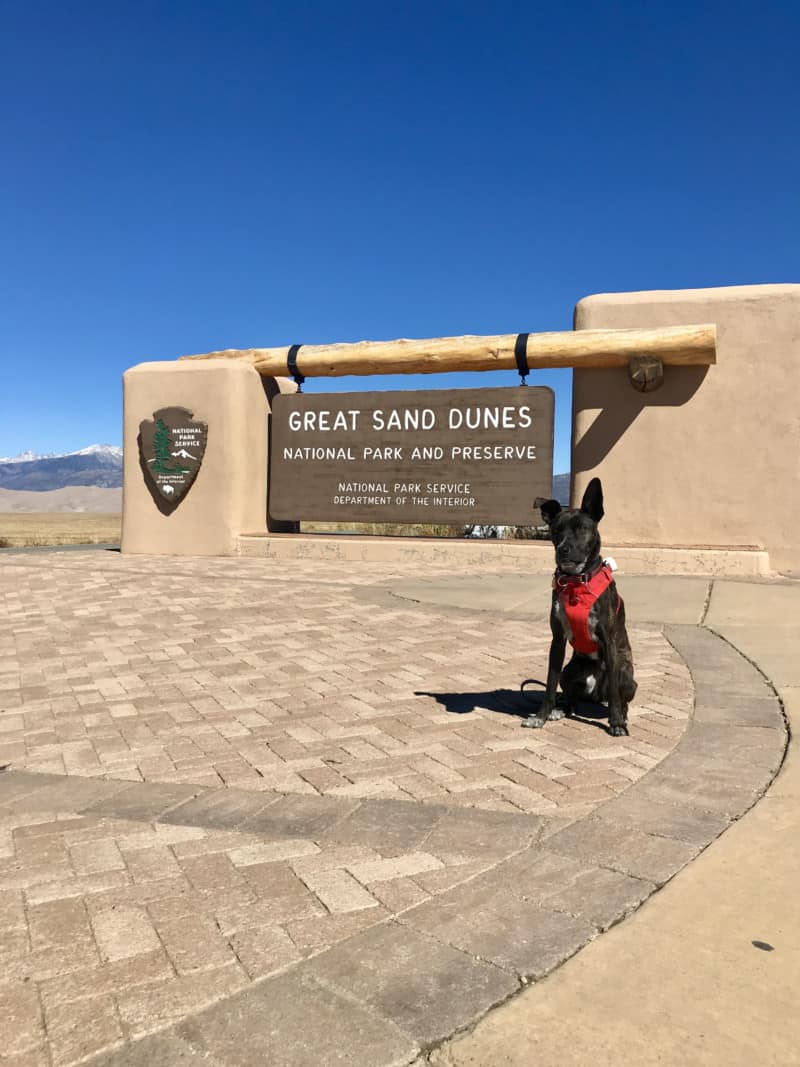
Wildlife biologists and park rangers consistently emphasize that the greatest risk in the desert is complacency. The National Park Service (NPS) recommends that pet owners adhere strictly to "Pet-Friendly" trail designations. Many desert trails prohibit dogs entirely to protect both the animal and the fragile, endangered flora of the region.
Regarding wildlife encounters, such as the Western Diamondback Rattlesnake, experts suggest that "Rattlesnake Avoidance Training" is a more effective safety measure than vaccination alone. While the vaccine does not provide immunity, it can reduce the severity of the reaction and provide critical time to reach a veterinary clinic.
Implications: The Long-Term Impact of Desert Travel
Hiking in the desert with your dog fosters a unique bond forged in the crucible of a challenging environment. However, the implication of this pursuit is a permanent responsibility. By choosing to take your dog into the backcountry, you assume the role of their primary caretaker in a place that offers no margin for error.
Preparation is not just about the gear you pack; it is about the mindset you adopt. By prioritizing your dog’s physical limitations, staying updated on local hazards, and maintaining a vigilant, "safety-first" attitude, you ensure that the vast, serene desert remains a place of exploration rather than danger.
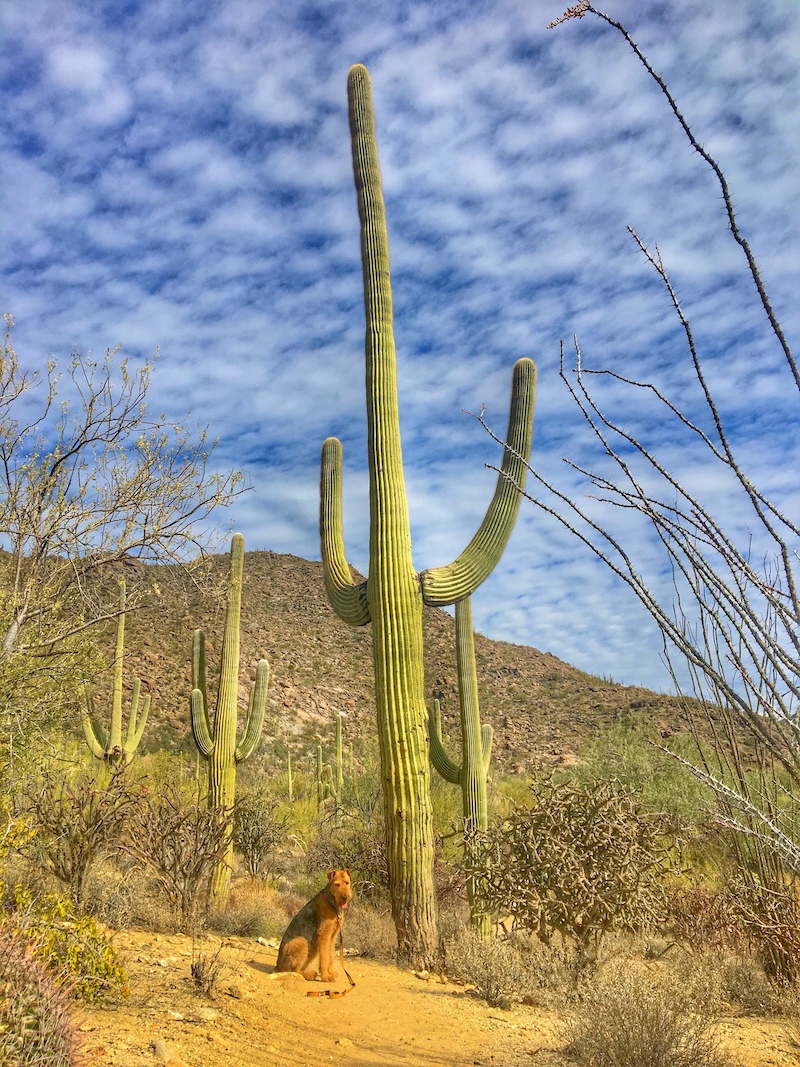
The desert is a teacher. If you listen to its warnings and respect its power, it will reward you and your canine companion with experiences that are as safe as they are transformative. Before your next departure, revisit your kit, verify your route, and remember: the best hike is one where everyone returns home ready for the next adventure.