Main Facts: A Season of Challenges
For renowned animal behaviorist and author Patricia McConnell, the start of 2026 has been marked by a juxtaposition of professional milestones and personal adversity. While preparing for the highly anticipated launch of her new novel, Away To Me, McConnell has found herself sidelined by a painful orthopedic diagnosis: de Quervain’s tenosynovitis. This condition, which affects the tendons on the thumb side of the wrist, has necessitated a significant change in her daily routine, forcing her to rely on assistance for even the most mundane tasks.
Despite these physical limitations, McConnell remains focused on her dual responsibilities: the rigorous promotion of her debut work of fiction and the ongoing stewardship of her farm in Wisconsin. Her current situation serves as a poignant reminder of the necessity of adaptability, both in the management of complex animal relationships and in the handling of one’s own physical health.
Chronology: The Evolution of a Bond
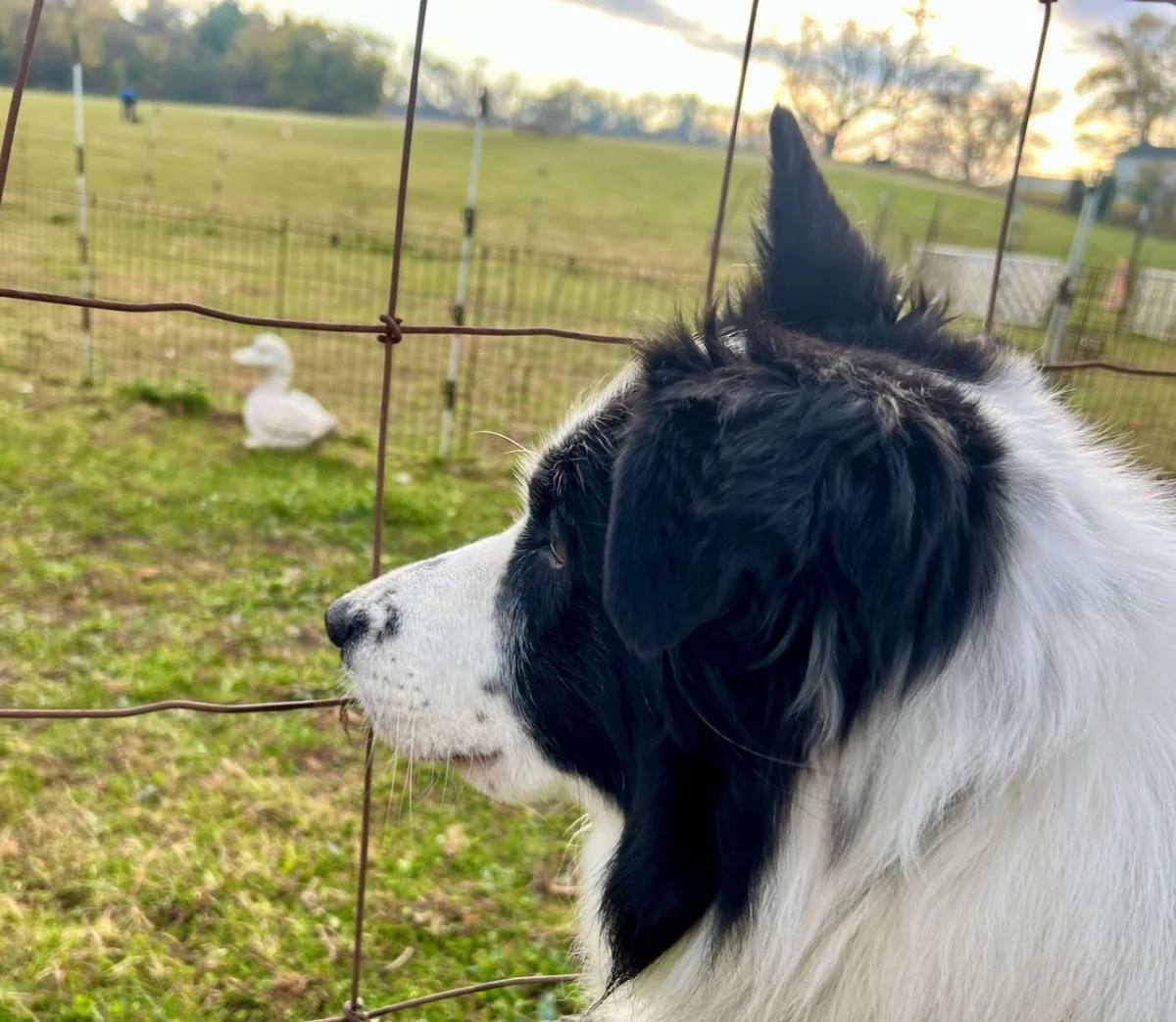
The narrative of McConnell’s current work is deeply rooted in the history of her two dogs, Maggie and Skip. Five years ago, in February 2021, McConnell documented the difficult integration of the two animals. Skip, a spirited and physically imposing dog, initially lacked the essential social grace of "self-handicapping." He treated play like a full-contact sport, often slamming into the smaller, more agile Maggie, which led to significant tension and fear in their relationship.
![The Evolution of Play [revisited]](https://www.patriciamcconnell.com/wp-content/uploads/2026/01/IMG_1061-1.jpeg)
The Phases of Canine Socialization
- Initial Friction (2020): Upon his arrival, Skip’s lack of social regulation caused Maggie to withdraw. McConnell observed that Maggie, usually a playful and energetic companion, became increasingly intimidated by Skip’s "linebacker" approach to play.
- The Turning Point: Through a combination of environmental management, the introduction of toy-focused engagement, and the use of precise, positive-reinforcement-based recalls, McConnell successfully moderated Skip’s intensity.
- The Trauma Setback: In April of that year, Skip suffered a significant leg injury, requiring months of recovery. When he was finally cleared to resume play, an unexpected behavioral regression occurred. Maggie began avoiding the pasture entirely—a phenomenon McConnell attributes to the emotional resonance of the traumatic injury incident.
- The Path to Harmony (2021–2026): Through systematic desensitization and counter-conditioning, McConnell rebuilt Maggie’s confidence. Today, the dogs serve as a model for healthy, reciprocal play, demonstrating the long-term benefits of patience and intentional behavioral intervention.
Supporting Data: Understanding Appropriate Play
McConnell emphasizes that play is not merely a frivolous activity but a critical component of canine mental health and physical fitness. Drawing from her expertise and her collaboration with Karen London in Play Together, Stay Together, she outlines the markers of healthy play:
- Self-Handicapping: The stronger or more dominant player intentionally assumes a vulnerable position or reduces their power to keep the game balanced.
- Role Reversal: Healthy partners alternate between being the "chaser" and the "chased," or the one on top and the one on the bottom.
- Communication: Successful play involves frequent "play bows" and pauses, allowing both participants to signal their continued enjoyment.
When these markers are absent, the risk of behavioral fallout increases. McConnell suggests that owners must be prepared to intervene, not through punishment, which can exacerbate fear, but through structured redirection and the maintenance of "safe zones" for more vulnerable dogs.
Official Perspectives on Behavioral Management
McConnell advocates for a proactive, rather than reactive, approach to canine conflict. Her methodology, developed over decades of clinical work, is summarized in four key pillars:
![The Evolution of Play [revisited]](http://www.patriciamcconnell.com/wp-content/uploads/2026/01/IMG_1102.jpeg)
1. Observe
Owners must develop the ability to read subtle cues. Recognizing the difference between "high-arousal play" and "aggressive posturing" is essential. If a dog like Maggie stops engaging or retreats, it is a signal that the play has crossed the threshold from fun to overwhelming.
2. Protect
When play becomes uneven, the human must act as a buffer. This may involve using a reliable recall to interrupt a charge, separating the dogs during high-energy periods, or walking them individually until the dynamic stabilizes.
3. Redirect
Utilizing resources such as tug toys allows dogs to channel their physical energy into an object rather than each other. This shifts the focus from "body-to-body" contact to "team-based" play, which reduces the likelihood of injury and promotes cooperation.
![The Evolution of Play [revisited]](https://www.patriciamcconnell.com/wp-content/uploads/2021/02/IMG_5898.jpeg)
4. Time-Outs
Providing a "cool-down" period is vital. By calling a dog away and asking for a stationary command—such as "wait" or "stand"—the owner allows the animal to lower its physiological arousal, facilitating better decision-making when the play resumes.
Implications: The Intersection of Winter and Wellness
The winter of 2026 has been particularly harsh in Wisconsin, with temperatures plummeting to -16°F and wind chills reaching -40°F. For the farm animals and the household dogs, this has meant a shift toward survival-based care. McConnell notes that the extreme cold is not just a nuisance but a health hazard for older dogs; she has utilized specialized gear, such as PawsZ rubber boots, to prevent frostbite and paw-pad splitting.
This environmental stress, coupled with her own de Quervain’s diagnosis, has highlighted the vulnerability of human-animal systems. McConnell’s ability to maintain her farm duties while managing a restrictive splint and preparing for a book tour demonstrates a resilient, albeit strained, lifestyle.
![The Evolution of Play [revisited]](http://www.patriciamcconnell.com/wp-content/uploads/2026/01/IMG_1088-1.jpeg)
Professional Outlook and Public Engagement
As she looks toward her upcoming tour in Wisconsin and Texas, McConnell remains candid about her physical challenges. The irony of being a writer who cannot easily hold a pen is not lost on her. Despite the pain and the struggle to adapt, she remains committed to her readers.
- Book Tour Logistics: The upcoming tour for Away To Me represents a significant professional hurdle. McConnell has invited her audience to attend these events, acknowledging that for those unable to travel, signed copies remain available through select retailers.
- The Future of Behavioral Education: McConnell continues to direct her audience toward established resources, including her own Dog Play seminar and the work of experts like Dr. Sophia Yin. She maintains that the lack of literature on how to intervene in poor play is a gap in the field she intends to continue addressing.
Conclusion: A Philosophy of Resilience
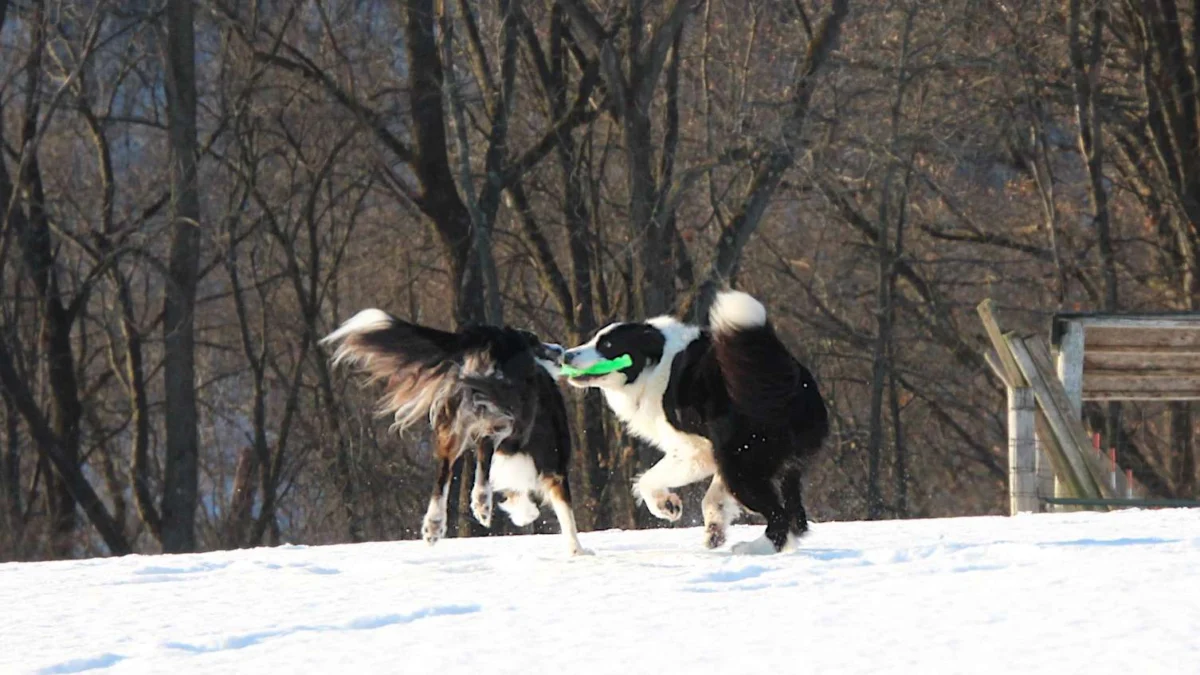
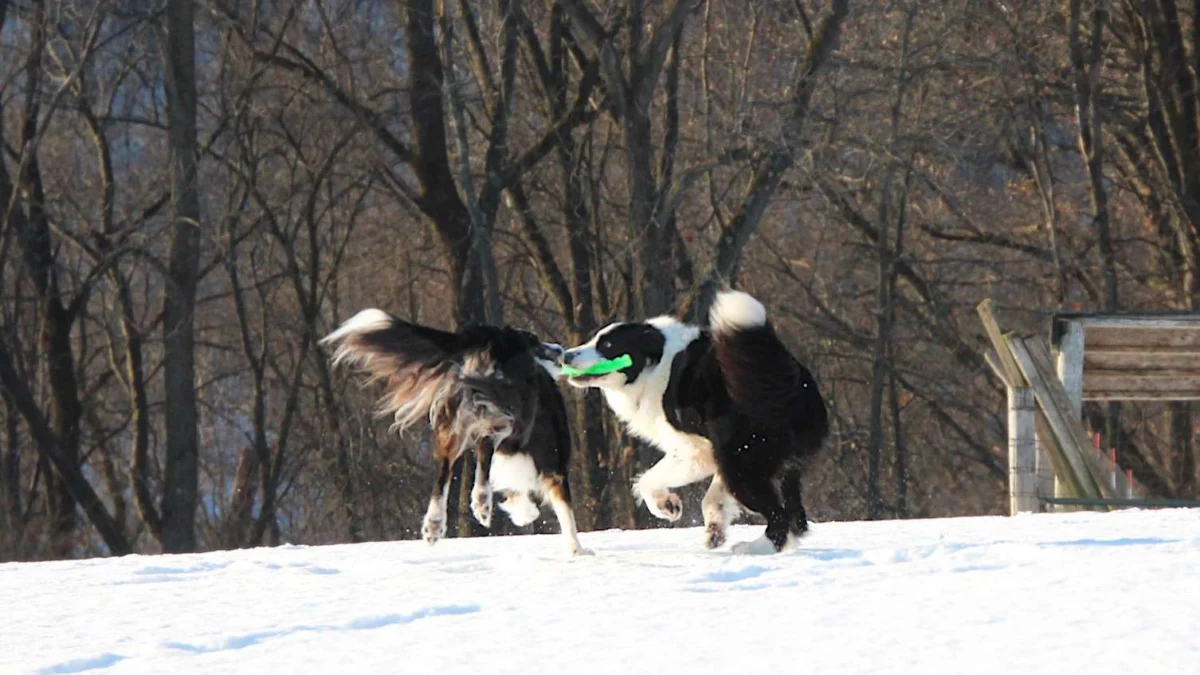
The broader implication of McConnell’s story is the power of perspective. By sharing the mundane realities of her life—from the struggle to write with a non-dominant hand to the effort required to protect her dogs from the biting cold—she fosters a deeper connection with her community. She views her own trials as trivial compared to the broader struggles of the world, choosing instead to find solace in the simple, curative power of watching two dogs play in the snow.
"May you find time for play, and all of its joys, in your life this week," she writes, a closing sentiment that underscores her life’s work: the belief that whether human or canine, the quality of our relationships is defined by our capacity for patience, protection, and the occasional, necessary act of letting go. As she enters this new chapter, both as an author of fiction and an advocate for animal welfare, her focus remains steady: navigating the hurdles with as much grace, and as many "paws crossed," as possible.