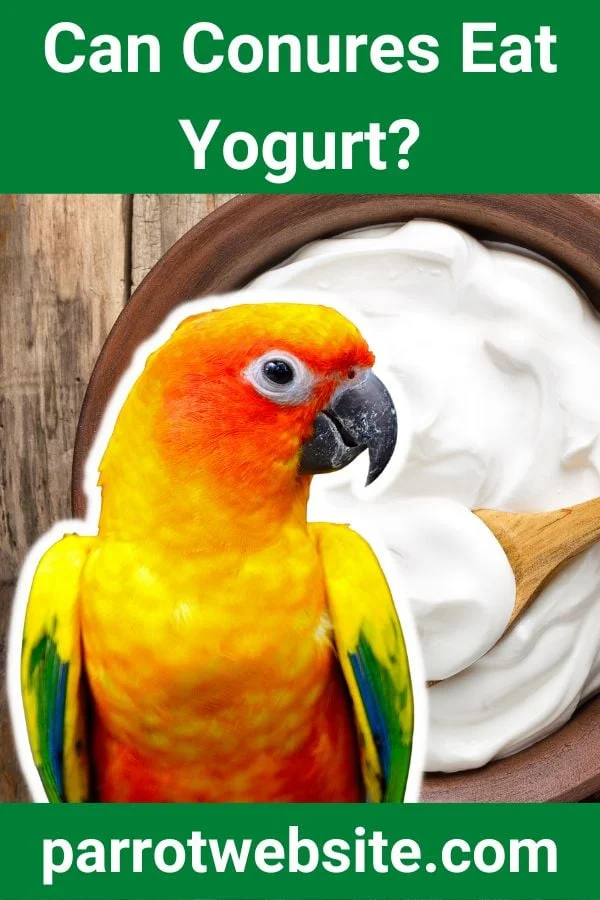
For many parrot owners, the urge to share a morning meal with their feathered companion is natural. We view our birds as members of the family, and as such, it feels like a gesture of affection to offer them a bite of our breakfast. Yogurt, often touted as a "superfood" in human nutrition due to its probiotics and calcium content, frequently finds itself on the list of items owners consider sharing. However, avian biology is vastly different from mammalian biology.
Despite the popularity of yogurt in human diets, it is vital to understand that it poses significant, often overlooked, health risks to conures and other parrot species. This report explores the physiological, nutritional, and behavioral reasons why yogurt should never find its way into your bird’s food bowl.
Main Facts: The Biological Incompatibility
The central, undeniable fact regarding conures and yogurt is that parrots are not designed to consume dairy. In the natural habitat of a conure—the tropical and subtropical regions of the Americas—these birds subsist on a diet of seeds, nuts, fruits, flowers, and occasionally insects. At no point in their evolutionary history have they encountered dairy products.
Because conures are not mammals, they lack the biological machinery required to process lactose, a sugar naturally present in the milk of all mammals. While humans and other mammals are born with the enzyme lactase to break down this sugar during infancy, parrots never possess this enzyme at any stage of their life cycle. Consequently, feeding a conure yogurt is not merely a matter of dietary preference; it is a fundamental violation of their digestive capabilities.
The Physiology of Lactose Intolerance in Avian Species
To understand the severity of this issue, one must understand what lactose actually is. Lactose is a disaccharide—a type of sugar composed of glucose and galactose—found exclusively in mammalian milk. In the wild, when a mammalian mother nurses her young, the offspring produce lactase to hydrolyze the lactose into simple sugars that can be absorbed for energy.
For a conure, the presence of lactose in the digestive tract is essentially an encounter with a substance that their body recognizes as an "indigestible foreign object." Because they lack the lactase enzyme, the lactose molecules remain intact as they travel through the bird’s gastrointestinal tract. This can lead to osmotic imbalances, where the sugar draws excessive water into the gut, resulting in gastrointestinal distress, severe cramping, and diarrhea. In the context of a bird’s highly efficient and sensitive metabolic system, this disruption can be more than just a minor stomach ache; it can lead to dehydration and a significant imbalance in the gut microbiome.
Chronology of Digestive Distress: What Happens When a Conure Eats Yogurt?
When a conure consumes yogurt, the reaction is not always instantaneous, which leads some owners to falsely believe that a "small lick" is harmless. The process typically unfolds in several stages:
- Ingestion: The bird consumes the yogurt. Because yogurt is often processed with added sugars and thickeners, the bird may find the taste appealing, even if it is biologically detrimental.
- Gastric Stasis: Unlike mammals, parrots have a specialized digestive tract designed for the rapid processing of high-fiber, low-fat plant material. Yogurt, which is often dense and viscous, sits in the crop and proventriculus, potentially slowing down the transit time of other foods.
- Osmotic Disruption: As the lactose reaches the intestines, it creates an osmotic effect. The bird’s system attempts to flush the indigestible sugars out, leading to rapid, loose stools.
- Microbial Imbalance: The sudden influx of sugar and dairy can encourage the overgrowth of harmful bacteria in the bird’s gut, potentially leading to secondary infections or yeast issues (candidiasis), which are notoriously difficult to treat in avian species.
Supporting Data: Why "Nutritional Benefits" Are a Myth
Proponents of feeding yogurt to birds often cite the presence of calcium and probiotics as a justification. While it is true that calcium is essential for bone health and egg production in female conures, and probiotics are beneficial for gut health, yogurt is an inefficient and hazardous vehicle for these nutrients.
- The Calcium Fallacy: While yogurt contains calcium, it is not a bioavailable source for a bird that cannot digest the medium (the dairy itself) in which the calcium is suspended. Better, safer sources of calcium for conures include dark, leafy greens (like kale or collard greens), cuttlebone, or crushed, sterilized eggshells.
- The Probiotic Argument: Many owners believe the "live cultures" in yogurt will aid their bird’s digestion. However, the probiotic strains in human-grade yogurt are specifically cultured for the human gut microbiome. Avian-specific probiotics are available, which are formulated to thrive in the unique pH and temperature conditions of a parrot’s digestive system. Introducing human-grade bacteria into a bird’s system is an unnecessary risk.
Official Responses and Veterinary Consensus
Veterinary associations, including the Association of Avian Veterinarians (AAV), maintain a clear stance on the inclusion of human processed foods in avian diets: they should be avoided. The consensus among avian specialists is that if a food item is not part of the species’ natural diet or a proven, safe avian-formulated supplement, it is a liability.
Veterinarians frequently treat "digestive upsets" that can be traced back to the humanization of a pet’s diet. The medical community emphasizes that the "no-dairy" rule is absolute. There is no "safe" amount of yogurt, as the individual bird’s sensitivity to lactose can vary, and there is no diagnostic test that tells an owner exactly how much lactose their specific bird can tolerate before systemic harm occurs.
Implications for the Modern Parrot Owner
The trend of "humanizing" pets has led to the inclusion of many items that are, at best, nutritionally useless and, at worst, toxic. For the conure owner, the implications are clear: your bird does not need variety in the sense of "human variety." They need variety in the form of high-quality pellets, fresh vegetables, seasonal fruits, and sprouted seeds.
Why "Low-Fat" and "Greek" Are Not Exceptions
Often, owners attempt to mitigate the risks by opting for low-fat or Greek yogurt. These alternatives fail for two primary reasons:
- The Lactose Constant: Even if the fat content is reduced, the lactose content remains. Greek yogurt, while strained to remove some whey, still contains significant amounts of lactose.
- The Processing Factor: Most commercial yogurts, regardless of the fat percentage, are loaded with additives, stabilizers, and often artificial sweeteners like Xylitol. Xylitol is exceptionally toxic to birds, causing rapid hypoglycemia and liver failure. Even natural sugars in yogurt provide empty calories that contribute to obesity, a common and life-shortening condition in captive conures.
Addressing Vegan Alternatives
Some owners inquire about vegan (dairy-free) yogurts made from soy, almond, or coconut. While these eliminate the lactose concern, they introduce new problems. Most commercial vegan yogurts are highly processed, containing high levels of sugar, salt, and preservatives. These ingredients are not natural to a parrot’s diet and offer no nutritional advantage over fresh, whole foods. A slice of raw bell pepper or a piece of organic broccoli will always be superior to any processed, store-bought "treat."
What To Do in Case of Accidental Consumption
If you discover that your conure has consumed a small amount of yogurt, do not panic, but do monitor the bird closely.
- Observe for 24-48 hours: Watch for signs of lethargy, ruffled feathers, lack of appetite, or watery, foul-smelling droppings.
- Hydration: Ensure the bird has access to clean, fresh water to prevent dehydration resulting from any potential diarrhea.
- Consult a Professional: If the bird has ingested a significant amount, or if you notice any behavioral changes, contact an avian-certified veterinarian immediately. Do not attempt to induce vomiting or administer human remedies, as these can be fatal to birds.
Conclusion: Stick to the Natural Standard
The takeaway for every conure owner is simple: keep the dairy in your fridge and out of the cage. The risks—ranging from simple gastrointestinal discomfort to severe bacterial imbalances—far outweigh any perceived, yet unsubstantiated, nutritional benefits.
Our conures rely on us to provide a diet that mimics the complexity and purity of their wild counterparts. By focusing on fresh, whole foods and avoiding the processed dairy products that define the human diet, we can ensure our companions live long, healthy, and vibrant lives. Remember, a "treat" for a parrot should be a reward that supports their health, not one that compromises it. When in doubt, reach for a piece of crisp, organic fruit or a vegetable, and leave the yogurt for your own breakfast bowl.