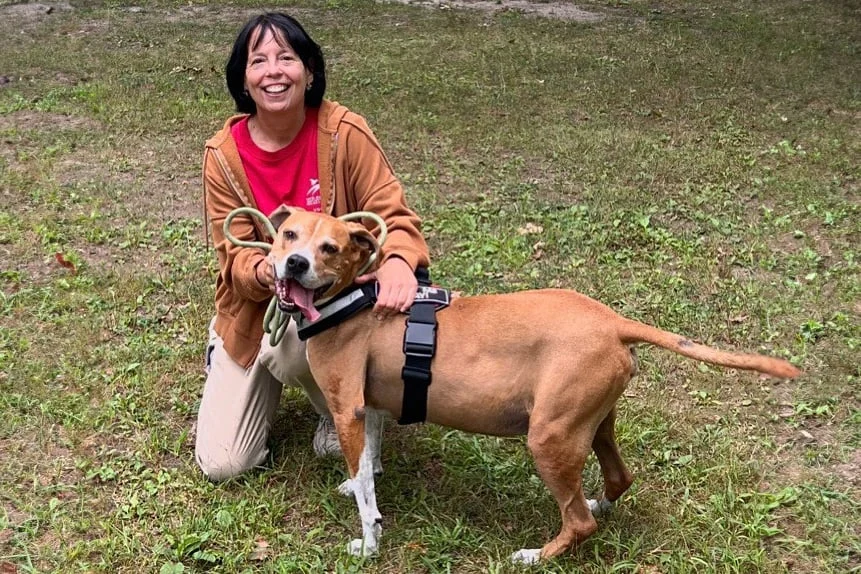
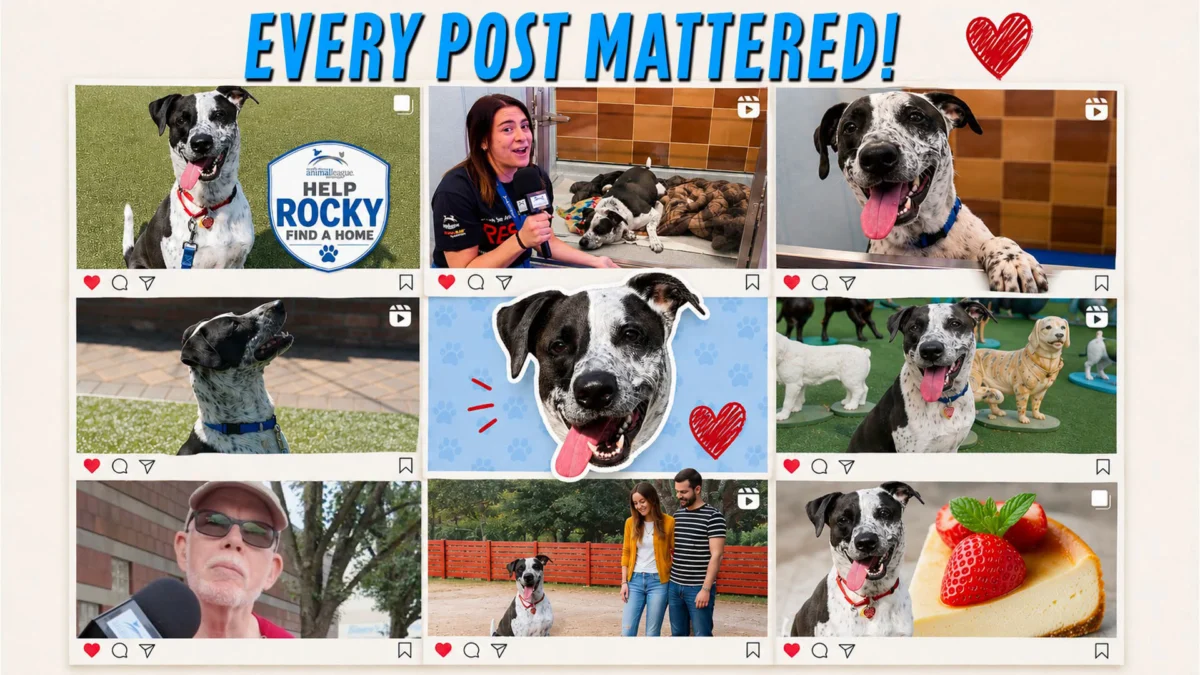
In the world of animal rescue, the term "long-timer" is a heavy label. It refers to animals who have spent months, sometimes years, within the confines of a shelter—not because they lack charm or temperament, but because they have simply been overlooked by the passing crowd. Rocky, a five-year-old Catahoula Leopard Dog mix, was one such soul. After losing his primary human companion, his world turned upside down, landing him at the Animal League America facility in Port Washington. For years, he watched potential adopters walk past his kennel, his vibrant personality masked by the anonymity of a shelter environment.
However, the trajectory of Rocky’s life changed forever due to a unique digital experiment: a vow to keep his face in front of the public eye until he found his forever home. This is the story of how a dedicated social media campaign, a 200-mile journey, and the power of digital community turned a quiet, overlooked dog into the face of a rescue movement.
The Weight of Waiting: Rocky’s Background
Rocky’s story is representative of a growing crisis in modern animal welfare: the displacement of loyal family pets. When his owner passed away, the five-year-old Catahoula mix was uprooted from the only life he had ever known. His breed, known for intelligence, loyalty, and high energy, often requires a specific type of environment to thrive.
At Animal League America, Rocky became a staff favorite. Volunteers noted his affectionate nature, his penchant for play, and his remarkable resilience. Despite his social graces, his residency stretched into years. The emotional toll on long-term shelter animals is significant; they often experience "kennel stress," which can manifest as lethargy or over-excitement, traits that ironically make them harder to adopt. Rocky, however, maintained a steady, loving demeanor that kept his caretakers fighting for his future.
Chronology of a Campaign: Nine Days to Freedom
The breakthrough began with a simple, high-stakes decision by the shelter’s social media team. Recognizing that Rocky’s presence on the facility’s website wasn’t enough to capture the attention of the right adopter, they made a public, binding commitment: they would post about Rocky every single day until he was adopted.
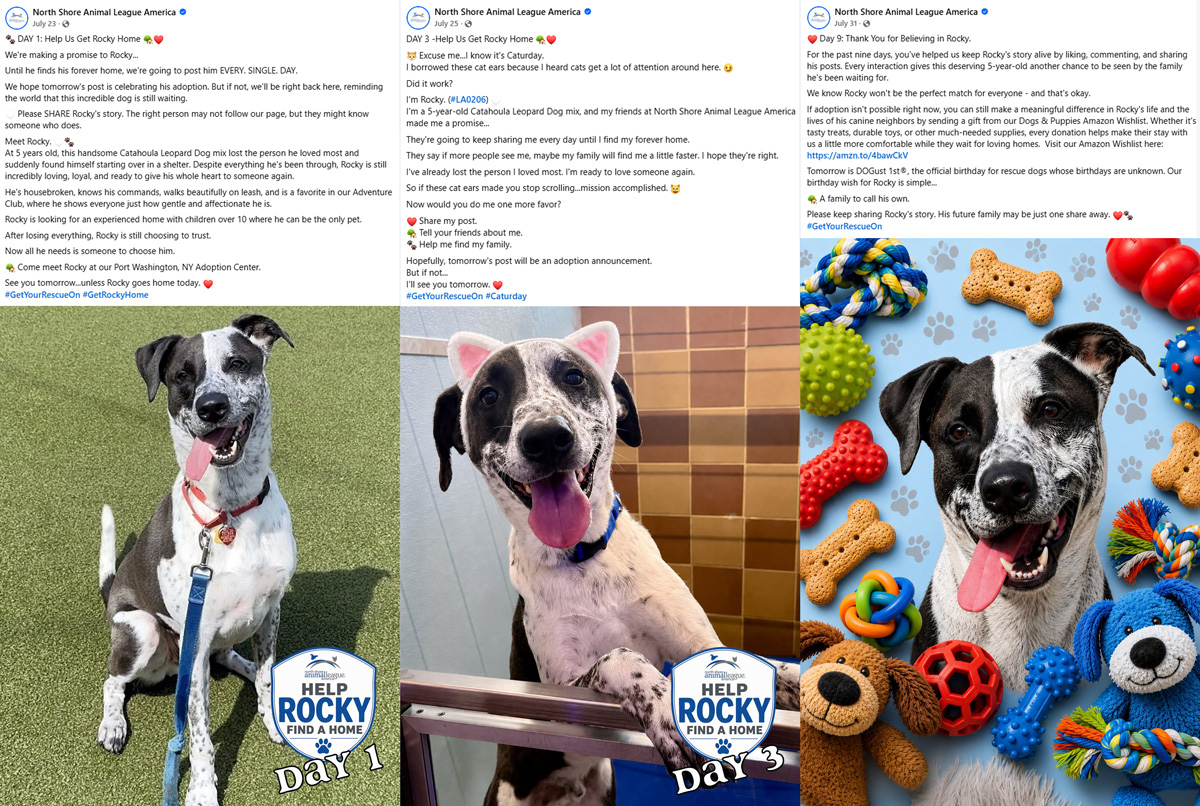
Days 1–3: Establishing the Narrative
The initial posts were designed to reintroduce Rocky to the world. The team shifted away from standard "available for adoption" templates, instead opting for raw, authentic storytelling. They highlighted his backstory, his favorite toys, and his specific quirks. The engagement was immediate, as followers began to share the posts across various platforms, creating a ripple effect that extended far beyond the shelter’s local radius.
Days 4–6: The Emotional Connection
By mid-week, the tone shifted. The posts became more intimate. The team shared anecdotes about how Rocky greeted his favorite volunteers and the quiet moments of companionship he offered. These posts resonated deeply with the community. Comment sections were flooded with well-wishes, prayers, and shares. The "Rocky" hashtag began to gain traction, and the digital community took on the role of his virtual advocates.
Days 7–9: The Final Push
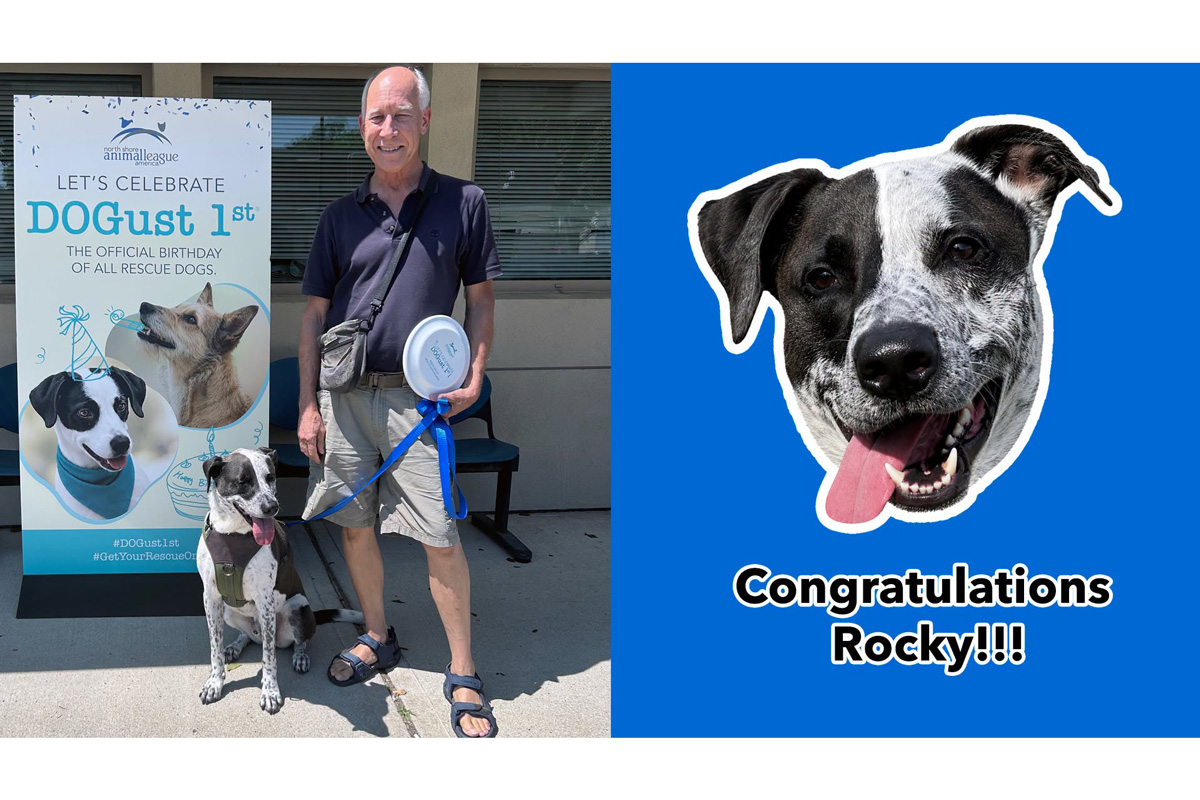
As the ninth day approached, the pressure—and the excitement—mounted. The final posts were characterized by a mix of anticipation and determination. The narrative was clear: "Rocky is still waiting, and someone out there needs to see him." This wasn’t just a marketing strategy; it was an appeal to the collective conscience of the digital world. On the ninth day, the news arrived that would change everything: a couple from Massachusetts had seen the posts and was making the 200-mile trek to meet him.
Beyond the Screen: Supporting Data and Geographic Reach
The success of Rocky’s campaign provides critical data for the future of animal rescue. Traditionally, shelter marketing relies heavily on local foot traffic. However, Rocky’s adoption serves as a case study in the efficacy of "hyper-local digital outreach" expanding into "regional connection."
- The Reach Factor: By committing to daily content, the shelter increased the visibility of their social media algorithm. Each share acted as a multiplier, pushing Rocky’s profile to users who were not previously following the organization.
- The Geographic Gap: The fact that his eventual adopters traveled over 200 miles from Massachusetts to Port Washington is significant. It suggests that distance is often not a barrier to adoption if an emotional bond is formed beforehand through digital storytelling.
- The Conversion Rate: The "Nine-Day Promise" moved Rocky from a "long-term resident" to an "urgent priority," compressing the timeline of his adoption from months to a single business week.
Official Responses and Shelter Philosophy
The leadership at Animal League America views this success as a vindication of their evolving outreach strategy.
"Sometimes, helping an animal find home begins with something as simple as refusing to stop telling their story," noted a representative from the organization. "We often think about the physical space of the shelter in Port Washington, but we are realizing more and more that the people ready to open their hearts to these animals can be anywhere. Our job is to bridge that gap, no matter how many miles it covers."
Staff members who worked with Rocky daily expressed a mix of relief and pride. The "promise" was not just a tactic for the public; it was a morale booster for the volunteers who had been invested in Rocky’s well-being for so long. Seeing the community rally behind their favorite dog confirmed their belief that every animal has a specific person waiting for them; sometimes, they just need a louder megaphone.
Implications for Animal Welfare
The "Rocky Effect" has broader implications for the animal welfare industry at large.
1. The Death of the "Passive" Listing
Shelters can no longer rely on static photos and short bios. The era of the "content creator" in animal rescue is here. Shelters must invest in staff or volunteers capable of crafting compelling, daily narratives that keep the audience emotionally invested.
2. The Power of Consistency
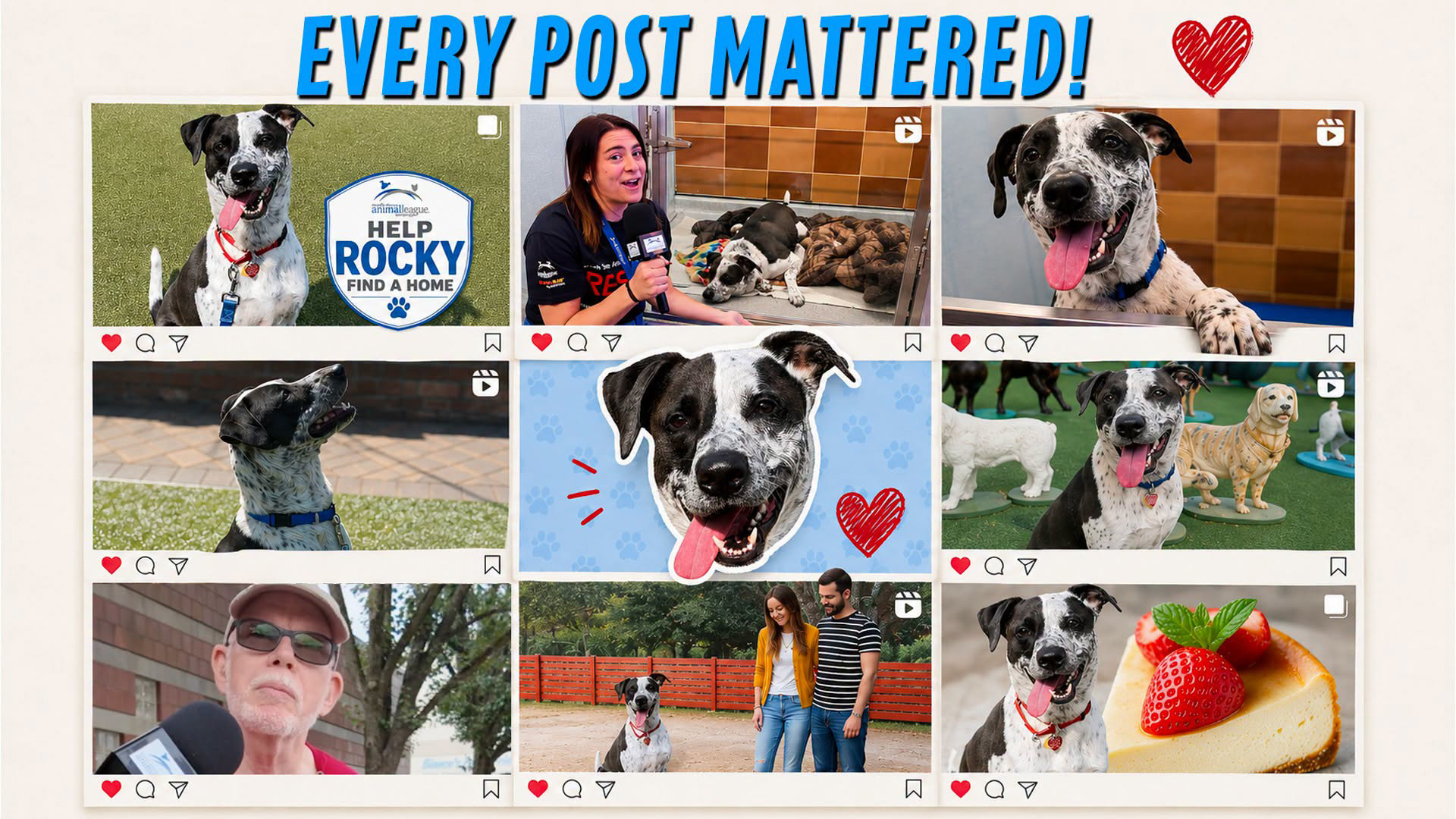
The most important lesson from Rocky’s story is the power of the promise. By committing to a daily schedule, the shelter created a narrative arc. Potential adopters didn’t just see a dog; they saw a story unfolding in real-time. This created a sense of urgency and communal investment that a one-off post could never achieve.
3. Broadening the Adoption Radius
Rocky’s journey from Massachusetts to Port Washington proves that high-quality digital content can effectively eliminate geographic constraints. Shelters that successfully leverage social media can reach potential adopters in neighboring states, effectively expanding their potential "forever home" pool from a city-wide reach to a regional or national one.
Conclusion: The Simple Act of Telling a Story
Rocky’s transition from a long-term shelter resident to a beloved family pet is a testament to the fact that empathy, when paired with modern digital tools, is a formidable force. His nine-day journey reminds us that the animals in our care are not merely statistics or "inventory"—they are individuals with histories, personalities, and futures that deserve to be fought for.
As the animal welfare community continues to adapt to the digital age, the lessons learned from Rocky’s campaign remain clear: the right home is out there. It is the responsibility of the rescue community to keep the light on, keep the stories coming, and never stop telling the world who is waiting for them. For Rocky, the wait is over. For countless others in shelters across the country, the campaign for their own "day nine" has only just begun.