MONTEZUMA COUNTY, COLORADO — Animal health officials have confirmed that a single equine premises located within Montezuma County, Colorado, has been placed under strict state quarantine following presumptive positive diagnoses of Vesicular Stomatitis Virus (VSV). The announcement, released via the United States Department of Agriculture’s (USDA) Animal and Plant Health Inspection Service (APHIS) and disseminated through the Equine Disease Communication Center (EDCC) Health Watch network, serves as a stark reminder of the persistent and seasonal threat this viral pathogen poses to livestock operations across the Western Hemisphere.
The emergence of VSV in Colorado highlights the ongoing vigilance required by horse owners, livestock producers, and regulatory veterinarians alike. Because the virus is capable of causing painful clinical manifestations in horses, donkeys, mules, cattle, swine, and New World camelids—and because its clinical presentation closely mirrors that of several high-consequence foreign animal diseases, most notably Foot-and-Mouth Disease (FMD)—swift identification, quarantine, and biosecurity protocols are paramount to preventing broader regional outbreaks.
Main Facts
The core of the current public health and agricultural alert centers on a single property in Montezuma County, situated in the southwestern corner of Colorado.
- The Index Premises: One equine facility in Montezuma County has been identified with presumptive positive cases of Vesicular Stomatitis Virus.
- Current Status: The affected property has been placed under an official quarantine by state animal health authorities.
- Susceptible Species: While the current index case involves equids, VSV is known to affect a wide range of livestock, including horses, ponies, donkeys, mules, cattle, swine, llamas, alpacas, and other New World camelids.
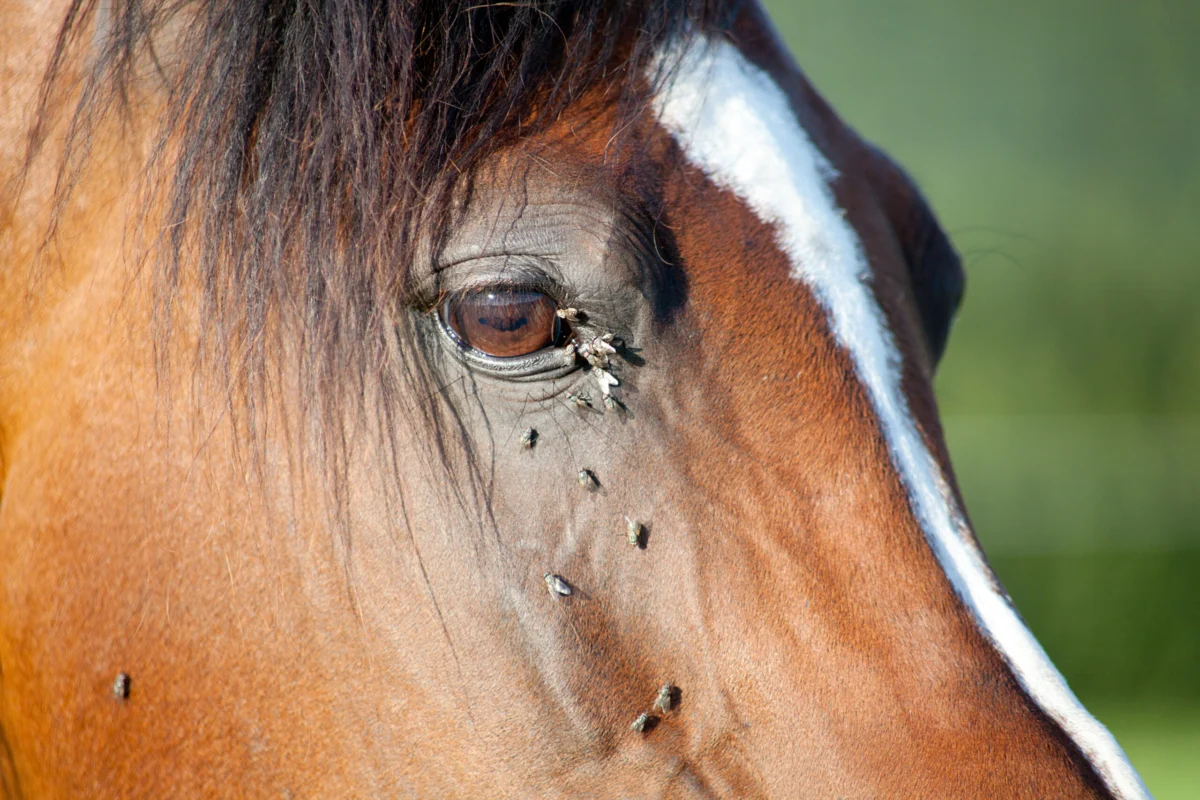
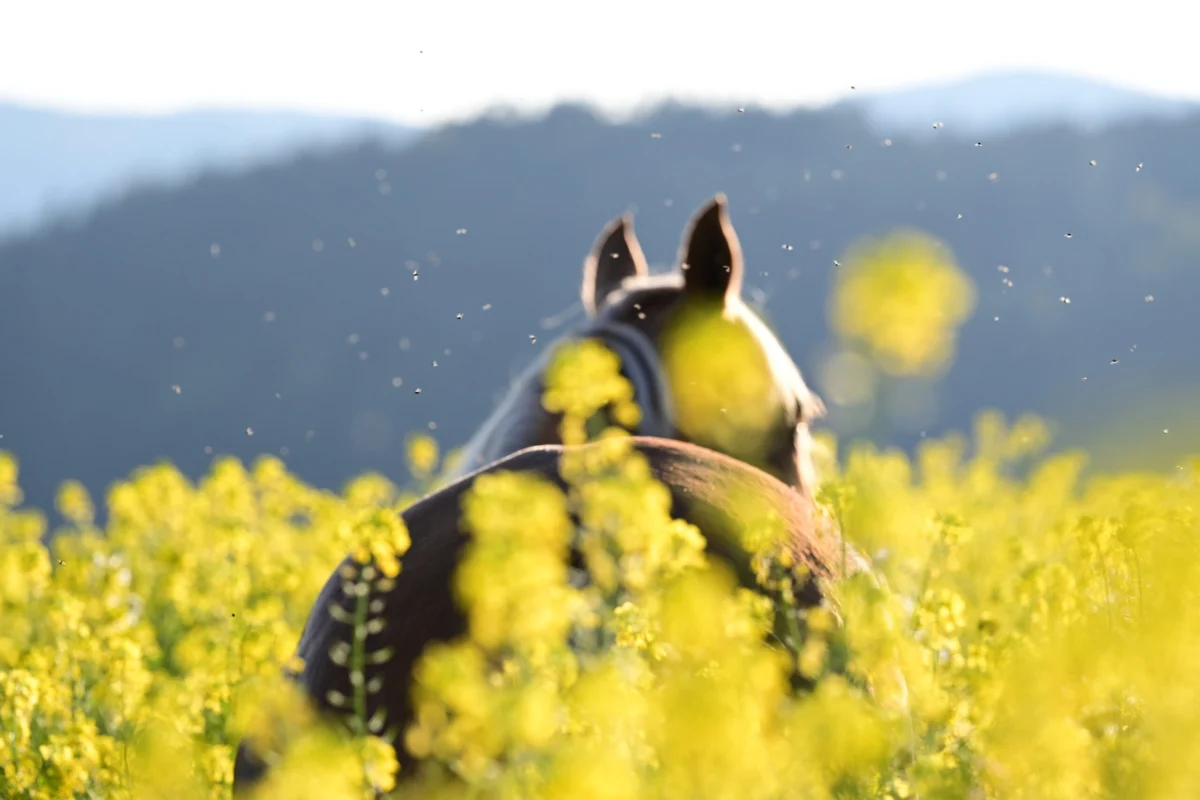
- Transmission Vector: The virus is primarily transmitted through the bites of infected insect vectors, most notably black flies, sand flies, and biting midges (Culicoides species). Because vector activity is heavily influenced by weather patterns and seasonal shifts, VSV outbreaks are distinctly seasonal, typically peaking during warm-weather months when insect populations flourish.
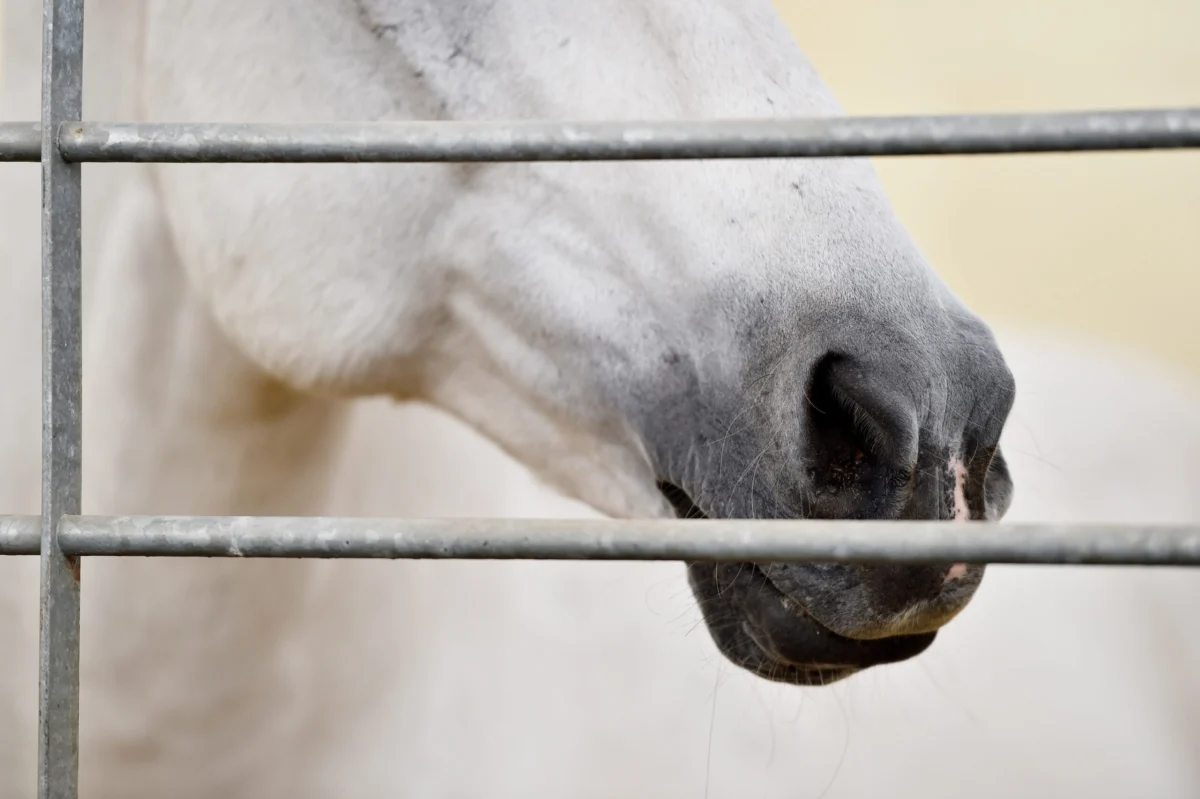
- Clinical Presentation: VSV earns its name from the characteristic vesicular lesions—fluid-filled blisters, erosions, crusts, and ulcerations—that develop on the delicate mucous membranes and skin of the lips, muzzle, nose, tongue, ears, sheath, teats, and the coronary band just above the hoof.
- Regulatory Implications: Due to the clinical similarities between VSV and Foreign Animal Diseases (FADs) such as Foot-and-Mouth Disease, any suspected case triggers mandatory reporting protocols to state and federal authorities to safeguard the broader livestock economy.
Chronology of the Outbreak and Response
While seasonal occurrences of vesicular stomatitis are monitored closely year-round by agricultural agencies, the trajectory of an individual outbreak follows a strict sequence of discovery, veterinary intervention, laboratory confirmation, and regulatory containment.
1. Initial Observation and Reporting
The timeline of the Montezuma County incident began when property managers or owners observed clinical abnormalities on the horses residing at the facility. Recognizing signs of discomfort—such as excessive salivation, reluctance to eat, or visible blisters around the muzzle and hooves—the caretaker promptly contacted a licensed attending veterinarian.
2. Veterinary Assessment and Differential Diagnosis
Upon arrival, the attending veterinarian conducted a thorough physical examination of the affected equines. Recognizing the presence of vesicular lesions, the veterinarian understood the critical need to rule out high-consequence livestock plagues. Per state and federal regulations, the practitioner immediately notified the Colorado State Veterinarian’s office regarding the suspected case of Vesicular Stomatitis.
3. Regulatory Intervention and Sample Collection
State animal health officials swiftly coordinated with the local veterinary team to secure the premises and initiate diagnostic procedures. Regulatory veterinarians collected specialized diagnostic specimens, including vesicular fluid, swab samples from active lesions, and acute serum blood samples, ensuring proper chain-of-custody protocols were maintained for transport to an approved national reference laboratory.
4. Presumptive Diagnosis and Quarantine Enforcement
Preliminary testing yielded presumptive positive results for Vesicular Stomatitis Virus. In direct response to these findings, the Colorado State Veterinarian’s office enacted an immediate legal quarantine of the Montezuma County premises. Movement of all susceptible livestock—in or out of the facility—was restricted to prevent potential dissemination of the pathogen to neighboring farms, regional boarding facilities, or livestock auction markets.
Supporting Data and Pathology of Vesicular Stomatitis
Understanding the nature of Vesicular Stomatitis Virus requires an examination of its virology, transmission vectors, clinical manifestations, and the diagnostic framework used to confirm infections.
Virological Profile and Vector Dynamics
Vesicular Stomatitis Virus is a member of the Rhabdoviridae family, genus Vesiculovirus. In the Western Hemisphere, the two primary serotypes that circulate are New Jersey and Indiana. Epizootic cycles of VSV typically originate in endemic regions of Central and South America, gradually working their way northward through Mexico and into the southwestern and western United States during warm months.
The primary vectors for viral transmission are blood-sucking insects. Culicoides midges, black flies (Simuliidae), and sand flies (Psychodidae) acquire the virus when feeding on viremic animals or through mechanical transmission via contaminated mouthparts. Consequently, outbreaks often follow river valleys, irrigated pastures, and areas with high moisture levels that provide ideal breeding grounds for these insect vectors. Direct contact between animals—through shared water troughs, feed buckets, or nose-to-nose contact—can also facilitate secondary transmission within a herd, as fluid from ruptured vesicles contains high concentrations of infectious virus.
Detailed Clinical Signs
The clinical course of VSV typically begins an incubation period ranging from two to eight days following exposure to the virus or an infected insect bite. Livestock owners and handlers should monitor animals for the following key indicators:
- Excessive Salivation (Ptyalism): Often the first noticeable sign in horses and cattle, driven by painful oral lesions that make swallowing difficult or uncomfortable.
- Vesicles and Blisters: The formation of fluid-filled sacs on the tongue, inner lips, gums, and hard palate. These blisters rupture rapidly, leaving behind raw, painful erosions and ulcerations.
- Cutaneous Lesions: Blisters and subsequent crusting scabs appearing on the muzzle, nostrils, ears, and the coronary band or interdigital spaces of the hooves.
- Lameness: Lesions around the coronary band cause significant pain and inflammation, frequently resulting in acute lameness that can cause animals to shift weight constantly or lie down persistently.
- Decreased Feed Intake: Due to severe oral pain, affected animals often exhibit a sudden reluctance or inability to eat grain and hay, leading to rapid weight loss and dehydration if supportive care is not provided.
- Drop in Milk Production: In dairy cattle, udder and teat lesions cause intense pain during milking, leading to sharp declines in milk yield and potential secondary mastitis.
Diagnostic Protocols
Because the physical lesions of VSV are clinically indistinguishable from those caused by Foot-and-Mouth Disease (FMD), Swine Vesicular Disease, and Vesicular Exanthema of Swine, laboratory confirmation is mandatory.
Diagnostic verification relies on two primary methodologies performed at approved national or state veterinary diagnostic laboratories:
- Complement Fixation (CF) and Enzyme-Linked Immunosorbent Assay (ELISA): Serological tests used to detect antibodies against the virus in blood serum samples, indicating recent or past exposure.
- Reverse Transcription-Polymerase Chain Reaction (RT-PCR) and Virus Isolation: Performed on vesicular fluid or swab samples taken directly from active, unruptured, or recently ruptured lesions to confirm the presence of viral RNA or live virus particles.
Official Responses and Management Strategies
State and federal agricultural agencies, alongside independent veterinary organizations, maintain robust frameworks for managing and mitigating VSV incursions.
The Role of the EDCC and Industry Communication
The Equine Disease Communication Center (EDCC) serves as a vital nexus for the dissemination of verified equine disease data across North America. Operating as an independent nonprofit organization supported entirely by industry donations, the EDCC works to ensure open access to critical health information for horse owners, trainers, event organizers, and veterinarians.
Through its EDCC Health Watch marketing and reporting program—utilized by Equus Magazine and other equestrian media outlets—the organization bridges the gap between regulatory bodies and the equine community. By providing timely alerts regarding premises quarantines, the EDCC empowers horse owners to make informed management decisions, adjust travel schedules, and elevate biosecurity measures on their own properties.
Regulatory Quarantine Procedures and State Protocols
When a premises is placed under quarantine for Vesicular Stomatitis, the State Veterinarian assumes direct oversight of animal movements on and off the property in collaboration with the owner’s private veterinarian.
- Duration of Quarantine: Quarantines remain strictly enforced until every susceptible animal on the property has fully healed, meaning all oral and cutaneous lesions have completely resolved, scabs have fallen off, and no active clinical signs remain.
- Release Inspection: A regulatory or accredited veterinarian must conduct a final physical inspection of all previously affected and exposed livestock to verify complete recovery before the quarantine is officially lifted.
- Interstate and Intrastate Restrictions: During the quarantine period, affected facilities cannot host shows, sales, or gatherings, and animals cannot leave the premises, preventing the potential spread of the virus to uninfected regions.
Treatment and Supportive Care
To date, there is no specific antiviral treatment or cure for Vesicular Stomatitis Virus. Management of infected livestock is entirely supportive, focusing on pain mitigation, nutritional maintenance, and the prevention of secondary bacterial infections.
- Pain Relief and Anti-Inflammatories: Veterinarians frequently prescribe non-steroidal anti-inflammatory drugs (NSAIDs) such as phenylbutazone or flunixin meglumine to reduce fever, alleviate oral and hoof pain, and encourage animals to resume eating and drinking.
- Softened Diets: Providing soaked hay, mashes, or wet feeds helps minimize trauma to painful oral ulcerations and ensures adequate caloric intake.
- Wound Care: Topical antiseptic or soothing treatments may be applied to muzzle and coronary band lesions under veterinary guidance to promote healing and deter secondary infections.
- Hydration Management: Ensuring easy access to clean water is essential, particularly for animals experiencing excessive salivation and reluctance to drink due to oral pain. Electrolyte supplements may be introduced to maintain proper systemic balance.
Implications for the Equine Industry and Biosecurity Best Practices
The detection of Vesicular Stomatitis Virus in Montezuma County carries broad implications for horse owners, event organizers, and the wider agricultural economy in Colorado and neighboring Western states.
Economic and Operational Impact
While mortality rates associated with VSV are exceptionally low—and most affected animals recover fully within two to three weeks—the economic impact of an outbreak can be severe. Quarantines disrupt breeding schedules, training programs, and competition calendars. Furthermore, out-of-state travel for equestrian events becomes heavily restricted, as many neighboring states and Canadian provinces impose strict entry requirements, health certificates, and testing mandates on horses originating from states with active VSV cases.
Essential Biosecurity Measures for Horse Owners
Because insect vectors play the primary role in spreading the virus, effective biosecurity must focus on vector control, environmental hygiene, and herd management:
- Vector Mitigation: Implement robust fly control programs. Utilize EPA-approved insect repellents specifically formulated for equines, install physical barriers such as screens on stables where feasible, and reduce breeding sites for midges and black flies by eliminating standing water, managing manure piles, and clearing muddy turnout areas.
- Housing Modifications: Stabling horses during peak insect feeding times—typically dusk and dawn—can significantly reduce vector exposure.
- Equipment Sanitation: Never share feed buckets, water troughs, grooming tools, bits, or tack between different horses without thorough cleaning and disinfection. The virus can survive on hard surfaces and be transmitted mechanically.
- New Arrival Protocols: Isolate all incoming horses from new or unknown origins for a minimum of 21 days before introducing them to the resident herd. Conduct daily health checks, monitoring particularly for fever, excessive salivation, or lesions on the muzzle and hooves.
- Immediate Veterinary Consultation: Any suspicious clinical signs—especially blistering around the mouth, nose, or hooves—must be reported immediately to a veterinarian. Early detection is the most effective tool in preventing a localized presumptive case from evolving into a widespread regional outbreak.
As state and federal authorities continue to monitor the quarantined premises in Montezuma County, the cooperation of equine owners and livestock producers remains the first line of defense in protecting regional animal health and maintaining the integrity of the livestock industry.