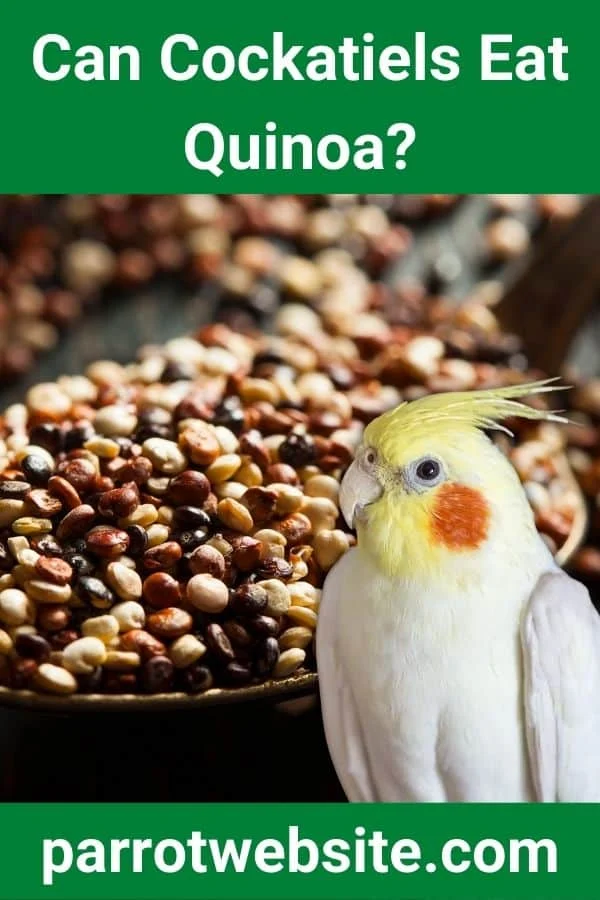
When a family decides to welcome a bird into their home, the transition from "pet owner" to "avian guardian" often involves a steep learning curve. While many new owners focus on cages, perches, and toys, the most critical element of long-term avian health is nutrition. Recently, many cockatiel owners have begun looking beyond standard commercial seed mixes, gravitating toward "superfoods" common in human diets—most notably, quinoa. But is this ancient grain truly a safe and beneficial addition to a cockatiel’s bowl? The answer is a resounding yes, provided it is prepared with avian physiology in mind.
The Evolution of Avian Nutrition: Why Diet Matters
For decades, the standard diet for captive cockatiels consisted almost exclusively of dried seed mixes. However, avian veterinarians have long argued that an all-seed diet is a recipe for nutritional deficiency, obesity, and shortened lifespans. In the wild, cockatiels—native to the arid regions of Australia—are opportunistic foragers. They consume a diverse array of grasses, seeds, fruits, and flowering vegetation.
Replicating this diversity in a domestic setting is the key to longevity. When a young owner asks, "Can my bird eat what I eat?" it opens a door to a more holistic approach to pet care. Quinoa, a protein-packed pseudocereal, has emerged as a gold-standard supplement for these birds, offering a nutrient density that standard millet or sunflower seeds simply cannot match.
Chronology of a Dietary Inquiry
The recent surge in interest regarding quinoa stems from a broader trend in pet ownership: the "human-grade" movement. As families become more health-conscious, they naturally extend those dietary standards to their pets.
- Phase 1: The Initial Curiosity: It often begins at the dinner table. Owners notice their birds showing interest in their own meals. This "social feeding" is a natural behavior for cockatiels, who are flock animals.
- Phase 2: The Research Gap: When owners search for confirmation, they find conflicting anecdotes on internet forums. The lack of standardized information often leads to uncertainty.
- Phase 3: Clinical Validation: Through recent analysis by avian nutritionists, it has been confirmed that quinoa serves as a functional food. Unlike "filler" grains, quinoa provides essential amino acids that are often lacking in commercial bird seeds.
Supporting Data: The Nutritional Powerhouse
To understand why quinoa is a "superfood" for cockatiels, one must look at the macro and micronutrient profiles. A typical cockatiel requires a diet composed of roughly 60% to 70% grains and seeds. However, the quality of those grains is paramount.
The Protein Factor
Protein is the building block of life for birds. It is essential for the maintenance of healthy plumage (feathers are primarily composed of keratin, a protein) and the regulation of metabolic processes. Quinoa is unique among plant-based foods because it is a "complete" protein, meaning it contains all nine essential amino acids.
Essential Minerals and Vitamins
Beyond protein, quinoa offers a wealth of:
- Calcium: Critical for bone density and, in female birds, the prevention of egg-binding.
- Potassium: Necessary for proper nerve and muscle function.
- Iron: Vital for oxygen transport in the blood.
- Vitamin E: An antioxidant that supports immune health and reproductive success.
When a cockatiel consumes 9 to 10.5 grams of grains per day (the standard recommended portion for a total 15-gram daily intake), substituting even a small portion of generic seeds for nutrient-dense quinoa can result in a measurable improvement in the bird’s energy levels and feather luster over a period of just a few weeks.
Preparation: The "Do No Harm" Protocol
While quinoa is healthy, it is not "grab-and-go" food. The way you prepare it is as important as the ingredient itself.
1. The Soaking Process
Before cooking, quinoa should be thoroughly rinsed and soaked. Quinoa naturally contains saponins, which can have a bitter taste and may cause digestive irritation in small birds. A 30-minute soak in clean water, followed by a thorough rinse, is the gold standard for preparation.
2. Cooking Methods
Never serve raw, dry, or "seasoned" quinoa. While birds can physically digest raw grain, cooked grain is significantly more palatable and easier on the crop. The cooking process should be plain:
- No Salt: Salt is toxic to birds and can cause kidney failure.
- No Fats/Oils: Avoid butter or vegetable oils.
- No Seasonings: Onion and garlic powders are toxic to avian species.
3. Sprouted Quinoa: A Nutrient Boost
For advanced keepers, sprouting quinoa is the ultimate nutritional upgrade. Sprouted grains have increased enzyme activity and higher vitamin concentrations. To sprout, keep the quinoa damp but not soaking, and ensure it is rinsed twice daily until small tails appear.
Dietary Balance: The 15-Gram Rule
A common mistake among new bird owners is "free-feeding" or providing an endless supply of high-calorie foods. A healthy adult cockatiel typically consumes about 15 grams of food per day. If you are introducing quinoa, you must treat it as part of that 15-gram allowance, not an addition to it.
A Sample Daily Nutritional Breakdown:
- 60-70% Grains/Seeds (approx. 10g): A blend of quinoa, millet, and high-quality pellets.
- 20% Vegetables (approx. 3g): Broccoli, carrots, sweet potato, or leafy greens like chard.
- 10% Fruit/Treats (approx. 2g): Small portions of berries or melon.
Official Responses and Veterinarian Perspectives
Veterinary consensus is clear: Variety is the antidote to disease. Dr. Sarah Jenkins, an avian specialist, notes, "Many owners treat the bird’s diet as an afterthought. Introducing complex grains like quinoa allows for a more varied palate. However, it must be paired with a consistent base of high-quality, vet-approved pellets to ensure the bird is receiving a complete spectrum of synthetic vitamins that seeds and grains alone may lack."
The consensus from the Association of Avian Veterinarians (AAV) underscores the dangers of "nutritional boredom." A bird that eats the same thing every day is more susceptible to obesity and fatty liver disease. Rotating grains—quinoa one week, brown rice the next, and quinoa the week after—keeps the bird engaged and nutritionally balanced.
Implications: The Dangers of "Human Foods"
While the inclusion of healthy grains like quinoa is encouraged, the line between "beneficial" and "deadly" must be clearly defined. The following items should be strictly prohibited from your cockatiel’s reach:
- Avocados: Contain persin, which causes cardiac arrest in birds.
- Fruit Pits: Apple seeds and pits from stone fruits (peaches, cherries) contain cyanide compounds.
- Shellfish and Dairy: Birds lack the enzymes to digest these, leading to severe gastrointestinal distress.
- Nightshades: Eggplant and raw tomatoes can be problematic due to solanine content.
- Salt and Sugar: Even trace amounts found in processed human foods can disrupt a bird’s delicate electrolyte balance.
Conclusion: Crafting the Ideal Avian Lifestyle
The journey of raising a cockatiel is one of shared discovery. By moving away from the convenience of a "bag of seeds" and toward a prepared, nutrient-dense diet, owners can significantly extend the life and vitality of their pets.
Quinoa is more than just a trend; it is a versatile, high-protein, and safe grain that bridges the gap between human dietary habits and avian physiological needs. Whether served warm, cooked, or sprouted, it represents a commitment to your bird’s long-term health.
As you continue to refine your cockatiel’s diet, remember that consistency and variety are your best allies. Monitor your bird’s weight, keep a watchful eye on their behavior, and always consult with a qualified avian veterinarian before making significant changes to their regimen. With the right nutrition, your cockatiel will not just survive; they will thrive, offering years of intelligent, vibrant companionship.