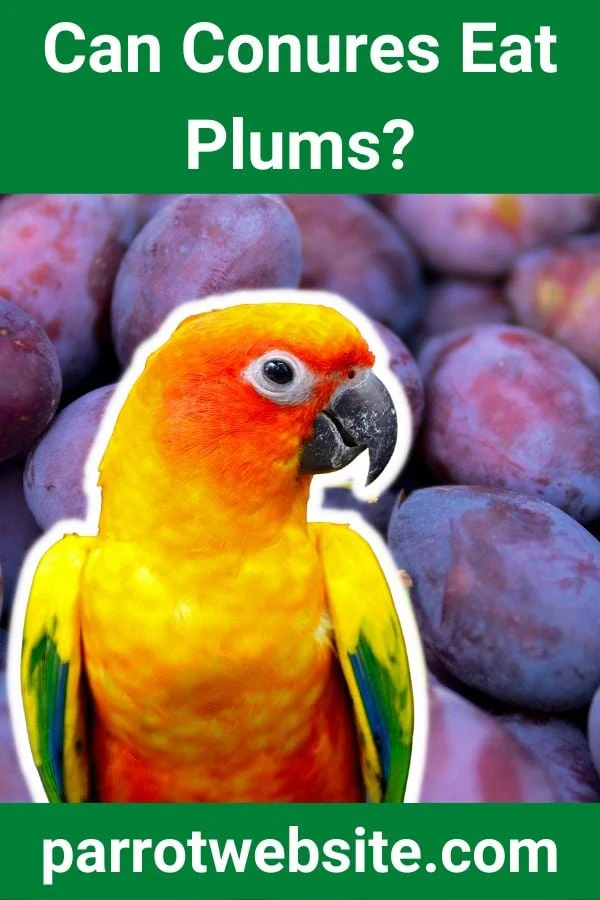
While apples, bananas, and oranges often dominate the conversation regarding avian nutrition, the humble plum remains an underappreciated powerhouse of vitamins and minerals. For parrot enthusiasts and conure owners, the question of dietary variety is paramount to the long-term health of their pets. As exotic birds, conures require a complex, balanced intake of nutrients that mimics their wild foraging habits. Plums offer a sweet, vibrant, and nutrient-dense addition to this routine, provided they are served with caution and strict adherence to safety protocols.
Main Facts: The Nutritional Profile of Plums for Avian Health
Plums are, by and large, a safe and highly beneficial fruit for conures. When integrated correctly into a balanced diet, they serve as an excellent source of dietary fiber and essential micronutrients.
The primary health benefit of the plum lies in its rich profile of antioxidants, specifically Vitamin C and Vitamin A. Vitamin A is crucial for maintaining optimal vision, supporting healthy skin and feather growth, and bolstering the immune system against common avian pathogens. Meanwhile, Vitamin C acts as a protective agent, neutralizing free radicals that cause oxidative stress at the cellular level.
Furthermore, plums provide a significant boost of minerals:
- Potassium: Vital for cellular fluid regulation and nerve function.
- Copper: Works in tandem with iron to assist in red blood cell production and the maintenance of healthy bone density and vascular integrity.
- Manganese: Essential for enzyme function and skeletal development.
However, the "main fact" to underscore is that plums are a supplement, not a staple. Because they are nutrient-dense and high in natural sugars, they should never replace the primary pelleted diet or the daily portion of leafy greens and vegetables.
Chronology of Dietary Integration: How to Safely Introduce Plums
Introducing new foods to a conure should follow a structured, cautious timeline to ensure the bird does not experience digestive upset or behavioral pickiness.
- Preparation (The Initial Phase): Before offering any fruit, wash the plum thoroughly. Pesticides and wax coatings are common on store-bought produce and can be toxic to a bird’s sensitive respiratory and digestive systems. Organic, pesticide-free plums are the gold standard.
- The Pit Removal: Before any contact with the bird, the stone (pit) must be completely removed and discarded. This is non-negotiable.
- Slicing and Presentation: Cut the plum into small, bite-sized slices. A full, uncut plum can be overwhelming and may result in excessive waste.
- The Trial: Offer a single, small slice. Observe the bird for 24 hours. Monitor their droppings for signs of loose stool or unusual coloration.
- Establishing a Schedule: Once deemed safe for the individual bird, incorporate the plum into the weekly rotation. A frequency of once or twice per week is the ideal threshold to prevent nutritional imbalance.
Supporting Data: The Science of Avian Digestion and Moderation
The physiological makeup of a conure is not designed to process high volumes of acidic or sugar-heavy fruits. While the fruit provides vitamins, it also contains fructose. In the wild, conures burn off significant calories through constant flight and foraging; however, in a domestic setting, excessive fruit consumption can lead to obesity and "fatty liver disease," a common ailment in captive parrots.
Data from avian nutritionists suggest that fruit should constitute no more than 10–15% of a conure’s total daily caloric intake. Because plums are soft and high in water content, they can cause osmotic diarrhea if consumed in excess. If a conure consumes too much fiber and sugar, the fruit may sit undigested in the gut, leading to cramps, bloating, and discomfort.
Furthermore, the "boredom factor" is a significant consideration. If a bird is offered their favorite fruit every single day, they may develop "selective feeding habits." This leads to the bird refusing their essential, nutrient-complete pellets in favor of the "treat" food, resulting in long-term malnutrition. By rotating plums with other fruits like papaya, blueberries, or melon, owners maintain the bird’s interest while ensuring a broader spectrum of micronutrient intake.
Official Perspectives: Safety Cautions and Toxic Risks
Veterinary professionals and avian organizations consistently warn against two specific aspects of plum consumption: the pits and the cooking process.
The Danger of the Pit
The stone of a plum, along with the seeds of many related stone fruits, contains cyanogenic glycosides. While a single ingestion might not result in immediate death, the risk is real and unnecessary. The stone is also a significant choking hazard, particularly for smaller conures. If a bird manages to crack the shell of the pit, they may be exposed to amygdalin, which the body converts into cyanide. Always ensure the stone is removed entirely before the fruit reaches the cage.
Cooked vs. Raw
There is no medical benefit to cooking a plum for a conure. In fact, heat often degrades the delicate vitamins (like Vitamin C) that make the fruit healthy in the first place. Furthermore, if a plum is cooked as part of a human recipe, it likely contains added sugars, oils, salts, or spices like onion and garlic—all of which are potentially toxic or detrimental to avian health. Stick strictly to fresh, raw, organic fruit to avoid these hidden risks.
The Versatility of Plums: Variety Matters
Conures are generally indifferent to the specific cultivar of the plum, provided the texture is ripe and the taste is consistent.
- Damson Plums: Known for their elongated, egg-like shape, these are highly favored for their firm flesh and are completely safe for consumption.
- Elephant Heart Plums: These are larger and more distinct in flavor. While rare, they are excellent for variety if sourced from an organic market.
- Moyer Plums: Similar to Damsons, these are perfectly acceptable and provide the same health benefits.
Regardless of the variety, the skin of the plum is safe to consume. While many birds prefer the soft, juicy flesh and may leave the skin behind, the skin contains high concentrations of phytonutrients and antioxidants. There is no need to peel the fruit, provided it has been scrubbed clean of chemical residues.
Implications for Conure Owners: A Holistic View
Integrating plums into a conure’s diet is more than just an exercise in feeding; it is a way to provide mental and physical enrichment. Foraging for different textures—the crunch of the skin followed by the soft, sweet flesh—simulates the natural challenges a bird would face in the wild.
However, the primary implication for the owner is one of responsibility. The health of a parrot is entirely dependent on the choices made by the guardian. If you choose to offer plums, you are choosing to monitor the source, the frequency, and the preparation method.
By keeping plums as a "special treat" rather than a daily staple, you turn a simple snack into a rewarding experience. This moderation prevents the development of dietary dependency and ensures that your conure remains interested in a wider array of healthy, life-sustaining foods.
Final Summary Checklist for Owners:
- Frequency: Once or twice a week only.
- Preparation: Wash thoroughly; remove all pits; slice into manageable portions.
- Serving: Serve raw. Never serve cooked plums from human meals containing additives.
- Monitoring: Watch for digestive changes after the first introduction.
- Variety: Rotate with other fruits to maintain a balanced nutrient profile.
In conclusion, plums are a fantastic, flavor-packed addition to a conure’s diet. When handled with the care and attention that a high-maintenance pet like a conure deserves, they provide a safe, nutritious, and thoroughly enjoyable treat that can enhance both the bird’s physical health and its daily quality of life.