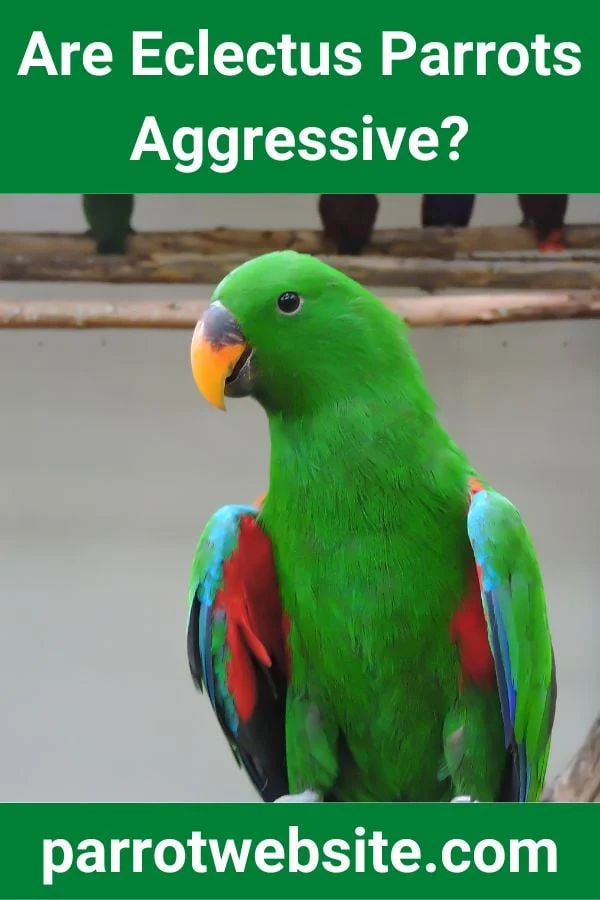
For many prospective pet owners, the allure of a parrot lies in its intelligence, vibrant plumage, and the potential for a profound, cross-species bond. However, for those new to avian care, the prospect of aggression is a significant concern. Among the most popular species, the Eclectus parrot—renowned for its striking sexual dimorphism and vivid, jewel-toned feathers—frequently sits at the top of the consideration list. But are they aggressive? The answer is nuanced, rooted in a combination of biological needs, social structure, and the critical role of human stewardship.
Main Facts: The Personality of the Eclectus
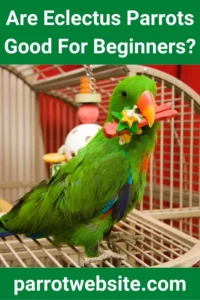
Eclectus parrots are generally regarded by avian behaviorists as one of the most docile and affectionate species within the Psittacidae family. Unlike some larger, more territorial cockatoos or macaws, the Eclectus is typically a "cool cucumber." They are intelligent, curious, and deeply social, often forming intense attachments to their human caregivers.
However, "docile" does not mean "low maintenance." An Eclectus parrot’s behavior is a direct reflection of its environment. If an Eclectus becomes aggressive, it is rarely due to a mean-spirited temperament; rather, it is almost always a distress signal. Whether they are biting, lunging, or acting out, these birds are communicating that their fundamental physical, psychological, or social needs remain unmet.
A Chronological Perspective: From Fledgling to Companion
Understanding the trajectory of an Eclectus’s development is essential for any owner. The foundation of a well-adjusted adult bird is laid long before it enters your home.
The Early Stages: The Importance of Provenance
The journey to a well-behaved parrot begins with the breeder. Reputable breeders understand that the first few months of a parrot’s life are critical for socialization. Birds that are hand-reared or "parent-raised" with human interaction in a controlled, loving environment develop a sense of security. When purchasing an Eclectus, one should look for breeders who prioritize early socialization, as a bird that has been isolated or poorly handled during its formative weeks is significantly more likely to exhibit defensive or aggressive traits later in life.
The Adolescent Phase
Like many intelligent animals, parrots go through a "hormonal" or adolescent stage. During this time, they may test boundaries, become more vocal, or exhibit increased territoriality. Owners who are prepared for this developmental milestone can navigate it with patience, whereas those who react with fear or physical punishment often inadvertently teach the bird that humans are to be mistrusted, thereby escalating the aggression.
The Adult Bond
When raised with consistent, positive reinforcement, an adult Eclectus is often described as a "gentle giant." They are typically happy to participate in the household routine, observing their owners from a perch or engaging in play. They are not known for being overly "nippy" compared to other species, provided they feel safe within their territory.
Supporting Data: Factors Influencing Aggression
While temperament is individual, there are distinct factors that influence whether an Eclectus will be a friendly companion or an aggressive one.
1. Social Dynamics and Isolation
Eclectus parrots are flock animals. In the wild, they operate in pairs or small groups. When kept in captivity as a solitary bird, the human owner must essentially become the "flock." If an owner works long hours and leaves the parrot alone for the majority of the day, the bird will inevitably suffer from boredom and emotional starvation. This manifests as destructive behavior, screaming, and, eventually, defensive biting.
2. The Male-Female Behavioral Split
There is a distinct biological difference between the sexes that owners must understand. Female Eclectus parrots are, by nature, more protective and territorial than their male counterparts. This is an evolutionary trait; in the wild, the female is the primary guardian of the nesting hollow. Consequently, female Eclectus birds can be more "feisty" and assertive. Males, by contrast, tend to be more laid-back and easygoing. While both can be perfectly docile pets, a female may require more experienced handling and clear boundary-setting.
3. Nutritional and Circadian Needs
A parrot’s diet and sleep schedule are the unsung heroes of behavioral health. An Eclectus that is bored with a monochromatic diet of seeds will often become irritable. Similarly, these birds require a strict, undisturbed sleep cycle of 10–12 hours. A bird that is frequently woken up or kept in a high-traffic, brightly lit area at night will be sleep-deprived, leading to a "cranky" disposition and a higher likelihood of biting.
Official Perspectives: The Role of Human Responsibility
Avian veterinarians and behaviorists emphasize a consistent message: the "difficult" parrot is usually a byproduct of an uninformed owner.
"The parrot is not a domestic animal in the same way a dog or cat is," notes one expert. "They are essentially wild animals living in our living rooms. When we fail to provide the stimulation they would naturally receive in the wild, or when we misinterpret their body language, we create the very aggression we seek to avoid."
The consensus among experts is that punishment is entirely ineffective. Because parrots do not possess the same psychological mechanisms for understanding "discipline" that canines do, physical reprimands or isolating the bird as a punishment will only result in the bird fearing the human. This fear, in turn, is the primary precursor to biting. Instead, experts advocate for "Positive Reinforcement Training" (PRT), where desired behaviors are rewarded with treats, praise, or attention, and unwanted behaviors are met with a neutral withdrawal of attention.
Implications: Are They Right for You?
Before committing to an Eclectus parrot, potential owners must undergo a rigorous self-assessment.
The "Beginner" Myth
Can a beginner own an Eclectus? Yes, provided the "beginner" is an expert researcher. If you are someone who enjoys the process of learning about animal psychology, who has the time to dedicate several hours a day to socialization, and who is willing to invest in a varied, high-quality diet, then an Eclectus can be an incredibly rewarding first parrot.
However, if you are looking for a "low-maintenance" pet that can be left alone while you are at work or on weekend trips, the Eclectus is not the right choice.
The Strategy for Success
To ensure a harmonious household, prospective owners should follow these steps:
- Invest in Education: Read books by avian behaviorists, join breed-specific clubs, and talk to experienced owners.
- Prepare the Environment: Ensure the cage is spacious and filled with rotating enrichment toys that challenge the bird’s intelligence.
- Establish a Routine: Consistent feeding, play, and sleep times provide the bird with a sense of security.
- Learn the Language: Study avian body language. Often, a bite is preceded by subtle warnings—a pinned eye, a specific stance, or a low growl. Learning to read these signs allows you to back off before a bite occurs.
Conclusion: A Partnership, Not a Possession
The question "Are Eclectus parrots aggressive?" is essentially a misplaced inquiry. The bird’s behavior is not a fixed quality like its color; it is a fluid response to its environment. When an Eclectus is provided with adequate mental stimulation, a nutrient-dense diet, consistent sleep, and the companionship of a flock (whether human or avian), they are among the most gentle and charming companions in the bird kingdom.
Owning an Eclectus is a long-term commitment that demands empathy, patience, and a willingness to adapt to the bird’s needs. If you are willing to look at the relationship as a partnership rather than an ownership, you will find that the Eclectus is not just a pet, but a lifelong friend that brings color, intelligence, and deep affection into your home. The key to avoiding aggression lies entirely in your hands: respect their needs, understand their instincts, and provide the love they require, and you will rarely, if ever, encounter the "aggressive" side of these beautiful birds.