For decades, the standard advice provided to new parrot owners—often found in outdated pet store pamphlets and early aviculture manuals—was the necessity of grit. The prevailing wisdom suggested that because birds lack teeth, they must consume small, abrasive particles to assist their gizzards in pulverizing tough seeds and pellets. However, modern avian veterinary science has thoroughly debunked this recommendation for conures and most other psittacine species.
In fact, providing grit to a conure is not only unnecessary but potentially hazardous. Understanding the physiological differences between various avian species is critical to providing proper care. This article examines the historical origins of the "grit myth," the specialized anatomy of the conure, and the appropriate tools for maintaining optimal beak and digestive health.
Main Facts: Debunking the Necessity of Grit
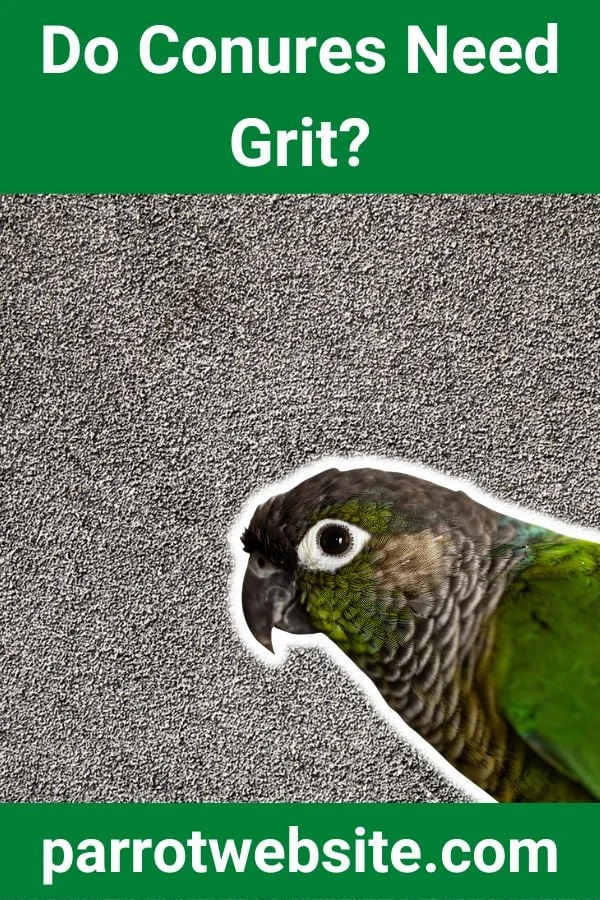
The most important takeaway for any conure owner is simple: Conures do not need grit. Unlike some other avian species, such as pigeons or doves, which rely on "gastroliths" (stomach stones) to break down the fibrous hulls of whole seeds, conures possess a digestive system perfectly evolved to handle their diet without external abrasives.
The Digestive Anatomy of a Conure
To understand why grit is unnecessary, one must look at the anatomy of the bird. A conure’s digestive tract is remarkably efficient.
- The Crop: Located at the base of the esophagus, the crop acts as a storage pouch. It allows the bird to consume food quickly in the wild—a survival mechanism to minimize exposure to predators—before moving to a safer location to digest it.
- The Gizzard (Ventriculus): This is the powerhouse of the digestive system. It is a highly muscular organ with thick, powerful walls. In many bird species, the gizzard’s primary function is mechanical digestion. While some species require grit to help the gizzard grind food, the conure’s gizzard is inherently strong enough to process its natural diet of fruits, nuts, seeds, and blossoms without the need for rocks or sand.
When a conure consumes grit, it can lead to "impaction"—a condition where the grit accumulates in the gizzard or intestines, causing a blockage. This can lead to severe nutritional deficiencies, internal trauma, and, in extreme cases, fatality.
Chronology: The Evolution of Avian Care Standards
The widespread misconception regarding grit can be traced back to the historical observation of other animals.
Early Observations (19th – Early 20th Century)
Early naturalists observed various species, such as chickens and pigeons, consuming small pebbles. These observations led to the assumption that all birds shared this biological requirement. Because parrots were kept in similar conditions to domestic poultry, keepers applied the "grit rule" to parrots by default.
The Era of Misinformation (Mid-20th Century)
As parrots grew in popularity as household pets, the "grit for digestion" advice became entrenched in pet store culture. It was often sold alongside birdseed as a "must-have" item. During this time, there was little distinction made between different avian digestive strategies. Researchers had not yet fully documented the specific dietary requirements of the Psittacidae family.
The Scientific Shift (Late 20th Century – Present)
By the 1980s and 90s, avian veterinary medicine emerged as a distinct and rigorous field. Necropsies performed on parrots that had died from digestive issues revealed that many contained significant amounts of accumulated grit in their gastrointestinal tracts. This evidence shifted the veterinary consensus. Today, leading organizations like the Association of Avian Veterinarians (AAV) explicitly advise against the use of grit for psittacines.
Supporting Data: Why Different Species Have Different Needs
Nature uses grit in varied ways, but it is not a universal requirement for birds. Understanding the biology of "grit-users" helps clarify why conures are the exception.
The Role of Gastroliths
Birds that consume whole, hard-shelled seeds—such as members of the Columbidae family (doves and pigeons)—swallow grit because their gizzards are not designed to break down tough, outer husks. The grit acts as a grinding agent.
Larger flightless birds, such as ostriches, are famous for consuming large stones. These act as a ballast to assist in the digestion of massive amounts of vegetation and fibrous material. However, even among these species, the "grit" is usually chosen based on size and texture; it is not a dietary supplement but a mechanical tool.
The Conure’s Evolutionary Path
Conures, by contrast, possess beaks capable of precise mechanical breakdown. They utilize their beaks to de-husk seeds and crush fruit before the food ever reaches the crop. By the time the food reaches the gizzard, it is already partially processed. Therefore, the addition of grit provides no functional benefit and only introduces a foreign, potentially damaging material into the system.
Official Responses and Veterinary Consensus
Leading avian experts are unanimous: grit is a relic of outdated pet care.
The Veterinary Perspective
Veterinarians emphasize that a balanced diet for a conure—consisting of high-quality formulated pellets, fresh vegetables, and limited fruit—provides all the necessary nutrients. There is no biological demand for the mineral intake that grit supposedly provides. In fact, many grit products are simply crushed oyster shells or sand, which can lead to mineral imbalances if ingested in high quantities.
The "Beak Maintenance" Argument
A secondary, equally flawed argument for grit is that it helps the bird sharpen its beak. This is categorically false. Grit is small, granular, and abrasive in a way that can actually damage the delicate keratin surface of the beak.
For beak maintenance, veterinarians recommend:
- Cuttlebone: The internal shell of a cuttlefish. It is soft enough to be worn down, providing calcium and a natural surface for the bird to grind its beak.
- Mineral Blocks: These provide necessary trace minerals without the abrasive, sand-like texture of grit.
- Wooden Toys: Chewing on safe, bird-appropriate wood is the most natural way for a conure to keep its beak in shape and perform necessary "grooming."
Implications: How to Properly Care for Your Conure
If you are a current owner of a conure, the implications of this knowledge are straightforward: remove any grit containers from the cage immediately.
Understanding Beak Peeling
Owners often worry when they see their conure’s beak "peeling" or flaking. This is a normal, healthy process. The beak is composed of keratin, similar to human fingernails. As it grows, the outer layer sheds. By providing cuttlebone and varied enrichment toys, you allow the bird to perform the necessary self-maintenance to remove this excess keratin. If the beak appears cracked, excessively overgrown, or shows abnormal color changes, consult an avian veterinarian rather than attempting to "file it down" with abrasive materials.
Enrichment vs. Supplementation
It is vital to distinguish between items meant for ingestion and items meant for enrichment.
- Ingestible items: Should only include high-quality food and fresh water.
- Enrichment items: These include cuttlebones, natural wood perches, and safe chewing toys. These items serve the purpose of psychological stimulation and physical maintenance without posing a digestive risk.
Summary of Best Practices
- Discard the Grit: If you are currently providing grit, remove it. It is not helping your bird’s digestion.
- Prioritize Cuttlebone: Keep a clean cuttlebone in the cage at all times. It is the gold standard for beak maintenance and a healthy calcium source.
- Monitor Growth: Observe your conure’s beak. If they are actively using toys and cuttlebone, they will manage their own beak health perfectly.
- Professional Consultations: Always seek the advice of an avian-certified veterinarian for dietary questions. Do not rely on advice found in outdated books or from non-specialist pet store employees.
Conclusion
The transition from "traditional" bird care to modern, science-based avian medicine has been marked by the rejection of several harmful practices, and the removal of grit from the conure’s diet is perhaps the most significant. By understanding that the conure is a specialized, efficient organism that does not require mechanical assistance to digest its food, owners can avoid unnecessary health risks.
Your conure is an intelligent, capable companion. By providing a clean environment, a nutritious diet, and appropriate enrichment materials like cuttlebone, you ensure that your bird remains healthy, active, and thriving for years to come. Leave the grit in the ground—your conure is much better off without it.