When we bring greenery into our homes, we often do so to cultivate a sense of tranquility and connection to nature. Yet, for pet owners, the botanical choices we make can inadvertently introduce silent, dangerous threats into our living spaces. A recent, harrowing experience involving an beloved dog named Maggie and a seemingly innocuous ZZ plant (Zamioculcas zamiifolia) serves as a potent reminder that the line between a decorative aesthetic and a medical emergency is often thinner than we realize.
This account explores the complexities of veterinary toxicology, the vital role of the ASPCA Poison Control Center, and the critical importance of understanding exactly what we bring into our homes alongside our pets.

The Incident: When "Mild Irritation" Becomes Agony
The story begins in late September, when a new addition to the household—a vibrant, hardy ZZ plant—became the subject of an unfortunate "adventure" for Maggie. While the owners were away, the dog consumed a significant quantity of the foliage. The aftermath was immediate and distressing: the home was left in disarray, and more importantly, Maggie spent the following hours in a state of visible, mounting agony.
Initial consultations with an emergency veterinary clinic offered a measure of relief, as the staff suggested the situation was not life-threatening. The plant, known to contain insoluble calcium oxalate crystals, typically causes localized oral and gastrointestinal irritation rather than systemic failure. However, the reality of the situation deviated sharply from the theoretical prognosis.

As Maggie’s pain escalated throughout the evening, it became clear that the "irritation" was far more severe than anticipated. It appeared she had entered a self-perpetuating feedback loop: the burning sensation caused by the oxalate crystals in her mouth and esophagus drove her to consume more of the plant, presumably in a misguided, instinctive attempt to soothe the very fire it was creating. By 8:00 p.m., the dog was in clear distress, necessitating further intervention.
Chronology of a Crisis
The attempt to secure professional help highlights the vulnerability of pet owners during after-hours emergencies. Seeking expert guidance, the owner reached out to the ASPCA Poison Control Center (888-426-4435), a gold-standard resource for animal emergencies.

The experience, however, was marked by technological failure. Despite a 29-minute attempt to connect, the call resulted in an "abandoned" status on the center’s end, while the user’s device indicated a "call failed" error. In the absence of an immediate connection to a toxicologist, the owner was forced to contact a secondary emergency clinic. Following clinical advice, the owner administered a dose of Tramadol—a medication already available in the household—which provided the necessary relief to allow Maggie to sleep.
The aftermath was a testament to the dedication of the ASPCA staff. A week later, the owner received an inquiry from Nicole Martin, Senior Director of Business Development for the ASPCA’s Poison Control Center. This prompted an hour-long, collaborative investigation into the communication failure, joined by board-certified veterinary toxicologist Dr. Catherine Dzienisiewski. This interaction transformed a traumatic personal incident into an educational opportunity for the broader pet-owning community.

Debunking Definitions: The Nuance of "Toxic"
A primary lesson drawn from the follow-up discussions with the ASPCA experts is the necessity of reframing our understanding of the word "toxic." In common parlance, "toxic" is often equated with "deadly." Nursery staff may accurately state that a plant is "not toxic," meaning it will not cause organ failure or death, but this terminology often masks the reality of "biological irritation."
As Dr. Dzienisiewski noted, "everything can be toxic, even water, depending on the dose." In the case of the ZZ plant, while it may not contain the lethal compounds found in a Sago Palm—where a single seed can prove fatal—it is highly capable of causing significant, painful debilitation.

"Irritation," in the context of oxalate crystals, is a gross understatement. The crystalline structures act like microscopic needles, embedding themselves in soft tissues and causing a sensation akin to chemical burns. For an animal, this is not merely a "mild annoyance"; it is an agonizing physical experience that can disrupt normal behavior and lead to secondary health complications.
The ASPCA Poison Control Center: A Data-Driven Guardian
Established in 1978, the ASPCA Poison Control Center has grown into an indispensable institution in the field of veterinary medicine. Handling over 400,000 cases annually, the center functions as a central repository for vast amounts of clinical data. Their database, which houses information on more than 5 million cases, has been instrumental in identifying emerging threats to domestic animals.

Their work has fundamentally changed how we manage pet health, from identifying the dangers of grapes and raisins to understanding the specific toxicity of lilies in feline populations. The center’s proactive approach to research ensures that when new data emerges—such as the dangers posed by the rising popularity of the ZZ plant—they can quickly update their resources and public advisories.
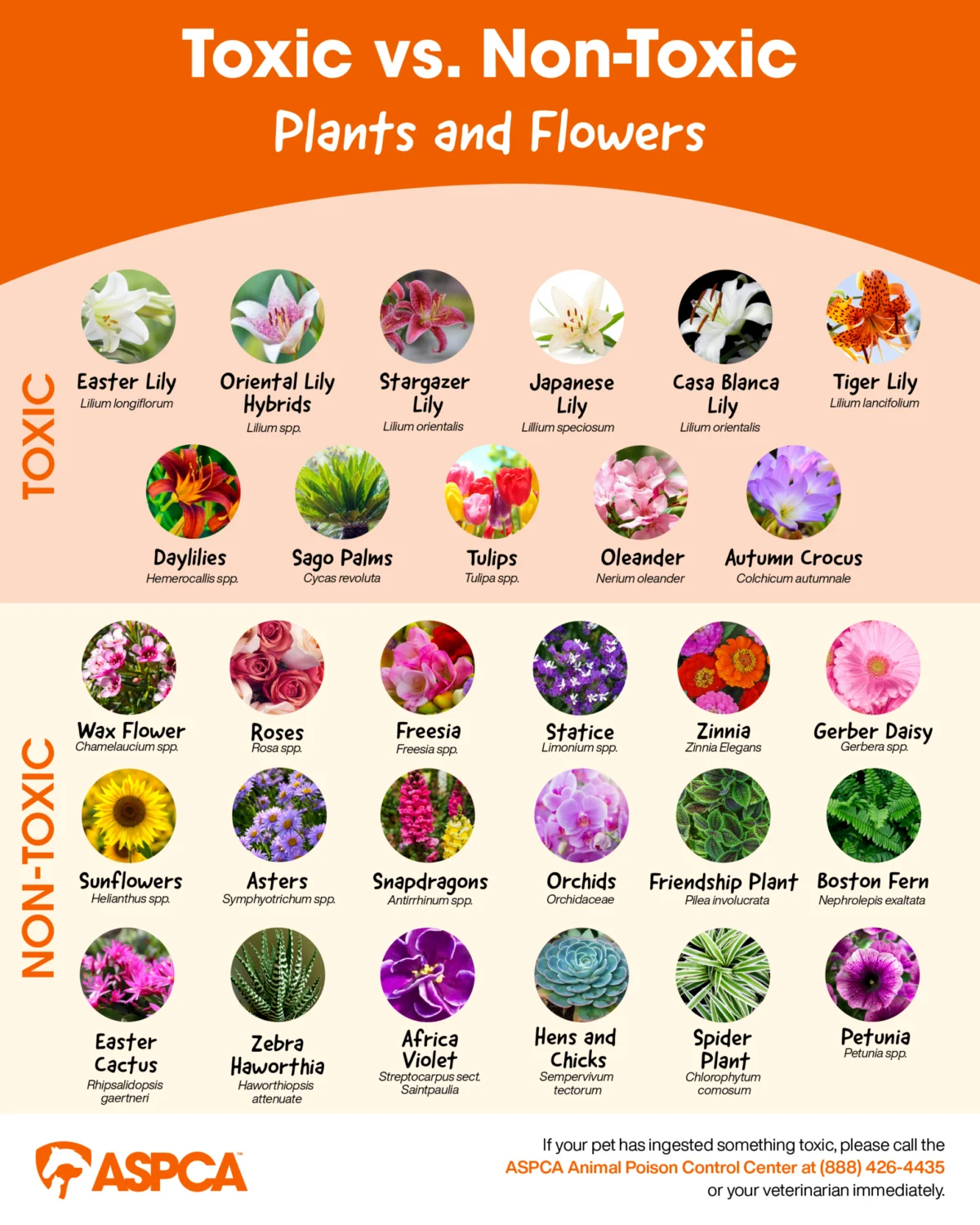
As a direct result of the interaction regarding Maggie, the ASPCA has bolstered its resources on insoluble oxalates, providing pet owners with clearer, more actionable information. Their website now features extensive, searchable lists of toxic and non-toxic plants, serving as a first line of defense for responsible pet ownership.

Long-Term Implications and Recovery
The story of Maggie serves as a reminder that the effects of toxic ingestion can sometimes be delayed or indirect. Weeks after the initial incident, a follow-up assessment revealed that Maggie’s liver enzyme levels (ALP, ALT, and TBL) had reached concerning highs.
The ensuing 10-day period of monitoring was fraught with anxiety, as the family grappled with the possibility of age-related illness. Fortunately, the clinical team observed that the liver values eventually returned to normal, likely confirming that the spike was a lingering reaction to the initial toxicity. This outcome underscores the importance of continued veterinary oversight even after the acute, visible symptoms of poisoning have subsided.

Conclusion: Lessons for the Household
The experience has left the family with several take-home messages for fellow pet owners:
- Vigilance is non-negotiable: Even plants labeled as "non-toxic" or "mildly irritating" can cause severe distress if consumed in large quantities.
- Understand the terminology: Do not rely solely on nursery labels. Cross-reference any new plant against the official ASPCA database.
- Preparation is key: Save the ASPCA Poison Control number (888-426-4435) in your phone. Understand that while technology can fail, persistent communication with professional resources is vital.
- Know your pet’s habits: Some dogs, like Maggie, possess a "Labrador-rising" curiosity that makes them prone to consuming household items. If your pet has a history of dietary indiscretion, the safest policy is a strictly pet-free-zone for all ornamental plants.
Ultimately, the goal is to enjoy the beauty of our homes without compromising the safety of our companions. Through education, professional consultation, and a healthy dose of caution, we can ensure that our homes remain sanctuaries for both the humans and the animals we love. Whether it is navigating the arrival of the first winter snow or managing the unexpected medical crisis, the bond between owner and dog remains a journey of shared resilience.