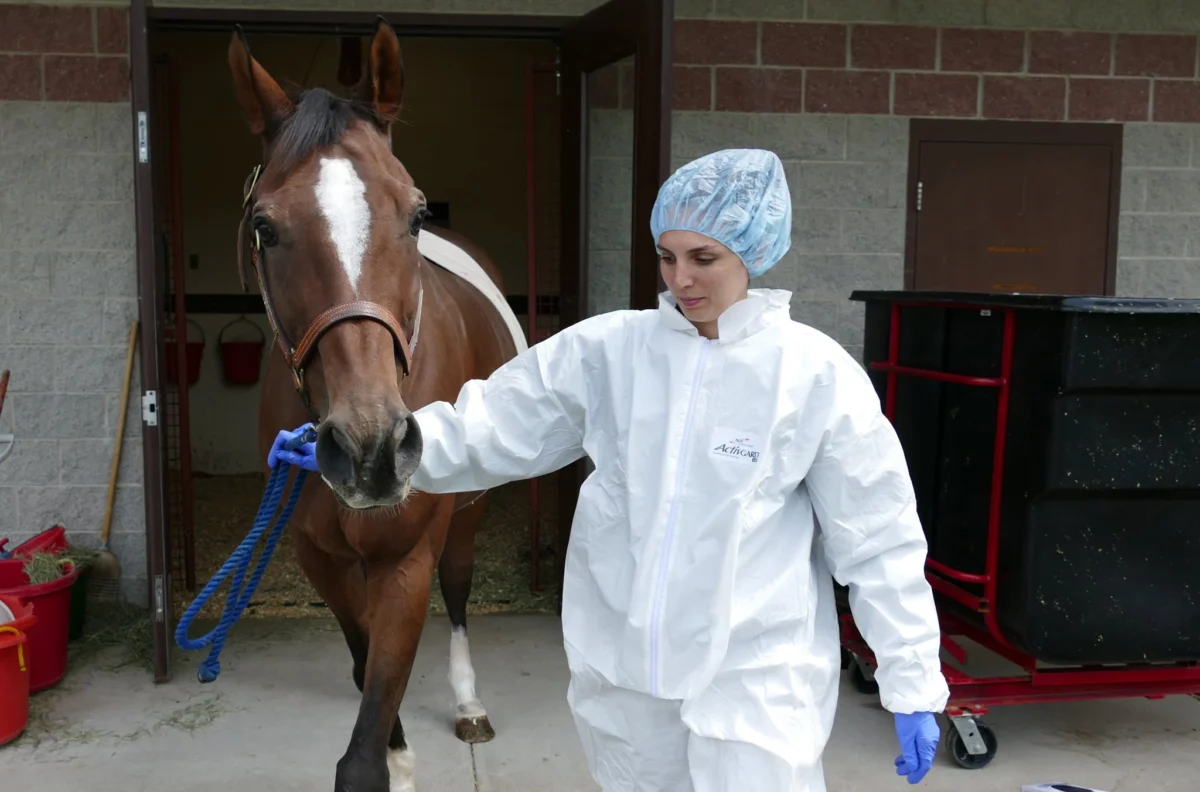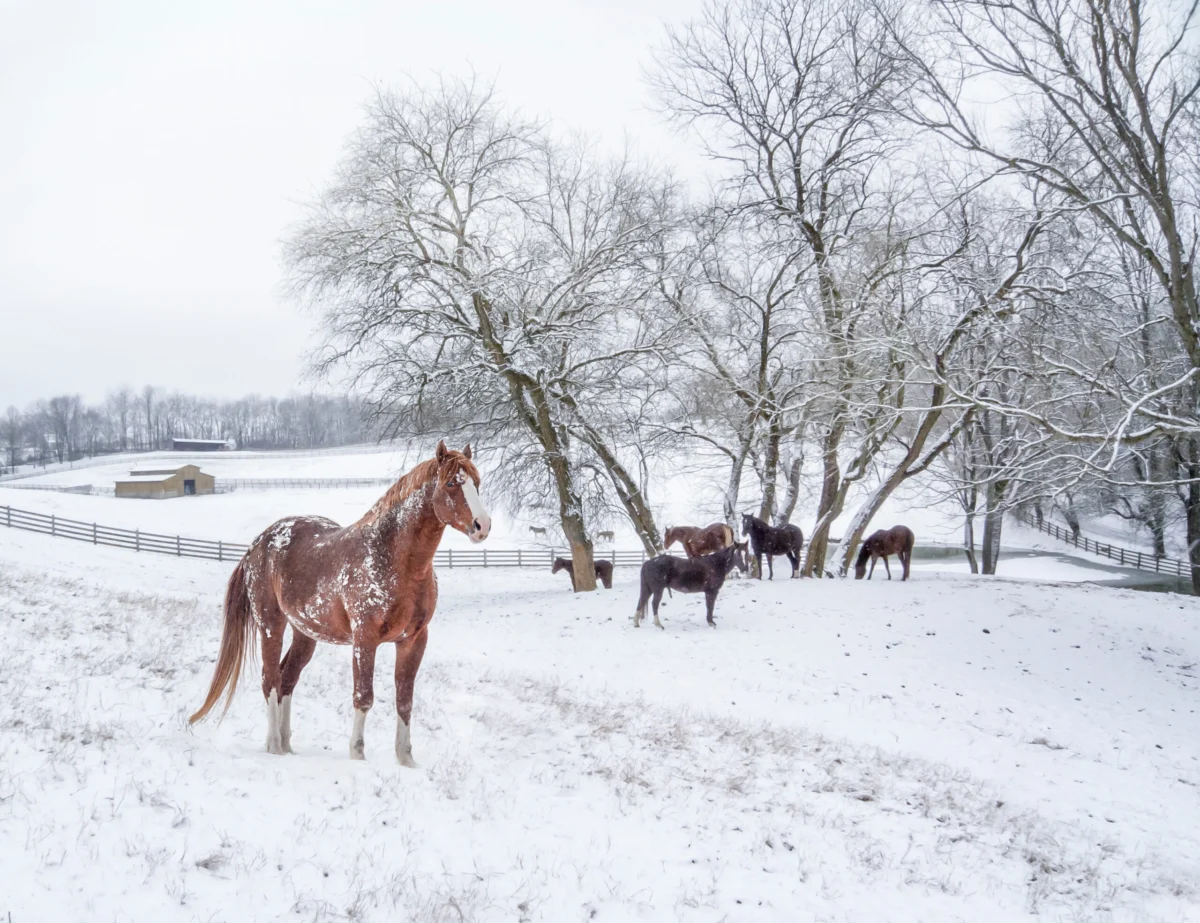

PIERCE COUNTY, Wisconsin — Local animal health authorities have confirmed an outbreak of strangles—a highly contagious bacterial infection affecting equines—at a private boarding facility in Pierce County, Wisconsin. According to verified reports distributed through the Equine Disease Communication Center (EDCC) Health Watch network, four horses have tested positive for the pathogen, while two additional animals at the same premises are currently classified as suspected cases.
The confirmed cases involve a diverse group of horses ranging widely in age, highlighting the reality that strangles can affect equids regardless of their life stage. Fortunately, veterinary professionals report that all four diagnosed animals are currently undergoing treatment and are on the road to recovery. Nevertheless, the emergence of the disease in Pierce County has prompted renewed calls for heightened biosecurity protocols across regional boarding, training, and competition facilities.
Main Facts
Strangles is one of the most frequently diagnosed equine infectious diseases worldwide. Caused by the bacterium Streptococcus equi subspecies equi, the condition primarily targets the upper respiratory tract of horses, ponies, donkeys, and other equids. The hallmark clinical manifestation of the disease is severe inflammation of the lymph nodes—particularly around the jaw and throat—which can swell to the point of obstructing a horse’s breathing, hence the ominous moniker "strangles."
The current outbreak in Pierce County centers on a residential boarding stable where biosecurity measures have been intensified to prevent further transmission. The affected population includes:
- A 30-year-old Tennessee Walking Horse gelding
- A 14-year-old Quarter Horse gelding
- A 7-year-old gelding (breed unspecified)
- A 16-year-old Quarter Horse gelding
In addition to these four PCR-confirmed cases, veterinary monitors are closely tracking two other horses housed at the facility that are exhibiting early clinical signs consistent with the infection. All impacted animals have been placed under strict veterinary quarantine protocols, isolated from healthy herdmates to curb the spread of the contagion.
Chronology of the Outbreak
While agricultural and veterinary authorities have not publicly detailed the exact timeline of the initial exposure, outbreaks of this nature typically begin with the introduction of an asymptomatic carrier or a newly acquired animal carrying the pathogen into a naive or semi-closed population.
- Initial Onset and Detection: The outbreak came to light when stable management and attending veterinarians noticed sudden clinical signs of respiratory distress and lymph node swelling in several resident horses.
- Diagnostic Confirmation: Veterinary teams executed polymerase chain reaction (PCR) testing—utilizing nasal swabs, guttural pouch washes, and targeted abscess samples—to isolate and identify the genetic material of Streptococcus equi.
- Quarantine and Containment: Upon receiving positive laboratory results, the facility immediately enacted voluntary movement restrictions. No horses are currently permitted to leave or enter the premises, and dedicated equipment, feed buckets, and cleaning tools have been assigned exclusively to the quarantined sector.
- Ongoing Monitoring: As of this reporting period, the four primary patients are responding favorably to supportive veterinary care, while the two suspected cases continue to be monitored hourly for worsening symptoms or abscess maturation.
Supporting Data and Veterinary Insights
To understand the gravity of the Pierce County situation, it is necessary to examine how Streptococcus equi operates within equine populations. The bacterium is remarkably resilient and spreads efficiently via direct nose-to-nose contact between horses, as well as indirectly through shared water troughs, feed tubs, grooming equipment, and human handlers whose hands or clothing have come into contact with infectious nasal discharges or pus from ruptured abscesses.
Clinical Signs to Watch For
Equine owners and facility managers are urged to monitor their animals closely for the following indicators of strangles:
- Sudden onset of a high fever (often exceeding 103°F)
- Thick, yellowish-white nasal discharge from both nostrils
- Difficulty swallowing or extending the neck
- Lethargy and a noticeable loss of appetite
- Noticeable swelling and subsequent abscessation of the submandibular and retropharyngeal lymph nodes (beneath the jaw and behind the throat latch)
Diagnosis and Treatment Protocols
Veterinarians rely heavily on PCR testing for rapid and accurate diagnosis, as it can detect even trace amounts of bacterial DNA. Once diagnosed, treatment decisions depend heavily on the stage of the disease.
In early stages, the administration of antibiotics is sometimes avoided because it can prolong the course of the illness or interfere with the horse’s ability to develop natural, long-lasting immunity. Instead, veterinarians frequently focus on supportive care—such as applying hot compresses to mature abscesses to encourage drainage, providing anti-inflammatory medications to manage pain and fever, and offering soft, palatable feeds to ease painful swallowing. Antibiotics are typically reserved for severe, complicated cases where animals experience respiratory compromise or systemic spreading (often referred to as "bastard strangles").
Recovery timelines vary, but most uncomplicated cases resolve fully within three to four weeks, provided rigorous hygiene and supportive management are maintained.
Official Responses and Industry Guidance
State animal health officials and equine welfare organizations continue to emphasize that transparency is vital during infectious disease events. By reporting cases through platforms like the Equine Disease Communication Center (EDCC), regional veterinarians help alert neighboring farms, equestrian event organizers, and transport companies to exercise heightened vigilance.
The EDCC, an independent nonprofit organization sustained by industry donations, provides open-access tracking for infectious equine diseases across North America. Through its partnership with the Equine Network via EDCC Health Watch, verified data empowers horse owners to make informed management decisions.
Preventive Measures and Biosecurity Best Practices
Veterinary epidemiologists emphasize that while vaccines for strangles are commercially available, they are not 100% effective and must be weighed against individual risk factors in consultation with a primary care veterinarian. Therefore, the cornerstone of strangles prevention remains strict biosecurity:
- Quarantine New Arrivals: Any horse arriving at a boarding or training facility should be isolated for a minimum of 21 to 30 days and monitored daily for fever and respiratory signs.
- Sanitation and Hygiene: Regularly disinfect shared structures, fences, waterers, and grooming tools using agricultural-grade disinfectants capable of neutralizing bacterial pathogens.
- Traffic Control: Limit overlapping use of equipment between different groups of horses, and encourage handlers to wash hands and change outer garments or footwear when moving between isolated and general populations.
- Water Safety: Avoid community water troughs at shows, trails, and public parks where multiple unfamiliar horses dip their muzzles.
Implications for the Local and Regional Equine Community
The confirmed cases in Pierce County serve as a timely and sobering reminder of the constant biological pressures facing horse owners. Wisconsin boasts a robust equine industry encompassing pleasure riding, breeding farms, multi-discipline competition venues, and commercial boarding stables. An outbreak in any sector can cause cascading disruptions, ranging from temporary barn quarantines to the cancellation of local shows and clinics.
Furthermore, the biological characteristics of Streptococcus equi mean that the threat does not vanish the moment clinical signs disappear. Horses that have recovered from strangles can continue to shed the bacteria in their nasal secretions for at least six weeks post-recovery. In rare instances, animals can become silent, long-term carriers by harboring the bacteria in their guttural pouches without showing outward signs of illness. These chronic carriers can reintroduce the infection months or even years later, sparking secondary outbreaks when mixed into naive herds.
For the management and boarders at the affected Pierce County facility, the immediate focus remains on nursing the remaining patients back to health, maintaining absolute biosecurity hygiene, and ensuring that no viable bacteria leave the property. Neighboring stables throughout West-Central Wisconsin and eastern Minnesota are advised to review their internal biosecurity protocols, restrict non-essential equine visitors, and contact their local veterinarians immediately if any resident horses develop unexplained fevers or nasal discharge.
As the situation develops, veterinary agencies and equine health advocates will continue to release updates through the EDCC network to ensure public safety and the containment of the pathogen. Equine professionals across the region are encouraged to remain vigilant, prioritize proactive health management, and support collaborative biosecurity efforts to protect the broader equine population.