The Girl Scouts of the USA (GSUSA) have long been an iconic American institution, synonymous with youth empowerment, community service, and, perhaps most famously, their annual cookie sales. However, the organization’s latest venture—a foray into the lucrative pet industry—has sparked immediate and intense scrutiny from consumer advocates. The rollout of "Patch Pals," a line of blueberry-muffin-flavored dog cookies, was intended to celebrate the bond between humans and their canine companions. Instead, the product launch has inadvertently spotlighted a contentious issue in the pet food industry: the use of "Dried Bakery Product" as a primary ingredient.
As pet owners become increasingly discerning about the quality of food they provide their animals, the inclusion of what critics characterize as "recycled grocery waste" in a product marketed by a trusted youth organization has raised significant questions regarding corporate transparency, ingredient sourcing, and the ethical standards of the modern pet treat market.
The Launch of Patch Pals: Marketing vs. Reality
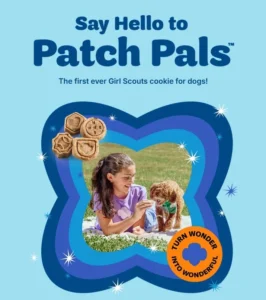
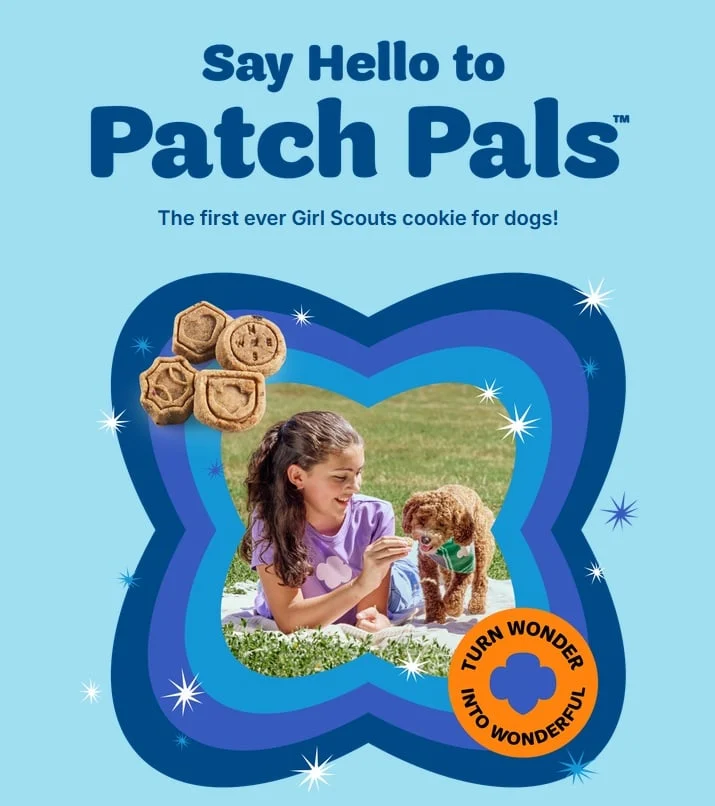
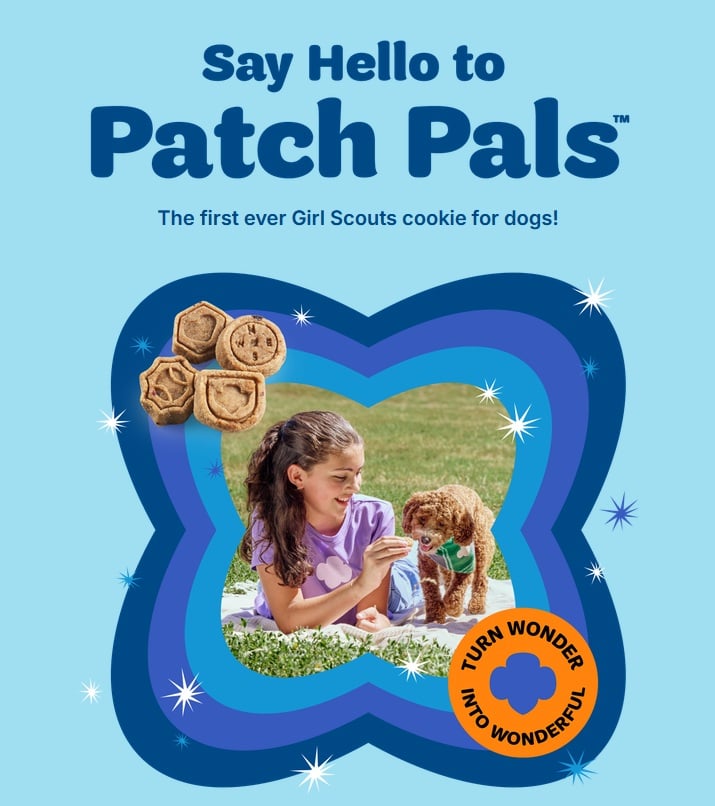
In their official announcement regarding the 2026-2027 product lineup, the Girl Scouts unveiled "Patch Pals," soft-baked blueberry muffin-flavored dog treats. The marketing copy is undeniably charming, designed to appeal to the organization’s massive, loyal customer base. According to the official press release, the cookies were designed to "celebrate the bond between people and their pups," featuring four distinct "patch" designs that represent iconic Girl Scout experiences.
The branding strategy is clear: leverage the Girl Scout nostalgia to capture the attention of pet-owning parents. By positioning the product as a wholesome extension of the Girl Scout experience, the organization aimed to establish trust with consumers instantly. However, for those who look beyond the packaging and examine the ingredient panel, the narrative shifts from "wholesome" to "highly concerning."
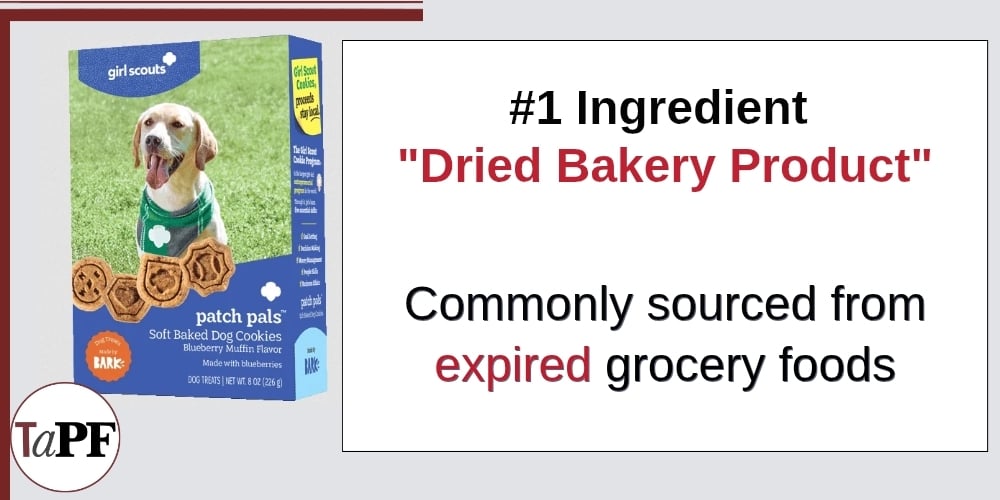
The first ingredient listed—the component representing the largest percentage of the product by pre-cooked weight—is "Dried Bakery Product." While this ingredient may sound innocuous to the average consumer, its legal definition and industrial application suggest a starkly different reality.
Understanding "Dried Bakery Product": A Look Under the Hood
To understand why consumer advocates are calling this launch "shameful," one must look at the regulatory definition of the primary ingredient. According to the Association of American Feed Control Officials (AAFCO), "Dried Bakery Product" is defined as a mixture of bread, cookies, cake, crackers, flours, and doughs that have been "mechanically separated from non-edible material, artificially dried and ground."
The term "non-edible material" is the focal point of the controversy. In the context of industrial food processing, this refers to the original packaging—plastic wrappers, foil, cardboard, and other materials that encase mass-produced baked goods. While machines are designed to separate these items from the food, the definition allows for a margin of error. Furthermore, the definition includes no specific restrictions regarding the quality of the raw materials before they are processed.
This means that the "Dried Bakery Product" in a bag of Patch Pals could originate from loaves of bread or boxes of crackers that were sitting on a grocery store shelf weeks past their expiration date, potentially harboring mold, staleness, or other degradation. Critics argue that this ingredient is, effectively, "recycled grocery garbage"—an inexpensive, low-grade filler commonly used in livestock feed, not in the premium pet treats that pet owners expect when purchasing from a reputable brand.
Chronology: From Concept to Consumer Backlash
The development of the Patch Pals line follows a broader trend of human-brand expansion into the pet sector, but the timeline of this specific product’s reveal has been marked by a lack of upfront disclosure regarding its ingredient profile.
- September 2026: The Girl Scouts officially announce their 2027 product lineup, including the introduction of "Patch Pals" and "Sparkables." The promotional material emphasizes the "iconic experiences" and "bond" between pets and owners.
- Post-Announcement: Independent consumer watchdogs, including experts from TruthAboutPetFood.com, perform a deep dive into the technical specifications and ingredient labeling provided by the organization.
- Early October 2026: The findings regarding the use of "Dried Bakery Product" are published. The report highlights that this is a common, inexpensive filler in the agricultural feed industry, rarely utilized in high-quality pet products.
- Ongoing: Advocates issue formal inquiries to the Girl Scouts of the USA, requesting clarification on their sourcing standards and the decision-making process that led to the selection of such a low-tier primary ingredient. As of the time of this writing, the organization has yet to provide a substantive response.
Supporting Data: The Industrial Reality of Depackaging
The machinery used to create "Dried Bakery Product" is a testament to the industrialization of food waste. Companies that manufacture these "depackaging" machines demonstrate their efficacy by showing bulk waste—often consisting of entire loaves of bread in plastic sleeves—being fed into a grinder. The machinery separates the plastic from the organic matter, but the result is a homogenized "slurry" of various bakery items that have reached the end of their shelf life.
When this is dried and ground into a shelf-stable powder, it becomes a generic commodity. Unlike specific, high-quality ingredients like "dehydrated chicken" or "whole grain oats," "Dried Bakery Product" is a catch-all term. It allows manufacturers to source their raw materials from the cheapest available pool of expired goods. In the context of the pet food industry, this is often viewed as a "bottom-shelf" practice that prioritizes profit margins over the nutritional integrity of the product.
The Implications for Pet Health and Corporate Responsibility
The core issue here is not just the ingredient itself, but the lack of transparency in how the product is being marketed to the public. The Girl Scouts of the USA rely on a reputation of integrity and ethical behavior. By aligning their brand with a product that relies on industrial waste, the organization risks significant reputational damage.

Potential Health Risks
While "Dried Bakery Product" is technically approved for use in feed, it is not considered an optimal ingredient for canine nutrition. Dogs have specific dietary requirements, and a product that relies on a mix of leftover sugars, processed flours, and unknown preservatives—all of which are common in the original baked goods—is essentially empty calories. For dogs with sensitivities or specific health issues, the lack of consistency in this "mystery ingredient" poses a potential risk.
The Erosion of Trust
The Girl Scouts’ mission involves preparing girls to be responsible, ethical leaders. Critics argue that the decision to launch a product with such opaque sourcing undermines that very mission. If the leadership team did not fully investigate the nature of "Dried Bakery Product," it suggests a failure of due diligence. If they did know and chose to proceed anyway, it suggests a prioritization of licensing revenue over consumer transparency.
Seeking Answers: The Silence from GSUSA
In response to these findings, consumer advocates and pet health organizations have reached out to the Girl Scouts of the USA to demand clarity. The questions are straightforward:
- What criteria were used to select the ingredients for Patch Pals?
- Does the organization stand by the use of "Dried Bakery Product" as a nutritious component for dogs?
- Will the organization consider reformulating the product to exclude industrial waste products?
To date, the organization has remained silent on these inquiries. This silence is being interpreted by many in the pet food community as an attempt to "wait out" the criticism rather than engage in a transparent conversation about quality standards.

Conclusion: A Call for Accountability
The introduction of Patch Pals represents a crossroads for the Girl Scouts. They have successfully entered a new, high-growth market, but they have done so by compromising the very standards of quality that many of their supporters expect.
Pet owners are increasingly demanding "clean label" products—treats where the ingredients are recognizable, human-grade, and sourced with integrity. "Dried Bakery Product" is the antithesis of the clean label movement. It is a vestige of a time when the pet food industry could operate behind closed doors, using waste-stream ingredients without fear of consumer pushback.
If the Girl Scouts wish to maintain their standing as a respected national organization, they must move beyond the colorful marketing and address the technical realities of their products. Transparency is not optional in the modern age; it is the baseline for consumer trust. Until the organization provides a full explanation for the inclusion of "Dried Bakery Product" and commits to higher standards of ingredient sourcing, the "Patch Pals" line will remain a symbol of what happens when corporate convenience takes precedence over animal health.
Consumers are encouraged to remain vigilant. When purchasing treats for their pets, they should look beyond the branding and carefully scrutinize the ingredient labels. As the experts at TruthAboutPetFood.com suggest, there are many reputable, healthy alternatives available on the market—alternatives that do not rely on the contents of a landfill-bound dumpster. The bond between a person and their pup is a sacred one; it deserves better than recycled grocery waste.