Executive Summary: The Recall at a Glance
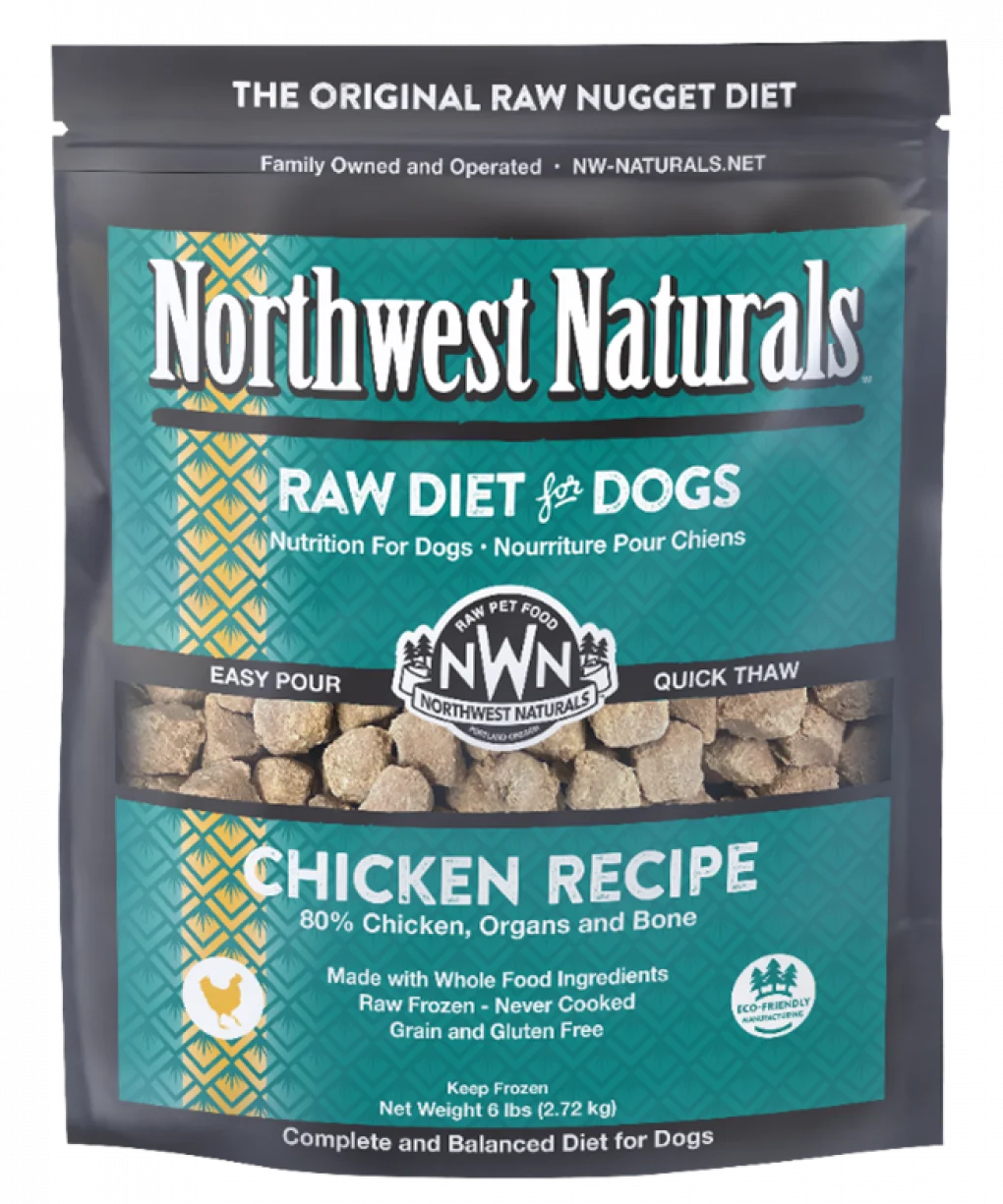
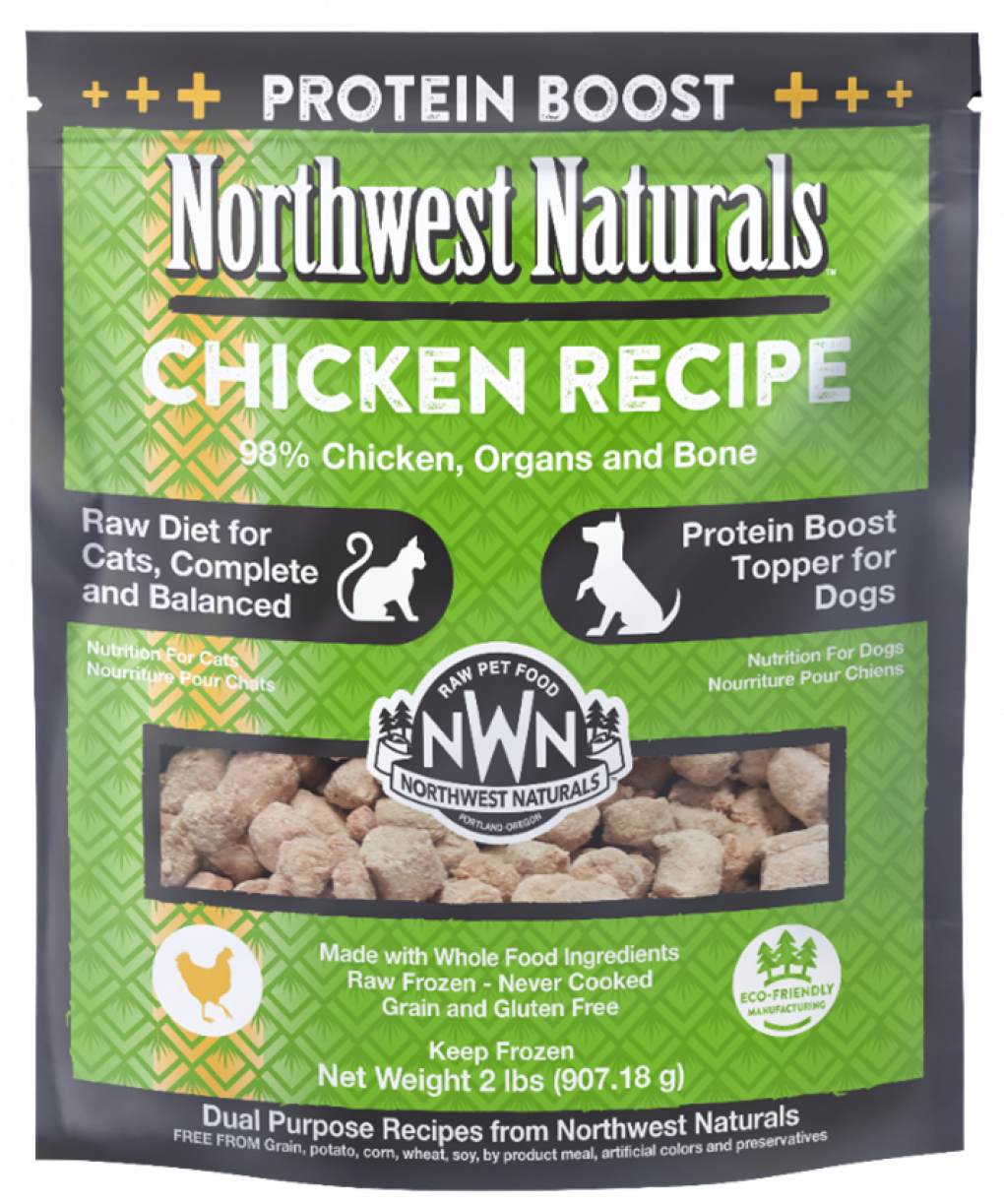
Portland-based pet food manufacturer Northwest Naturals has initiated a voluntary nationwide recall of two of its popular frozen raw pet food lines. The recall, prompted by routine testing conducted by the U.S. Food and Drug Administration (FDA), involves specific lots of the Northwest Naturals Frozen Chicken Recipe (cat food, 2 lb. bags) and the Northwest Naturals Frozen Raw Diet for Dogs Chicken Recipe (6 lb. bags).
Approximately 53 cases of the feline formula (1,272 lbs.) and 19 cases of the canine formula (684 lbs.) have been identified as potentially contaminated with Salmonella and/or Listeria monocytogenes. While no illnesses in pets or humans have been reported to date, the company and federal regulators are urging immediate action from pet owners to mitigate the risk of cross-contamination and infection.
Chronology: How the Contamination Was Discovered
The sequence of events leading to this recall began with standard oversight protocols enforced by the FDA. As part of a larger, ongoing monitoring program for raw pet food products, federal agents collected samples from Northwest Naturals’ supply chain.
Subsequent laboratory analysis confirmed the presence of Salmonella in the Frozen Chicken Recipe for cats. Even more concerning, the Frozen Raw Diet for Dogs Chicken Recipe returned positive results for both Salmonella and Listeria monocytogenes. Upon receiving these findings, Northwest Naturals moved to coordinate with the FDA to initiate a voluntary recall.
The company is currently tracing the distribution of these specific lots, which were shipped to retail locations across the United States. While the recall is voluntary, it serves as a critical precautionary measure to remove the contaminated batches from consumer freezers and store shelves before they can pose a public health hazard.
Supporting Data: Understanding the Pathogens
To grasp the severity of this recall, it is essential to understand the biological risks posed by the bacteria identified in the products.
The Threat of Salmonella
Salmonella is a group of bacteria that can cause serious, and sometimes fatal, infections in both humans and animals. In healthy individuals, symptoms typically manifest as nausea, vomiting, abdominal cramping, and diarrhea—often with blood.

However, the threat extends beyond simple gastrointestinal distress. For vulnerable populations, including the elderly, children, and the immunocompromised, Salmonella can enter the bloodstream, potentially leading to arterial infections, endocarditis (inflammation of the heart lining), arthritis, and persistent eye irritation. The risk is not limited to the pet; human infection frequently occurs due to the improper handling of contaminated pet food, where the bacteria are transferred from the food or the pet’s bowl to the human’s hands, and subsequently to the mouth or food preparation surfaces.
The Dangers of Listeria monocytogenes
Listeria monocytogenes is a particularly resilient pathogen. While it can cause standard foodborne illness symptoms, it is notably more dangerous to specific demographics. In pregnant women, Listeria infections can have devastating consequences, including miscarriage, stillbirth, or severe infection of the newborn. Adults over the age of 65 and those with weakened immune systems face higher risks of complications such as confusion, loss of balance, and even convulsions.
Clinical Implications: Identifying Symptoms in Pets and People
The public health implications of this recall are two-fold: protecting the pet and protecting the household.
Monitoring Your Pet
Pets are susceptible to the same pathogens as humans. Owners should monitor their animals for symptoms including:
- Lethargy: A noticeable drop in energy or activity levels.
- Gastrointestinal distress: Persistent diarrhea (sometimes bloody), vomiting, or abdominal pain.
- Loss of appetite: A sudden refusal to eat or a decrease in interest in food.
It is important to note that pets can act as asymptomatic carriers. A dog or cat may appear perfectly healthy while actively shedding the bacteria in their stool, creating a hidden vector of infection within the home. If a pet has consumed the recalled product, owners are advised to consult their veterinarian immediately.
Monitoring Human Health
If an individual has handled the recalled pet food, they must remain vigilant for symptoms. If you experience fever, severe diarrhea, or neurological symptoms (such as confusion or muscle aches) after contact with the product or an infected animal, medical intervention should be sought immediately. Informing healthcare providers about potential exposure to contaminated raw pet food is vital, as it allows doctors to order the appropriate diagnostic tests for foodborne pathogens.
Official Responses and Remediation
Northwest Naturals has expressed its commitment to consumer safety through its official communication channels. In their statement, they emphasized that the recall is a proactive measure to ensure the highest standards of safety for their customers.
Instructions for Consumers
- Check Your Freezer: If you have purchased Northwest Naturals frozen chicken products, immediately compare the lot numbers on your packaging to those officially identified in the recall database (as provided on the FDA website).
- Cease Feeding: Even if the product has been consumed without incident so far, stop using it immediately.
- Return for Refund: Return the unused portions to the retail location where the product was purchased to receive a full refund.
- Seek Clarification: For specific questions regarding the recall, consumers can contact Northwest Naturals directly at 1-866-637-1872, Monday through Thursday, between 8 a.m. and 4 p.m. Pacific Time.
Best Practices: The Safe Handling of Raw Pet Foods
The current recall highlights a broader issue in the pet care industry: the inherent risks associated with raw feeding. The FDA and health experts emphasize that raw diets—by their very nature—may harbor bacteria that are destroyed during the cooking process in conventional kibble.
To keep a household safe when utilizing raw diets, the following protocols are mandatory:
- Hygiene: Always wash hands thoroughly with soap and warm water for at least 20 seconds after handling any raw pet food, touching pet bowls, or cleaning up after a pet.
- Sanitization: Regularly sanitize all surfaces, utensils, and containers that come into contact with raw meat. Do not use the same sponges or towels for pet bowls as you do for human dishware.
- Separation: Store raw pet food in a designated section of the freezer or refrigerator, away from human food products to prevent cross-contamination.
- Education: Be aware that the "raw" state of the product means it is not sterilized. Treat every serving as if it were raw chicken intended for a human kitchen.
Implications for the Industry and Consumers
This recall serves as a sobering reminder of the complex logistics behind the raw pet food industry. As the popularity of raw, ancestral, and "human-grade" pet diets continues to grow, so too does the necessity for rigorous quality control.
The FDA’s role in this incident—detecting the pathogens through randomized sampling—underscores the importance of government oversight in a market that is often self-regulated. For the consumer, this event highlights the "buyer beware" nature of specialized pet diets. While raw feeding offers many purported benefits, it requires a high level of responsibility from the owner to manage the biological risks inherent in the supply chain.
Moving forward, it is expected that Northwest Naturals will undergo further audits and potentially implement stricter pathogen-reduction strategies. For the consumer, the takeaway is clear: safety is not a passive activity. By staying informed, adhering to strict handling guidelines, and responding immediately to recall notices, pet owners can provide the care their animals need without compromising the health of their families.
As no illnesses have been reported thus far, the window for effective containment remains open. If you have purchased these products, treat this notice with the same urgency you would for a human food recall. Your pet’s health, and the health of your household, depends on it.