In an era where pet owners increasingly view their animals as integral family members, the demand for transparency in pet nutrition has reached an all-time high. However, beneath the glossy marketing of "natural" and "premium" snacks lies a regulatory landscape that many advocates describe as a "Wild West" of unverified claims. Addressing this gap, pet food safety advocate Susan Thixton has released the 2026/27 Treat List, a comprehensive guide featuring 44 brands that have undergone rigorous third-party verification to prove their claims of quality and safety.
The release of this list marks a pivotal moment in consumer-led advocacy, highlighting the stark contrast between industry marketing and the reality of pet food manufacturing. As regulatory bodies continue to allow the use of low-grade ingredients without disclosure, the Treat List serves as a blueprint for pet owners seeking to navigate a market rife with misinformation.
Main Facts: A Rigorous Standard for Pet Safety
The 2026/27 Treat List is not a mere compilation of popular brands or a paid advertisement. It is a vetted directory of 44 manufacturers that have met specific, high-level criteria for ingredient quality and manufacturing transparency. Unlike mainstream pet product reviews, which often rely on palatability or price, this list focuses on the "human-grade" standard—a term that is frequently misused in the industry but strictly defined in this document.
The Human-Grade Mandate
The primary requirement for inclusion in the 2026/27 Treat List is the use of human-grade ingredients. In the context of this list, this means that every ingredient used in the treat is edible for humans and handled in a manner consistent with human food safety regulations. For animal-based ingredients that humans typically do not consume (such as certain organs), the list requires that these parts be sourced from animals that have been "USDA inspected and passed."
Independence and Integrity
In a significant departure from industry norms, no company pays a fee to be considered or included in the list. Furthermore, the creator of the list, Susan Thixton, does not accept free products or gifts from manufacturers. This independent financial model is designed to eliminate the conflicts of interest that often plague pet product "best of" lists found in commercial magazines or affiliate-marketing websites.
A Human-Generated Resource
In an age of rapidly proliferating automated content, the 2026/27 Treat List is explicitly marketed as being produced without the use of Artificial Intelligence (AI). This "No AI" pledge underscores the manual, investigative nature of the work, which involves direct communication with company owners and the physical review of hundreds of pages of sourcing documentation.
Chronology: The Evolution of the Vetting Process
The creation of the Treat List is the culmination of years of advocacy work through platforms like TruthAboutPetFood.com and the Association for Truth in Pet Food. The process for the 2026/27 edition followed a strict chronological path of investigation and verification.
- Initial Selection and Referral: Brands were identified through several channels. Some were familiar to the advocate through years of personal use, while others were referred by a network of concerned pet owners or independent pet food retailers. A small number of brands reached out directly to request an audit.
- The Questionnaire Phase: Each candidate brand was sent an exhaustive list of questions. These queries went beyond basic ingredient lists, probing into manufacturing locations, testing protocols for pathogens, and the specific origins of vitamins and minerals.
- Document Verification: This is the most critical and time-consuming stage. Brands were required to provide physical evidence for every claim made on their labels. If a brand claimed "Organic" ingredients, they had to provide USDA organic certifications. If they claimed "Humanely Raised" meats, third-party welfare certifications were required.
- Final Audit and Exclusion: Brands that failed to provide documentation, or those whose documentation revealed discrepancies, were excluded. The final list of 44 represents the "survivors" of this rigorous auditing process.
Supporting Data: The Hidden Reality of "Feed Grade" Ingredients
To understand why the Treat List is necessary, one must look at the data regarding standard pet food ingredients, often referred to as "feed grade." The pet food industry is a major outlet for the "rendering" industry, which processes animal by-products not fit for human consumption.
The "4D" Meat Controversy
Under current US regulations, pet treats can legally contain what are known as "4D" meats: animals that were Dead, Dying, Diseased, or Disabled at the time of arrival at the slaughterhouse. While these animals are prohibited from the human food supply, they are frequently rendered into "meat meal" or "by-product meal" for animal consumption.
The 2026/27 Treat List rejects this standard entirely. By requiring "USDA inspected and passed" documentation, the list ensures that the treats are made from animals that were deemed healthy and fit for human consumption at the time of slaughter.
Variability in Manufacturing
The data compiled for the list reveals a diverse ecosystem of high-quality manufacturers. Of the 44 brands:
- The majority are based in the United States, with 12 brands having distribution in Canada.
- The manufacturing scale ranges from small-batch artisanal producers operating out of domestic kitchens to larger companies with dedicated, human-food-grade facilities.
- Treat types vary from single-ingredient dehydrated meats to complex "cookie" style biscuits and specialized cheese treats.
Official Responses: The Regulatory Gap
The necessity of the Treat List is driven by what advocates describe as a failure of regulatory oversight by the Food and Drug Administration (FDA) and the Association of American Feed Control Officials (AAFCO).

The FDA’s "Enforcement Discretion"
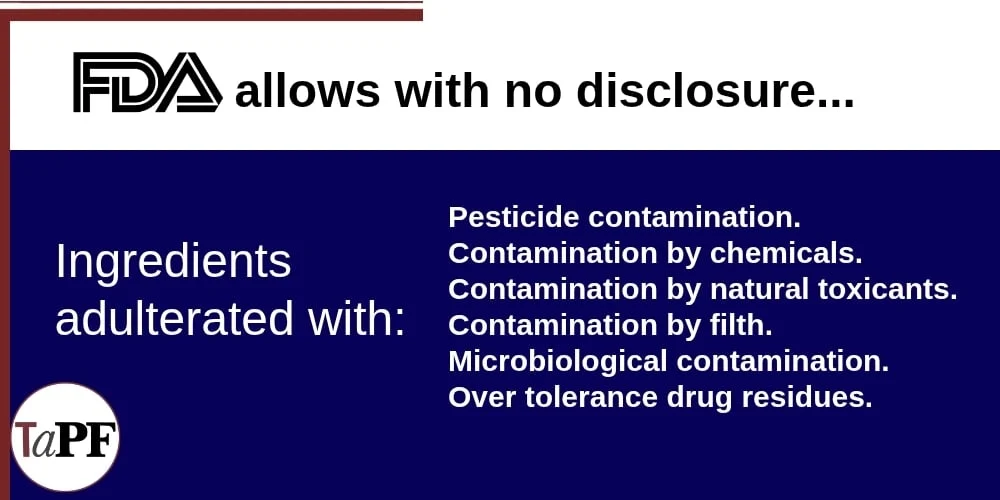
One of the most controversial aspects of pet food regulation is the FDA Center for Veterinary Medicine’s stance on ingredient quality. In official statements, the FDA has noted: “We do not believe that the use of diseased animals or animals that died otherwise than by slaughter to make animal food poses a safety concern and we intend to continue to exercise enforcement discretion.”
This "enforcement discretion" essentially means that while laws exist on the books regarding the purity of food, the FDA chooses not to enforce them when it comes to animal feed. This allows manufacturers to use inferior ingredients while simultaneously using marketing language that implies high quality.
The Marketing-Reality Disconnect
State pet food authorities rarely verify the marketing claims found on treat packaging. A label can claim a product is "Human Grade" without the company ever having to prove that the facility meets human food safety standards. The Treat List fills this regulatory vacuum by acting as a private inspector, demanding the proof that the government does not.
Implications: The Rise of Consumer-Funded Advocacy
The release of the 2026/27 Treat List has broader implications for the future of the pet industry and the power of the consumer. It signals a shift away from reliance on government oversight and toward community-supported investigative journalism.
Financial Independence as a Tool
The Treat List is sold as a digital product, with prices ranging from $5.00 to $50.00 on a "pay-what-you-can" basis. This funding model is crucial; it ensures that the Association for Truth in Pet Food remains 100% consumer-supported. By refusing advertising dollars from pet food giants, the organization maintains the autonomy required to criticize the industry and the agencies that regulate it.
Empowering the "Picky" Consumer
The list caters to what Susan Thixton calls the "picky" consumer. As pet owners become more educated about the risks of feed-grade ingredients—ranging from pentobarbital contamination to high levels of bacteria in rendered meals—the demand for verified human-grade options is expected to grow.
A Call for Industry Reform
While the list highlights 44 "trusted" brands, it implicitly casts a shadow over the thousands of brands that do not meet these standards. The existence of such a list puts pressure on the industry to move toward higher transparency. For manufacturers, being included in the Treat List is becoming a "gold standard" of sorts, proving that their commitment to quality goes beyond a marketing slogan.
Conclusion
The 2026/27 Treat List is more than just a shopping guide; it is a manifesto for transparency in an opaque industry. By documenting the gap between regulatory "enforcement discretion" and the high standards pet owners expect, the list provides a vital service for those who refuse to feed their pets "waste" ingredients.
As the pet food industry continues to expand, the work of independent advocates will remain essential. For the 44 brands that made the list, the verification process offers a way to build genuine trust with their customers. For pet owners, it offers peace of mind in a market where "the finest ingredients" often means anything but. In the end, the list serves as a reminder that in the absence of government protection, the burden of safety often falls on the shoulders of informed, dedicated consumers.